



How to Tackle Rising Electric Bills During Sizzling Summer Nights: Insights from 300 Consumers
Strategies for Beating the Summer Electric Bills
As summer approaches, so does the discomfort of sweltering nights and rising electric bills. In a recent survey conducted by EC Navi, a marketing solution arm of DIGITALIO in Tokyo, 300 consumers shared their experiences and strategies for managing both the heat and their utility costs. With soaring temperatures and escalating electricity prices, the summer season becomes a significant concern for households striving for comfort while trying to be fiscally responsible.
Background of the Survey
The rise in extreme heat and associated energy costs is an ever-growing dilemma for many families. Particularly during those unbearable tropical nights, a key challenge is how to balance a good night’s sleep with the imperative of keeping electricity bills in check. To shed light on this issue, EC Navi initiated an investigation into consumer behavior regarding heat management and energy conservation strategies. Their aim was to provide valuable insights to assist individuals in enjoying a comfortable and economical summer.
Summary of Findings
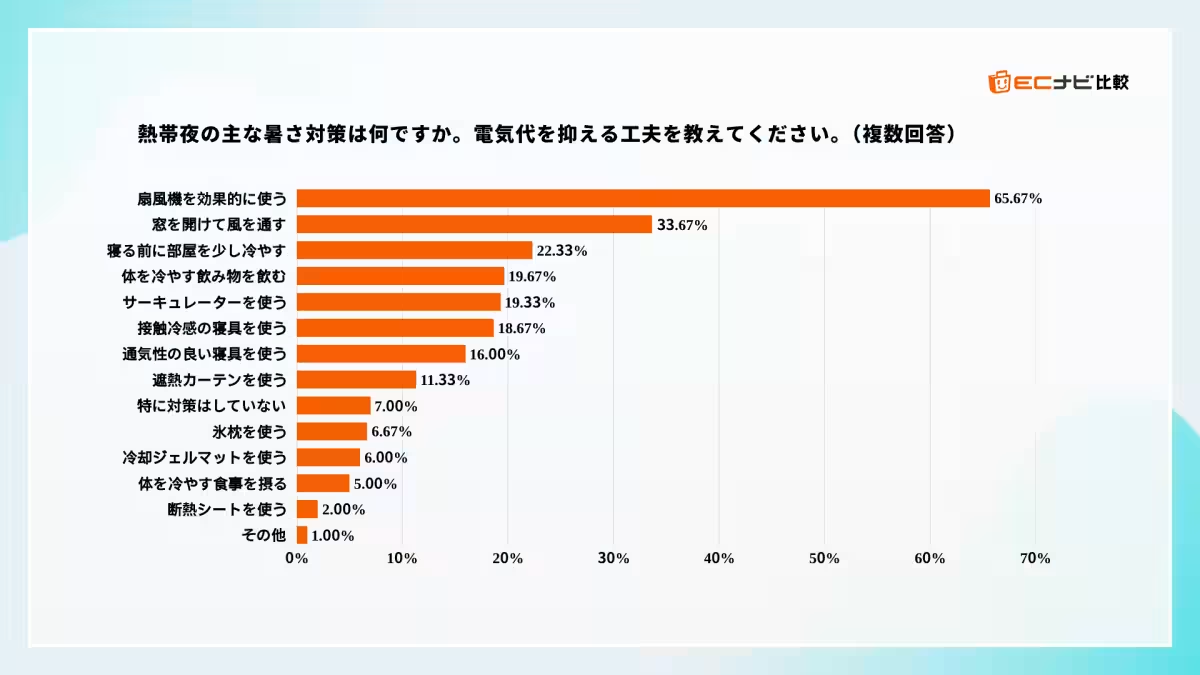
- - Top Cooling Method: 65.7% of respondents reported effectively using fans.
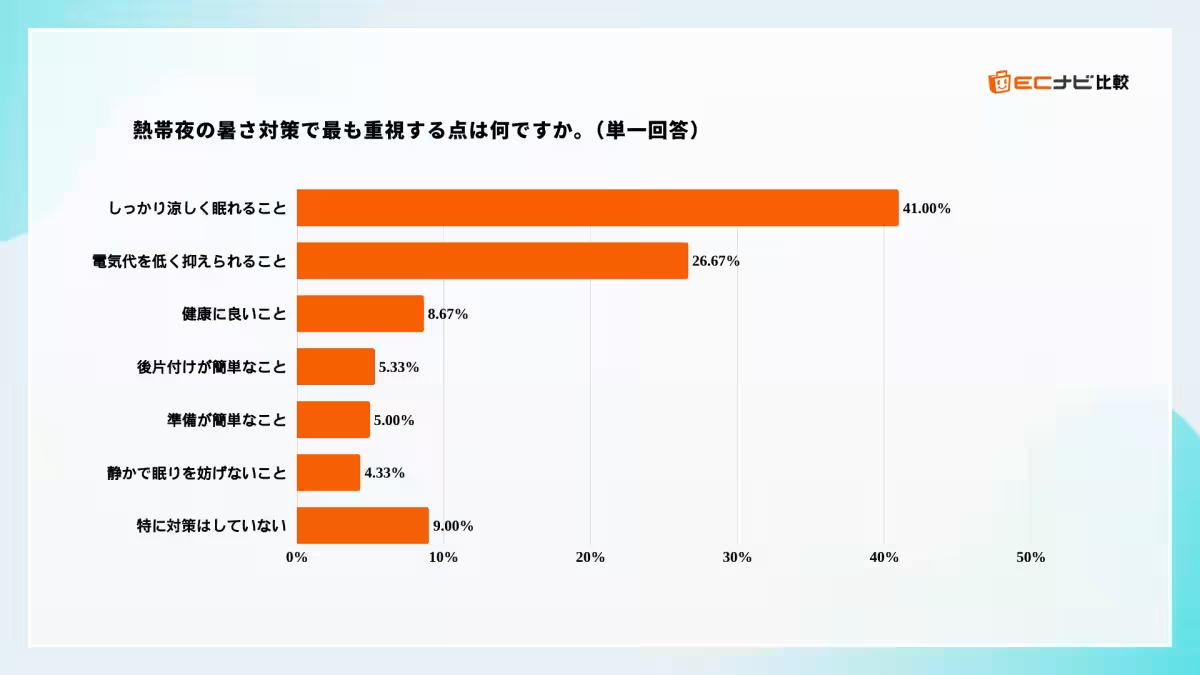
- - Priority in Heat Management: 41.0% prioritize a cool sleeping environment over reducing electric costs (26.7%).
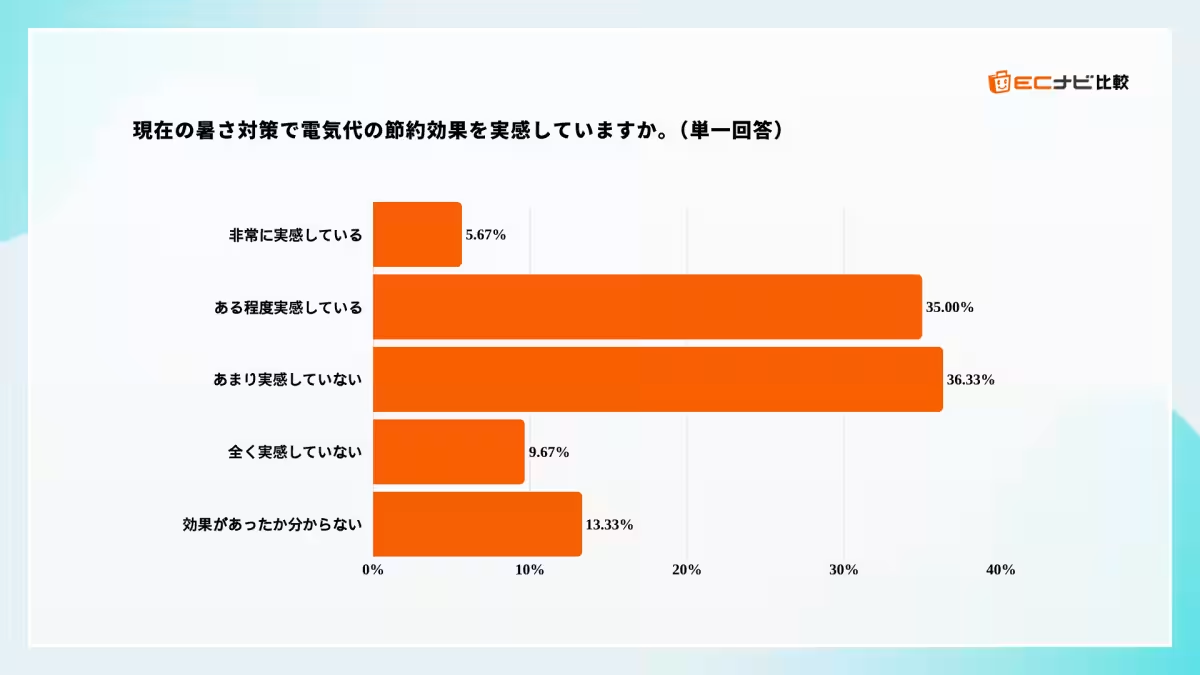
- - Awareness of Savings: 46.0% of participants felt they did not achieve noticeable savings from their current energy-saving practices.
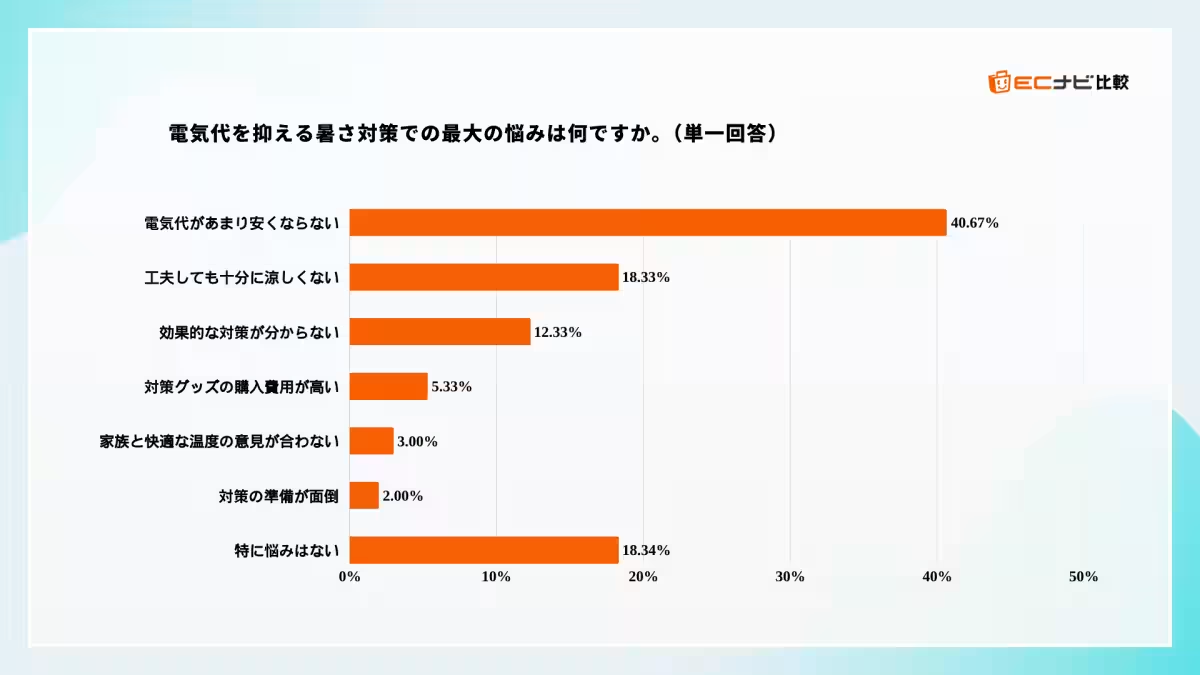
- - Main Concern: 40.7% worry that electricity costs are not decreasing significantly.
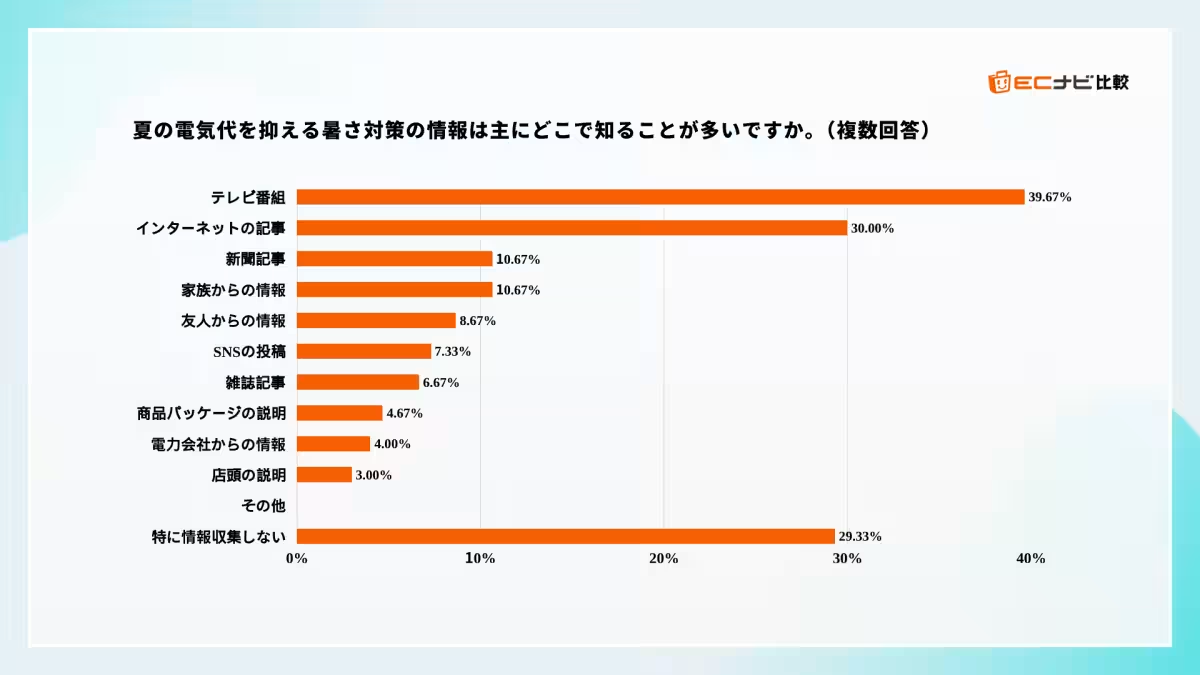
- - Main Information Source: 39.7% rely on television programs to gather information, followed by 30.0% from online articles.
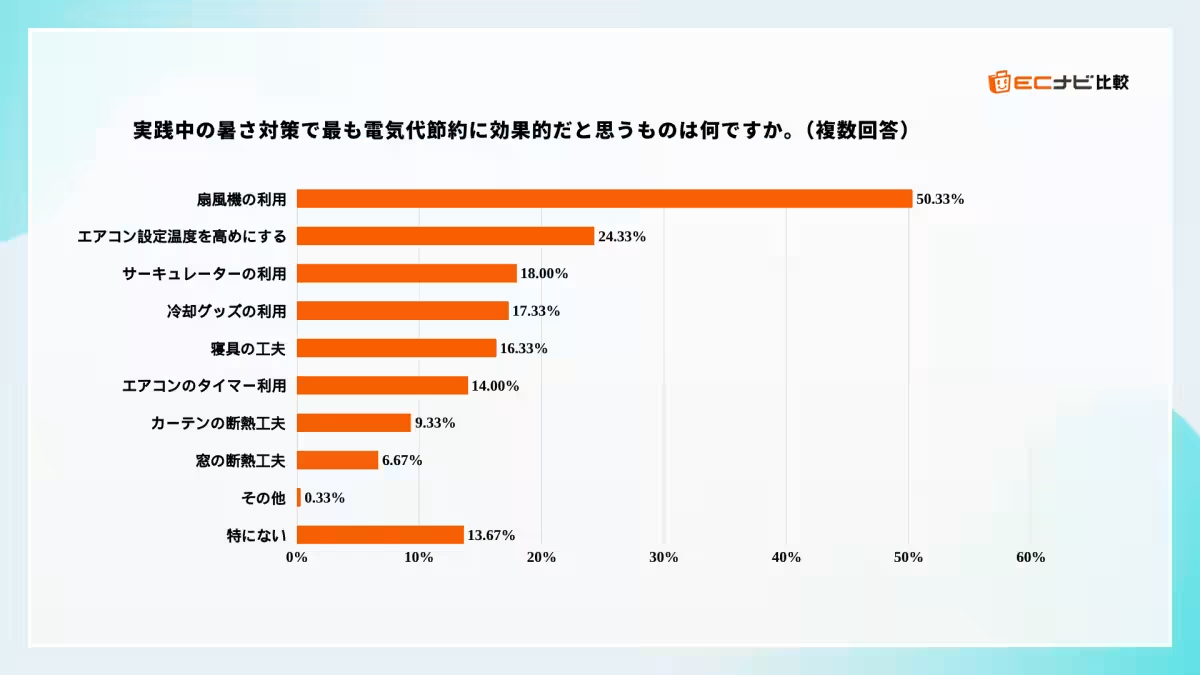
- - Most Effective Apparent Cost-Saving Measure: 50.3% believe using fans yields substantial savings.
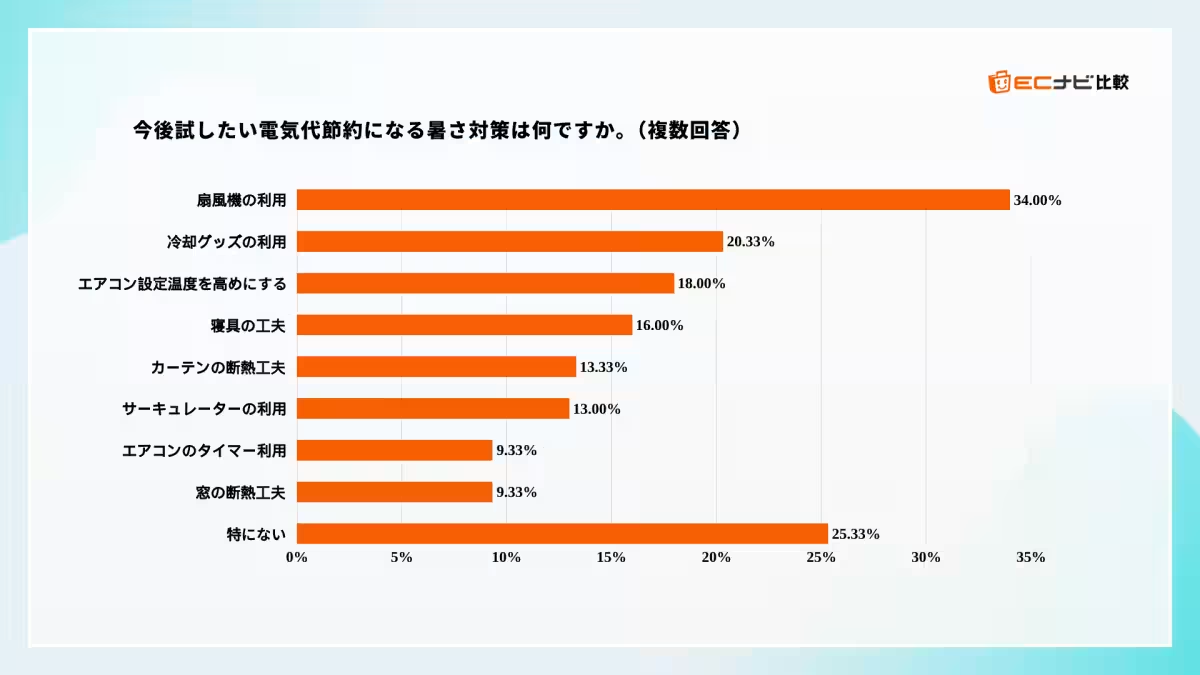
- - Future Strategies of Interest: 34.0% of respondents expressed a desire to implement fan usage.
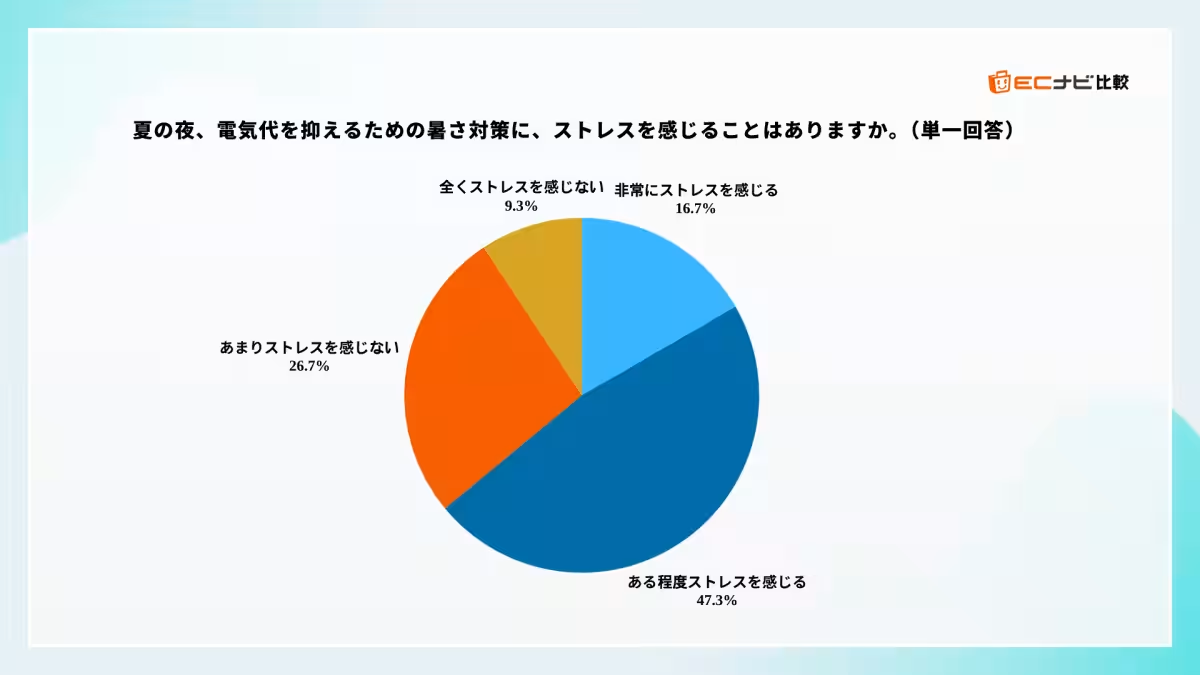
- - Strain from Energy-Saving Measures: About 64.0% of participants reported feeling some degree of stress related to energy-saving measures.
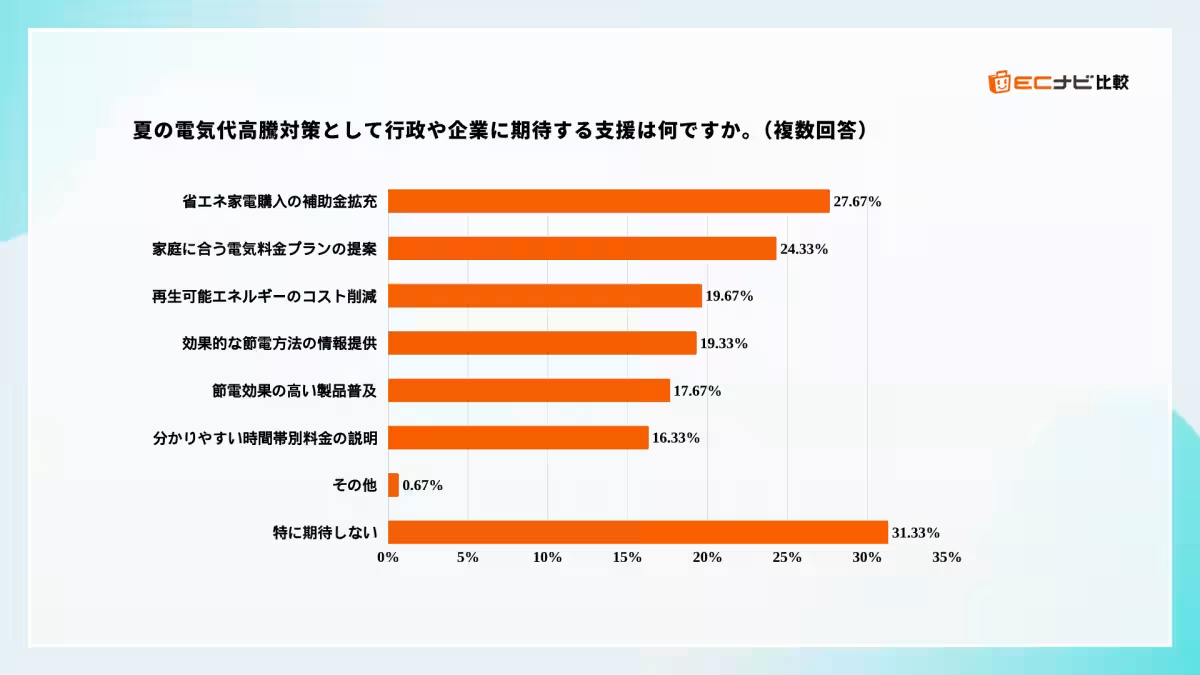
- - Expectation of Support: 31.3% indicated that they did not expect any assistance from authorities or businesses.
Detailed Insights
When addressing methods for coping with tropical nights, 65.7% of participants indicated that efficient fan usage was their preferred approach. The next most common methods involved opening windows for airflow (33.7%) and cooling down rooms prior to bedtime (22.3%). These results reveal a trend where individuals are not solely depending on air conditioning but adopting a blend of strategies to enhance their cooling experience.
In terms of priorities, a significant 41.0% indicated that ensuring a comfortable sleep was paramount, with energy costs being less critical at 26.7%. This preference for comfort over savings reflects a broader attitude towards personal well-being during hot weather.
Interestingly, nearly half of the survey participants (46.0%) reported not feeling any substantial impact from their electricity-saving strategies. This raises critical questions about the effectiveness of popular energy-saving techniques and suggests a need for more awareness and education on these practices. For many, the expectation of reduced electrical bills has not translated into reality, causing frustrations; as 40.7% cited their bills remaining steadfast despite their conscious efforts.
Information sources play an important role, with 39.7% relying on traditional television broadcasts for tips on energy savings while 30.0% turn to online resources. This split suggests consumers are seeking advice from both traditional and modern mediums to guide their choices.
Among the practices already in use, over half (50.3%) regard fan usage as the most effective method for reducing expenses, affirming consensus around this common household tool. Other commonly effective strategies included elevating the air conditioning's temperature setting (24.3%) or using circulators (18.0%), indicating a collective understanding of optimizing airflow for better energy efficiency.
While many are eager to try new tactics, 34.0% indicated they would like to continue using fans. Conversely, about a quarter of the respondents noted they had no immediate plans to change their habits, signaling a degree of contentment with their current practices.
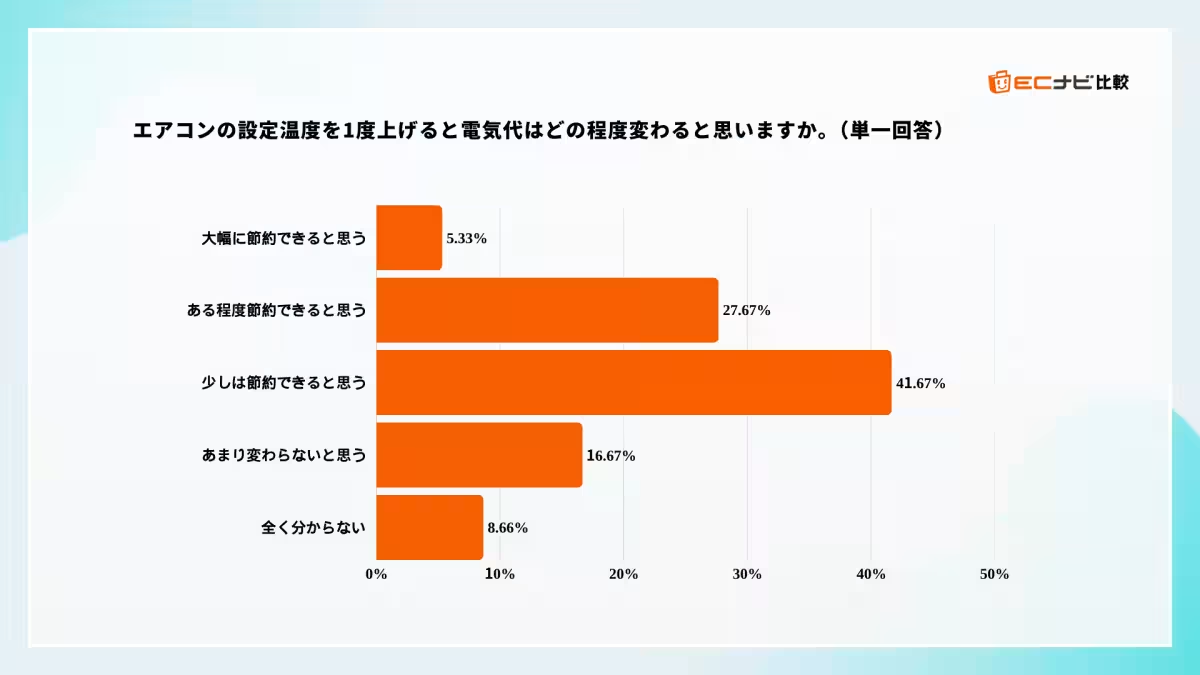
Furthermore, when asked about adjusting above the usually set air conditioning temperature, 41.7% felt such a move would result in slight savings, revealing a cautious optimism among respondents about potential cost reductions.
A significant number of participants (about 64.0%) admitted they experience stress relating to their summer electricity-saving efforts, with 47.3% acknowledging a moderate level of anxiety. This indicates that attempting to reconcile comfort and frugality poses challenges for many households, underlining the complex relationship between comfort and cost during the hotter months.
When discussing potential government support for the summer electricity crisis, the most common sentiment was a lack of expectation from authorities (31.3%). However, there is a pronounced desire for practical assistance, including subsidies for energy-efficient appliance purchases (27.7%) and guidance on suitable energy tariff plans (24.3%).
Conclusion
The survey conducted by EC Navi provides critical insights into consumer behavior during the summer heat crisis. The need to balance comfort with the urge to conserve is a reflection of broader economic realities; many households grapple with energy costs while maintaining their quality of life. The findings illustrate the significant complexities consumers face and highlight potential areas where information and support could play a crucial role in easing the burden of summer heat.
In conclusion, as summer approaches and temperatures rise, the insights derived from this survey mutually advocate for education, strategies, and support, thereby leading consumers towards a more economical and comfortable way of navigating the sweltering summer nights.


Topics Consumer Products & Retail)
【About Using Articles】
You can freely use the title and article content by linking to the page where the article is posted.
※ Images cannot be used.
【About Links】
Links are free to use.