




Majority of People Over 40 Struggle with Seborrheic Keratosis: Examining Treatments
Understanding Seborrheic Keratosis and Treatment Options
A recent survey conducted by I.C. Clinic evaluated the concerns regarding seborrheic keratosis, commonly known as senile warts, among individuals aged 40 and older. Results showed that 78.3% of respondents are troubled by these benign skin tumors, most often located on the face, neck, and hands. As we delve deeper into this issue, we will explore treatment options, their costs, and the satisfaction levels of patients who have undergone these procedures.
What is Seborrheic Keratosis?
Seborrheic keratosis is a widespread benign tumor that typically appears as individuals age. Its formation is linked to prolonged sun exposure and the natural aging of the skin, with signs often starting in the late 30s. By the age of 80, almost all individuals will have experienced these growths. Seborrheic keratoses can vary in color—from skin-tone to dark brown and black—and are characterized by a rough, scaly surface. While they do not become malignant, many individuals seek removal for cosmetic reasons or due to concerns about bleeding from snagged lesions.
Treatment Options Comparison: Cryotherapy vs. CO2 Laser
When it comes to treating seborrheic keratosis, I.C. Clinic offers two primary options: cryotherapy (liquid nitrogen treatment) and CO2 laser therapy. Each has its set of pros and cons:
Cryotherapy (Liquid Nitrogen Therapy)
- - Cost: Approximately 1,000 yen per treatment (with insurance coverage)
- - Sessions Required: Usually 2 to 5 visits (average of 3.2)
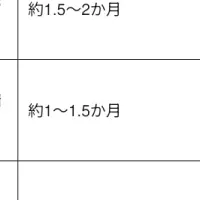
- - Recovery: 1 to 2 weeks, with possible blistering and scabbing
- - Pain Level: Mild, with some stinging during application
- - Risk of Hyperpigmentation: 10-30%
CO2 Laser Therapy
- - Cost: 5,000 to 15,000 yen per treatment (out of pocket)
- - Sessions Required: Typically 1
- - Recovery: 7 to 14 days, primarily scabbing
- - Pain Level: Limited due to the use of local anesthesia
- - Risk of Hyperpigmentation: 5-10%
While both methods are effective, cryotherapy remains popular for those seeking more affordable options. However, the CO2 laser not only provides fewer sessions but also yields a higher satisfaction rate, with 89.5% of patients reporting they were pleased with the outcome.
Key Findings from the Survey
The survey revealed several significant findings:
- - Awareness: Only 41.3% of respondents were aware that seborrheic keratosis could be treated with insured methods.
- - Decision Factors: 45.2% prioritized cost, while 28.6% emphasized minimizing scarring when choosing a treatment.
- - Concerns: 38.4% expressed anxiety about distinguishing these benign growths from malignant tumors, underscoring the need for professional evaluation by dermatologists.
Conclusion
The prevalent issue of seborrheic keratosis is not only a cosmetic concern but also a health consideration that warrants informed action. The survey highlights a troubling gap in understanding available treatments, leaving many individuals unaware of their options. Physician guidance is crucial; individuals should not rely on home remedies or over-the-counter solutions, as these can often lead to complications. I.C. Clinic strongly advises consulting a dermatologist for an accurate diagnosis and appropriate treatment pathway. If you are suffering from similar concerns, please feel free to reach out to I.C. Clinic, where experienced professionals are equipped to help you achieve desired results safely and effectively.


Topics Health)

【About Using Articles】
You can freely use the title and article content by linking to the page where the article is posted.
※ Images cannot be used.
【About Links】
Links are free to use.