



Early Detection of Heart Risks in Nara's Miyake Town through Corporate Hometown Tax Initiative
Heart Risk Detection Initiative in Miyake Town, Nara
On February 6, 2026, Miyake Town in Nara Prefecture, under the leadership of Mayor Koji Morita, proudly presented the outcomes of its innovative community health program. This initiative, supported by a corporate hometown tax donation of 2 million yen from A・K Financial, focuses on early detection of heart disease risks among residents through advanced at-home heart monitoring.
Overview of the Program
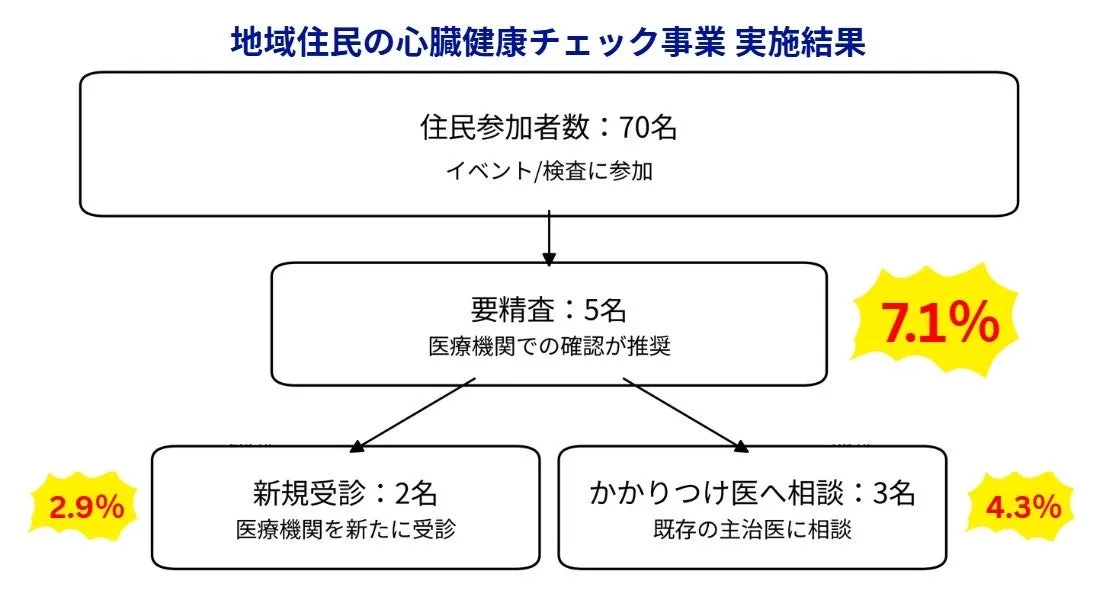
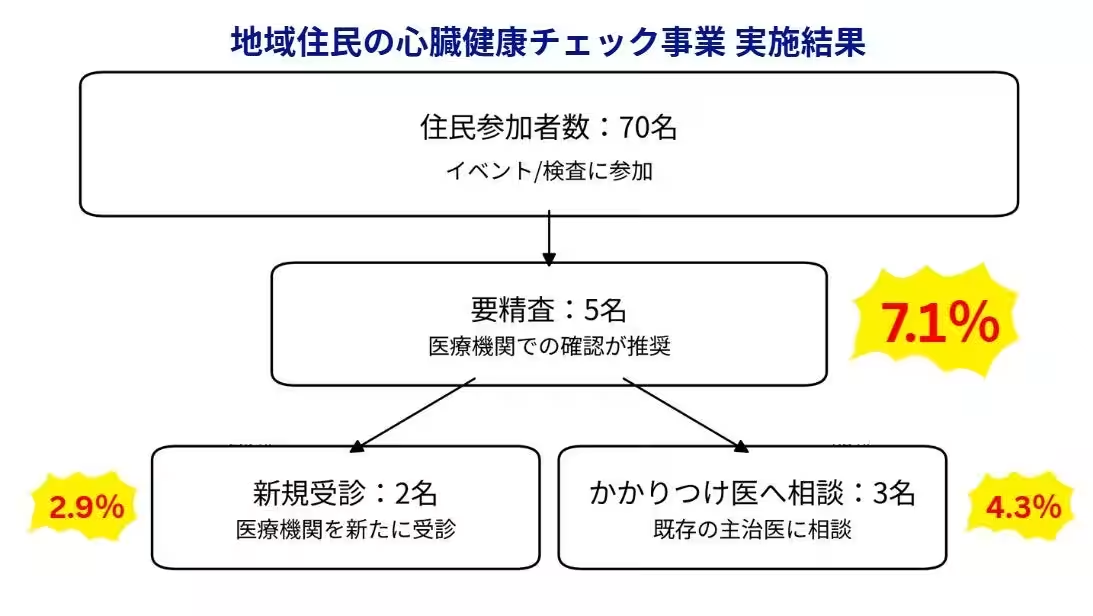
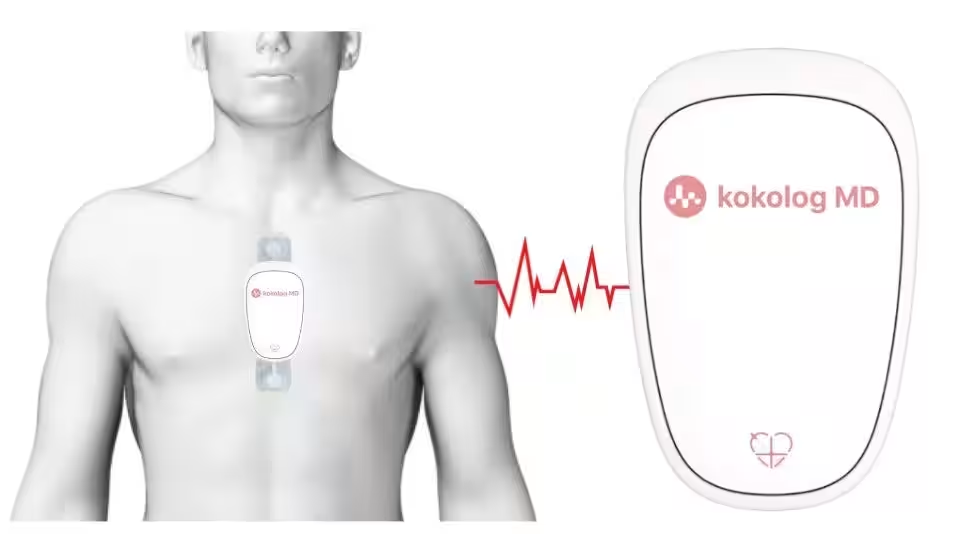
Miyake Town utilizes Kokoromiru's Home Cardio Dock Pro technology, allowing residents to participate in long-term electrocardiogram (ECG) monitoring from the comfort of their homes. Out of the 70 residents who applied, 53 completed the necessary tests. The results were promising, showing that 7.1% of participants required further medical examination, a figure that underscores the importance of proactive health measures. An alarming total of five individuals were flagged for their high risk of developing arrhythmias, such as atrial fibrillation, and all were successfully directed towards appropriate medical consultations.
Evaluation and Findings
The implications of this project's findings are profound—out of the initial participants, not only did all individuals identified as requiring further evaluation seek medical advice, but two have already started treatment and ongoing observation. These early detections can play a crucial role in preventing more severe health complications like strokes, which often stem from undiagnosed heart conditions.
The participants were categorized into age groups ranging from their 40s to over 70s, illustrating the project's broad outreach and impact potential across different demographics. The breakdown was as follows:
- - 40s: 17% (9 participants)
- - 50s: 32% (17 participants)
- - 60s: 21% (11 participants)
- - 70s and older: 9% (5 participants)
- - Others (10s-30s): 21% (11 participants)
Community Engagement and Media Coverage
The program's success was highlighted during a gratitude ceremony on February 6 at the Miyake Town Community Development Center MiiMo. The event not only recognized A・K Financial's contributions but also provided an interim report on the ECG testing findings. The occasion attracted numerous media outlets, including Nara TV and Jiji Press, showcasing this collaborative public-private health initiative as a national model for community healthcare.
Significance of Corporate Hometown Tax
What makes this initiative particularly noteworthy is its financial structure. Rather than burdening the town's general budget or residents, funding is sourced from donations under the Corporate Hometown Tax program. This arrangement not only enhances health outcomes but also allows small municipalities like Miyake Town to implement advanced health initiatives without increasing financial strain.
Corporate donors benefit from tax incentives while contributing to regional health promotion efforts. This creates a win-win situation, promoting social responsibility while improving local residents' quality of life and health outcomes.
Moving Forward
With the positive outcomes observed, Miyake Town is looking to the future. The local government intends to continue this health initiative, possibly accommodating more residents for participation. The emphasis on preventative health care delivers a crucial message: early identification of heart risks can save lives. Moreover, it encourages other local governments to explore similar public-private partnerships that prioritize citizen health.
Conclusion
In summary, Miyake Town’s heart risk detection initiative is a groundbreaking model of healthcare integration, exemplifying how community resources can be leveraged effectively through collaboration with private entities. With the preliminary results already leading to essential medical consultations and treatments, it sets the stage for broader adoption across Japan and beyond. As individuals gain greater awareness of their health status and local authorities implement proactive solutions, the vision of a healthier society becomes increasingly attainable.
Topics Health)
【About Using Articles】
You can freely use the title and article content by linking to the page where the article is posted.
※ Images cannot be used.
【About Links】
Links are free to use.