



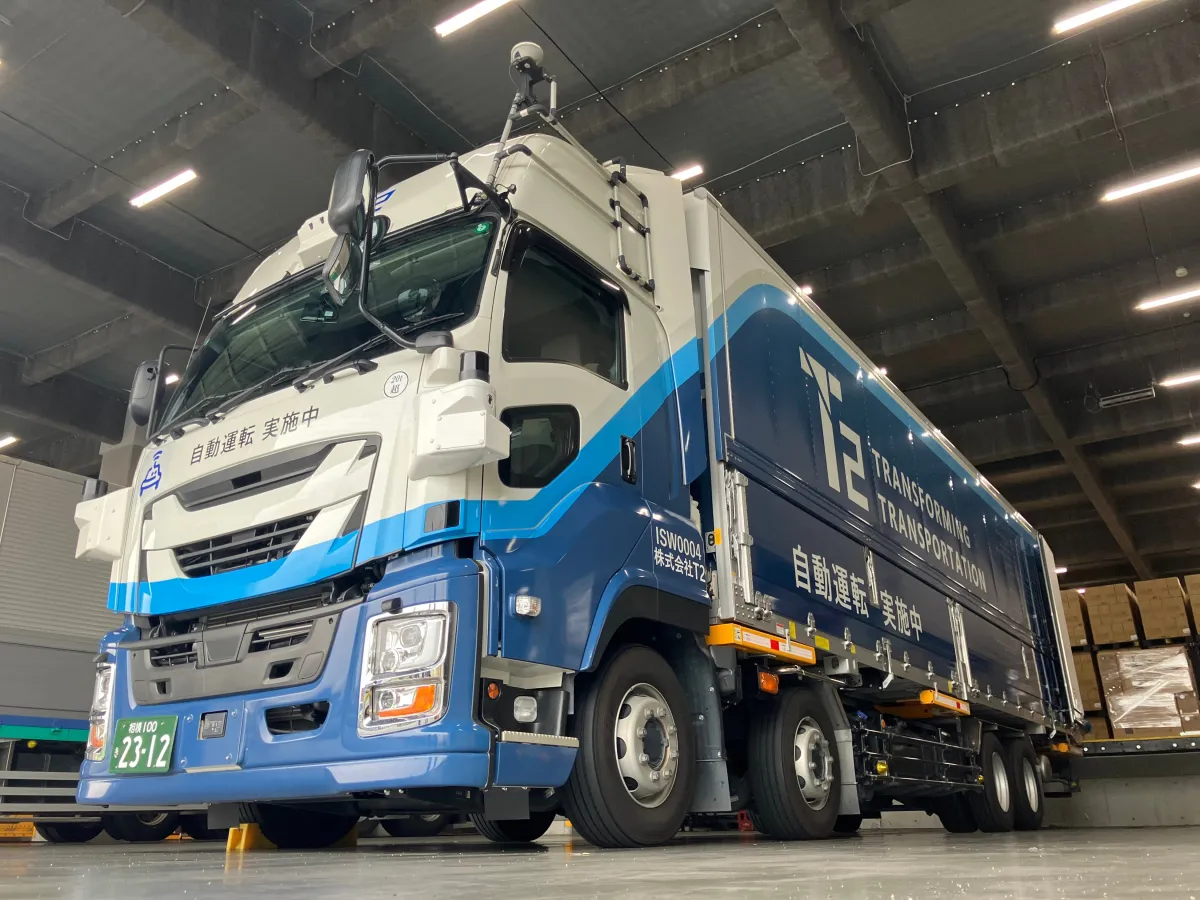
Seven-Eleven and T2 Launch Historic Autonomous Truck Delivery Trial in Japan
Pioneering the Future: Seven-Eleven's Autonomous Delivery Initiative
Japan's convenience store giant, Seven-Eleven Japan, is making headlines with its ambitious project to utilize autonomous trucks for long-distance deliveries. On this groundbreaking venture, Seven-Eleven, alongside partners Mitsui & Co. Distribution Group (MRG) and T2, aims to set the standard for logistics within the retail sector. This trial marks a significant milestone as it represents the first-ever use of autonomous trucks in the convenience store and supermarket industries for transporting goods across long distances on Japan's highways.
The Objectives of the Trial
From December 1, 2025, to April 2026, the companies will conduct the first real-world tests involving autonomous trucks on select routes connecting the MRG Saitama Center in Shiki, Saitama, to the MRG Kansai Center in Amagasaki, Hyogo. This initiative is not merely a technological experiment; it's a response to the acute driver shortage within Japan's logistics sector, compounded by increasing demands for efficient and sustainable delivery methods.
Innovative Fuel Solutions
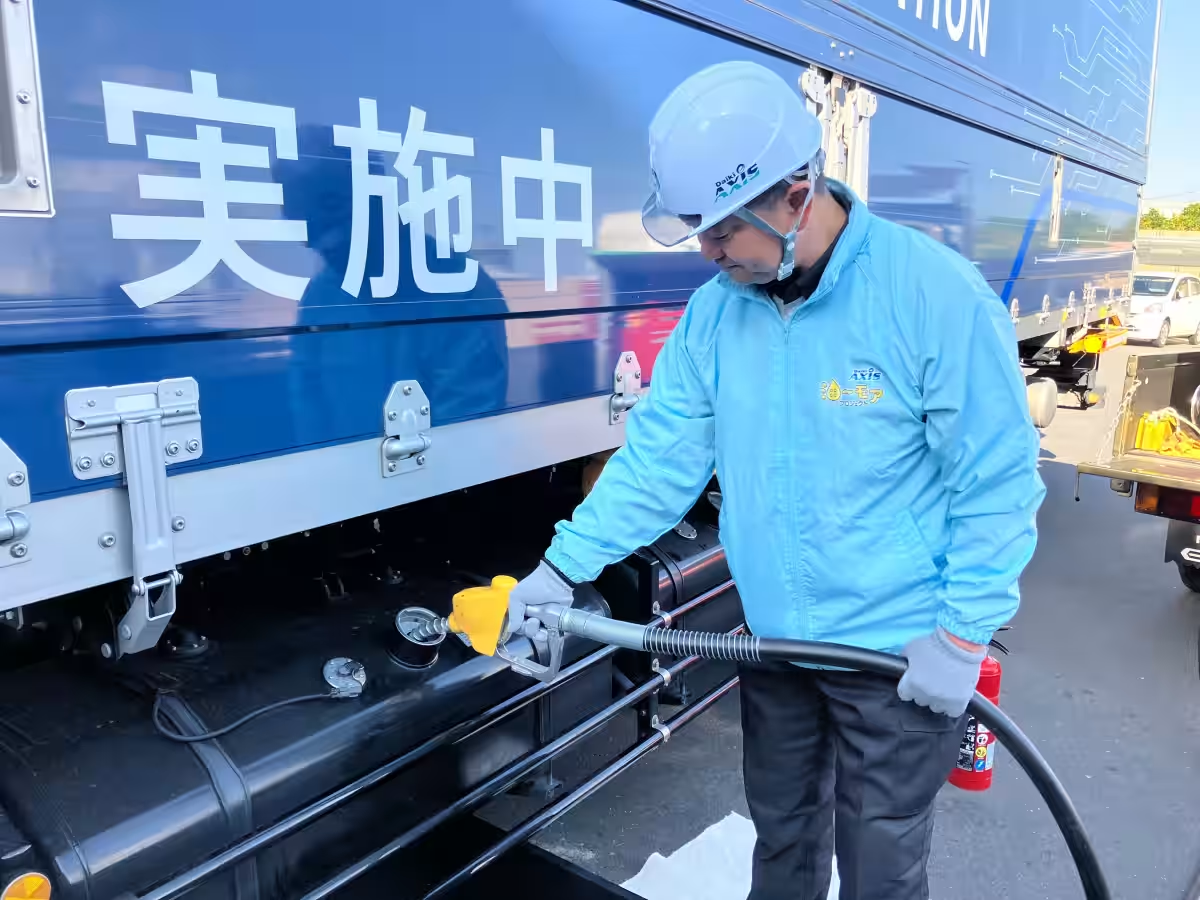
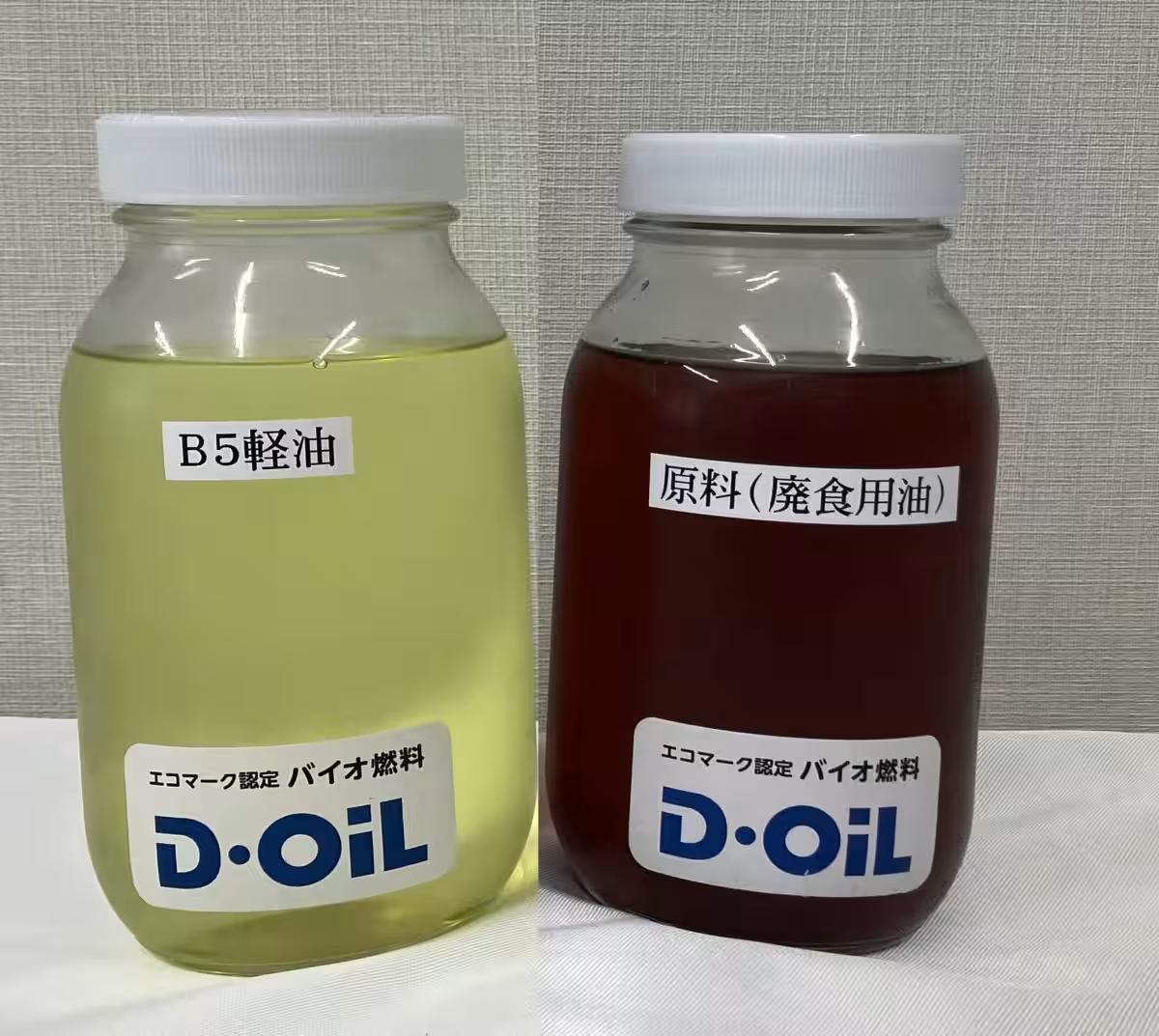
One of the standout features of this trial is its focus on sustainability. Seven-Eleven plans to incorporate biofuel derived from used cooking oil collected from local eateries and households into the trucks' fuel supply. This aligns with their ongoing commitment to a circular economy and aims to reduce carbon emissions while addressing the dual challenges of labor shortages and environmental impact. By blending this biofuel with conventional diesel, a product dubbed B5 diesel will be tested as part of the delivery process.
The Roles of Each Partner
- - Seven-Eleven will oversee the trial’s themes and supply the products, particularly focusing on their private label line, Seven Premium.
- - MRG will be responsible for logistics coordination, including the loading and unloading of goods, as well as managing the operational schedule and other logistics functions.
- - T2 will provide the autonomous trucks, handle the collection and analysis of driving data, and manage the technological verification processes.
Expected Route and Logistics Management
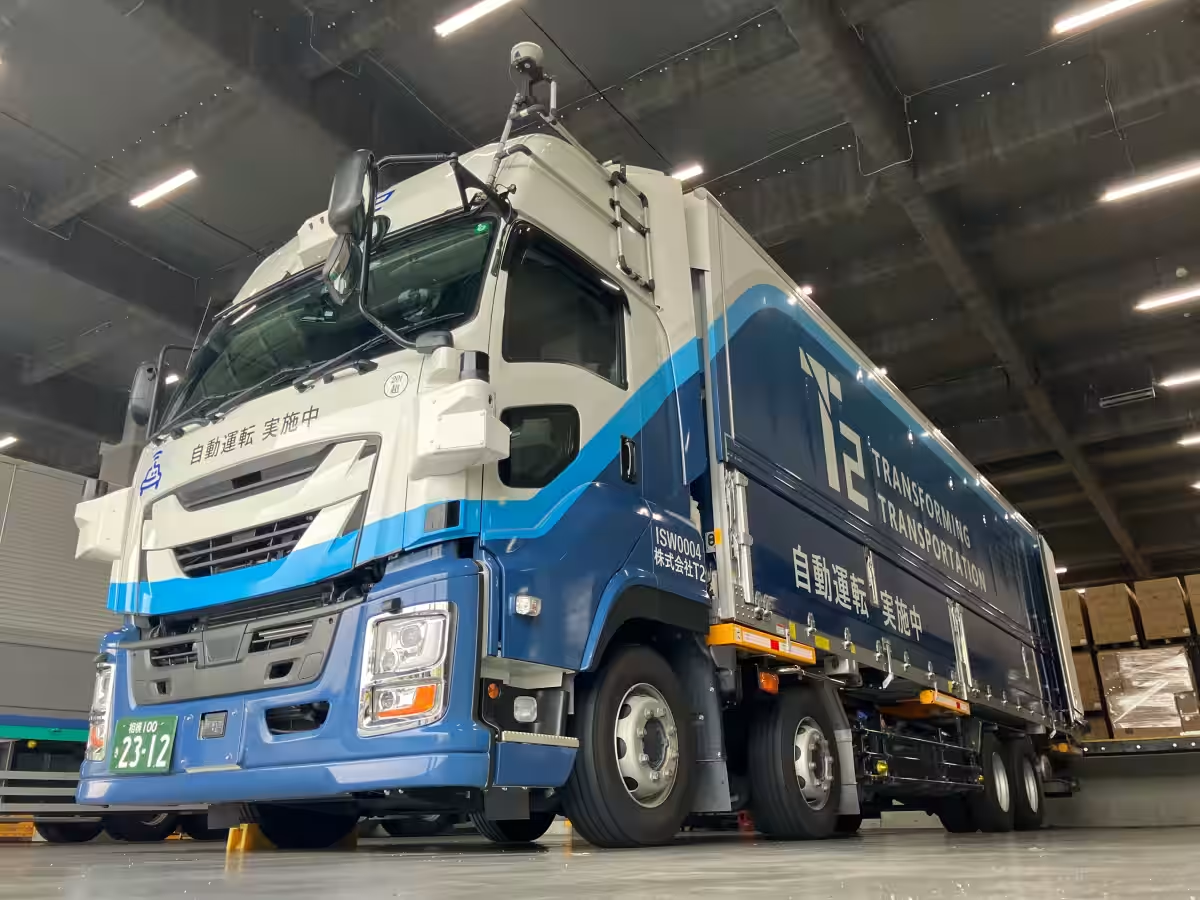
The delivery will take place on specific highway stretches, characterized by level 2 autonomous driving capabilities. This is crucial as T2 aims to launch level 4 autonomous trucking services by 2027. The initial trials will employ trucks that are already in commercial operation since July 2025 but are classified under level 2 automation. The ultimate goal is to validate both the feasibility of long-distance travel via autonomous vehicles and the delivery time efficiency of autonomous operations.
Enhancing the Supply Chain through Technology
The autonomous trucks will carry various Seven Premium products, including pantry staples such as instant miso soup, kitchen towels, and tissues. The trial aims to evaluate how the integration of autonomous vehicles can streamline supply chains and reduce delivery times while maintaining reliable service.
Environmental Considerations
Reflecting a commitment to eco-friendly logistics, the three companies will also assess if the characteristics of T2’s autonomous trucks can support long-haul deliveries with minimal environmental impact. This includes facility improvements at the switching hubs where transitions between autonomous and human-driven operations occur.
Conclusion
By embarking on this landmark initiative, Seven-Eleven, along with MRG and T2, is setting a precedent for future logistics in Japan. The potential for increased efficiency and sustainability in the supply chain presents an exciting outlook for the convenience store and broader retail sectors. As they progress, further trials will likely pave the way for heightened adoption of autonomous vehicles in commercial logistics, culminating in safer, more efficient transport solutions that align with contemporary environmental standards.

Topics Consumer Products & Retail)
【About Using Articles】
You can freely use the title and article content by linking to the page where the article is posted.
※ Images cannot be used.
【About Links】
Links are free to use.