



Creating a Customer-Friendly Soundscape for Luxury Brands by 2026
Creating a Customer-Friendly Soundscape for Luxury Brands by 2026
In 2026, a revolution in sound design for luxury brands is set to emerge, focusing on enhancing customer experiences through expertly crafted soundscapes. Recommended by the Grammy Awards’ Recording Academy, renowned music producer Ikui Minato has started offering customized audio solutions aimed at fulfilling the aesthetic needs of high-end brands while also promoting sensory wellness.
The Importance of Sound in Brand Experience
While visual elements such as logos, interior designs, and lighting are essential, sound is often overlooked. However, sound reaches the human brain faster than any visual cue, making it a crucial component of brand experience. Many brands struggle to effectively utilize sound, posing challenges such as:
- - Inability to find music that aligns with brand identity
- - Short customer dwell time in physical spaces
- - Sensory complaints from customers with auditory sensitivities
Recent studies in cognitive science about the priming effect establish a direct link between the sound environment and consumer behavior, affirming that aligning sound with the shopping experience significantly impacts customer satisfaction and duration of stay. This project merges music, technology, and wellness to translate brand materials, colors, and narratives into sound, creating a consistent sensory experience that amplifies immersion and aids in memory retention, ultimately leading to differentiating brands in the competitive luxury market.
International Examples of Effective Sound Environments
A growing number of brands are realizing the importance of a well-designed audio landscape. In the U.S., retail giant Walmart has initiated 'Sensory Friendly Hours' in November 2023 across all stores. This allows specific hours where background music and announcements are muted, and lighting is dimmed to create a welcoming shopping experience for individuals with sensory sensitivities, presumed to make up 15-20% of the population. Expert analysis has shown that a calmer shopping environment increases both time spent in-store and overall purchase volume.
Lessons from Neurodiversity in Sound Design
The 2026 initiative emphasizes 'Sound Wellness' as a fundamental element in luxury space design. Ikui Minato's approach to sound design considers neurodiversity. Research shows that 50-70% of individuals on the autism spectrum experience auditory hypersensitivity, making intrusive background music a barrier to enjoying public spaces. Thus, the goal is to create soundscapes that are inclusive and calming without overshadowing the brand's narrative.
Why This Soundscape Is ‘Fatigue-Free’
Four key innovative approaches to sound engineering make these soundscapes beneficial:
1. Optimal Frequency Balance: The human ear is most sensitive to sound frequencies between 3-8kHz. By optimizing these sound frequencies, the audio quality remains pleasant over extended periods.
2. Sound Masking Technology: Total silence can be uncomfortable for those with sensory sensitivities. By employing sound masking, unpleasant noises are gently covered, creating an environment of comfortable sound rather than silence.
3. Dynamic Sound Design: Sudden changes in volume are minimized, avoiding stifling natural sound dynamics while providing a harmonious flow that makes customers feel at ease.
4. Acoustic Space Design: By considering the characteristics and placement of speakers, a three-dimensional sound field is created, reducing auditory fatigue and ensuring a pleasant listening environment.
Producer’s Vision: Connecting Through Sound
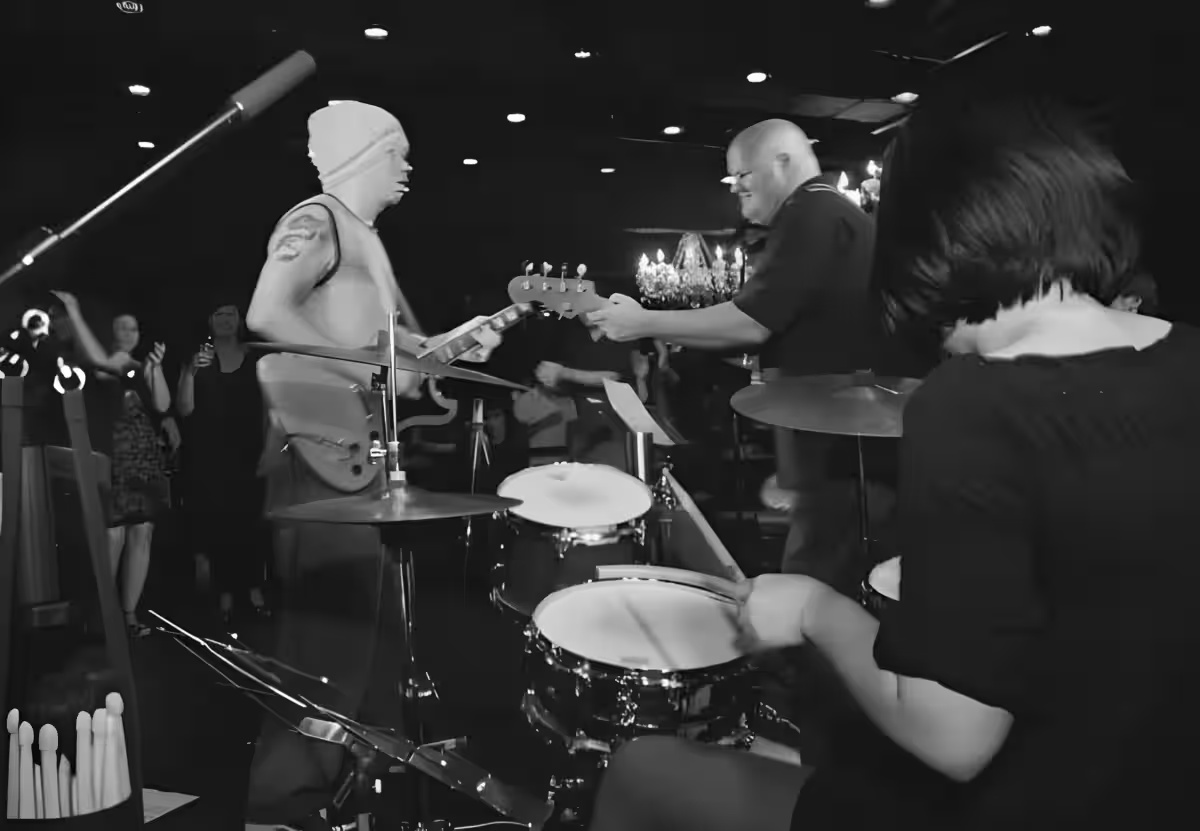
Ikui Minato, a music producer residing in the U.S., brings a wealth of experience from performing live with artists in over 60 countries. Balancing his work as an audio engineer and a drummer, he has developed a unique perception of sound and its effects on human emotions, especially concerning those with auditory sensitivities. Through his work, he aims to build environments where everyone can feel at home, promoting peace and comfort through sound.
Notable Case Studies
1. NY Textile Month and Kurume Kasuri: A collaboration involved integrating traditional weaving sounds into contemporary Lofi House beats to create a track that resonates with today’s audience while honoring Japanese textile history.
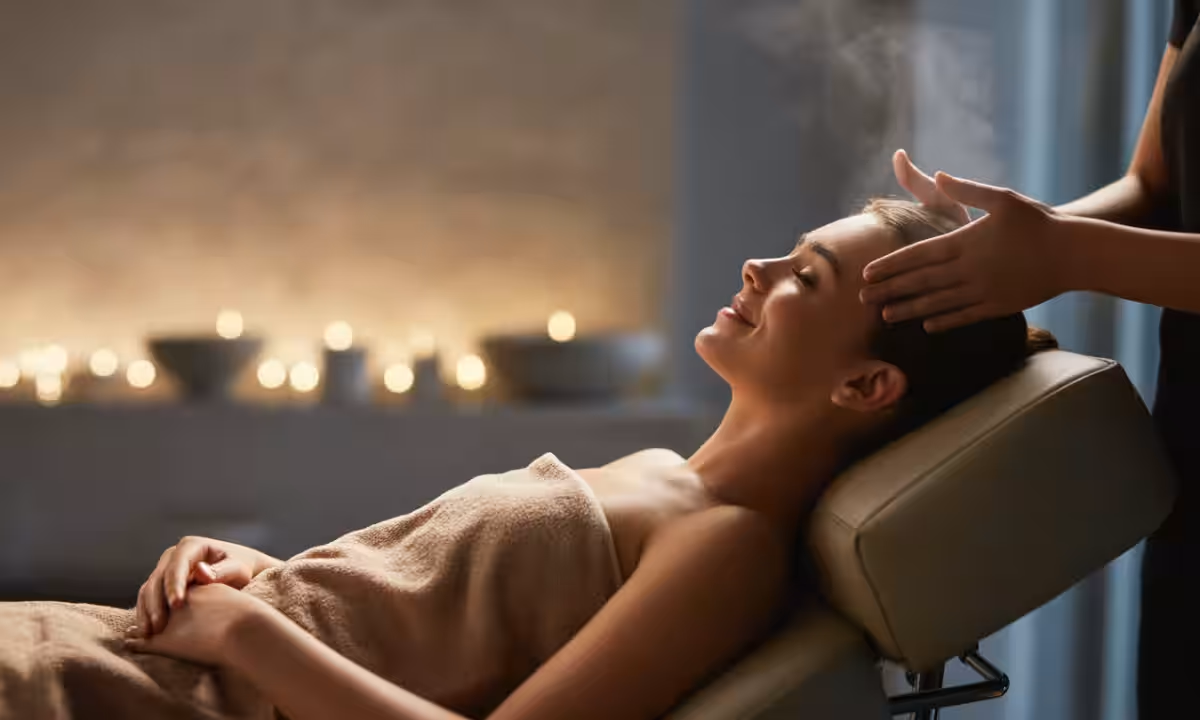
2. Mitsukoshi Isetan's Head Spa: The sound design incorporated African musical grooves to promote relaxation while masking background noise effectively, leading to improved customer experiences.
Tailored Solutions to Meet Your Needs
This sound initiative offers three plans based on budget and purpose:
- - Stock Music Licensing: For those looking to reduce initial costs, ready-made playlists are available immediately.
- - Semi-Custom Solutions: Tailored arrangements based on existing tracks to suit specific spaces.
- - Full Custom Productions: Fully bespoke sound narratives that align with unique brand identities, available approximately one month post-contract.
Conclusion: Towards a Sensory-Receptive Future
Starting from December 30th, consultations for sound installations will be available for new openings in Spring 2026. As sensory-friendly soundscapes become integral to commercial spaces, the possibility for brands to deepen their connection with customers through thoughtfully designed auditory environments expands tremendously. This initiative highlights that with the right sound, every space can evoke a sense of relaxation and belonging.




Topics Consumer Products & Retail)




【About Using Articles】
You can freely use the title and article content by linking to the page where the article is posted.
※ Images cannot be used.
【About Links】
Links are free to use.