



Is the Demand for Customized Products Truly on the Rise? Insights from a Recent Survey
Increasing Demand for Customized Products: A Generational Survey
The landscape of consumer preference is ever-evolving, and customized products have gained considerable attention in recent years. Plus One International, a prominent manufacturer and seller of original apparel and goods based in Takamatsu City, Kagawa Prefecture, conducted a thorough survey involving 1,049 participants aged between their 20s and 60s to assess their interest in customization services. This article dives into the findings, shedding light on how different generations perceive and engage with customization.
Survey Overview
- - Survey Period: August 18-19, 2025
- - Methodology: Internet survey by PRIZMA
- - Participants: 1,049 individuals aged 20 to 60
- - Conducted by: Plus One International
- - Monitoring Provider: PRIZMA Research
Key Findings: Interest in Customization
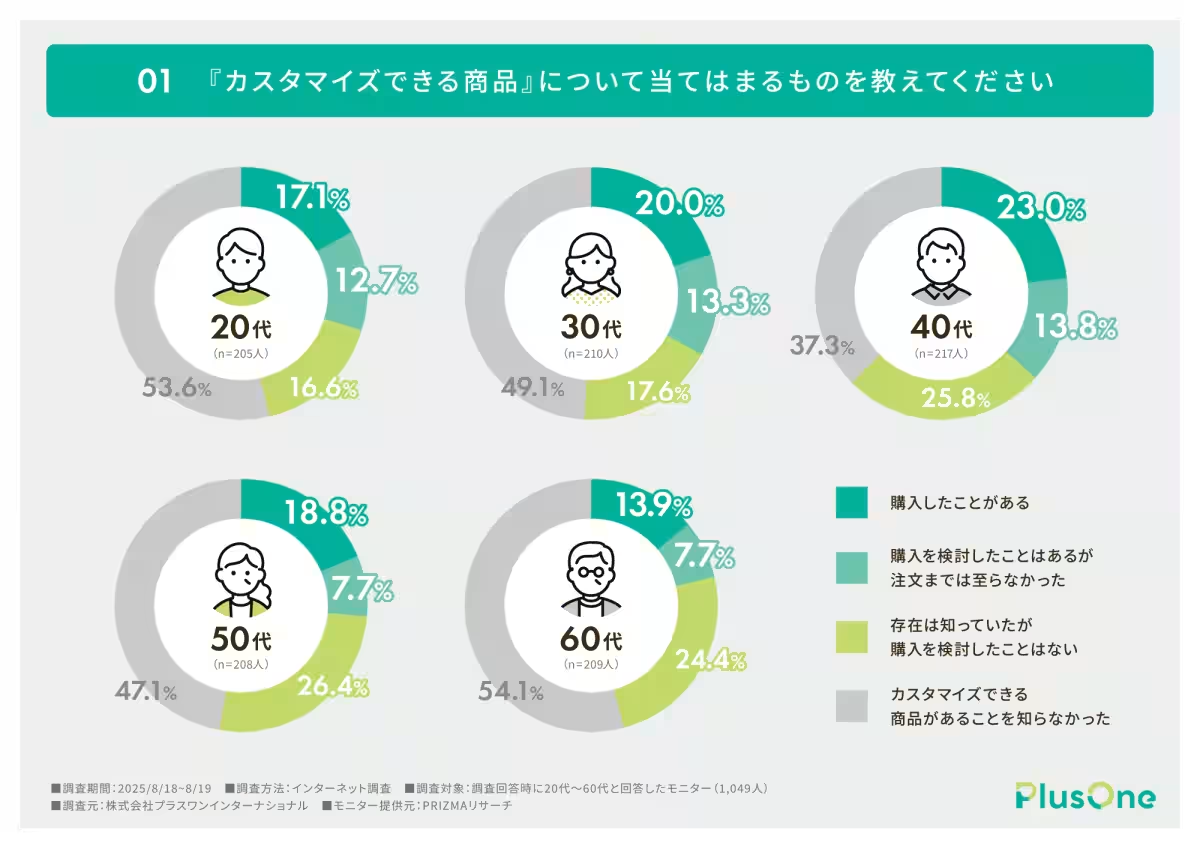
According to the survey, interest in customized products varied substantially across different age groups. Notably, 36.9% of participants in their 40s have purchased or considered purchasing customizable items, making them the most engaged demographic. Following closely were individuals in their 30s at 33.3% and those in their 20s at 29.8%. In stark contrast, only about 20% of participants over 60 expressed similar sentiments, indicating a clear generational divide in both awareness and usage.
Customization Trends Across Generations
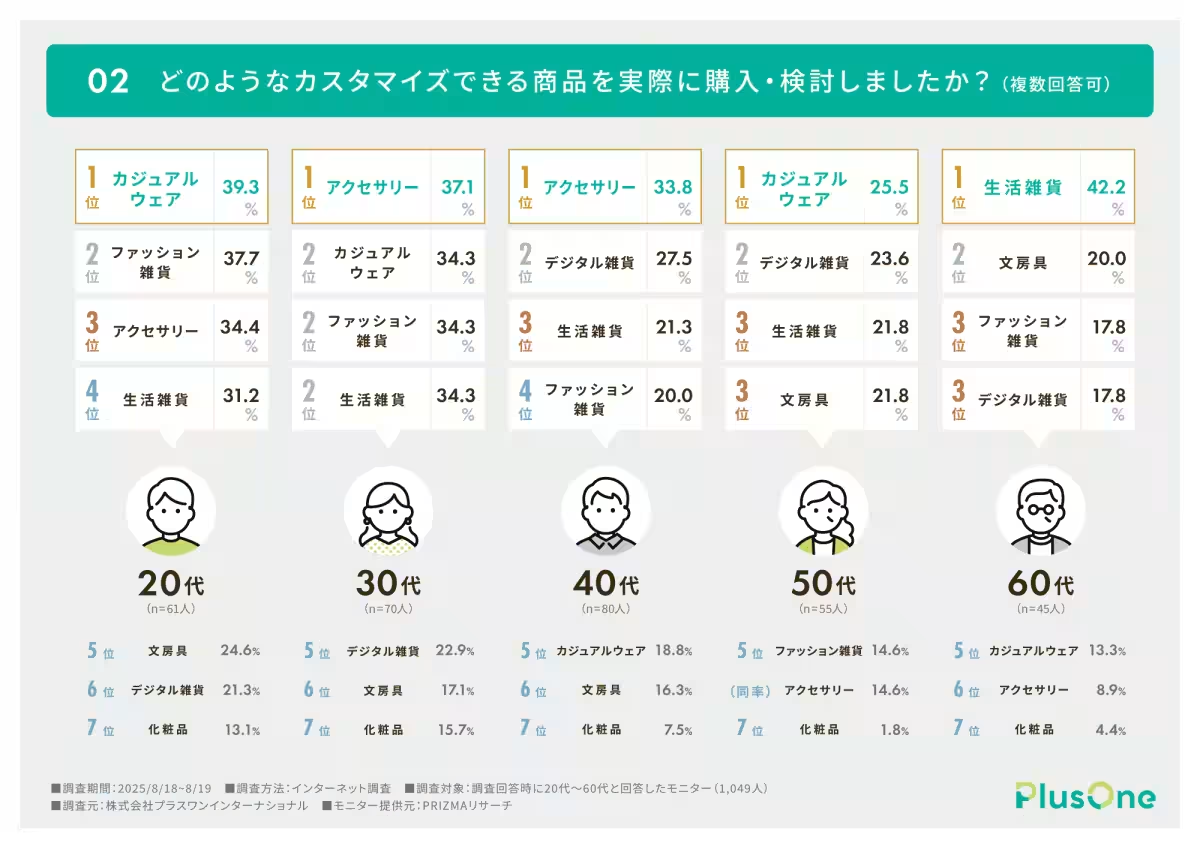
When participants were asked about the types of customizable products they had considered, fashion items dominated among those in their 20s to 40s. Particularly, casual wear, fashion accessories, and miscellaneous fashion items were frequently mentioned. In contrast, individuals in their 50s and older expressed greater interest in customizing household goods and stationery.
Digital items such as smartphone cases also captured significant interest across all age groups. This demonstrates a broad appeal for practical and stylish customizations in daily-use items.
Preferred Customization Methods
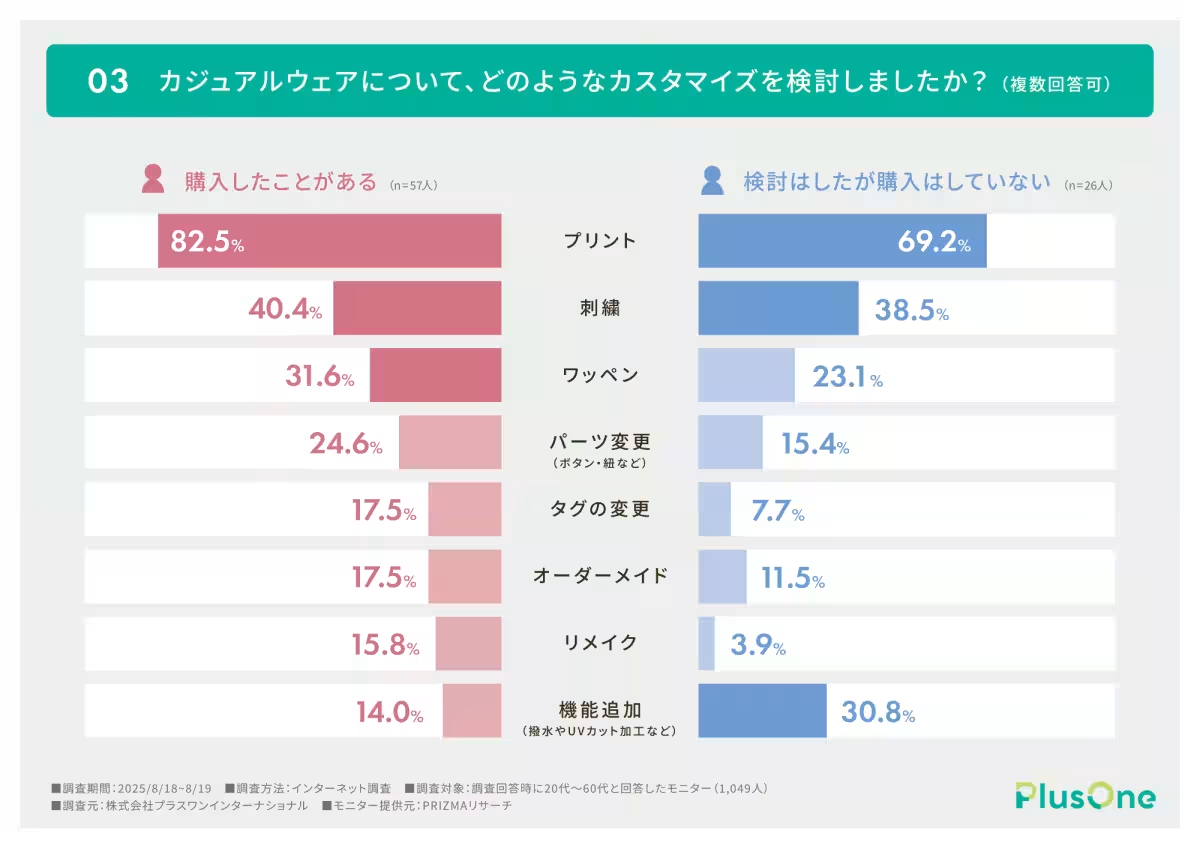
Among those who have experience with customizable apparel, a stark preference emerged for options like printing and embroidery. While many had contemplated enhancing features with water-repellent or UV-protective coatings, the actual purchase rates for these enhancements were lower. It is clear that the potential for personalization in wearable items is a key consideration for many consumers.
Specific Preferences in Customization
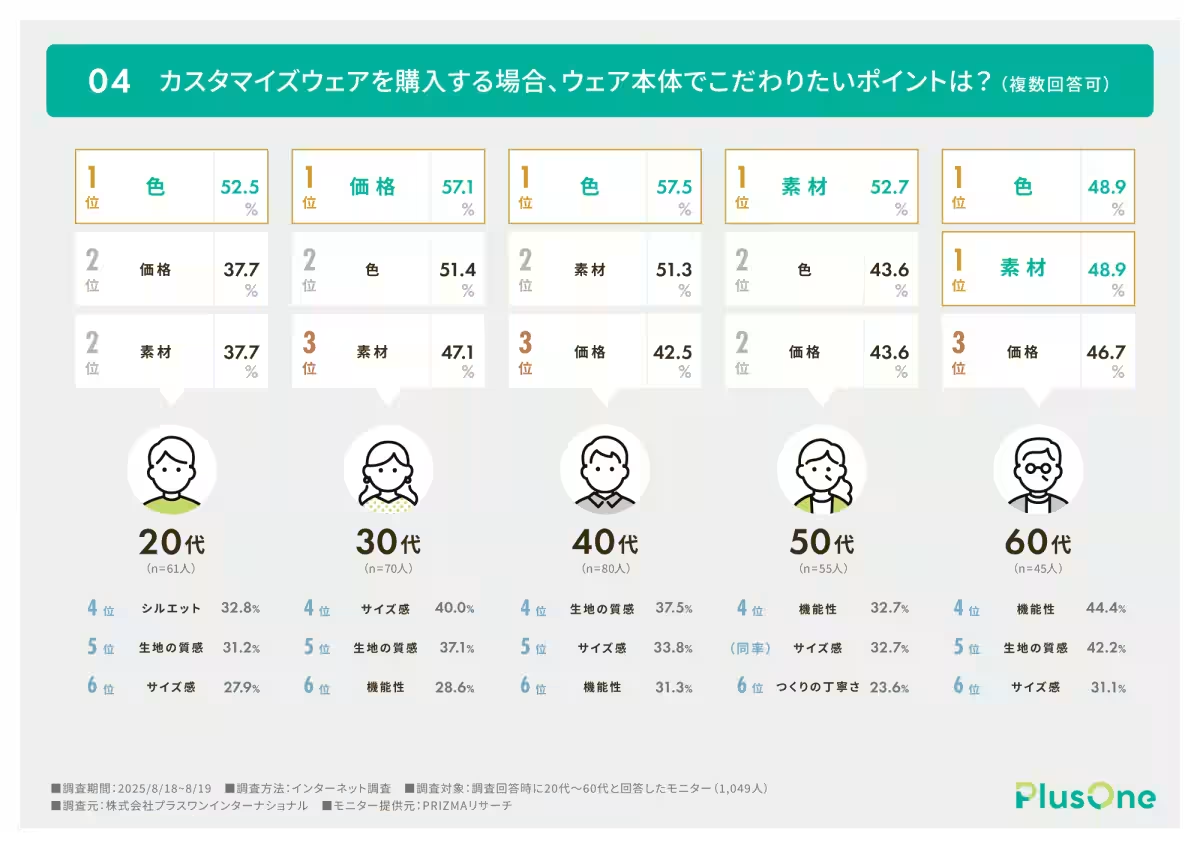
When asked about preferred features in customizable apparel, participants prioritized color, material, and price. Interestingly, while both younger adults (20s) and those in their 40s emphasized color, the middle-aged demographic (30s) focused more on price, and participants over 50 prioritized material quality. This nuanced perspective highlights the diverse needs and expectations across age groups.
Pricing Perception for Customizable Items
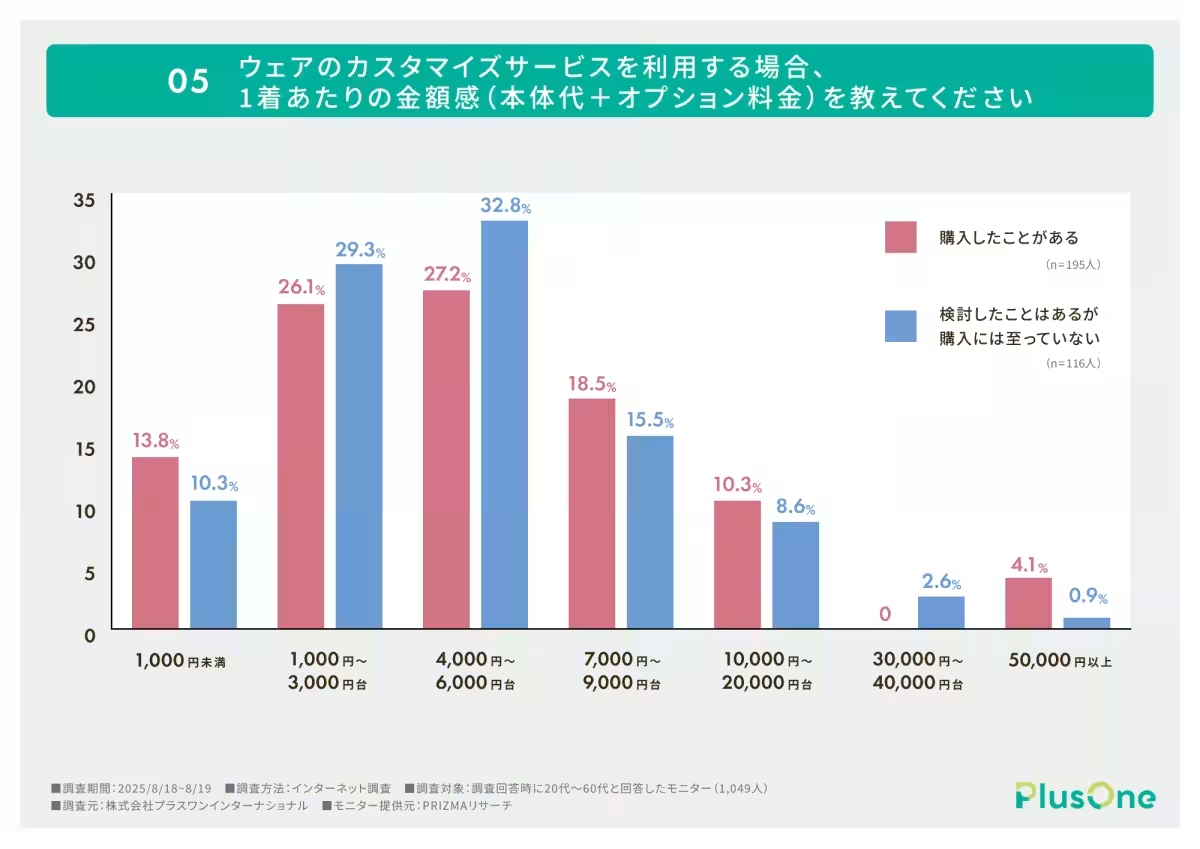
The survey found that most respondents expected a price range of 4,000 to 6,000 yen for customizable clothing, with a secondary group expecting prices between 1,000 and 3,000 yen. This demonstrates a willingness across generations to invest in personalized items, provided they align with their budgetary constraints.
Demand for Flexible Customization Options
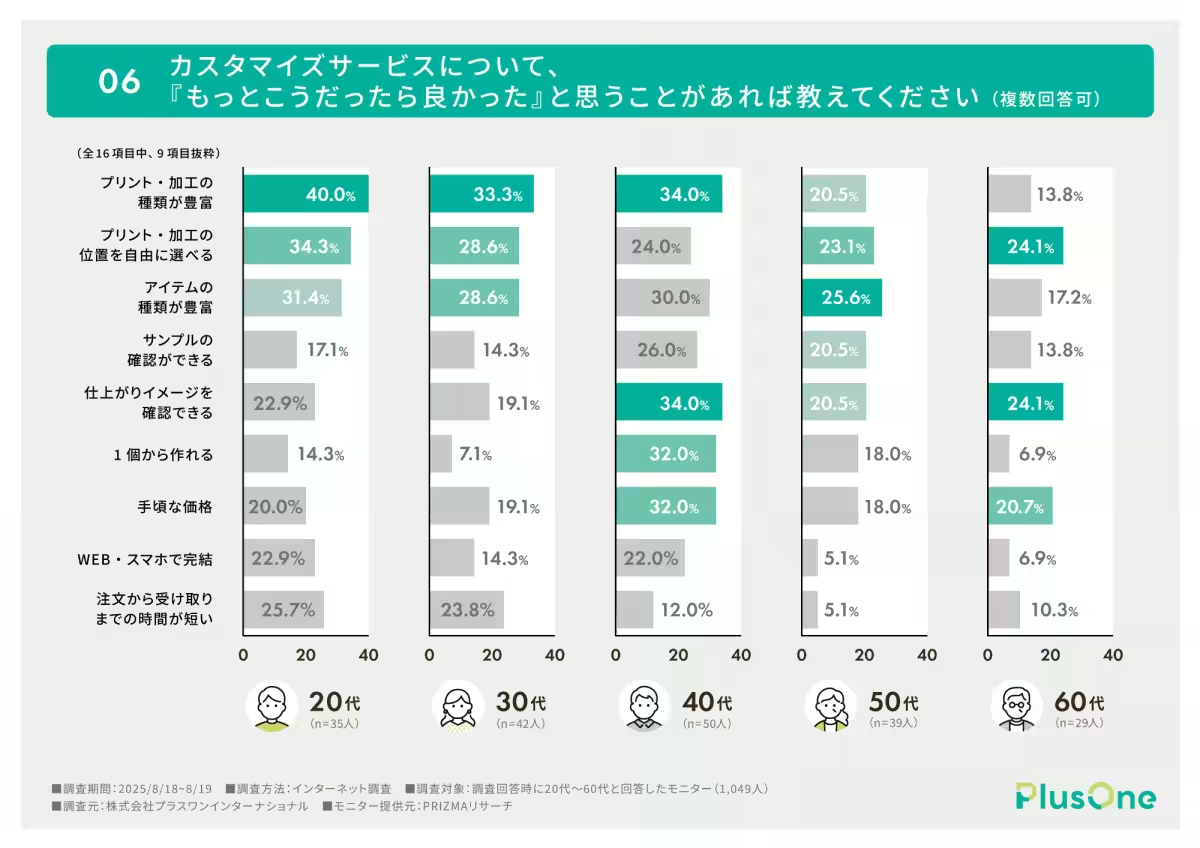
Further probing into customer experiences revealed desires for greater flexibility in customization. Many respondents desired a wider variety of printing and processing options, as well as the ability to select the placement of designs freely. Additionally, there was a desire for pre-purchase visualizations to alleviate anxieties about the final product.
The Importance of Accessibility
Younger generations, particularly those in their 20s and 30s, expressed hopes for faster processing times and the ability to finalize their orders via mobile or web platforms. The emphasis on speed and accessibility underscores the modern consumer's demand for convenient solutions.
Investigating Non-Users of Customization
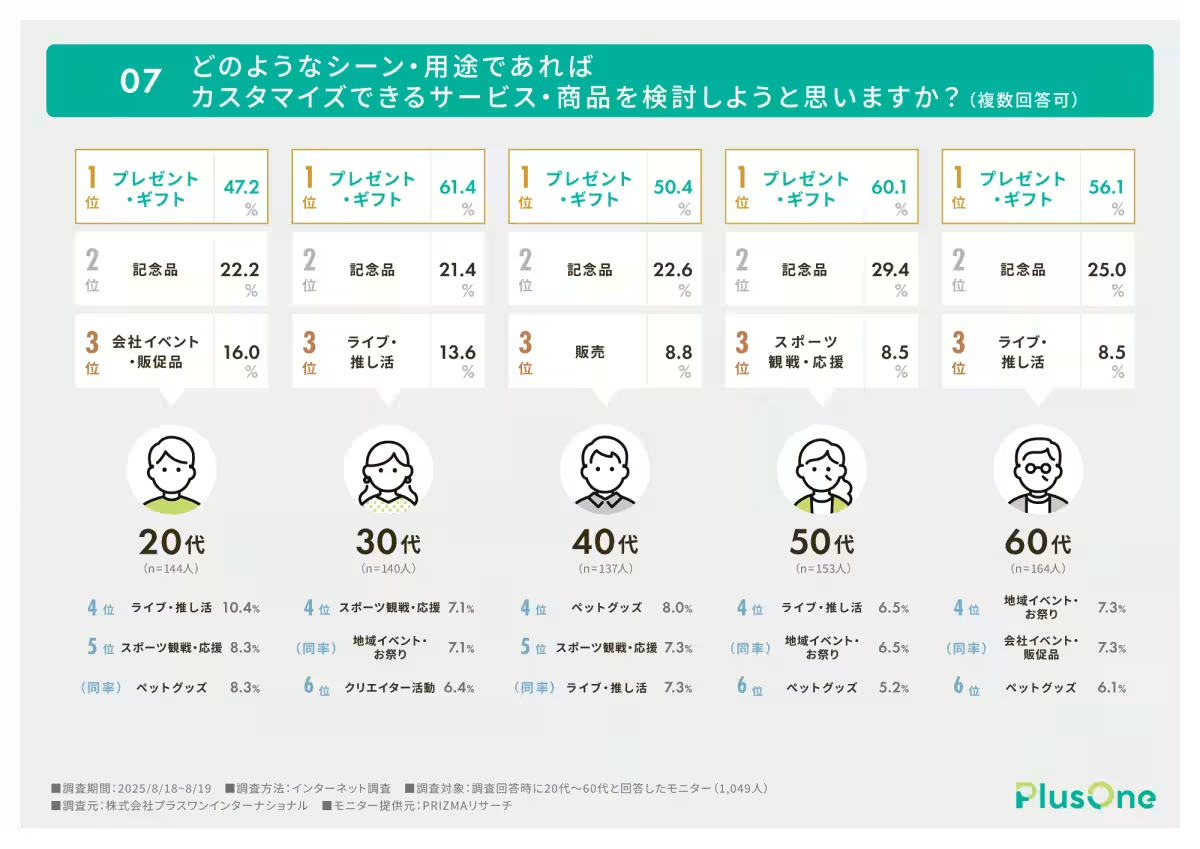
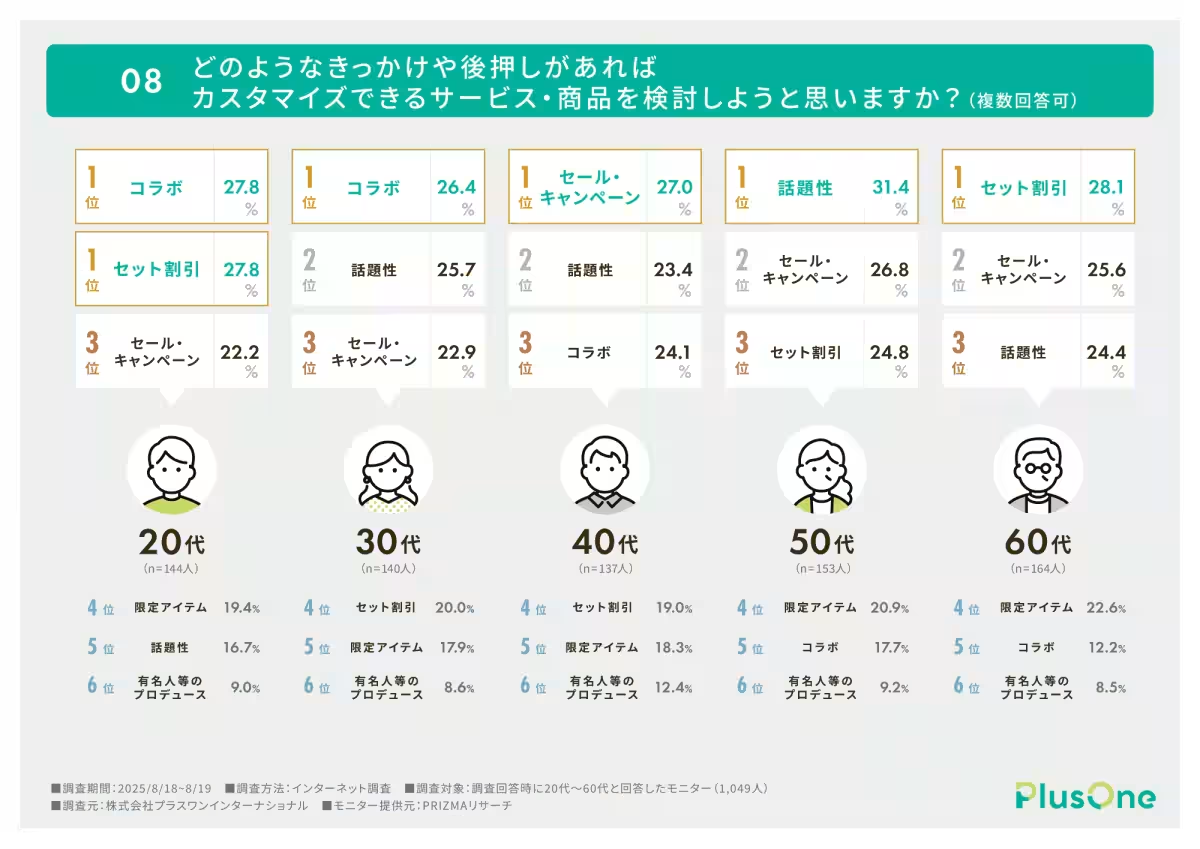
Interestingly, those who had never purchased customized products identified gift-giving as a primary context where they might consider engaging with such services. This trend highlights the potential of customized items being seen as thoughtful, unique gifts. Participants noted promotional activities or discounts as motivating factors for their engagement in customization, with younger respondents being particularly influenced by collaborations, while older individuals were swayed by buzzworthy trends.
Balancing Preferences Between Users and Non-Users
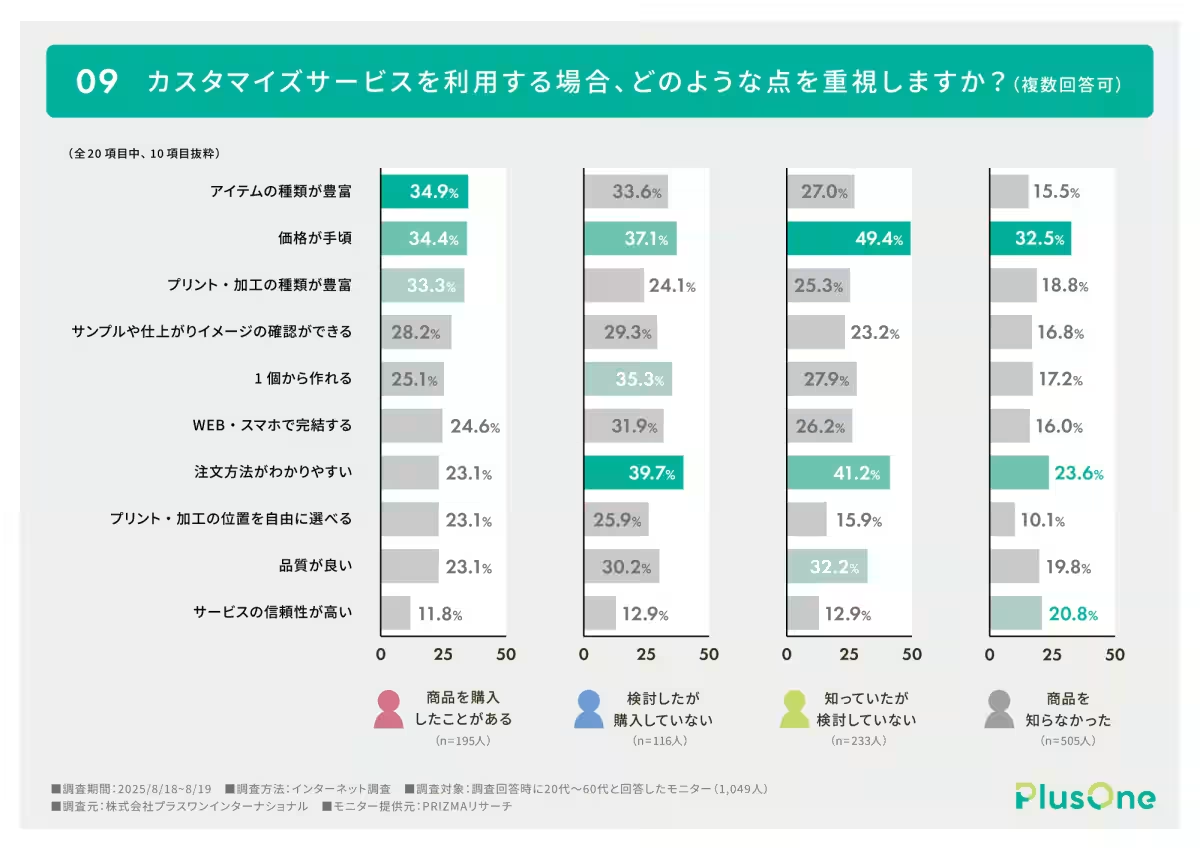
The survey further elucidated that while experienced users prioritize customization freedom and variety, non-users gravitate toward straightforward ordering processes. This highlights an important market dynamic where educating potential customers on the ease and benefits of customization could enhance engagement.
Future Interest in Customization
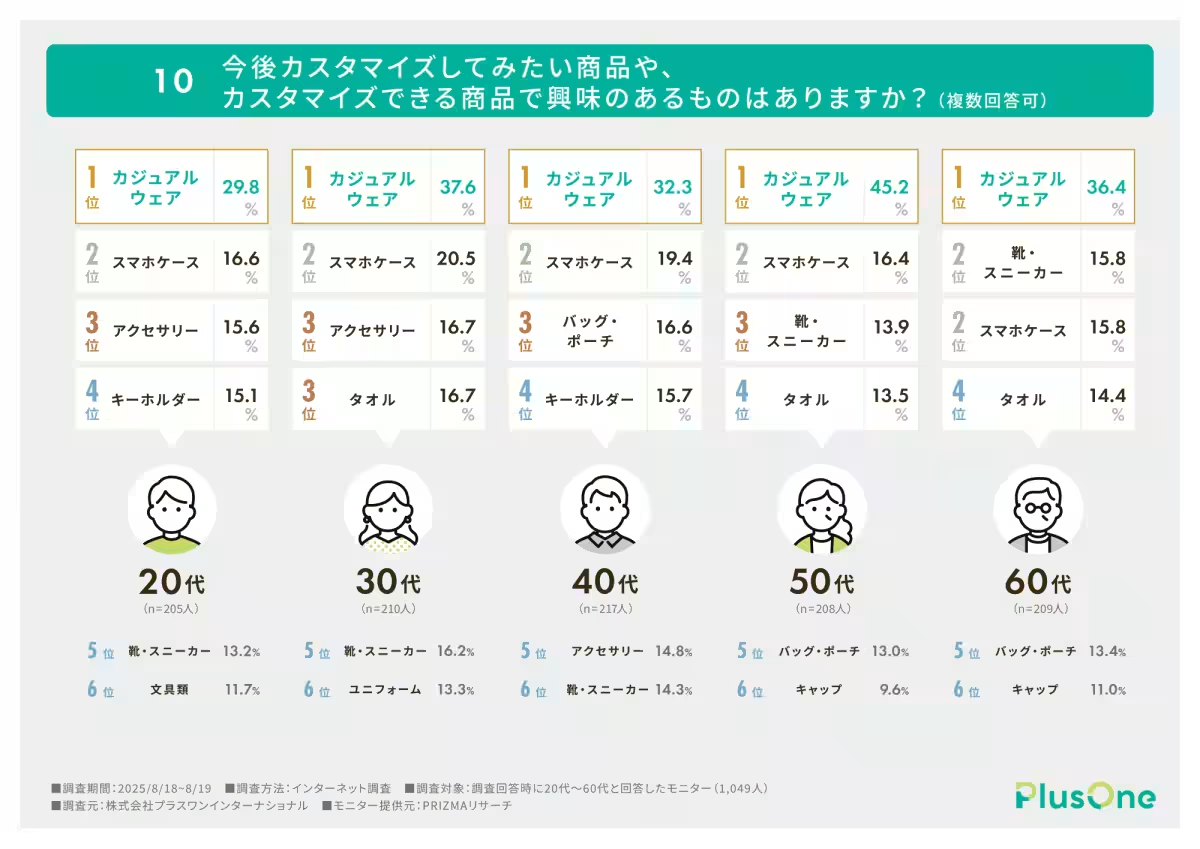
When inquiring about what items respondents would like to customize in the future, casual wear items like t-shirts and hoodies topped the list across all demographics. Personalized phone cases were also a popular choice, suggesting a strong inclination toward customizing everyday items for personalized usability.
Conclusion
In summary, this comprehensive survey showcases that while interest in customized products is indeed escalating, it varies significantly across generations. Fashion items capture the imagination of younger consumers, whereas practical goods appeal more to older demographics. Critical feedback on customization services suggests enhancements in flexibility and accessibility would welcome a broader audience, potentially capitalizing on the gifting potential that this market holds. With strong future interest in customizable casual wear and digital accessories, companies like Plus One International are positioned to leverage these insights strategically to meet evolving consumer preferences.
Topics Consumer Products & Retail)
【About Using Articles】
You can freely use the title and article content by linking to the page where the article is posted.
※ Images cannot be used.
【About Links】
Links are free to use.