




Exploring the Human-like Behaviors of Pets: Insights from PS Insurance
Understanding Our Pets: Human-like Traits Uncovered
In a recent survey conducted by Pet Medical Support Co., Ltd., which operates PS Insurance, insights into the human-like behaviors of our beloved pets were explored. The survey, which involved 1,871 pet owners aged between 20 to 69, sought to understand how pet owners perceive the behaviors of their dogs and cats as reflective of human characteristics. With 397 valid responses collected, the findings offer a deep dive into the emotional lives of our furry friends.
Survey Overview
- - Period: March 5, 2026 (1 day)
- - Target: Pet owners aged 20 to 69 across the nation
- - Method: Internet research
- - Valid responses: 397 (out of 1,871 participants)
Key Findings on Human-like Behaviors
Human-like Traits in Dogs
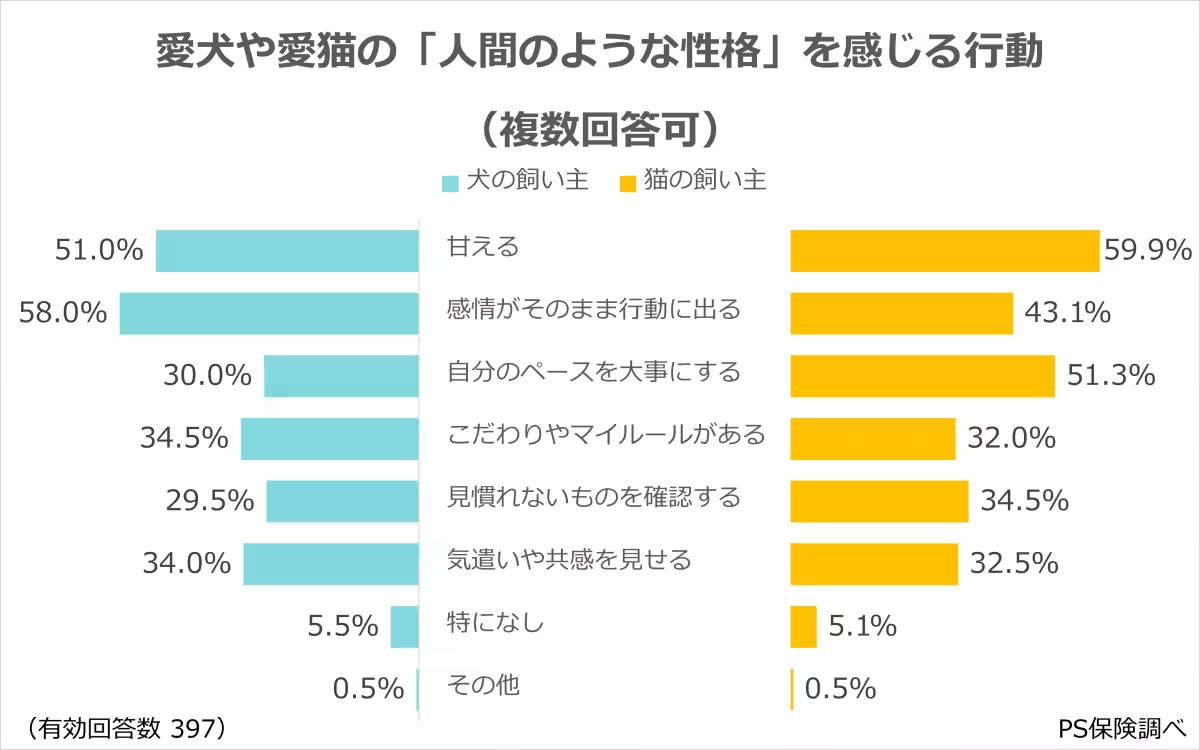
The survey revealed that 58% of dog owners believe their pets exhibit behavior directly reflecting emotions. This means that if a dog is happy, they rejoice wholeheartedly, but if they're upset, they might ignore their owner entirely. This immediate expression of feelings prompts us humans to consider emotional honesty in our own lives.
Another significant finding was that 51% of respondents noted their dogs exhibit affectionate behaviors, showcasing the depth of their bond with their humans. Moreover, 34.5% of owners indicated that their pets have specific preferences or rules, indicating a personality that reflects both individualism and emotional intelligence. Only a small percentage (5.5%) felt their dogs did not exhibit human-like traits.
Human-like Traits in Cats
For cat owners, the common perception (59.9%) was again centered around affectionate behavior. Cats, often seen as independent or aloof, surprising their owners with their capacity for affection. However, 51.3% of respondents noted their cats prioritize their own routines, indicating a blend of independence with emotional reliance on their human companions.
Cats also showcased curiosity, with a notable percentage observing their feline friends’ engagement with new objects and their subtler, more nuanced emotional expressions. While dogs tend to show immediate emotional reactions, cats may balance their feelings with a more controlled demeanor, highlighting a fascinating difference between the two species.
Communication Skills of Pets
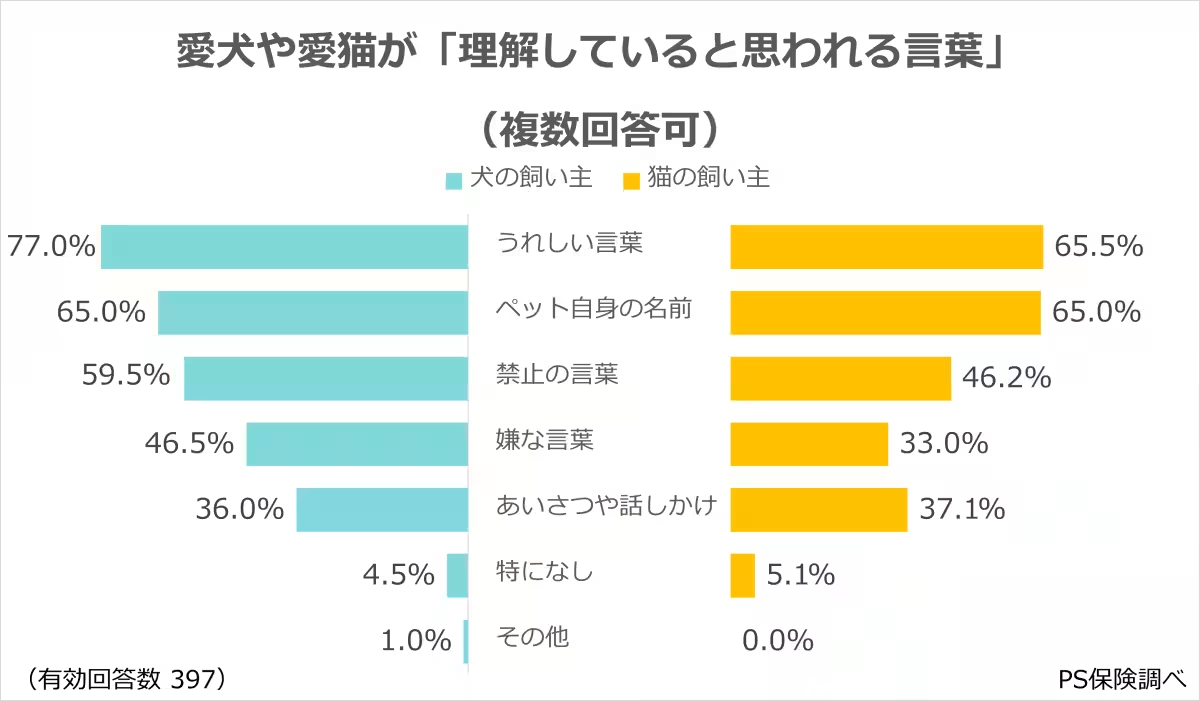
The study showed that a striking 77% of dog owners believe their pets understand 'happy' words such as those of encouragement or praise, while 59.5% noted that dogs could interpret words of prohibition. This insight suggests a substantial level of comprehension; dogs might not only hear the words but also connect them with emotions and actions.
In contrast, cats showed a slightly lower understanding, with 65.5% recognizing happy words and 46.2% responding to prohibitive language, raising questions about their selective hearing or emotional interpretation.
Expressiveness of Pets
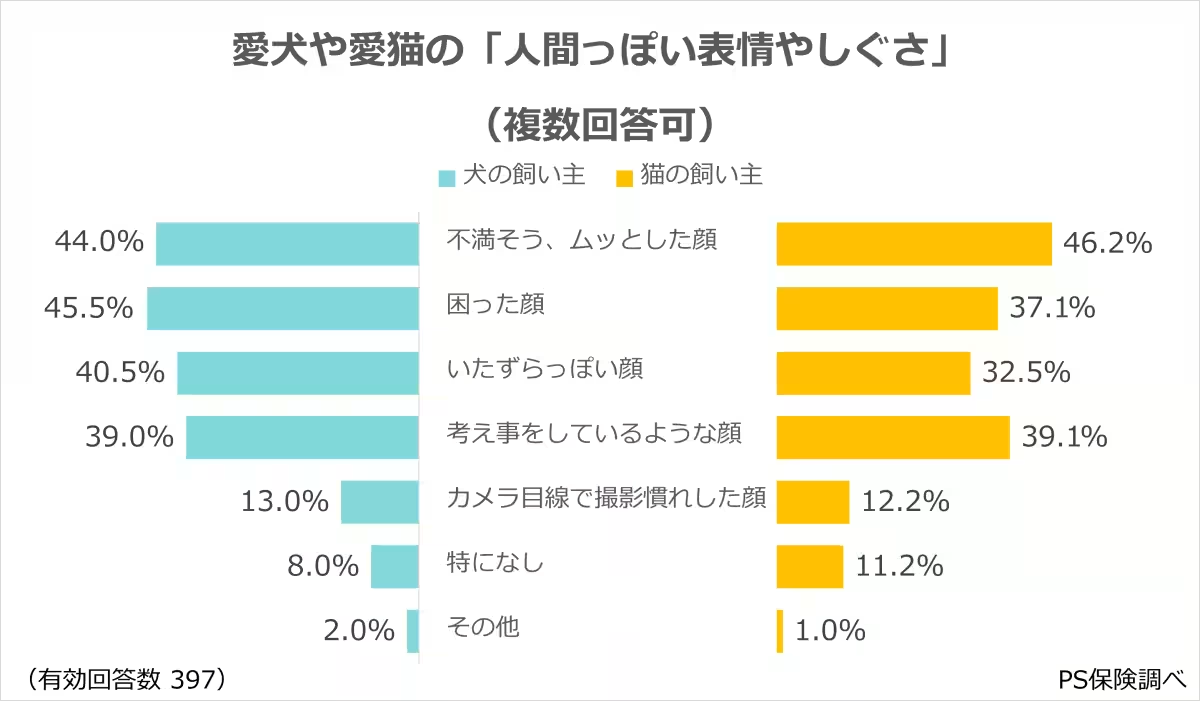
When it came to expressions, dog owners reported significant human-like expressions with many noticing their dogs had a range that included 'worried looks' (45.5%) and 'displeased faces' (44.0%). This suggests that dogs might have a developed emotional range that resonates with their owners, almost mirroring human experiences of joy and dissatisfaction.
For cats, the facial expressions were slightly different; 46.2% of owners admitted to seeing displeased expressions. Cats often maintain a certain superiority in their expressions, indicating a more reserved approach to emotional display, which contrasts starkly with the expressive nature observed in dogs.
Pet Habits Resembling Humans
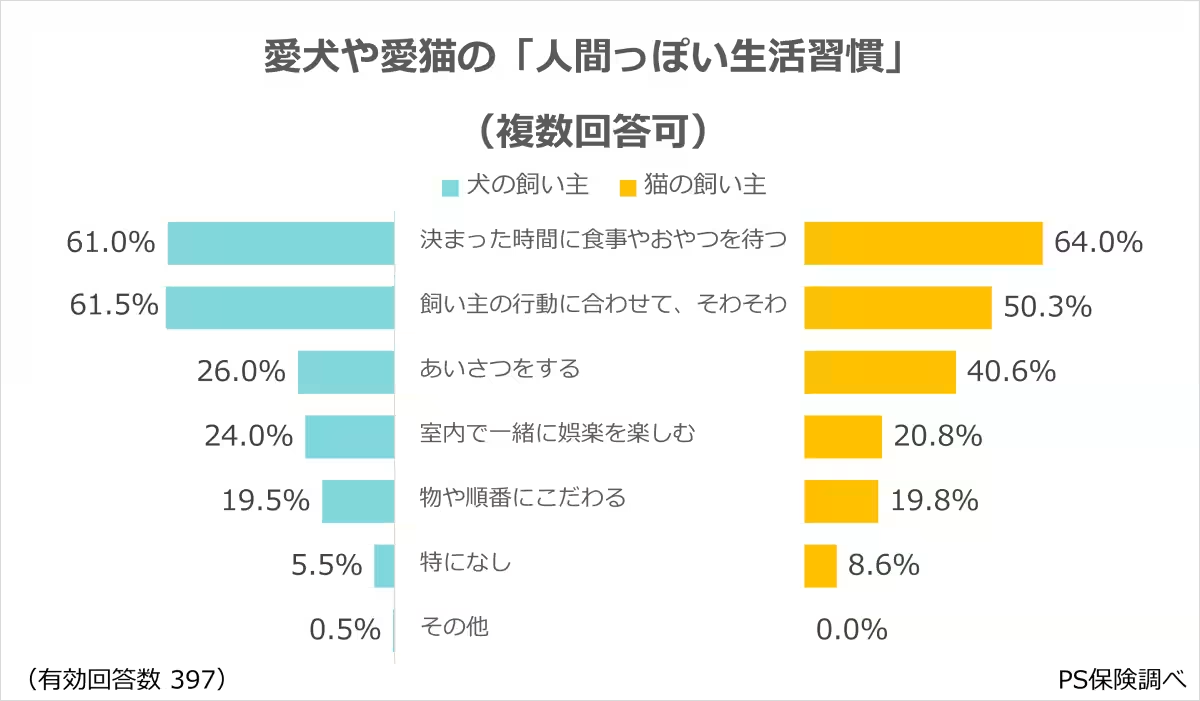
When exploring daily behaviors, 61% of dog owners expressed that their dogs are incredibly attuned to their routines, often synchronizing their feeding times and showing anxiety when out of sync. On the other hand, 64% of cat owners noted a similar punctuality regarding meal times, exhibiting an unexpected diligence that often contradicts common perceptions of feline behavior.
Interestingly, a major differential was observed in how both pets greet their owners; 40.6% of cats were reported to greet their owners at the door, outperforming dogs (26.0%) in straightforward social gestures, showcasing their inherent understanding of social norms.
Conclusion
Through this survey, both dogs and cats exhibited profound human-like qualities, not only in their expressions and emotional reactions but also in their ability to engage and adapt to their owners’ behaviors. These findings reveal a remarkable depth to our pets’ personalities, affirming that they are indeed integral members of our families.
In light of these insights, the need for quality care, including health coverage like that offered by PS Insurance, becomes evident. The ability to rely on professional veterinary support, available through the company’s ‘Veterinarian Dial’ service, is an essential aspect of ensuring the wellbeing of these cherished family members.
For more about the robust coverage options available through PS Insurance, please visit our website.

Topics Consumer Products & Retail)

【About Using Articles】
You can freely use the title and article content by linking to the page where the article is posted.
※ Images cannot be used.
【About Links】
Links are free to use.