



Exploring the New Trends of Urban Office Workers in 2026 on Smoking Area Signage Day
Urban Office Workers: Insights from the 2026 Trends Survey
On September 1st, recognized as "Smoking Area Signage Day," BREAK, a signage media centered around office smoking areas, in collaboration with KOSODO and News Technology, released a pivotal study titled "2026 Trends of Urban Office Workers." This year not only marks the anniversary of BREAK's five-year service but also highlights the shifting dynamics within the workspace as professionals navigate a post-pandemic landscape.
Increased Value of Office Time
The study comes in response to the notable return of employees to the office environment. According to the results from a survey conducted with 13,000 urban office workers, around 63.3% reported working in the office five days a week. The trends indicate that as companies adapt to a changing working style, including the rise of hybrid models, the importance of the physically engaging office space significantly increases. As BREAK extends its reach to 458 facilities with over 560 screens, approximately 7.2 million business professionals are engaged monthly, establishing its relevance in capturing vital consumer attention during crucial work breaks.
Key Insights from the 2026 Survey
The survey, focused not only on demographic data but also on spending habits and the utilization of cutting-edge technologies, uncovered several noteworthy findings:
1. Management Involvement and Decision-Making
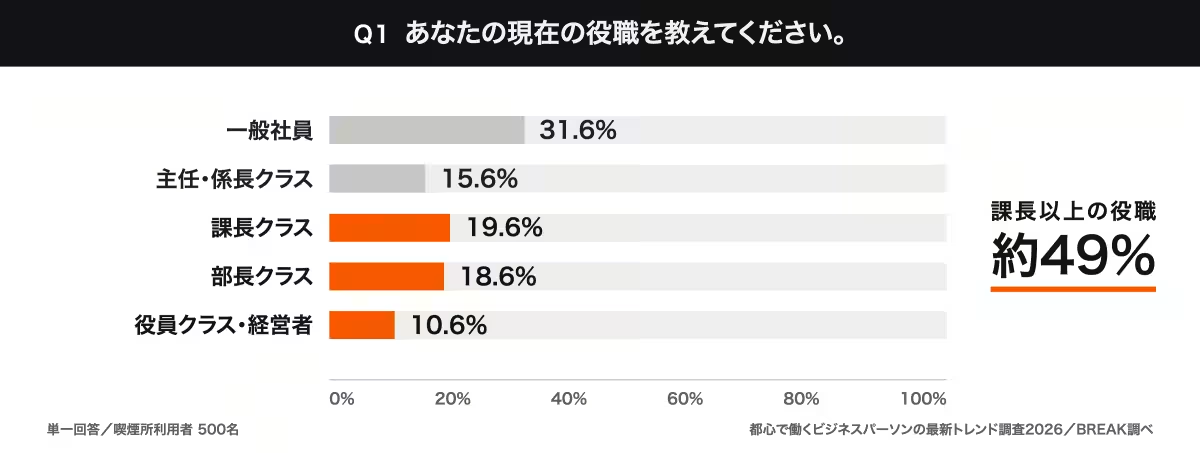
The results indicated that nearly 48.8% of smokers within the office context hold managerial positions. Impressively, 63.4% of surveyed individuals play a role in the procurement and implementation of products or services within their organizations, underlining the significant authority and influence this demographic has in corporate decision-making processes.
2. Health Consciousness Among Smokers
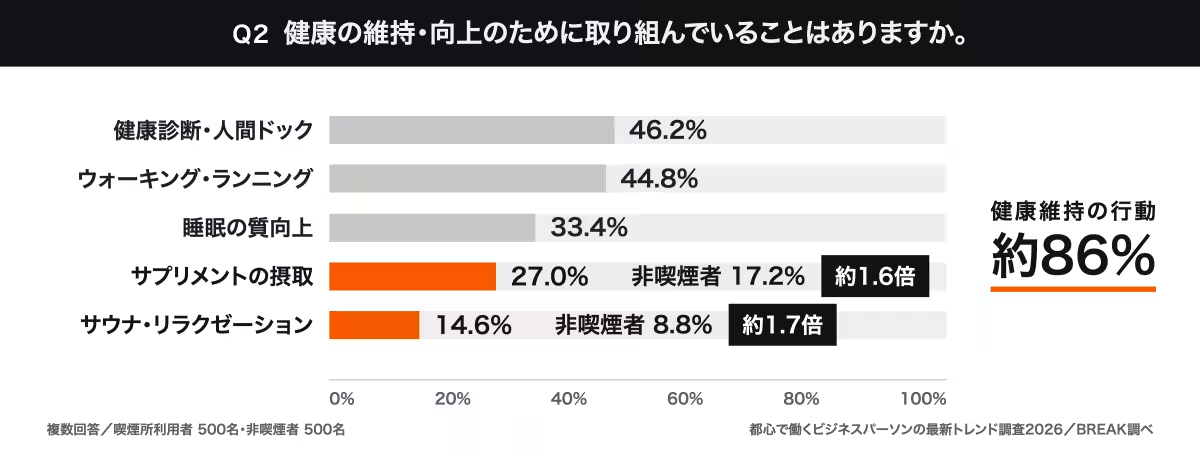
A strong inclination towards health improvement was observed, with an astonishing 85.6% of smoking professionals actively engaging in health-boosting practices such as regular health check-ups, physical activities, and dietary supplements, indicating a desire for well-being despite their smoking habits. This suggests a shift in smoker perceptions towards health management.
3. Grooming and Self-Care
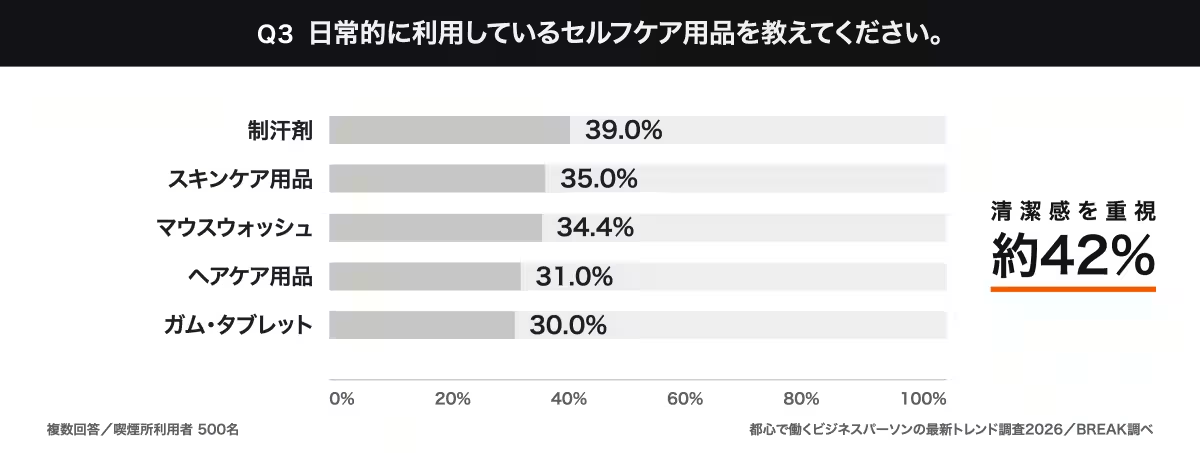
Given their frequent face-to-face interactions, 42.4% of survey respondents highlighted the importance of maintaining a clean appearance. Notably, around 79.8% report utilizing personal care products, including deodorants and skincare items, showcasing a serious commitment to presentation in professional environments. This trend can be attributed to their recognition of maintaining positive impressions in a diverse workplace setting.
4. Expenditure Trends Among Smokers
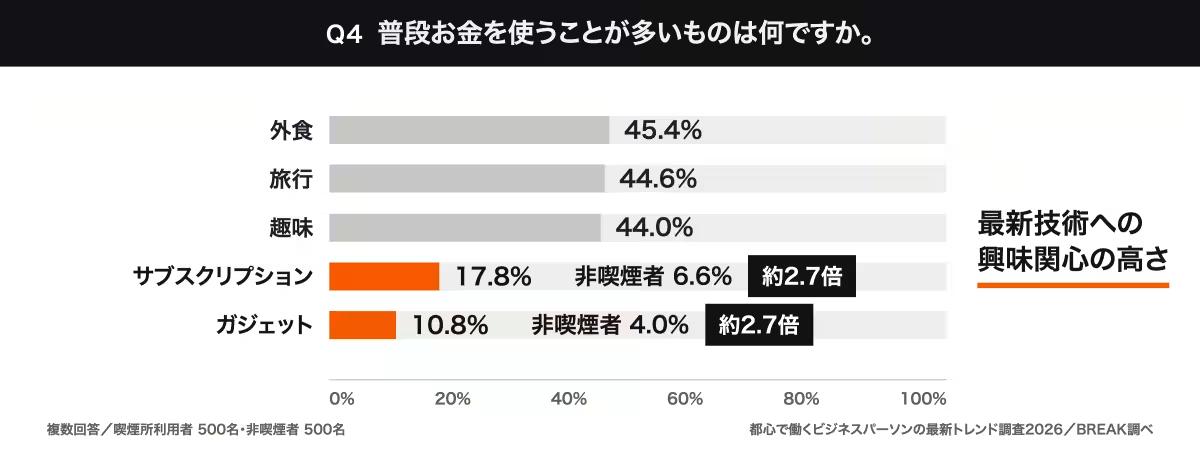
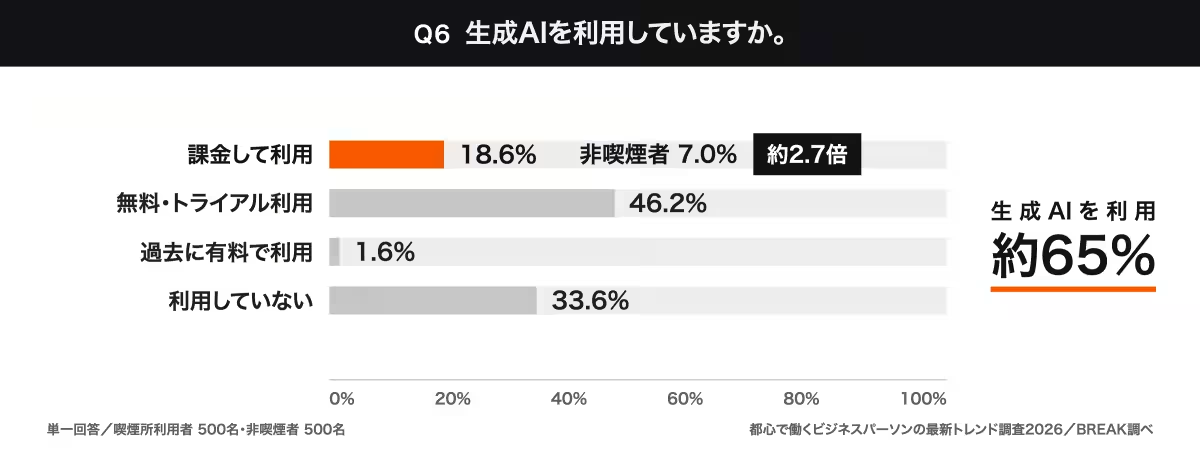
The survey unveiled that urban office smokers spend 2.7 times more than non-smokers on gadgets and subscription services, reflecting a trend among this group exhibiting a particular enthusiasm for new technology and conveniences that enhance both work and daily life. Key spending areas included dining out and travel, with 45.4% and 44.6% respectively prioritizing these leisure activities.
5. Investment and Asset Management Interest
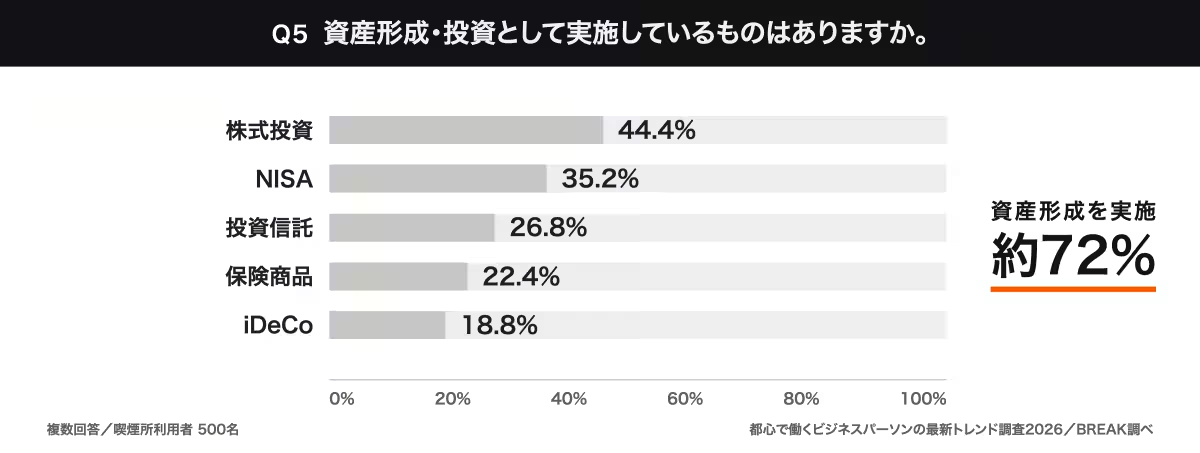
A significant 71.6% of respondents engage in various forms of asset management, including stock investments and NISA accounts. The evidence suggests a growing awareness of financial planning among urban professionals, which correlates with their financial capability and an increasing proactive approach towards future investments.
6. Embracing AI Technology
An interesting highlight was that 64.8% of smokers are utilizing generative AI tools, indicating a willingness to remain abreast of technological advancements and a proactive approach to integrating these tools into their professional practices.
7. Information Consumption During Breaks
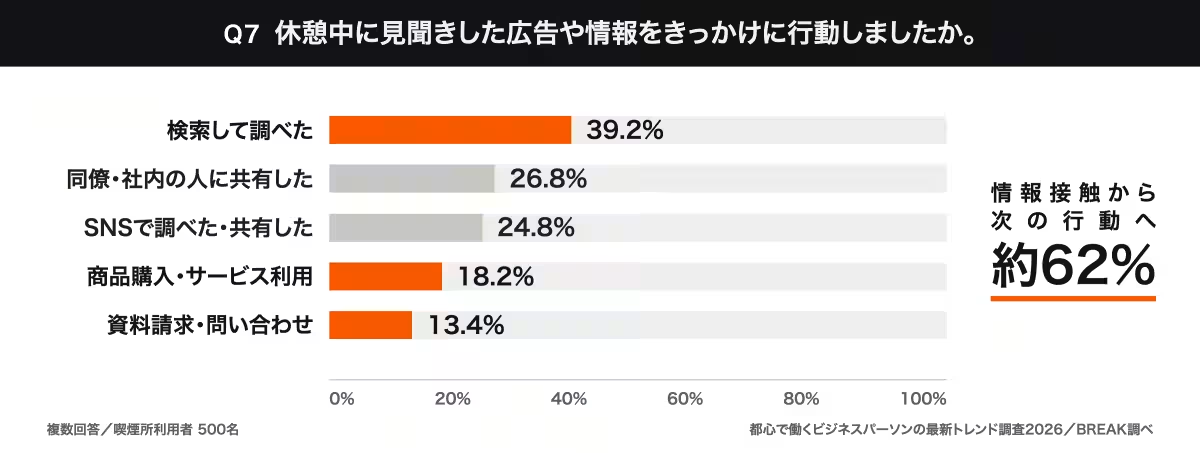
The survey emphasizes the importance of break times as a moment for information gathering, with 51.8% of workers relying on their smoking breaks to absorb advertisements and data, leading to active consumer behavior post-exposure. Approximately 60% stated they take subsequent action after identifying information during these pauses.
Conclusion
As BREAK celebrates five years in service, the insights garnered from this survey serve to remarkably highlight the evolving landscape of urban office workers amid changing societal norms. The data not only illuminates spending habits and health consciousness but also positions BREAK as a vital platform where consumer engagement occurs at the intersection of work breaks and innovative advertising. Further details and findings are available through BREAK's media channels. This analysis of urban office worker trends is vital for businesses aiming to connect effectively with their audience through meaningful interactions during their workdays. This event and ensuing discussions accentuate the growing significance of personalized advertising strategies and their impact on evolving consumer behaviors in urban settings.
For more information, you can download the comprehensive report at BREAK Insights.
Topics Consumer Products & Retail)









【About Using Articles】
You can freely use the title and article content by linking to the page where the article is posted.
※ Images cannot be used.
【About Links】
Links are free to use.