



Recent Trends in Remote Customer Service: Robots, AI, and Avatars Set to Surge by 2025
The Latest Trends in Remote Customer Service: Robotics, AI, and Avatars
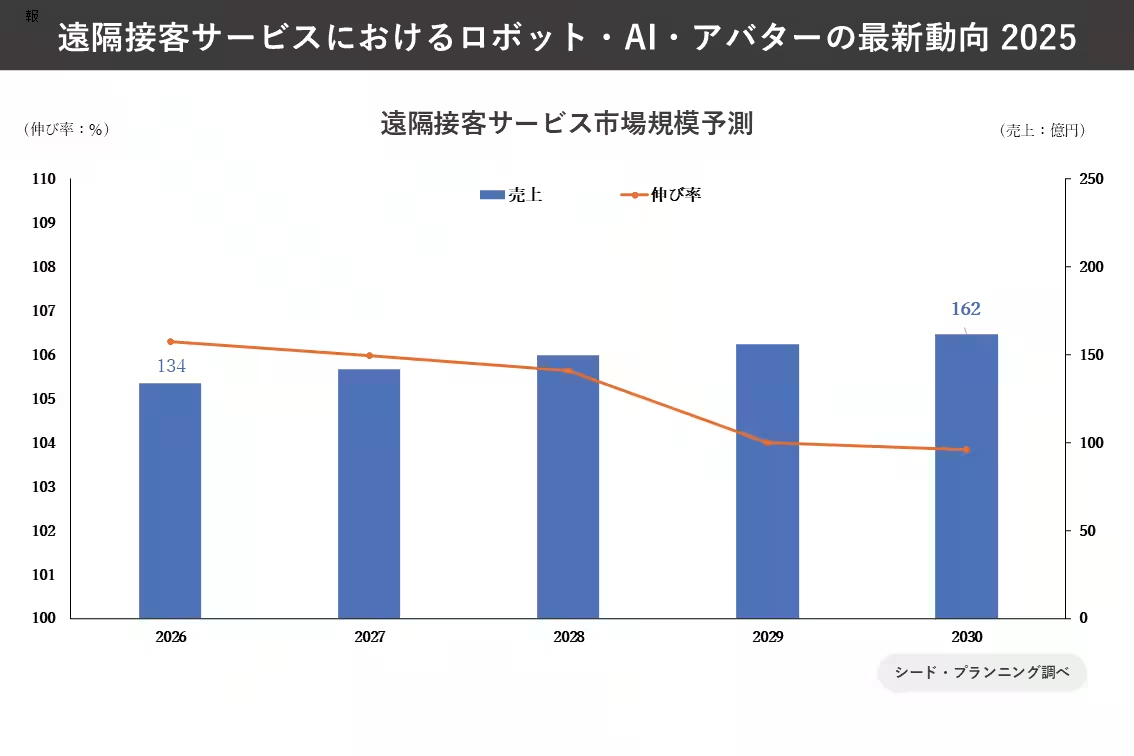
In the ever-evolving landscape of remote customer service, specifically targeting robotics and AI avatars, a recent study by Seed Planning, a Tokyo-based company, highlights significant market growth anticipated over the next few years. This innovative domain is gaining traction, aiming for a market size projected at 12.6 billion yen by the year 2025.
The Study's Background and Purpose
Remote customer service encompasses engaging with clients and providing support through digital means, as opposed to face-to-face interactions. By leveraging video, audio, and text communication tools, services can be administered remotely. A key distinction lies in the fact that traditional web conferencing requires constant connectivity. In contrast, remote customer service allows for on-demand connectivity, often utilizing avatars or robots in place of human representatives.
The rising need for digital transformation (DX) and addressing workforce shortages have made remote customer service increasingly relevant. The incorporation of AI technology in this arena has introduced additional applications beyond conventional online meetings. Thus, the goal of Seed Planning's study was to analyze the current state of remote customer service implemented through robots and AI avatars, and to identify future growth trends through interviews with various companies in the sector.
Key Findings
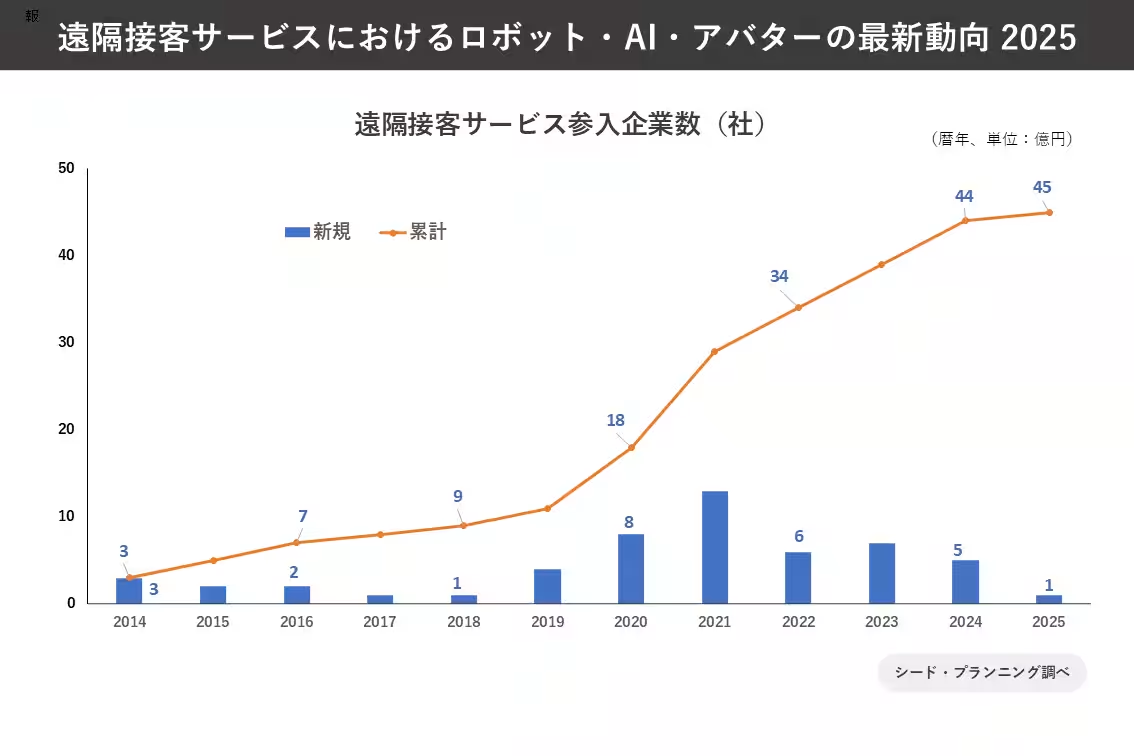
- - Market Expansion: The landscape of remote customer service has grown dramatically from just four companies in 2014 to a staggering 45 companies by 2025.
- - Service Usage: The primary sectors adopting these services are retail and finance/insurance.
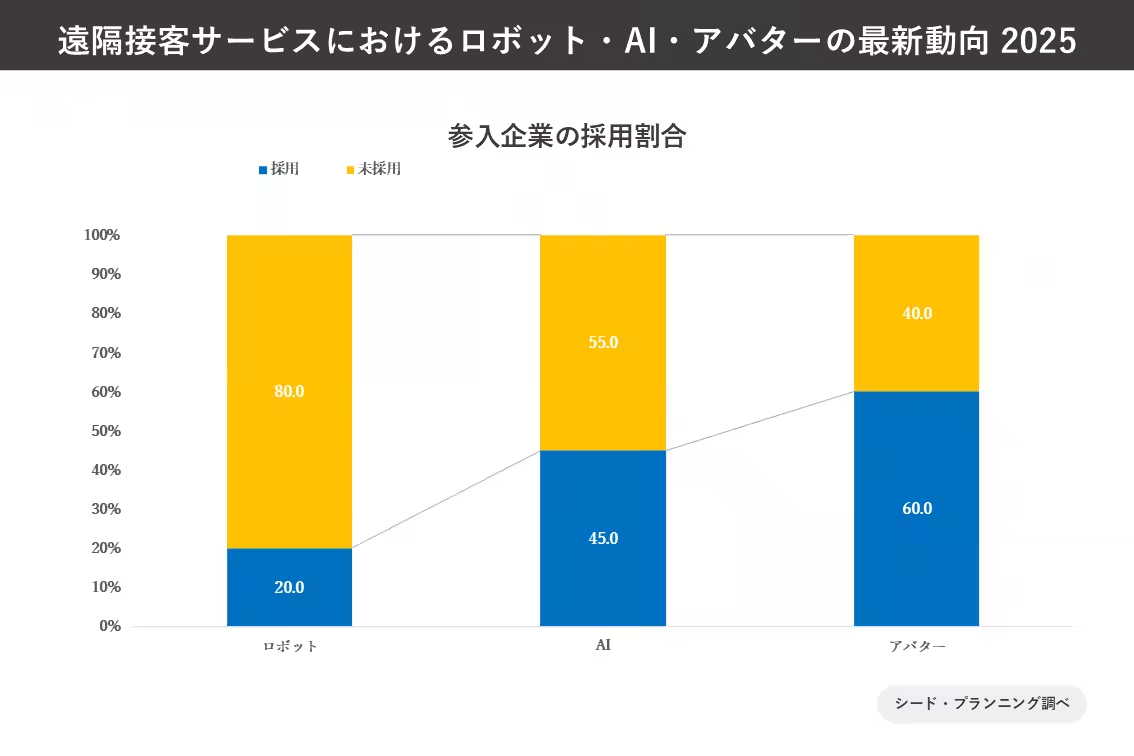
- - Adoption Rates: The survey found that 60% of remote services employ avatars, 45% use AI technologies, and about 20% have integrated robotics into their offerings.
- - Avatar Gender Trends: Interestingly, the study shows a notable trend where the majority of adopted avatars embody a feminine image.
Growth in Service Provider Numbers
The rise of remote customer service began in 2014 with only three companies entering the market. Although this initially faced a decline, the COVID-19 pandemic acted as a catalyst for growth, imposing contactless service demands and promoting social distancing. From mid-2018, there has been a consistent influx of new participants, especially with more than 25 new entrants recorded from 2020 to 2022, accounting for almost half of the current sector.
As we transitioned into 2023, with the classification of COVID-19 shifting, the focus of remote customer service has evolved to fill labor gaps as corporations began welcoming employees back. Moreover, advancements in generative AI and robotics are paving the way for more dynamic service options.
Market Size and Future Predictions
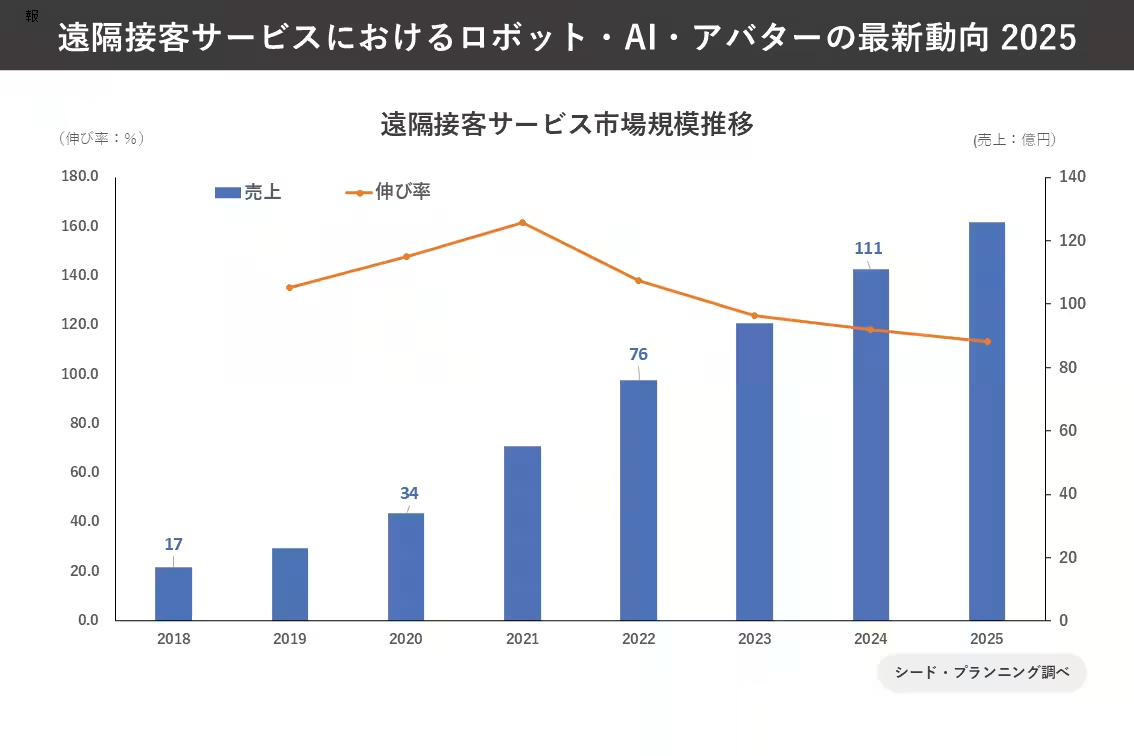
Significant growth in the domestic market has been observed—rising from 1.7 billion yen in 2018 with just nine entrants to an estimated 13 billion yen projected by 2025 with an expected 85 companies participating. This indicates a remarkable expansion in the remote customer service landscape, reflecting its growing importance.
Adoption of AI and Avatars
The analysis shows that 60% of the companies have embraced avatars for customer service, while 45% have integrated AI solutions. Additionally, 20% utilize robotics. The consistency in employing female personas for the avatars suggests an interesting pattern that might cater to user preferences in customer engagement.
Conclusion
With remote customer service gaining momentum owing to technological advancements and societal shifts, the future appears bright for AI, robots, and avatars. As businesses seek to enhance their customer engagement strategies, continuous innovation within this sector will be critical to address the evolving market demands. This study sheds light on a rapidly developing field that is set to redefine customer interactions, making it a topic to watch closely in the coming years.
For a deeper insight into this study, please visit Seed Planning.

Topics Business Technology)

【About Using Articles】
You can freely use the title and article content by linking to the page where the article is posted.
※ Images cannot be used.
【About Links】
Links are free to use.