



95% of Women Express Dissatisfaction with Outdated Corporate Cultures in the Workplace!
The Rising Discontent Among Women in the Workplace
In a revealing survey conducted by Remolabo, a company based in Shibuya, Tokyo, approximately 95% of female participants indicated a sense of discontent towards outdated corporate cultures. The survey, targeting around 1,000 members of the remote work practice school Remolabo, aimed to discern what women seek from their workplaces, while also highlighting factors contributing to their career choices and potential exits from their positions.
Key Findings from the Survey
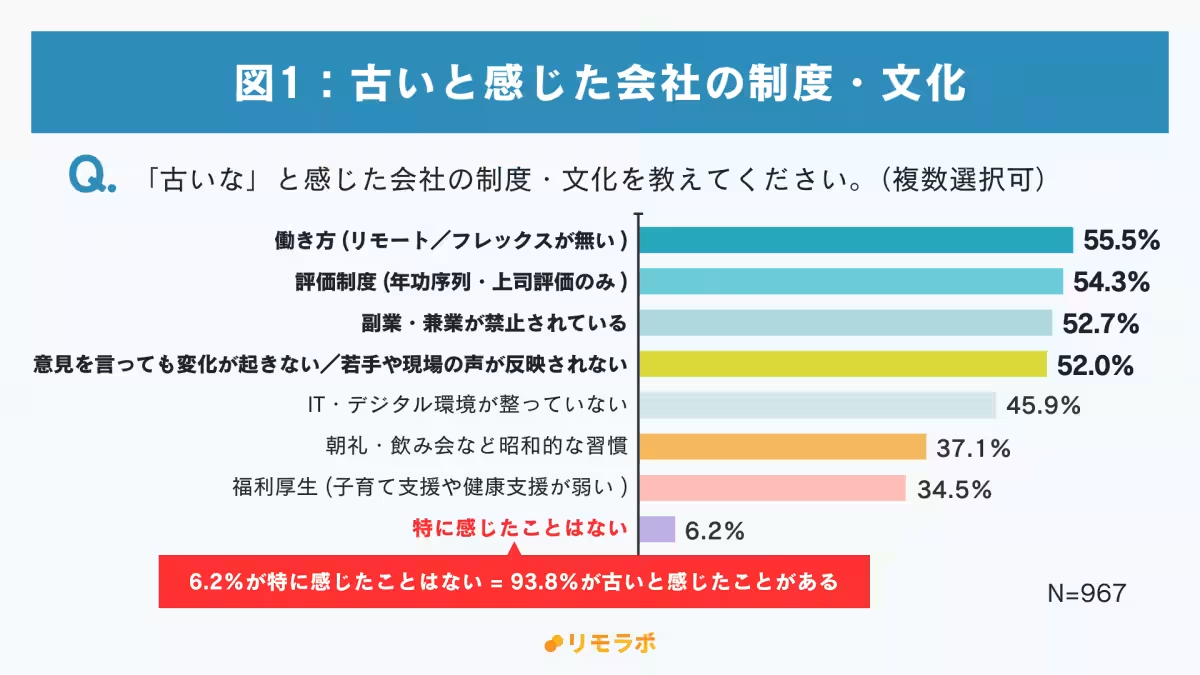
The survey unveiled that a significant majority of women perceive various 'old-fashioned' systems and cultures within their companies. Notably, a staggering 93.8% acknowledged the existence of such outdated practices. Among these, constraints around working styles—specifically the lack of remote or flexible work options (55.5%)—and biased evaluation systems tied to seniority (54.3%) surfaced as significant points of concern. Furthermore, 52.7% pointed out the prohibitions on side jobs, underscoring a collective desire for flexibility that accommodates their diverse lifestyles.
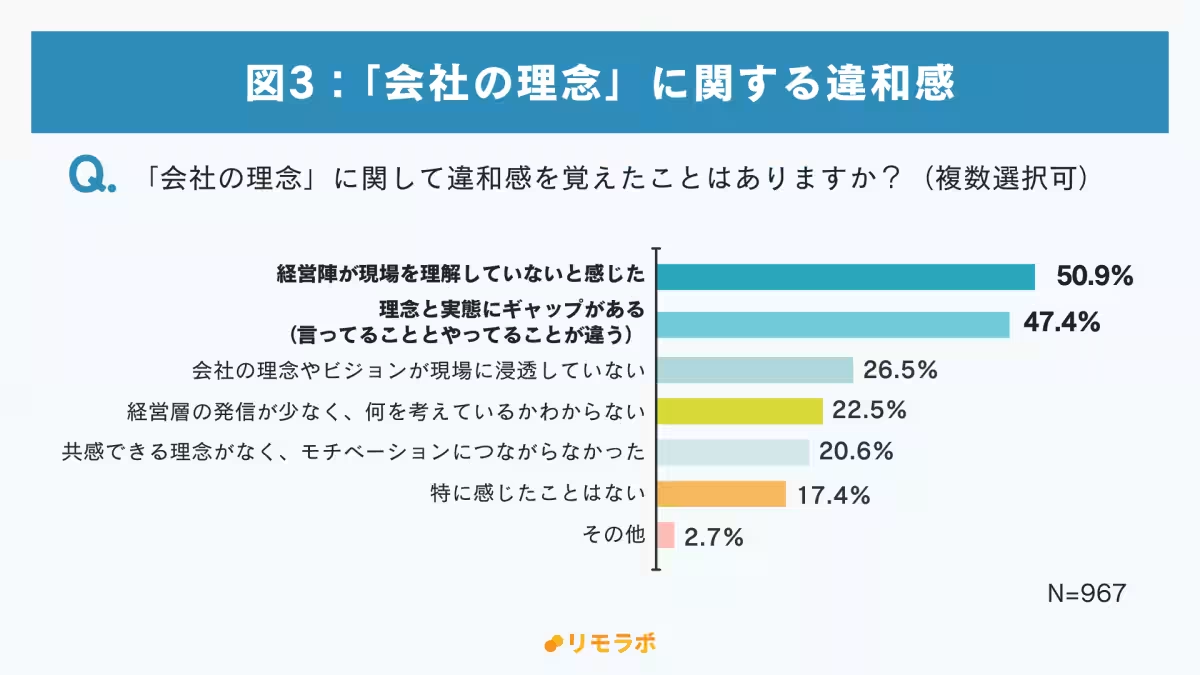
Compounding these obstacles is the noticeable gap between management and operational ground realities. Over half of the respondents (50.9%) expressed feelings that the executive leadership fails to grasp the nuances of workplace conditions, a sentiment further echoed by 47.4% who noted a disparity between the company’s proclaimed values and its real practices.
Stressors in Human Relationships
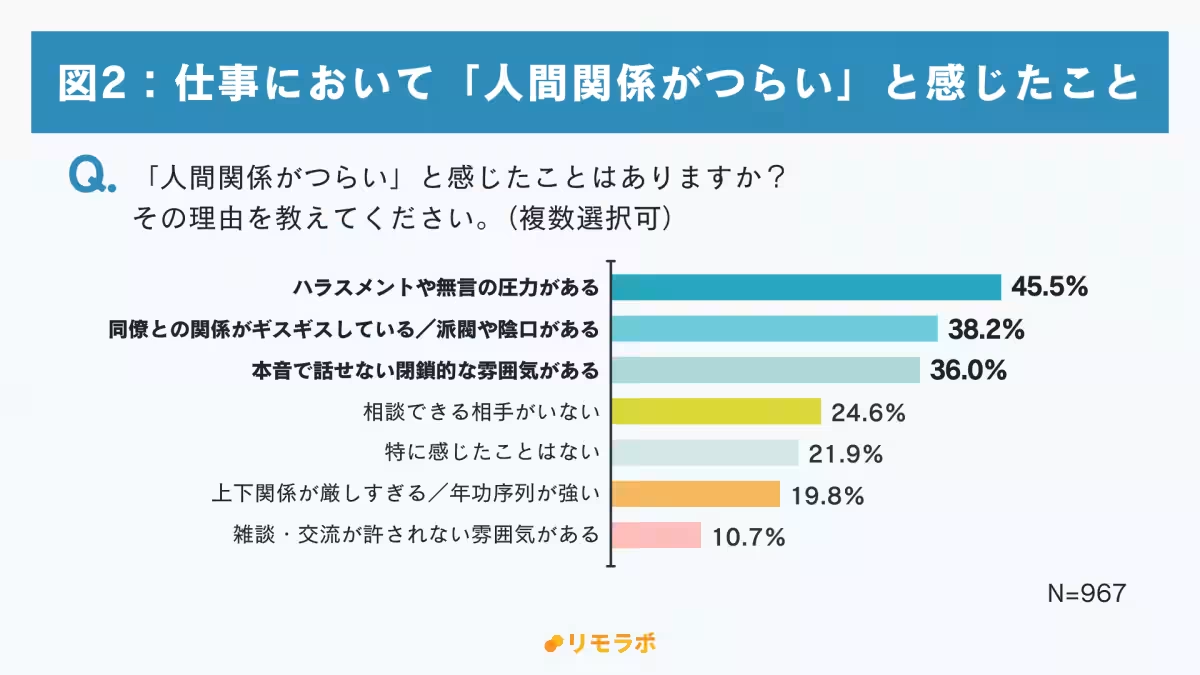
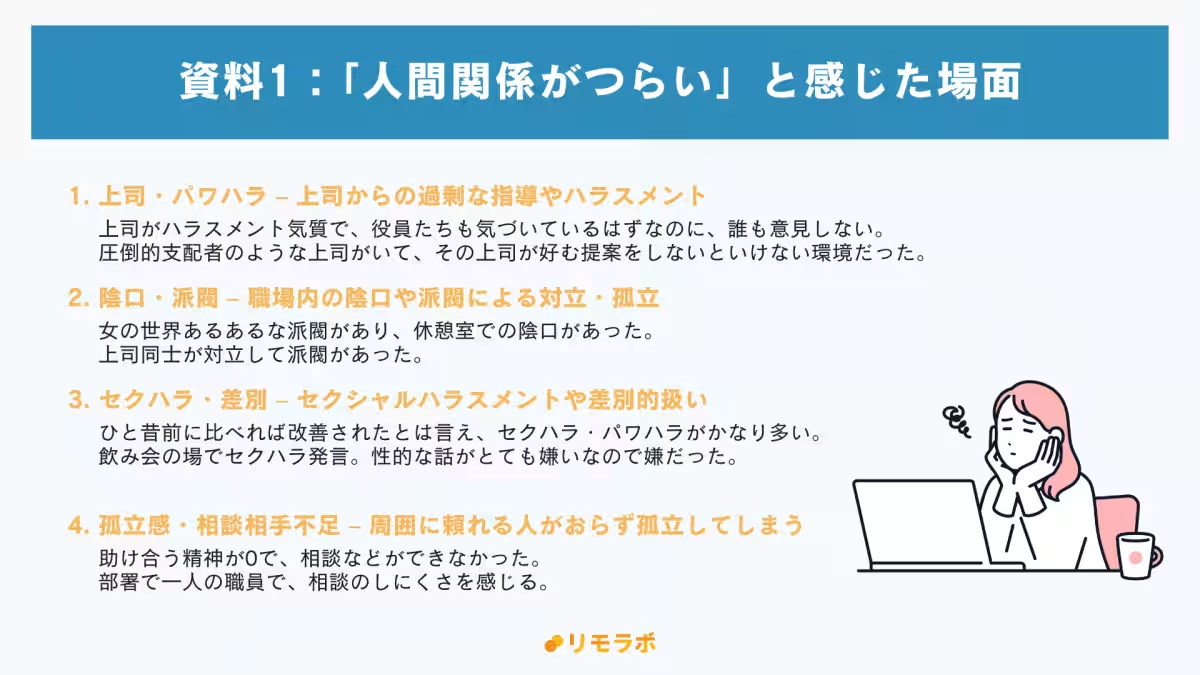
When examining workplace dynamics, a considerable 45.5% of women reported experiencing stress related to human interactions, with specifically mentioned issues including harassment and an overall oppressive atmosphere. Other common stresses cited include tense relationships among colleagues and a lack of openness in communications, painting a grim picture of the workplace environment employees are navigating.
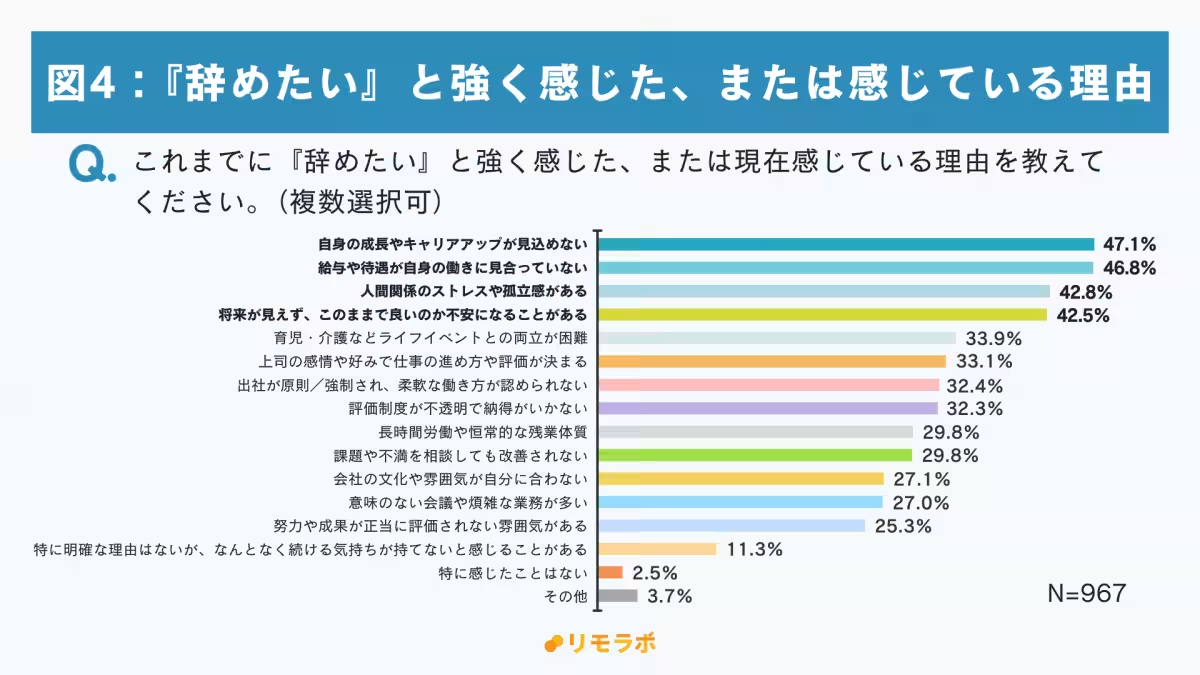
As for resignation triggers, the leading reasons listed were the lack of growth or advancement opportunities (47.1%) and dissatisfaction regarding compensation (46.8%). Additionally, anxiety stemming from both workplace relationships (42.8%) and uncertainties about the future (42.5%) were key contributors to their thoughts of leaving.
What Women Want from Employers
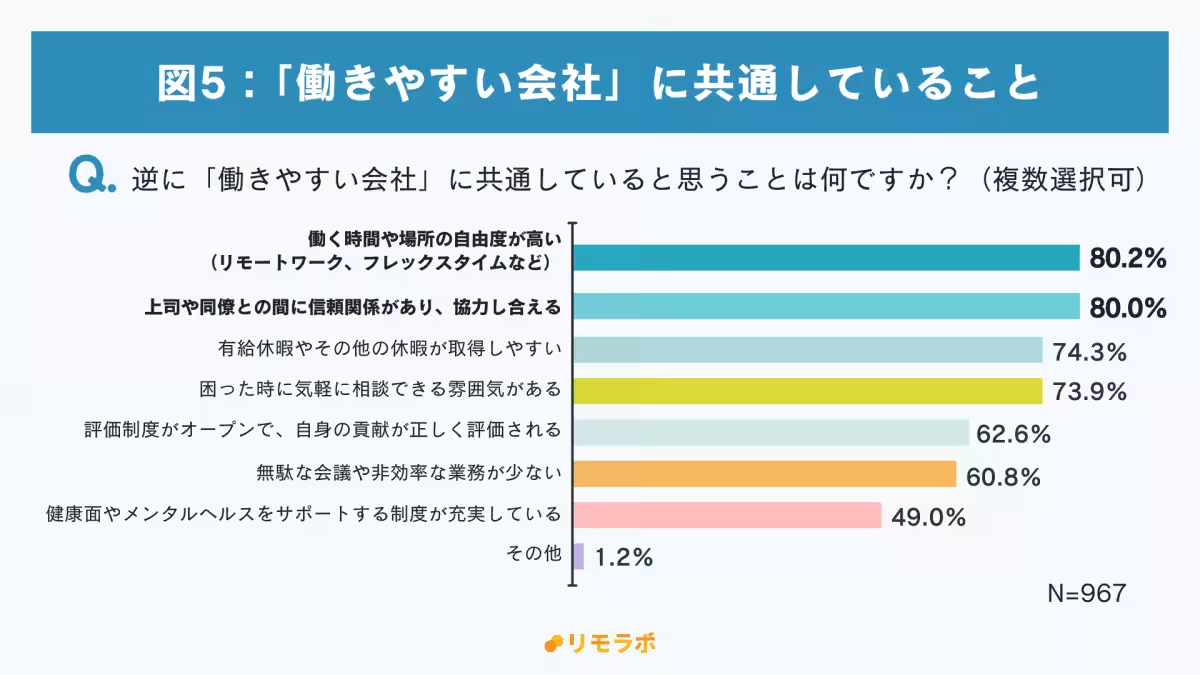
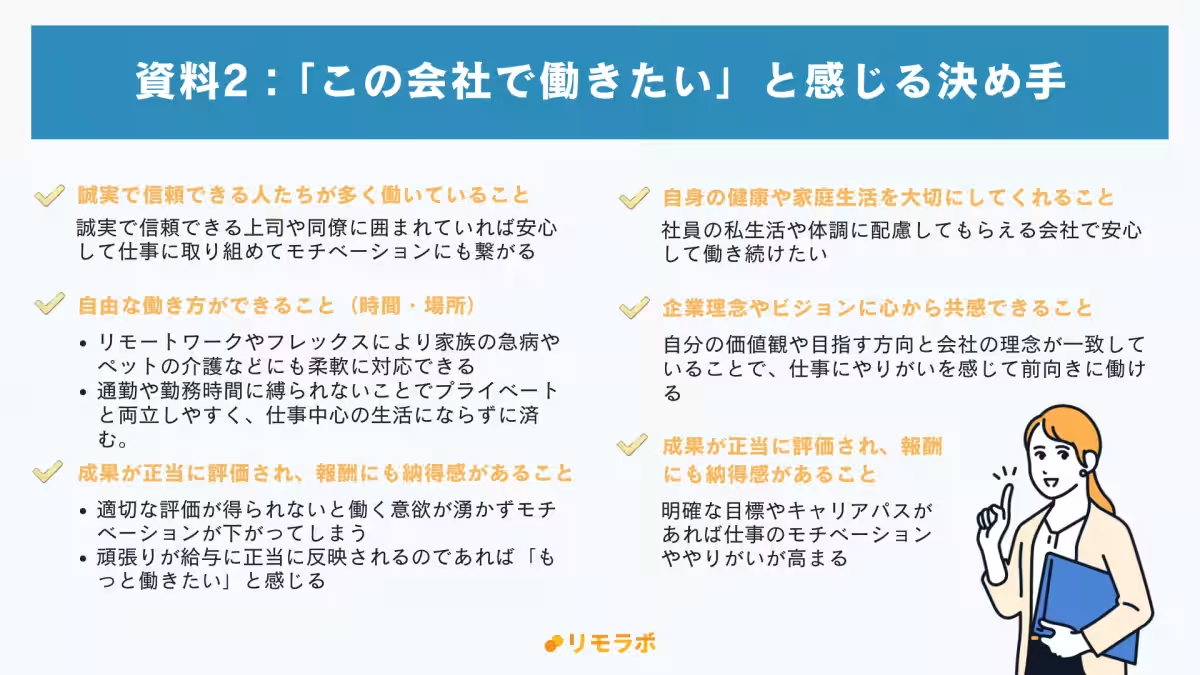
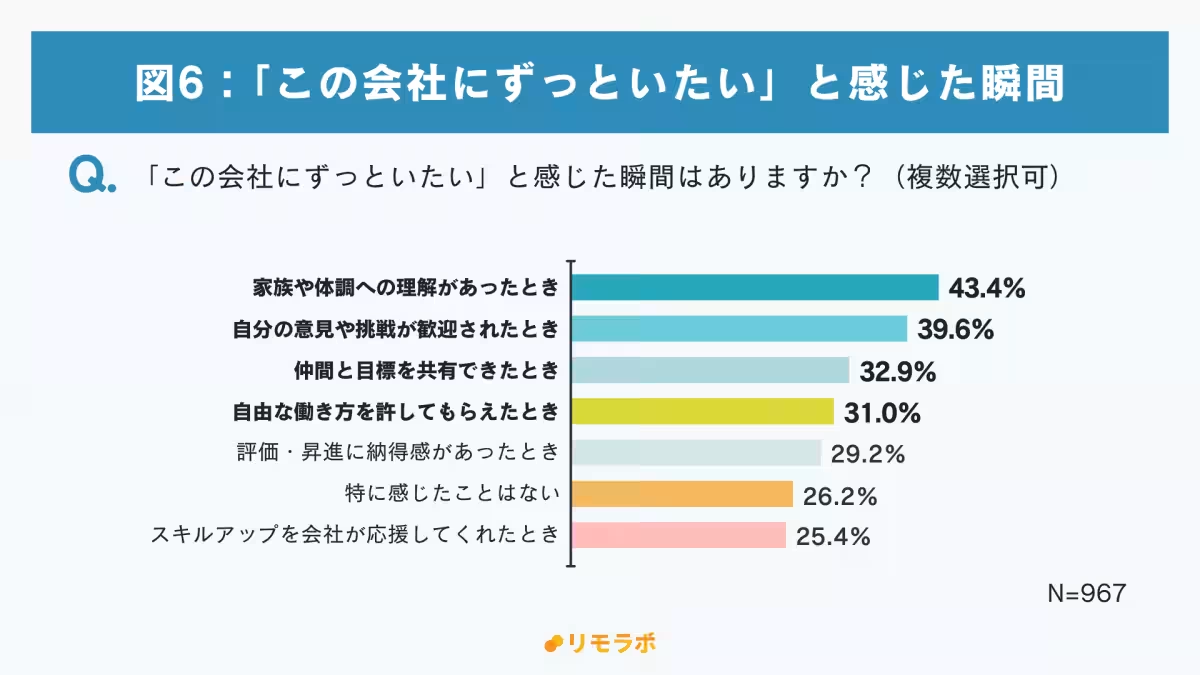
The survey results highlighted the characteristics that women generally associate with 'ideal' workplaces. A notable 80.2% valued high levels of freedom around working hours and locations, whereas a similar percentage (80.0%) valued trustworthy relationships with supervisors and peers. Moments that fostered loyalty to a company often included instances when their personal circumstances were considered, illustrating the importance of compassionate workplace policies.
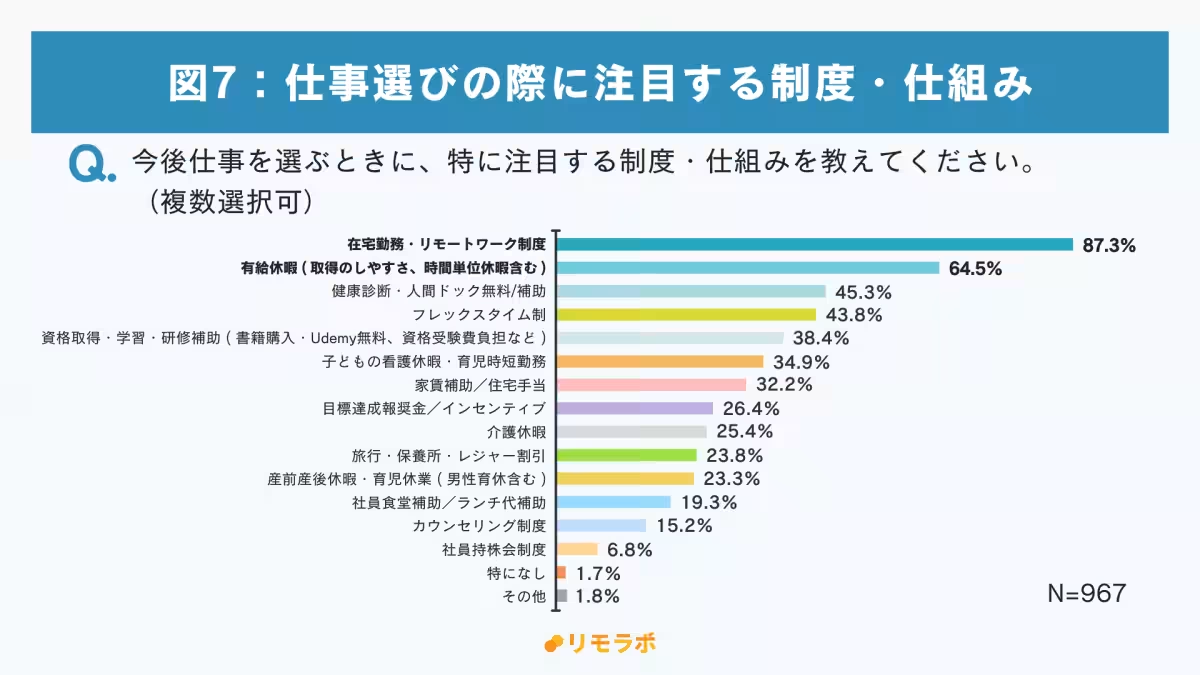
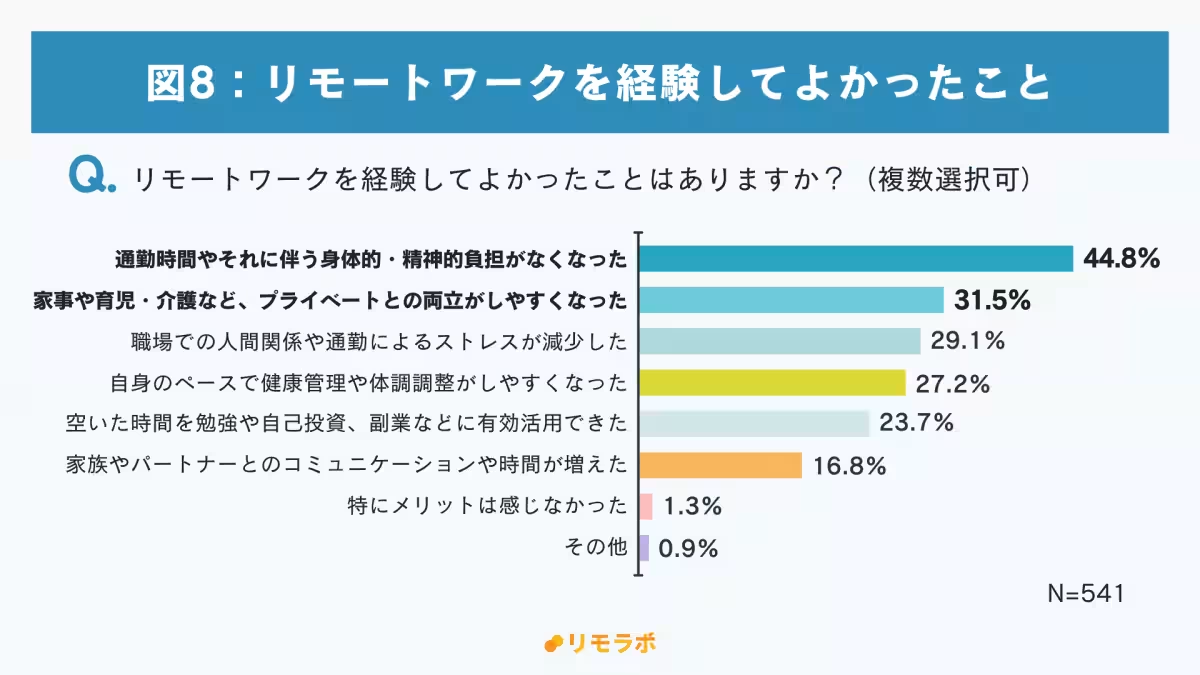
Reflecting on future employment considerations, a significant 87.3% of respondents indicated that remote work policies are crucial in shaping their career choices, with testimonials indicating that such work arrangements help reduce commuting times and promote better work-life balance.
The Appeal of Remote Work and Flexible Arrangements
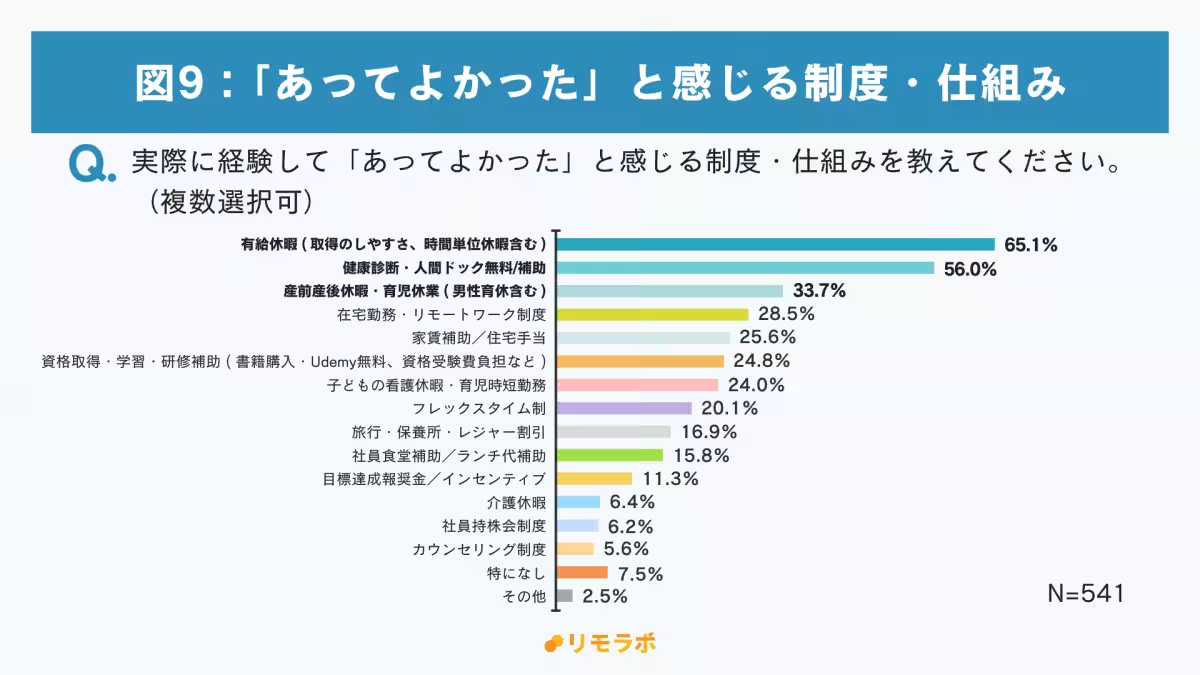
Women increasingly regard flexible working conditions as essential. Many respondents emphasized the hope for work environments that would support personal situations while allowing for professional development. A detailed examination of workplace benefits revealed that accrued vacation days and wellness checks were deemed the most valuable, emphasizing the importance women place on health and work-life balance.
As traditional employment structures are scrutinized, many women are gravitating towards freelance opportunities, allowing for self-determined work schedules and environments tailored to personal needs. The allure of remote work, coupled with the independence it provides, aligns perfectly with the desires of today’s workforce seeking more control over their professional lives.
In summary, as companies face these growing concerns, addressing the gap between work culture and employee needs isn't merely an option; it is becoming an operational necessity to attract and retain talent in what is clearly a rapidly changing professional landscape.
For further insights and results from this comprehensive survey, additional information can be found on the official Remolabo blog.


Topics People & Culture)

【About Using Articles】
You can freely use the title and article content by linking to the page where the article is posted.
※ Images cannot be used.
【About Links】
Links are free to use.