




Survey Reveals One in Seven Workers Fail to Report Near Miss Incidents in the Workplace
An Unveiling of Workplace Safety Reporting Gaps
In a recent study conducted by Tebiki Co., Ltd., which specializes in workplace improvement, alarming findings have emerged regarding the reporting of near miss incidents. Titled "Near Miss Incident Survey," the research highlights that approximately one in seven workers do not report such events, leading to potentially serious implications for workplace safety.
The Statistics Behind the Survey
According to data from Japan's Ministry of Health, Labour and Welfare, the number of injury cases resulting in four or more days of absence due to labor accidents has increased by 3,016 (a 2.3% rise) from 2022 to 2023. Specifically, within the manufacturing sector, there has been an increase of 500 cases (1.9%). This trend suggests an alarming escalation in workplace incidents, demanding immediate attention.
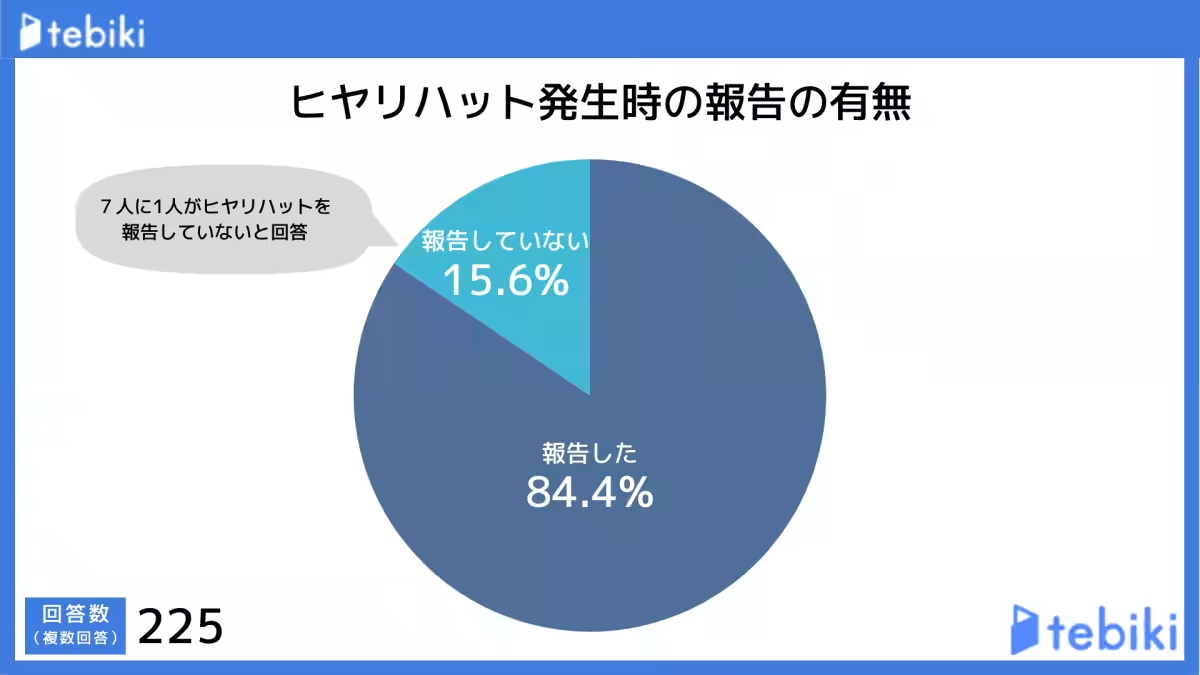
The findings of Tebiki's survey are particularly concerning: roughly 15% of respondents—equivalent to one in seven—admitted they had not reported near miss incidents, showcasing a critical gap in safety communication. Such unreported incidents pose a hidden risk that could escalate into more severe accidents if left unaddressed.
A Closer Look at Near Miss Incidents
Near misses, defined as dangerous situations that almost result in accidents or injuries, can offer invaluable insights into workplace safety. The survey revealed that a surge in near misses correlates strongly with various factors present in the workplace.
The survey gathered responses from 225 participants, mostly workers from sectors including manufacturing, food production, logistics, construction, and caregiving, and took place from March 4 to March 11, 2025.
Most Common Types of Near Misses
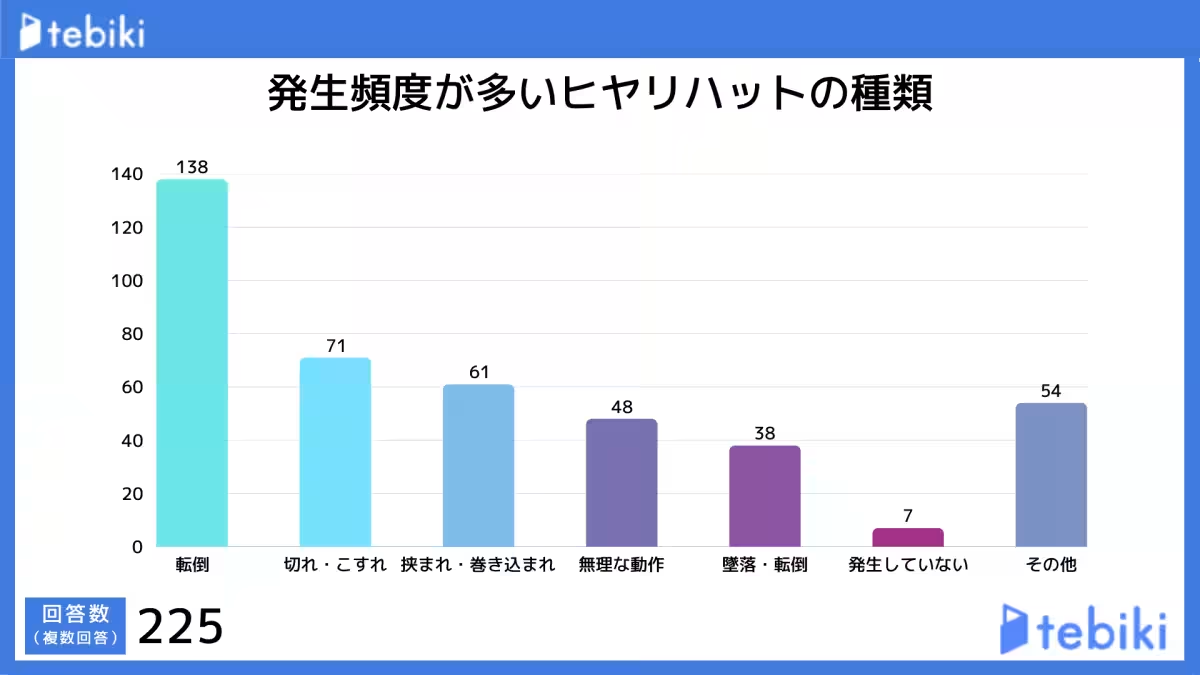
Research indicates that the most prevalent type of near miss is "slip and fall" incidents, which account for around 60% of cases. Following this, "cuts and scrapes" and situations involving being "caught or trapped" also reported high frequencies.
Primary Causes Identified
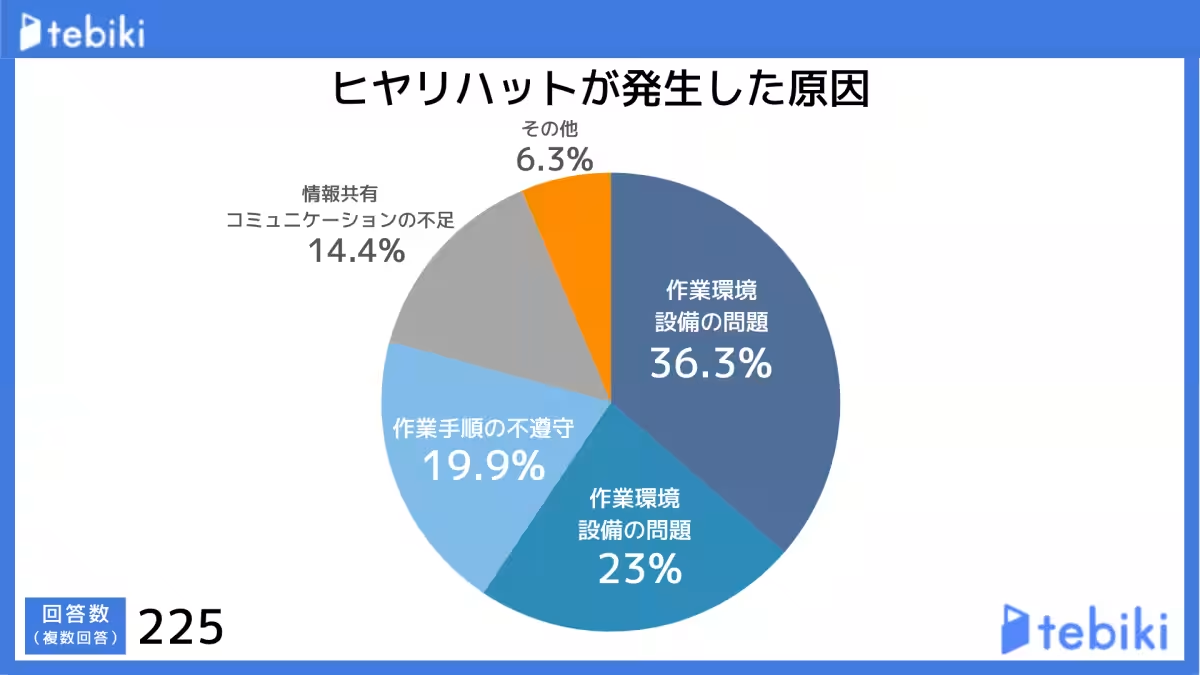
The leading cause of near miss incidents was found to be deficiencies in the work environment or equipment, with about 36% of respondents identifying this as a significant factor. Common issues included poor housekeeping, cluttered workspaces, and equipment malfunctions, suggesting that an emphasis on maintaining a clean and orderly environment is crucial for mitigating risks at the workplace.
Ineffectiveness of Current Measures
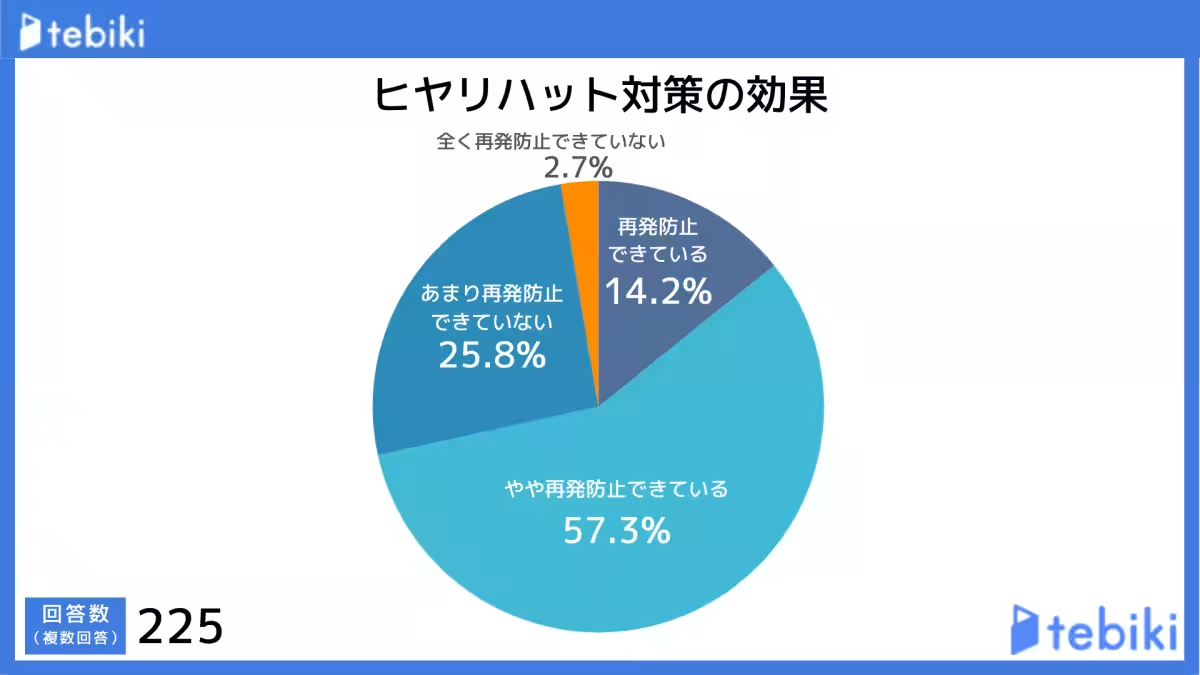
Despite the implementation of safety measures aimed at preventing near misses, around 30% of respondents believed that these measures had not effectively contributed to preventing recurrences. This indicates a pressing need for organizations to not only promote reporting but to critically assess the effectiveness of their existing safety protocols.
Reporting Culture: A Reason for Concern
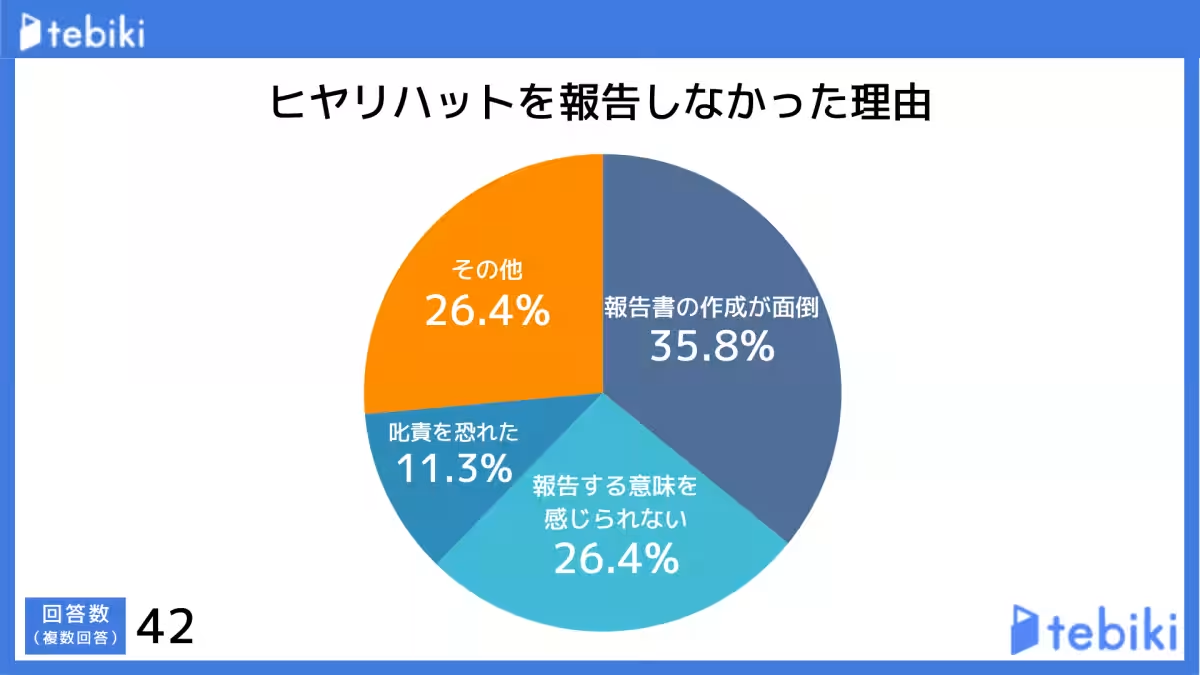
The survey revealed that 15% of participants did not report their near misses, primarily citing reasons such as the complexity of report writing and a lack of perceived significance of their reports. Over 60% indicated they found the process tedious or didn't see the value in reporting their experiences, raising questions about the general safety culture in many workplaces.
Establishing an environment where all employees feel compelled to document near misses is imperative for identifying causes and implementing effective corrective actions.
The Role of Tebiki Co., Ltd.
Tebiki operates an online platform called “Genba Kaizen Lab,” dedicated to improving workplace operations. The company provides various tools and resources, including online seminars and business conferences focused on digital transformation (DX) and the utilization of AI and data. These initiatives aim to foster a safer and more efficient working environment by enhancing communication and integration of safety reporting practices.
The company's mission, "Pioneering the Future of Work," underscores their commitment to developing systems that support deskless workers, ensuring quality, safety, and efficiency are optimized throughout different industries.
For a deeper dive into the findings and more insights about near miss reporting, the full survey results are available here.
Conclusion
The critical results from Tebiki's survey illuminate a pressing need to address the culture of reporting near misses in workplaces. By acknowledging and understanding these incidents, organizations can strive towards enhancing safety protocols and ultimately safeguarding their workforce more effectively.

Topics Other)
【About Using Articles】
You can freely use the title and article content by linking to the page where the article is posted.
※ Images cannot be used.
【About Links】
Links are free to use.