



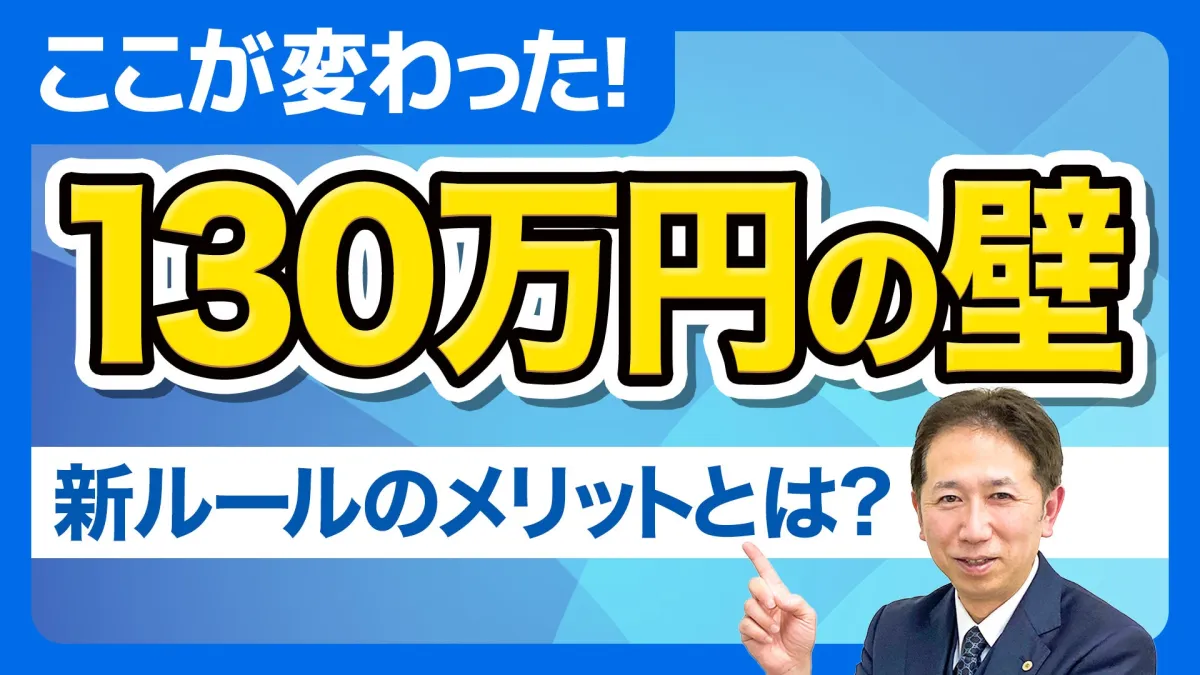
Understanding the New 1.3 Million Yen Threshold Rules for Employment in Japan
Major Changes to the 1.3 Million Yen Requirement in Japan
The Japanese labor landscape is set to undergo significant changes, particularly with the introduction of new rules concerning the so-called '1.3 Million Yen Barrier.' Effective from April 2026, these changes will shift the basis of income assessment from historical earnings records to prospective annual salary estimates stated in labor condition notifications. This transition represents a pivotal moment in employment evaluation methods, emphasizing the importance of documentation and its practical application.
What is the 1.3 Million Yen Barrier?
The 1.3 Million Yen Barrier has typically referred to the income level used to determine eligibility for various labor benefits and tax considerations in Japan. Historically, income assessment relied on past income statements, leading to various discrepancies and misunderstandings between employees and employers. Under the new rules, starting from April 2026, this assessment will be dictated by the annual salary estimates found in labor condition notifications, fundamentally altering how workers' earnings are evaluated.
Differences Between Old and New Regulations
Previous System
Previously, the income threshold was determined by an employee’s actual earnings over a fiscal period. This created inconsistencies, especially for those with fluctuating incomes, such as part-time workers or freelance professionals.
New System
Under the new system, employees will have their eligibility evaluated based on the expected earnings stated in their labor condition notification. This means that prospective salary figures will hold much greater weight and the potential for temporary income exceedances will need to be clearly addressed in the documentation.
Why the Shift to Labor Condition Notifications?
The rationale behind this shift is rooted in the need for clarity and consistency in labor assessments. By utilizing the labor condition notification as the primary reference point, both employers and employees can have a shared understanding of expected earnings without the ambiguities associated with historical income variations. This also places a heavier responsibility on employers to ensure accurate and fair documentation.
Handling Temporary Income Overages
Another aspect of the new system addresses how temporary income surpluses will be treated. Employees whose earnings exceed 1.3 million yen in a given year but who do not have a consistent high income will need clear guidelines on how these cases are assessed. This adds a layer of complexity that employers must manage, ensuring that their documentation practices align with the new regulations.
Document Changes and Employer Responsibilities
With the introduction of these new guidelines, it's essential to consider what documentation will be required. Employers may see an increase in their recordkeeping responsibilities, as they must now justify annual salary estimates precisely and track temporary income changes more closely.
Moreover, providing accurate labor condition notifications will necessitate comprehensive training for HR personnel to ensure compliance and prevent any potential legal repercussions.
Preparation for Future Compliance
It is crucial for businesses to start preparing for the changes now. This involves reviewing current practices, ensuring that documentation is accurate and comprehensive, and training staff on the new rules, their significance, and their implications on employment contracts.
Overview of the Organizer
The session discussing these changes is organized by the Claire Human Resources Development Association, founded in 2023 as part of the SA Group Company. The organization specializes in training and certification in employment, labor, and harassment prevention. With over 750 certified Clean Employment Planners, they have a significant impact on various industries, including corporations, local governments, and educational institutions.
Who Will Be Covering This Topic?
Jun Ono, a qualified social insurance labor consultant with extensive experience in labor seminars, will lead discussions on the practical implementation of these legal changes. His workshops focus on real-world applications of law, helping businesses navigate the complexities of employment regulations. This effort reaffirms the commitment to a cleaner and more equitable workplace environment.
For more information, please visit Claire Human Resources.
Topics Other)
【About Using Articles】
You can freely use the title and article content by linking to the page where the article is posted.
※ Images cannot be used.
【About Links】
Links are free to use.