



Insights from the BOXIL Survey on Talent Management System Transitions
Insights from the BOXIL Survey on Talent Management System Transitions
The landscape of talent management systems is constantly evolving, and recently, SmartCamp Inc., which operates the SaaS comparison site BOXIL, conducted a survey to explore the transition patterns of companies changing their talent management systems. This survey, involving 784 participants, aims to uncover the current state and challenges related to the implementation of these systems.
Key Findings of the Survey
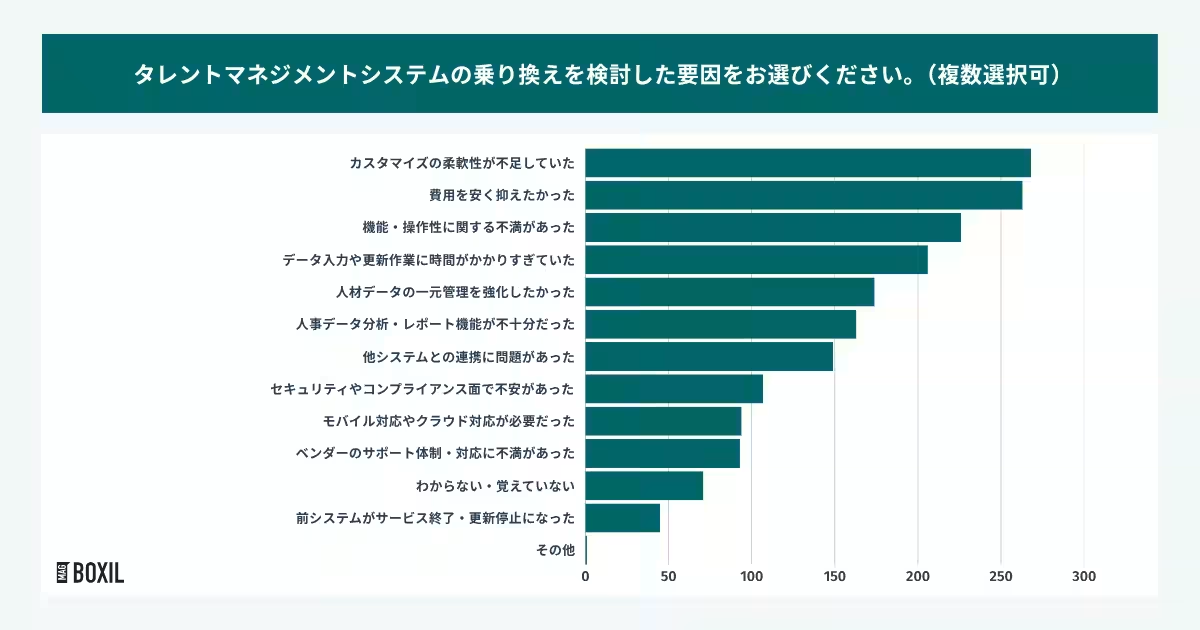
The survey reveals that 62.1% of companies encountered challenges after implementing their talent management systems. The primary reasons for transitioning include:
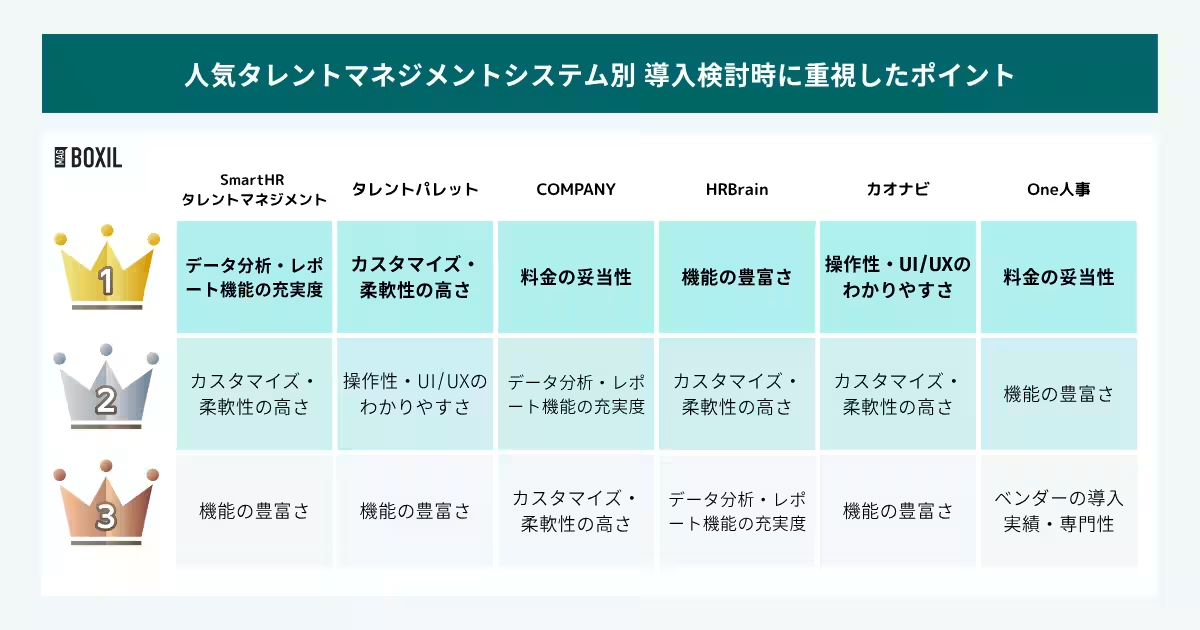
- - Lack of flexibility in customization
- - Cost efficiency concerns
- - Dissatisfaction with features and usability
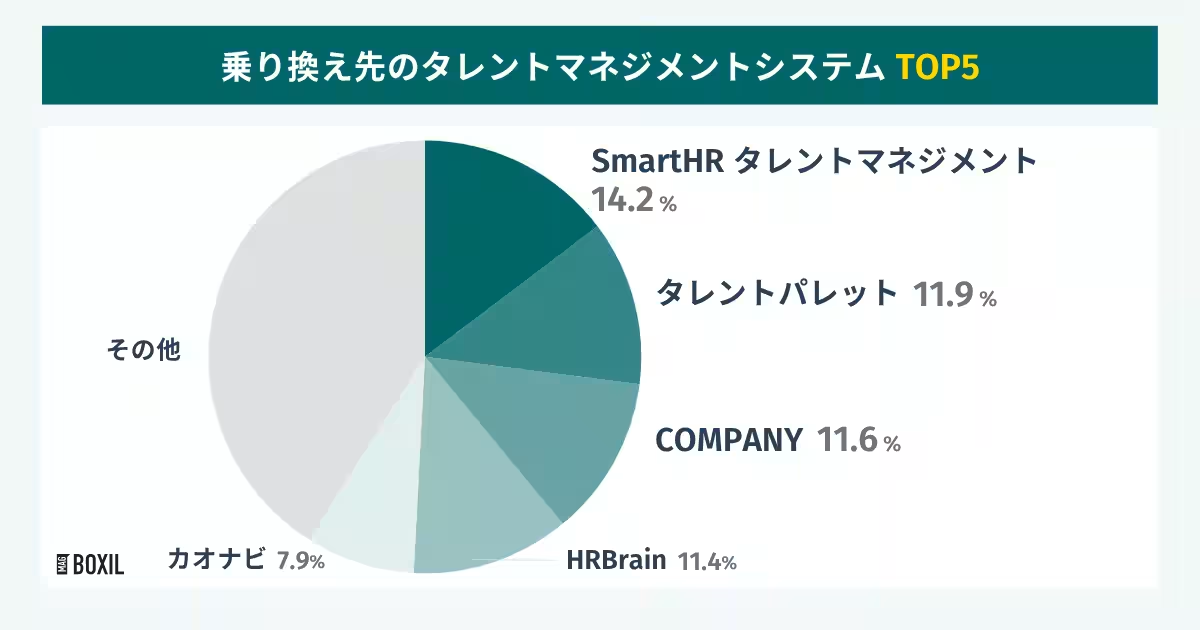
Among the alternatives, the most favored talent management systems for transition were SmartHR Talent Management, followed closely by Talent Palette and COMPANY.
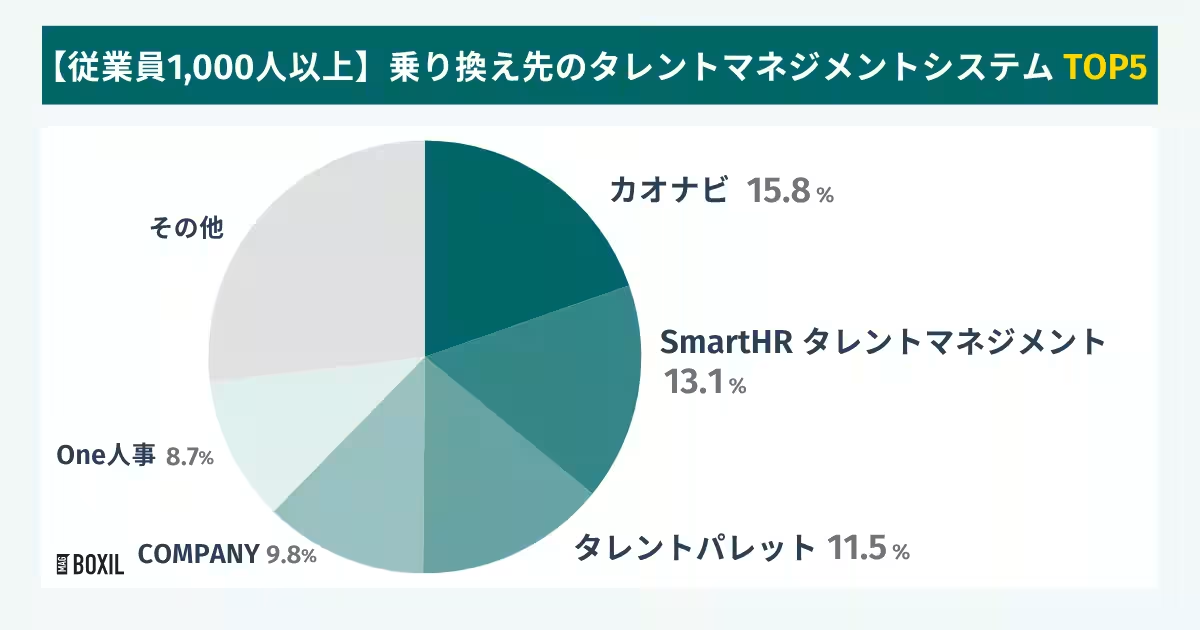
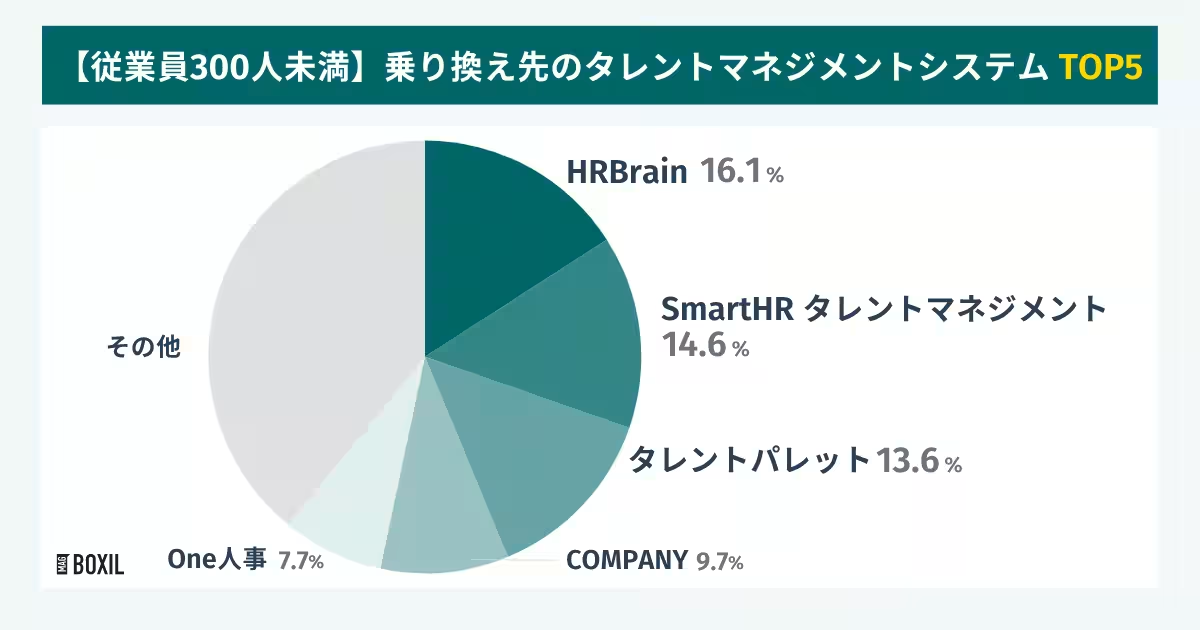
Interestingly, preferences for follow-up systems varied significantly between large enterprises and small to medium-sized enterprises. For larger organizations, Kaonavi emerged as the most popular choice, while smaller companies preferred HRBrain.
Reasons Behind System Transition
The foremost reason driving companies to switch was again the lack of customization flexibility cited by 34.2% of respondents. Additionally, financial considerations and dissatisfaction with the functionalities of existing systems played a significant role as well, with the proportions being 33.5% and 28.8%, respectively. Other notable reasons included the excessive time required for data entry and updates (26.3%), and the desire for better centralized management of human resource data (22.2%).
These insights indicate that many companies face significant challenges during the adoption of talent management systems, making successful implementation a complex issue influenced by various factors.
Popularity of Talent Management Systems
When evaluating replacements, SmartHR Talent Management was most frequently selected, with 14.2% of transitions choosing this option, followed by:
- - Talent Palette (11.9%)
- - COMPANY (11.6%)
- - HRBrain (11.4%)
- - Kaonavi (7.9%)
The preference for SmartHR may stem from its integration into existing labor management systems, which many companies already use, thus enhancing data linkage and overall usability. This trend is echoed in the choice of COMPANY, known for its comprehensive HR solutions.
Diverging Needs of Large and Small Enterprises
For larger organizations with over 1,000 employees, the survey indicated a distinct preference for Kaonavi, favored by 15.6% of respondents, followed by SmartHR Talent Management at 13.1%. On the contrary, smaller firms (under 300 employees) showed a strong inclination towards HRBrain, capturing 16.1% of responses.
This split suggests that different tiers of businesses have varying needs and operational contexts, which directly influence their software choices.
Influence of System Selection on Success
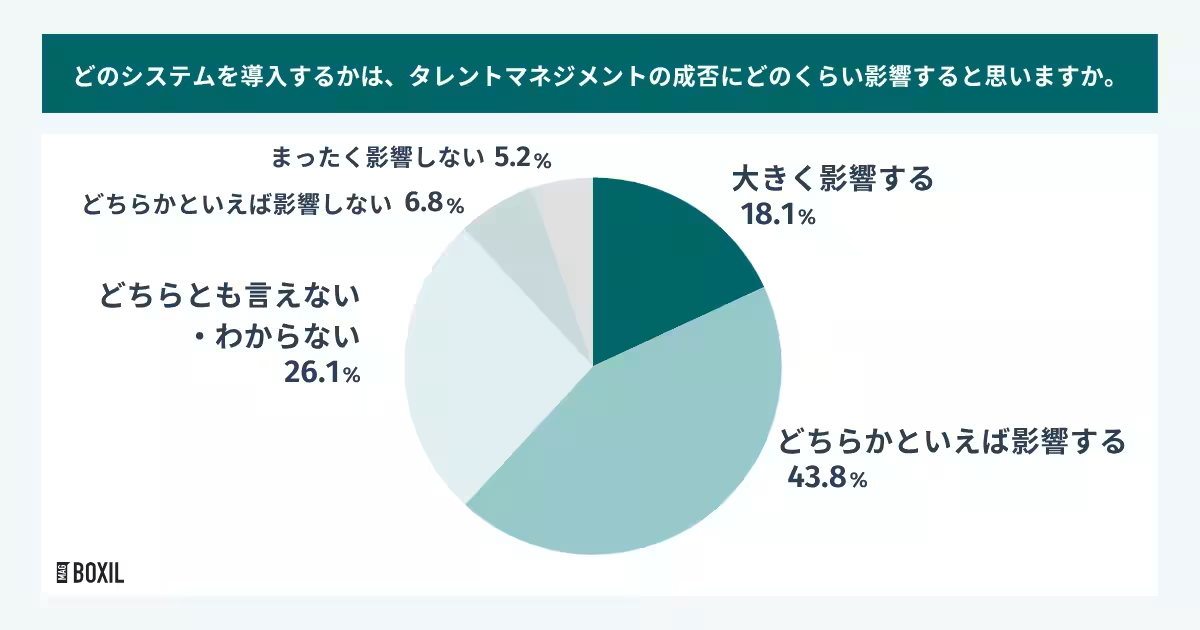
The survey also probed the perception of how system selection impacts the success of talent management. Interestingly, 38.1% of participants indicated that they were either unsure or believed it would not have a significant impact. Meanwhile, 61.9% felt that the choice of system does indeed affect outcomes. This implies that merely implementing a system isn't sufficient to ensure success—clear objectives, usage guidelines, and assimilation strategies are also critical for achieving desired results.
In summary, the findings from the BOXIL survey illuminate the various factors influencing companies when transitioning to new talent management systems. Challenges such as customization flexibility, cost, and functionality remain at the forefront of these decisions.
For those interested in deeper insights, visit the detailed survey results at BOXIL. Here you can find extensive comparisons and discussions on other relevant systems, including HR management and performance evaluation systems.
Further Reading
Explore more comparison articles on:
- - Talent Management System Comparison
- - HR Management System Comparison
- - Performance Evaluation System Comparison
- - Skill Management System Comparison
Topics Business Technology)
【About Using Articles】
You can freely use the title and article content by linking to the page where the article is posted.
※ Images cannot be used.
【About Links】
Links are free to use.