



Okayama University Implements New Evaluation Standards for Faculty Research Achievements
New Human Resources Policy at Okayama University
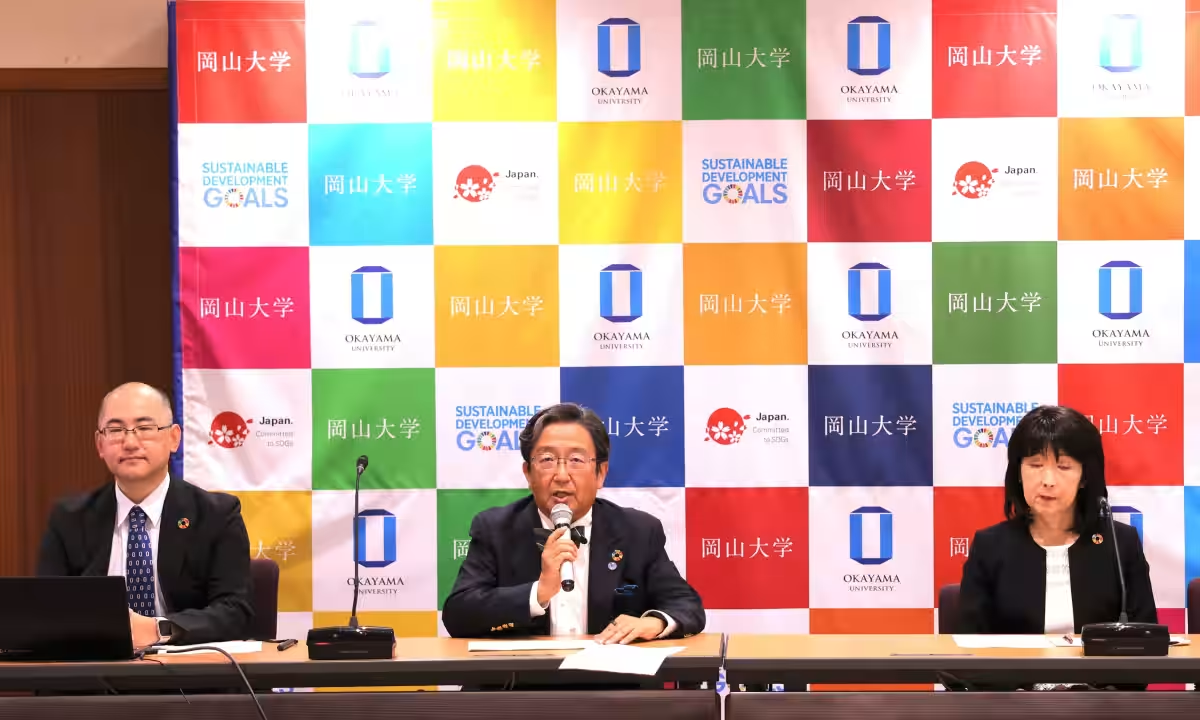
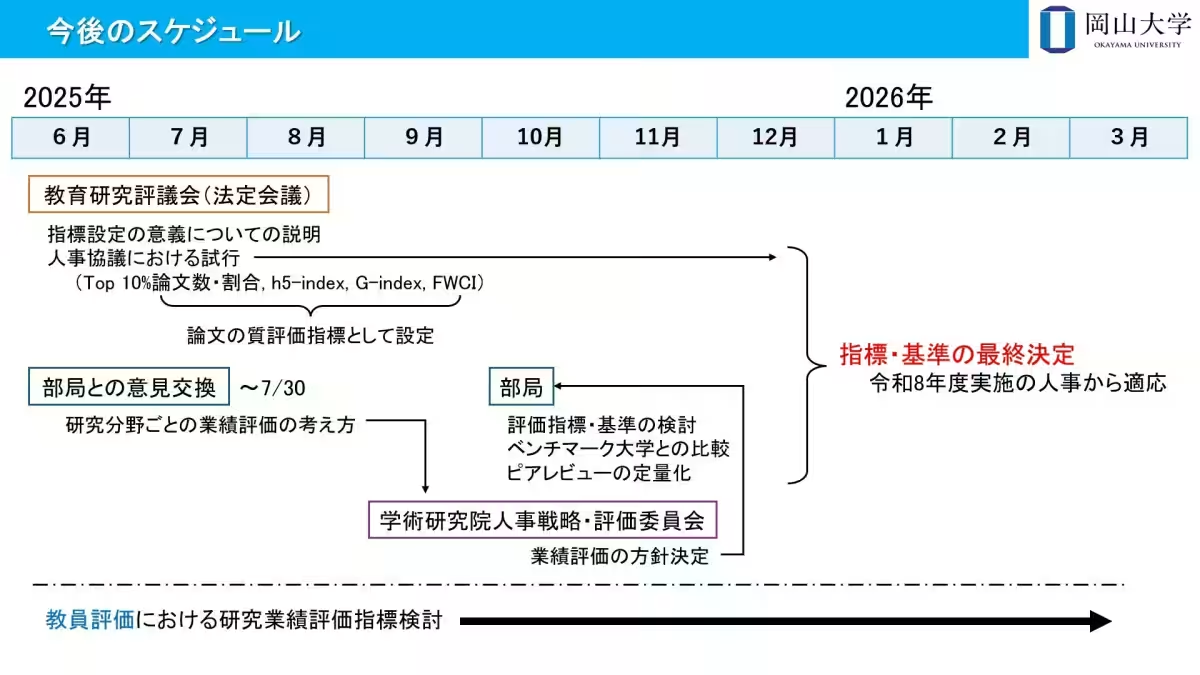
Okayama University, located in Okayama City, has unveiled a new approach to evaluating faculty research achievements. Announced during the regular press conference on August 29, 2025, this initiative aims to establish a more rigorous and transparent system for assessing the research performance of its academic staff, particularly those involved in the national project, J-PEAKS (Joint Program for Enhancing Academic Research).
In previous announcements, Okayama University had emphasized the importance of aligning its evaluation criteria with the guidelines set by the Ministry of Education, Culture, Sports, Science and Technology in Japan. The focus is on providing quantifiable measures that reflect the quality and output of research based on the unique characteristics of various academic fields.
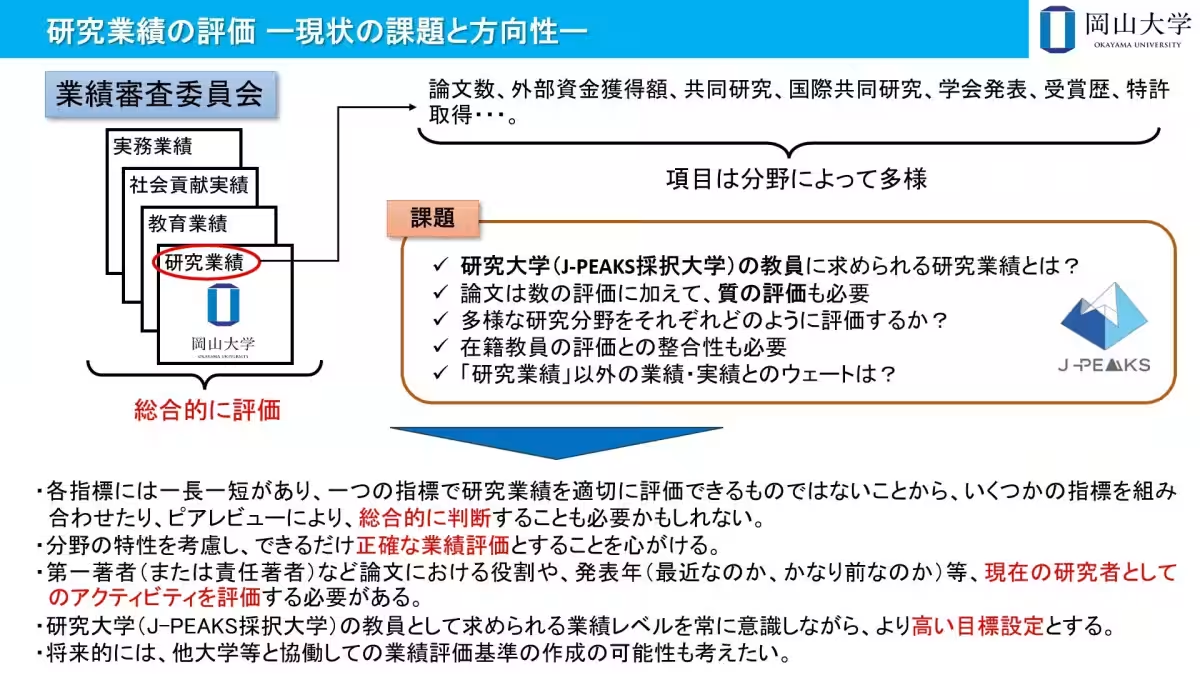
The university's administration is aware of key challenges, such as determining the appropriate balance between qualitative and quantitative evaluations and how to assess research across diverse disciplines. Recognizing that no single metric can accurately represent research output, they propose a combination of multiple indicators along with peer reviews to ensure a comprehensive evaluation.
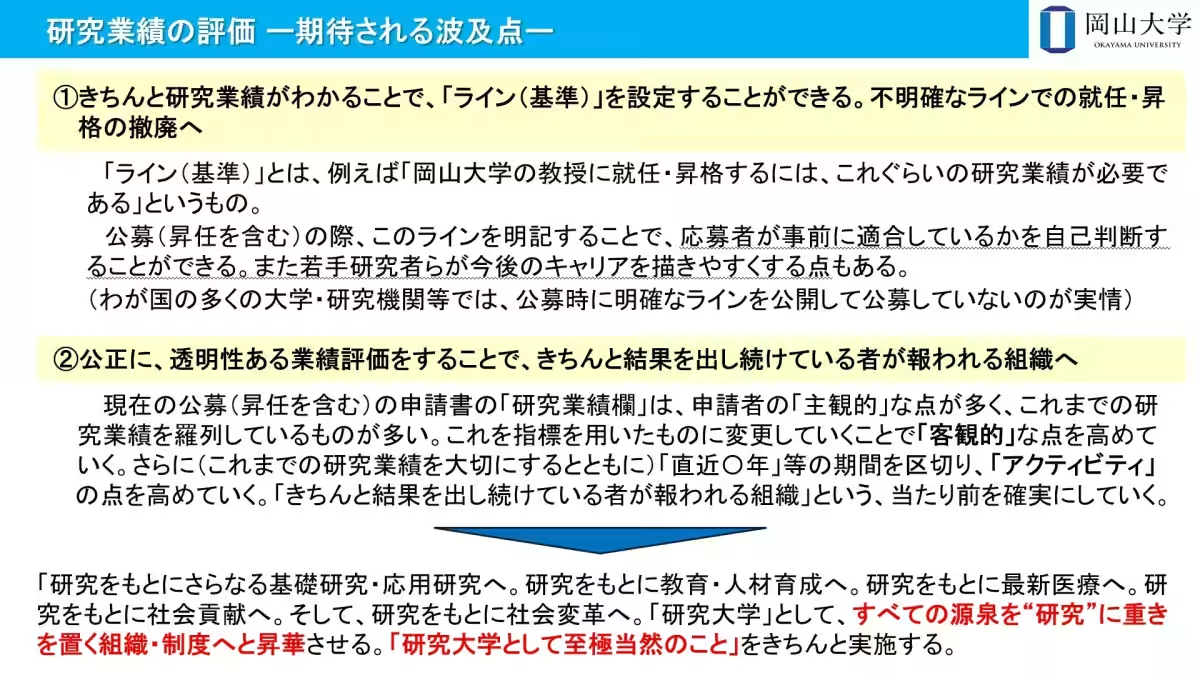
In setting these criteria, the faculty is encouraged to consider not only their past achievements but also the current relevance and impact of their work, including recent publications and ongoing projects. The goal is to foster an environment where active contributors in research are duly recognized and rewarded, thus enhancing Okayama University’s standing as a leading research institution.
Furthermore, this new policy underscores the university’s commitment to clarity and fairness in the recruitment and promotion processes—essentially allowing potential candidates to assess their compatibility with the university's standards before applying. Young researchers, in particular, will benefit from clearer pathways for career progression.
Currently, the application process for positions often relies on subjective accounts of research achievements, which can lack consistency and objectivity. By integrating concrete metrics, Okayama University aims to bolster the integrity of the application process, ensuring that consistent performance in recent years is recognized in addition to historical work. This move seeks to create an environment where dedication and continuous results are rewarded appropriately.
Commitment to Research Excellence
President Yasutomo Nasu emphasizes that the university's approach is rooted in fundamental principles—executing what is expected with diligence and rigor, as is typical for research universities. He acknowledges the challenges that come with these endeavors but believes that through collaborative efforts with stakeholders in the scientific community, the institution can make significant strides in the advancement of science and innovation in Japan. Nasu expressed that the previous announcement stirred a positive mix of reactions, generating constructive dialogues that will inform future initiatives.
Looking ahead, Okayama University is focused on its long-term vision for 2050, which emphasizes becoming a transformative force for regional and global innovation. This includes a commitment to applied and basic research, education, and societal contributions through innovative research practices. The initiative aims not only to strengthen research capacity but also to set the stage for broader social impacts.
All in all, Okayama University is poised to advance as a model research institution in Japan. With its research policies aligned with the national goals of fostering academic excellence, the university invites the community to share in observing its advancements moving forward.
Conclusion
In light of these developments, Okayama University is committed to maintaining its role as a central, innovative hub for research, grounded in objectives that serve local and global communities. The newly established benchmarks for research evaluation stand to pave the way for a more robust academic framework, contributing to the scientific landscape in Japan and beyond.
Topics Other)
【About Using Articles】
You can freely use the title and article content by linking to the page where the article is posted.
※ Images cannot be used.
【About Links】
Links are free to use.