



Recent Survey Reveals Surge in AI Utilization for Information Gathering Among Users
The Rise of AI: Over 50% Use for Information Gathering
In a recent study conducted by Nile Inc., a company specializing in digital transformation and marketing, the utilization of generative AI for everyday information gathering has significantly increased. The survey gathered responses from 1,028 individuals aged 20 to 60 across Japan from October 15 to 17, 2025. The results indicate a remarkable rise compared to a similar survey conducted in March 2025.
Significant Growth in AI Utilization
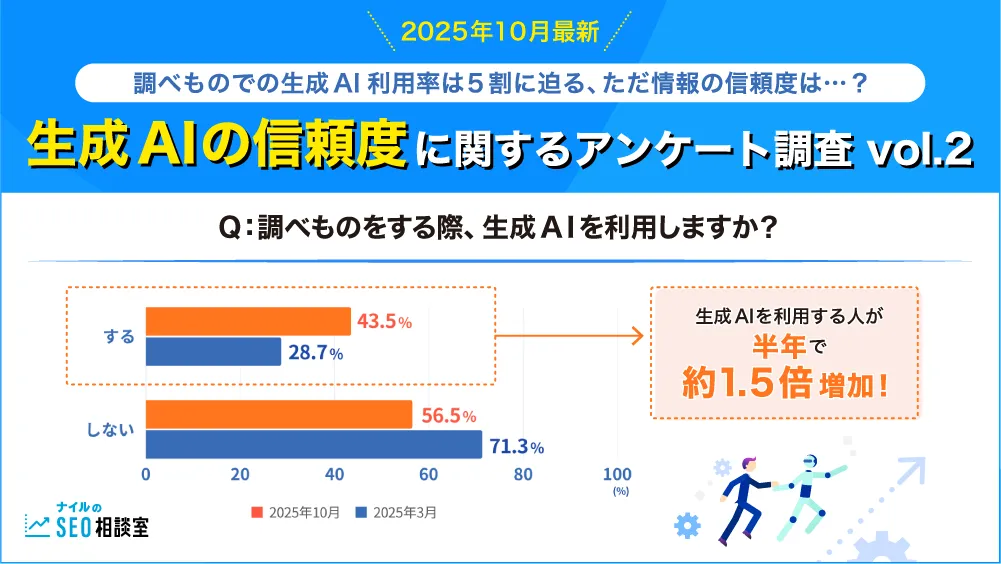
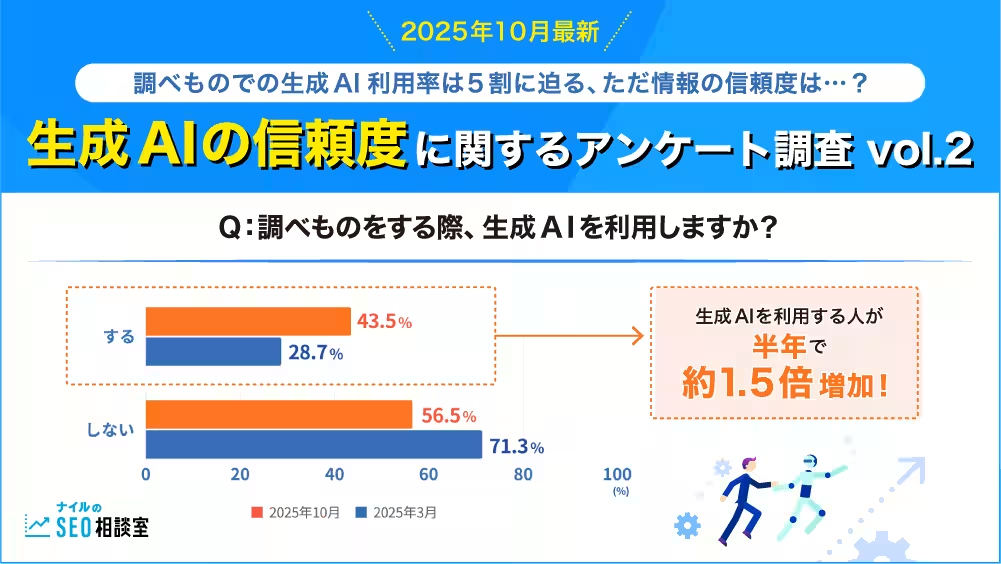
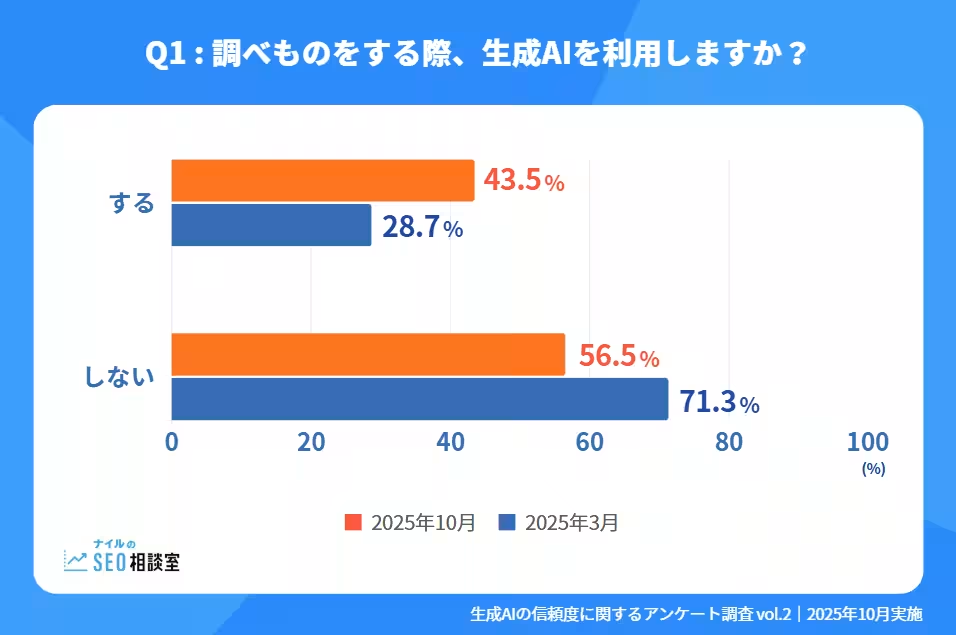
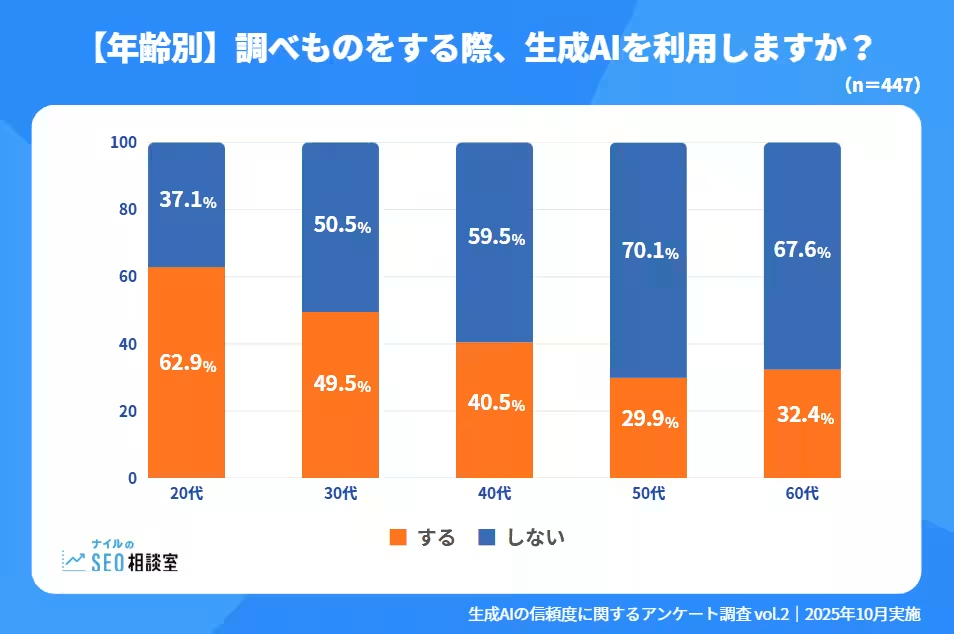
The percentage of respondents who reported using generative AI for research tasks surged from 28.7% to 43.5% within just six months, highlighting that generative AI is rapidly becoming a mainstream informational resource. Notably, usage among younger users, particularly those in their 20s, reached over 62.9%, while the figure for individuals in their 30s stood at 49.5%. This trend demonstrates that digital natives are more inclined to embrace new technologies with less resistance, integrating them into their daily lives.
On the contrary, the usage rates decline significantly among older generations, suggesting that unfamiliarity with new tools and concerns about their reliability play a substantial role in this demographic's hesitance to adopt generative AI for information acquisition.
A Distinct Divide: AI vs. Traditional Search Engines
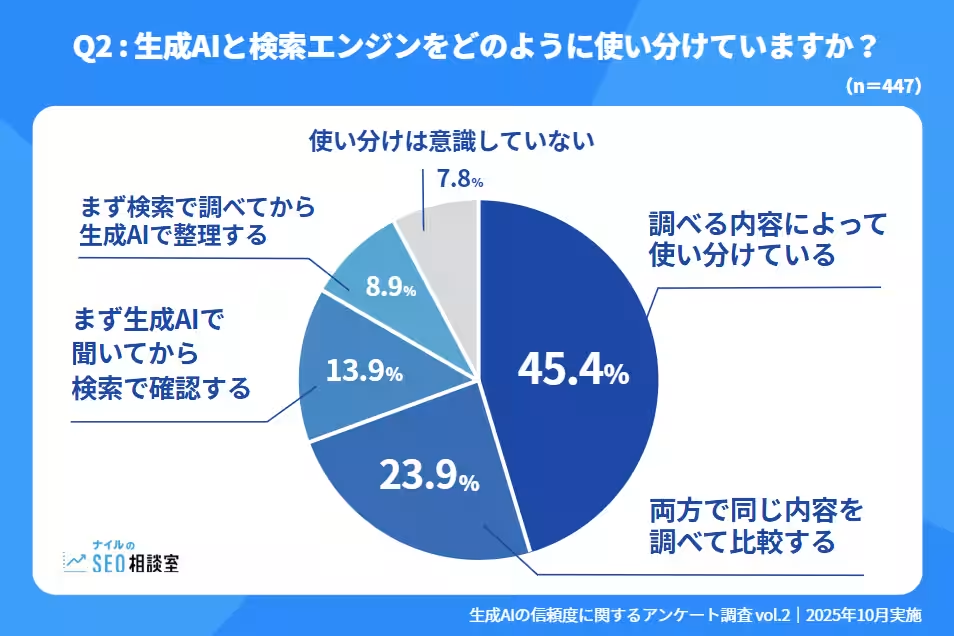
When it comes to choosing between generative AI and traditional search engines, most users reported differentiating their use based on subject matter. About 45.5% stated they switch between both tools depending on the topic. This shows a growing understanding among users of the strengths and weaknesses of each resource, enabling them to optimize their information-seeking process.
Interestingly, 23.9% reported checking the same information across both platforms for comparison, while 13.9% first consult generative AI before verifying details through search engines. This behavior reveals that while users appreciate the convenience of generative AI, they remain cautious and often seek additional verification before fully trusting the provided information.
AI's Role in Information Gathering
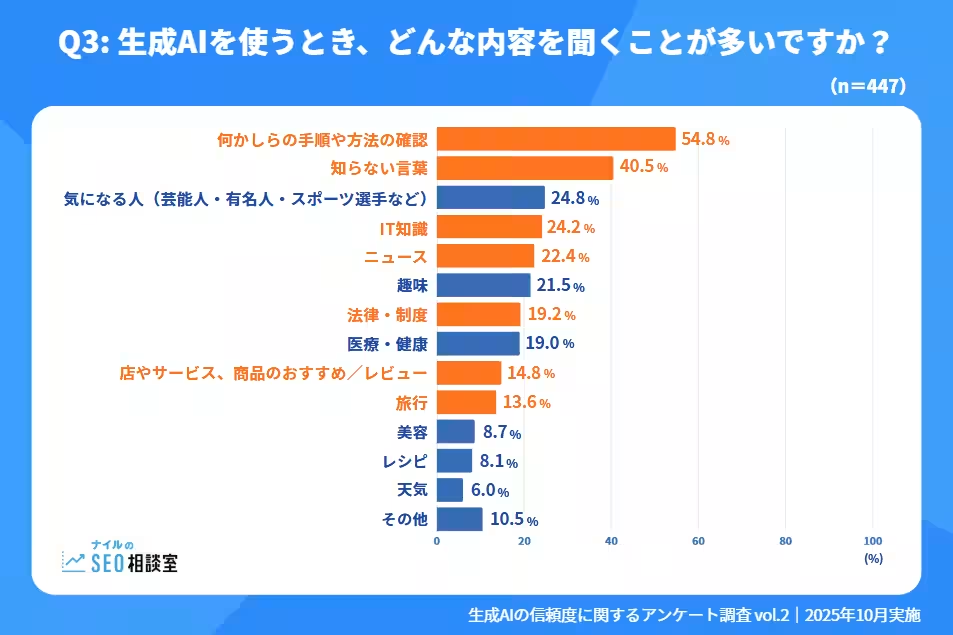
According to the survey, the most common use of generative AI was for confirming steps or methods (54.8%), followed by inquiries into unfamiliar terminology (40.5%). This suggests that many users rely on generative AI as a tool similar to a dictionary or a source for simplified explanations of complex processes.
Despite a notable interest in real-time information like news (22.4%) and critical topics requiring accuracy such as IT knowledge (24.2%) and legal systems (19.2%), the adoption of generative AI for recommendations on stores, services, or travel remains limited. These themes often require personalized experiences and reviews, which generative AI has not yet fully harnessed.
Currently, generative AI serves primarily as a reliable assistant for sorting through complex information and clarifying concepts, thus catering mainly to users seeking simplified explanations.
Need for Enhanced Reliability in AI
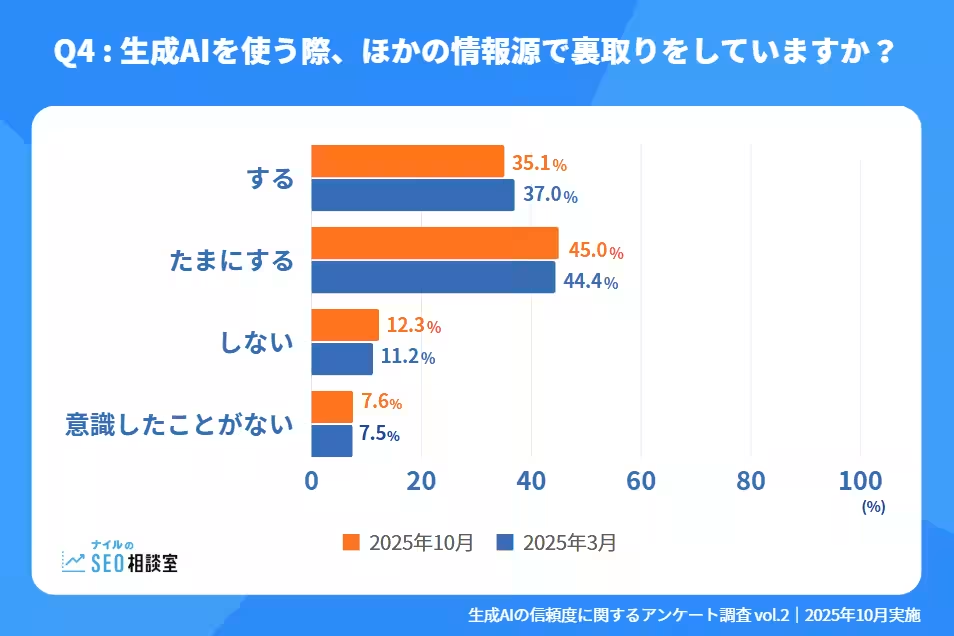
When asked about fact-checking, 35.1% of users confirmed they routinely verify information from other sources, and 45% do so occasionally. This indicates that while the usage of generative AI is on the rise, users still harbor significant concerns regarding the accuracy of AI-generated content.
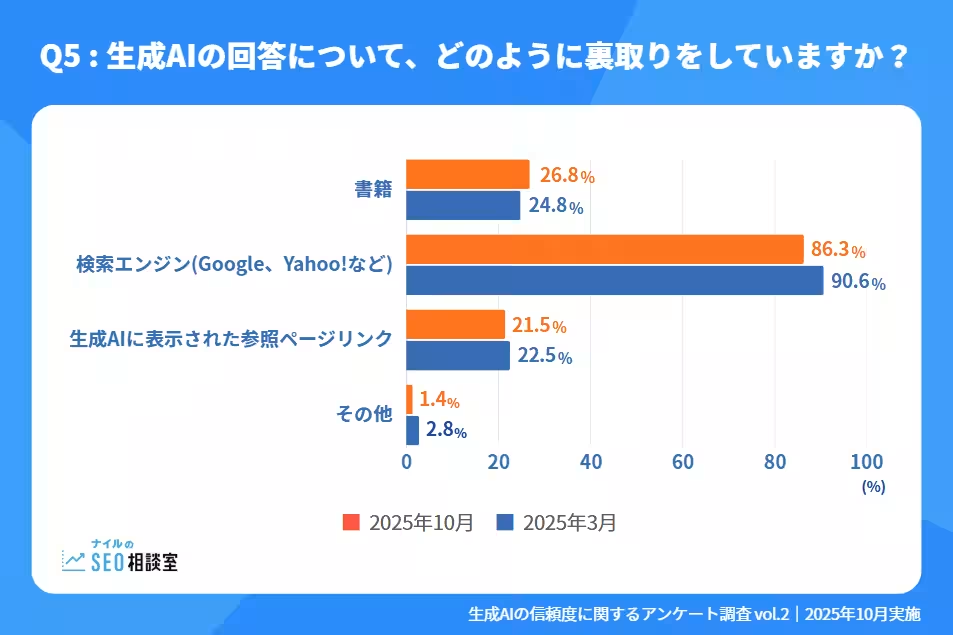
Among various fact-checking methods, search engines remain the dominant choice at 86.3%. This suggests that while users increasingly utilize generative AI, they often revert to traditional search engines for final verification. Notably, the usage of reference links provided by AI services is stagnant at only 21.5%, underscoring a preference for independent verification methods over AI-suggested sources.
Future Prospects for AI in Research
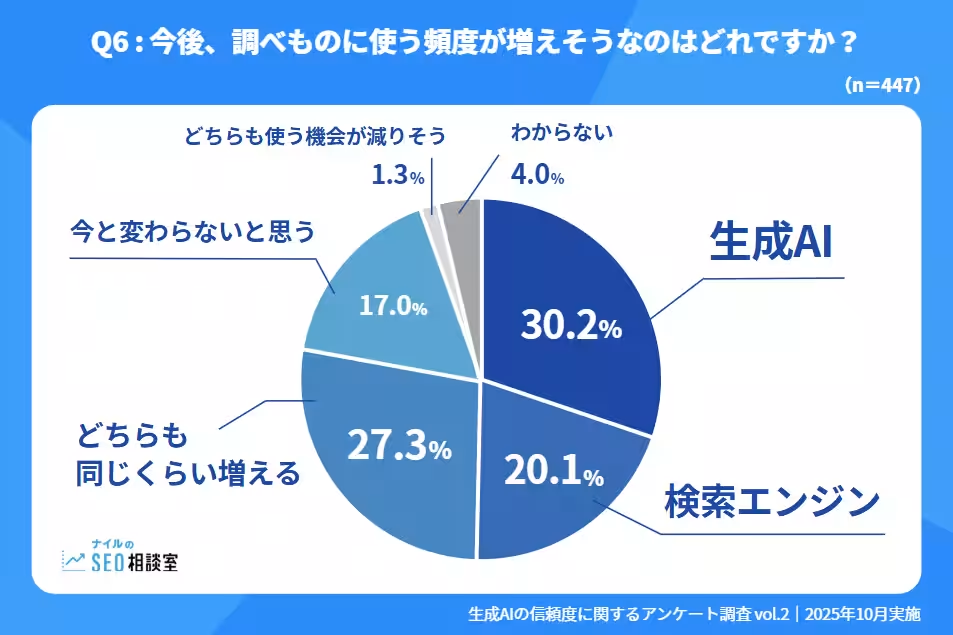
Looking forward, 30.2% of respondents indicated they anticipate using generative AI more frequently for research tasks, surpassing those who believe they will use search engines more (20.1%). Combined with those who see equal increases in both AI and search engine usage (27.3%), over half predict that generative AI will serve as a more integral research tool in the future.
This shift indicates that rather than completely replacing traditional searching methods, generative AI is likely being used as an entry point or a supplementary tool. As the performance and answer quality of generative AI improve, its adoption for simple queries or procedural confirmations is expected to rise.
Yet, the ongoing concerns related to information accuracy are unlikely to be resolved quickly, and users will continue to prioritize fact-checking through traditional search engines.
Conclusion: Growing Use Amid Trust Issues
This survey clearly shows an increasing trend in the use of generative AI for information gathering, particularly among younger audiences. However, the simultaneous need for fact-checking illustrates that nearly 80% of users remain cautious about the validity of AI-generated content.
Considering that the preferred fact-checking method involves search engines, it appears that generative AI and traditional search engines are not competing forces but are instead developing a complementary relationship. Moving forward, generative AI’s prevalence is expected to rise, albeit alongside ongoing vigilance regarding information accuracy and reliability.
Topics Business Technology)
【About Using Articles】
You can freely use the title and article content by linking to the page where the article is posted.
※ Images cannot be used.
【About Links】
Links are free to use.