



Investing in Japan's Cultural Heritage: The Kazeno Heritage Project
Investing in Japan's Cultural Heritage: The Kazeno Heritage Project
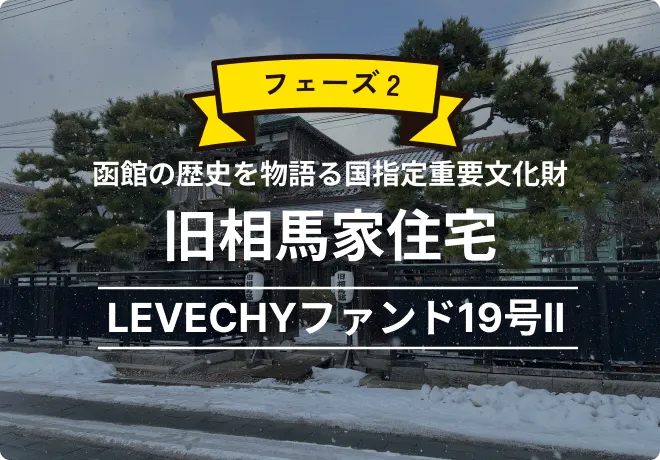
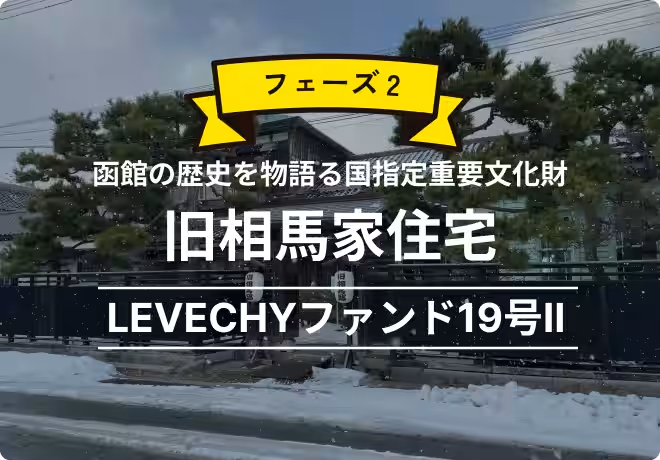
In a fascinating initiative, the LEVECHY Corporation has launched a new investment opportunity focused on preserving significant cultural heritage in Japan. Starting from March 6, 2026, investors will have the chance to participate in the LEVECHY Fund 19 Phase II, which centers around the former Soma family residence, a designated Important Cultural Property located in Hakodate City, Hokkaido.
What is the Kazeno Heritage Project?
The Kazeno Heritage project represents an innovative approach to real estate crowdfunding, specifically targeting the renovation and maintenance of historically significant properties. This fund aims to revitalize the former Soma residence while supporting local community development. The project is designed to ensure that every contribution has a tangible impact on cultural preservation and tourism in Japan.
Project Features
The LEVECHY Fund 19 Phase II stands out due to its combination of secure returns and cultural significance. The property offers stable income through fixed rental agreements regardless of hotel occupancy rates, effectively reducing exposure to market volatility. Additionally, multiple revenue streams are being explored, including coin parking facilities and vending machines.
This mid-to-long-term investment project spans a five-year duration, aimed at not only protecting this cultural heritage but also promoting it as a beloved local asset. Investors can anticipate a target yield of 4.0% per annum (before tax) based on stable income from rental agreements.
The Historical Significance of the Soma Residence
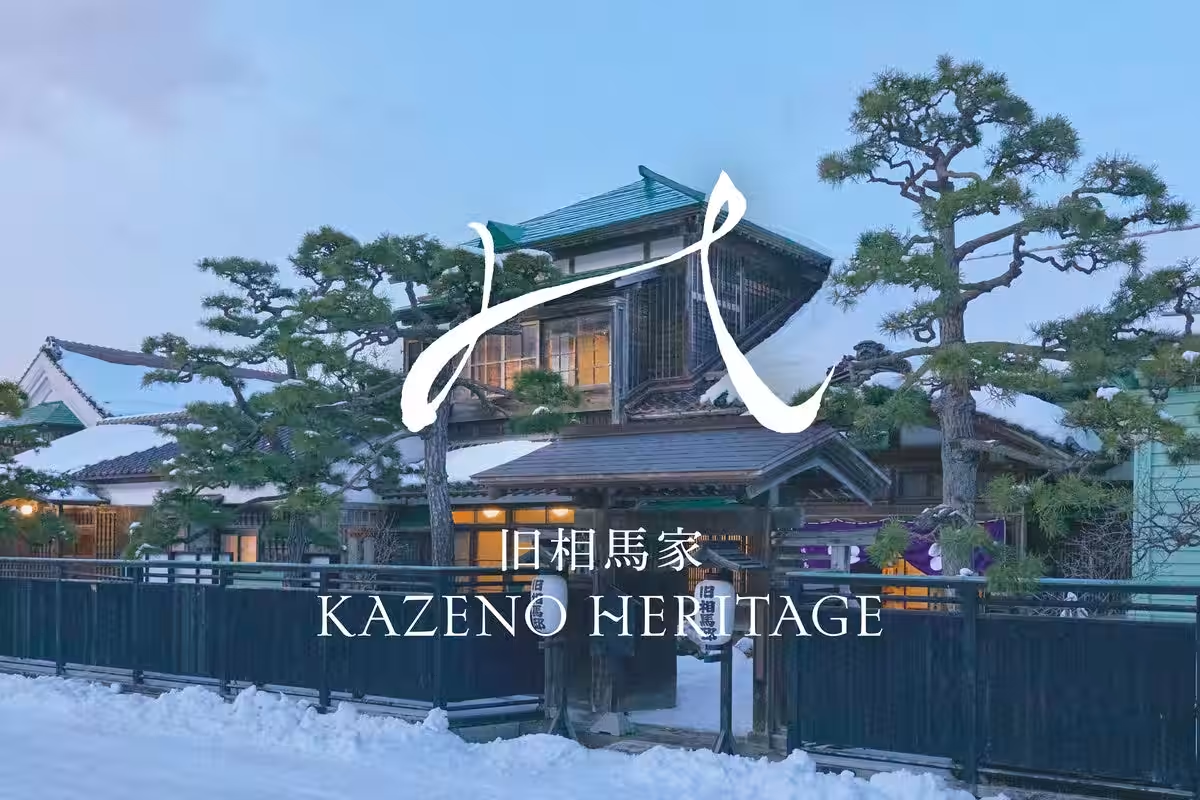
Originally constructed in 1908 by Tepte Soma, a prominent local businessman, the former Soma residence reflects a unique architectural heritage that harmonizes both Japanese and Western styles. Following a significant fire in Hakodate, this structure was built to create jobs and contribute to city recovery. Today, it serves not only as a repository of history but also as a hub for regenerative tourism, where the act of staying supports preservation efforts.
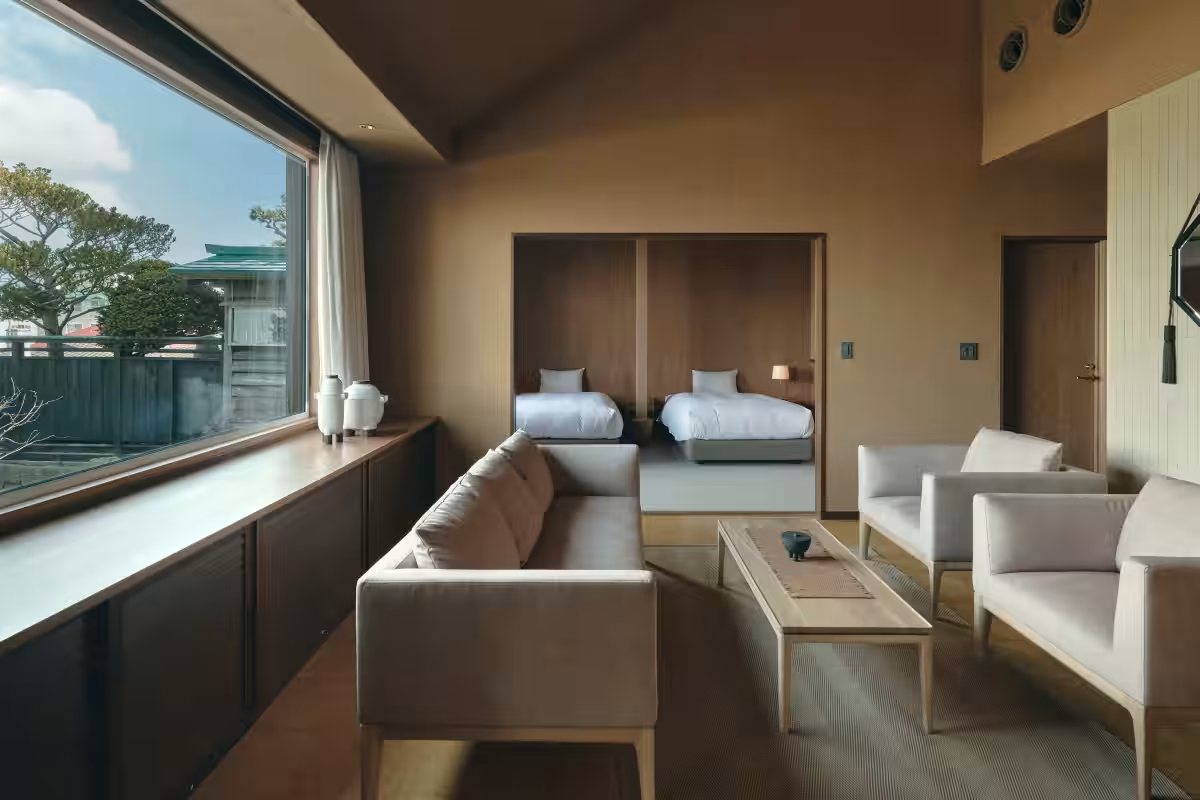
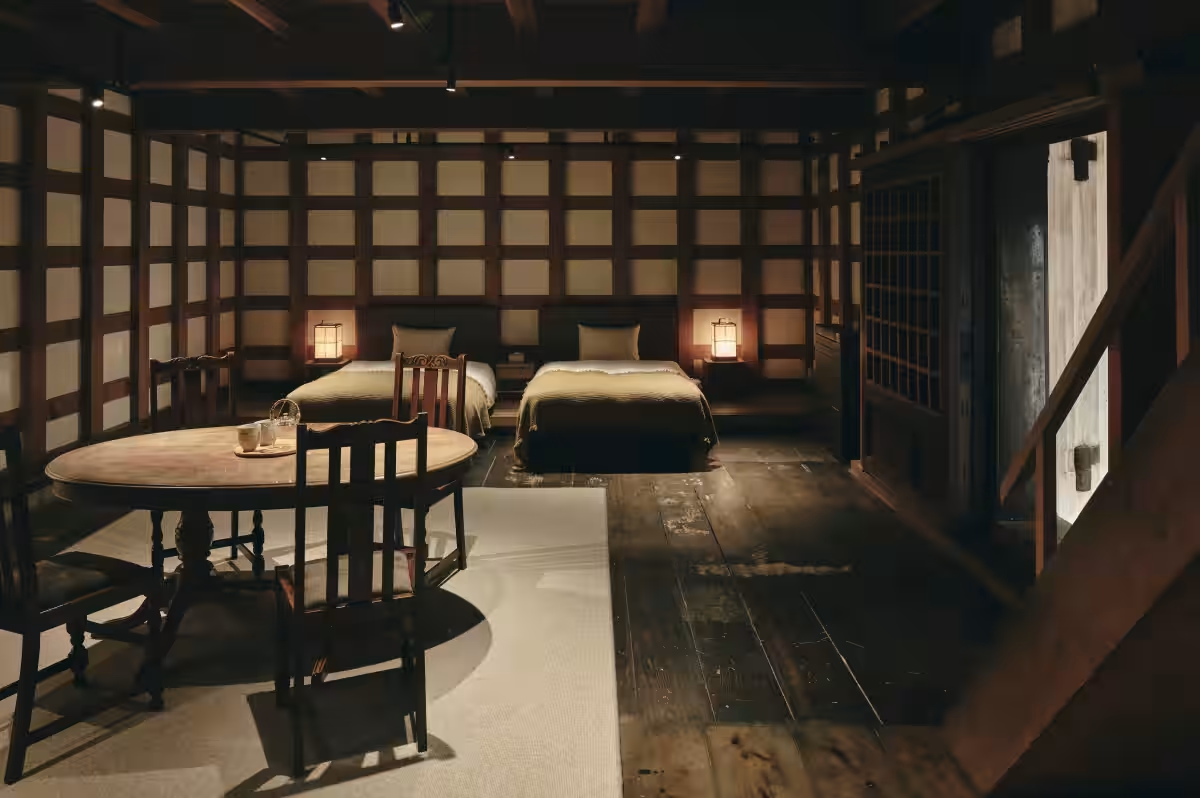
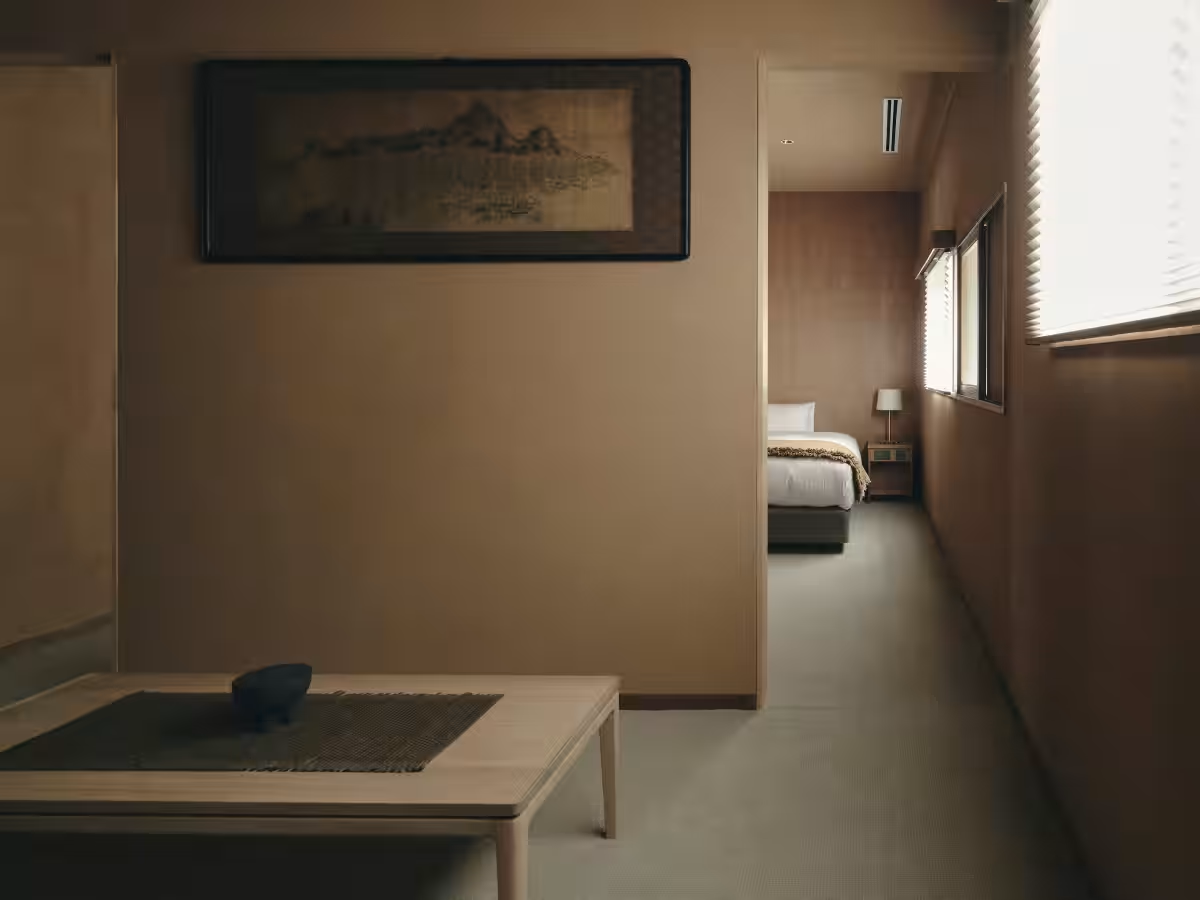
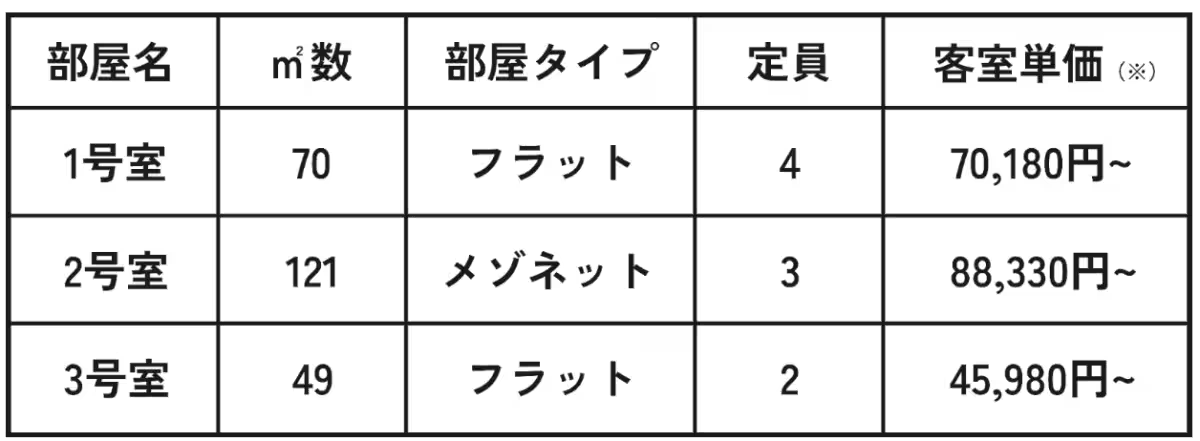
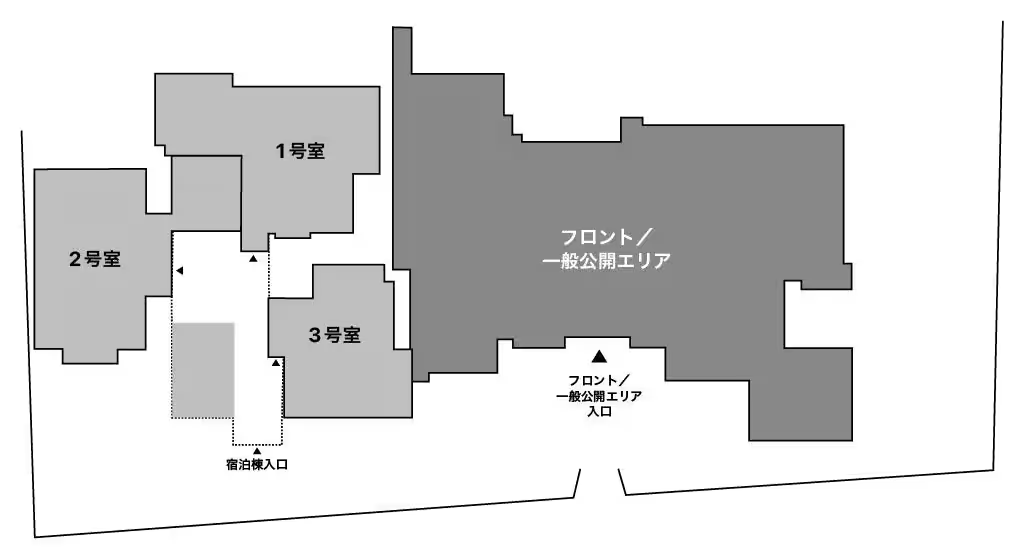
Upon its completion, the hotel will feature three beautifully restored guest rooms:
1. Room Hi: A cozy bedroom with a living area.
2. Room Fu: Incorporating a designated cultural property warehouse.
3. Room Mi: Featuring a distinct living space.
Importantly, the restoration maintains the authenticity of the property without physical alterations to its designated areas.
Local Attractions and Accessibility
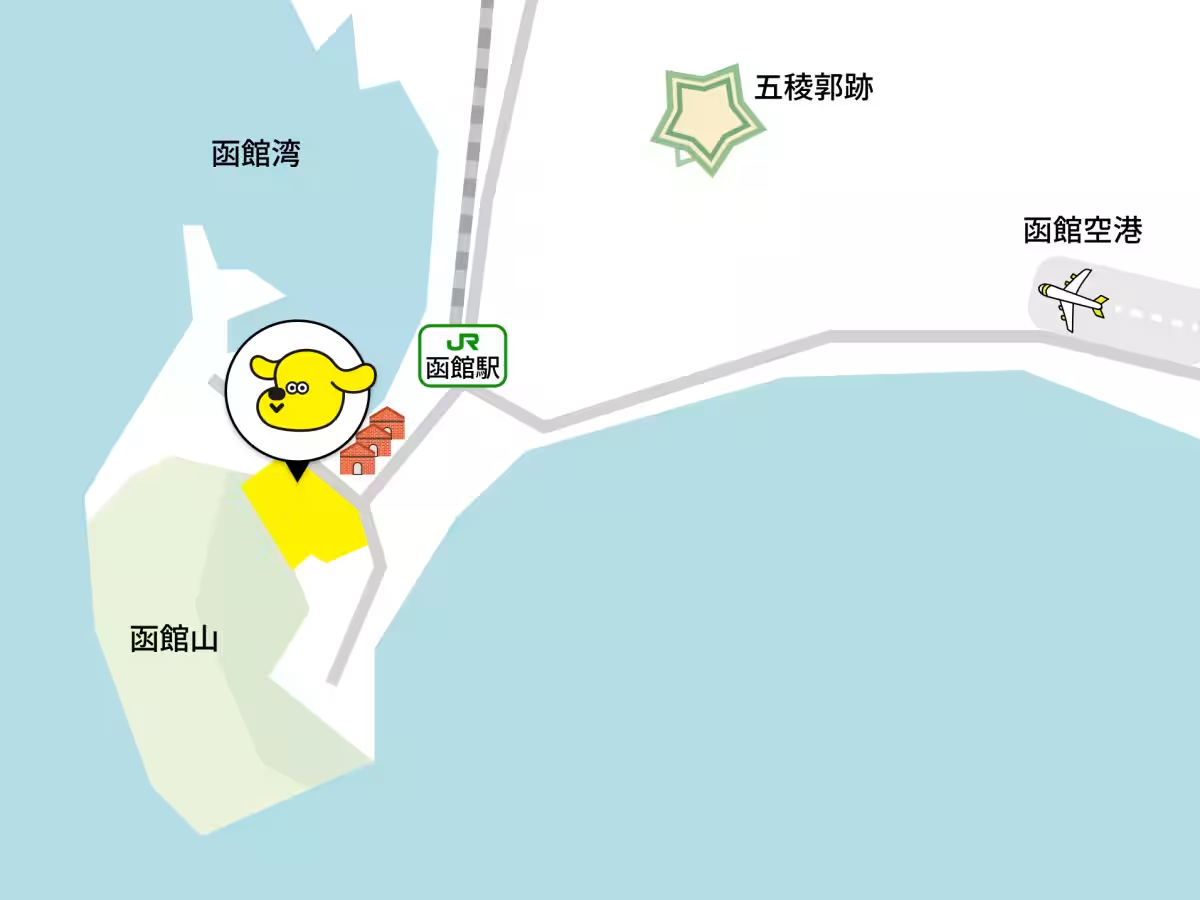
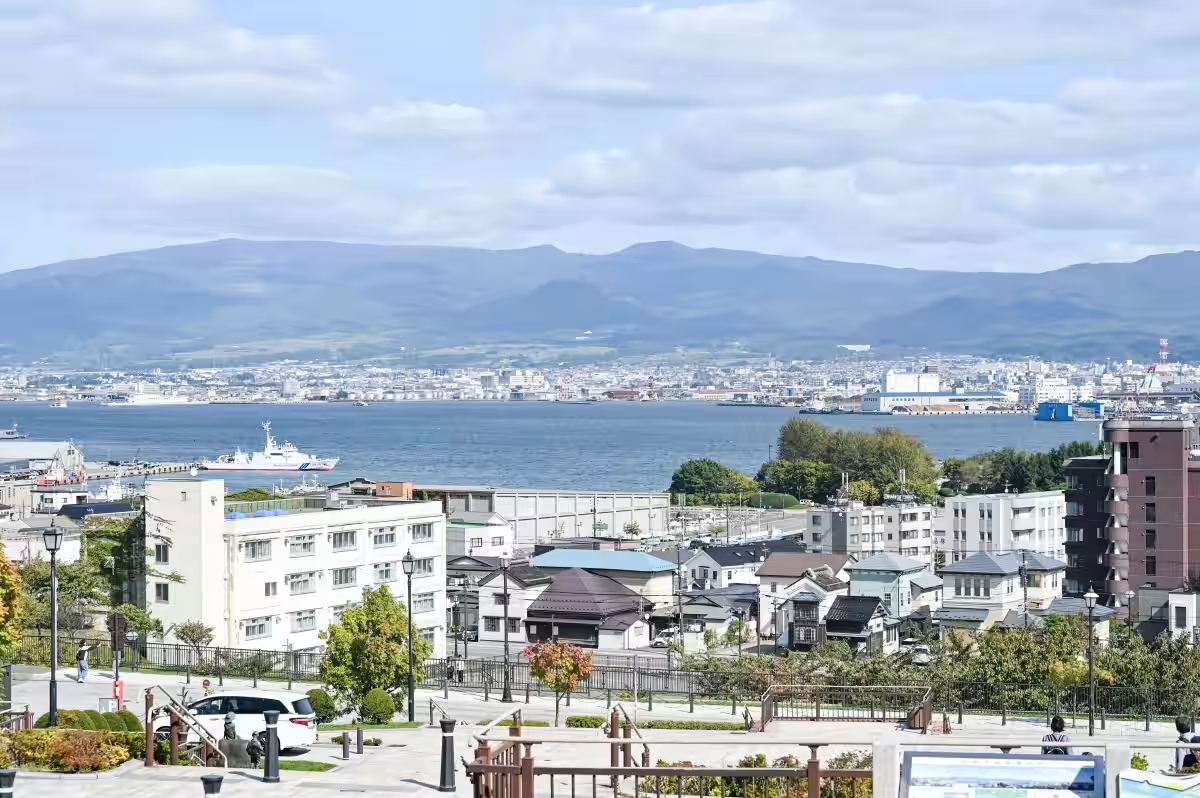
Situated mid-slope en route to the iconic Mount Hakodate, the property offers scenic views of Hakodate Bay. It is conveniently located a mere 15 minutes by car from Hakodate Station and approximately 25 minutes from Hakodate Airport. The surrounding area is home to various historical sites, including the Old Hakodate Ward Public Hall and Hakodate’s unique cobbled streets, making the Kazeno Heritage site a prime destination for tourists.
Despite its transformation into a hotel, the main residence will remain open to the public, ensuring continued access to this crucial cultural asset.
Investment Opportunities
The fundraising period for the LEVECHY Fund 19 Phase II will be from March 6, 2026, to March 26, 2026, with a goal of raising approximately 114,450,000 yen. The available features also include cash back and reinvestment campaigns, encouraging investor engagement in sustainable projects.
Conclusion
The Kazeno Heritage project reframes how we think about investing in real estate, blending financial gains with cultural preservation and community renewal. This initiative presents a unique opportunity for individuals interested in contributing to the sustainability of Japan’s cultural heritage while gaining an attractive return on investment. For additional details on the project, prospective investors can visit the LEVECHY website to explore further.
With this innovative approach, the Kazeno Heritage project invites everyone to partake in a legacy that transcends mere financial transactions, fostering appreciation for Japan’s rich cultural heritage for future generations.


Topics Consumer Products & Retail)




【About Using Articles】
You can freely use the title and article content by linking to the page where the article is posted.
※ Images cannot be used.
【About Links】
Links are free to use.