



Exploring Biodiversity through Handmade Biotopes in Tsukuba City, Japan
Handmade Biotope in Tsukuba City
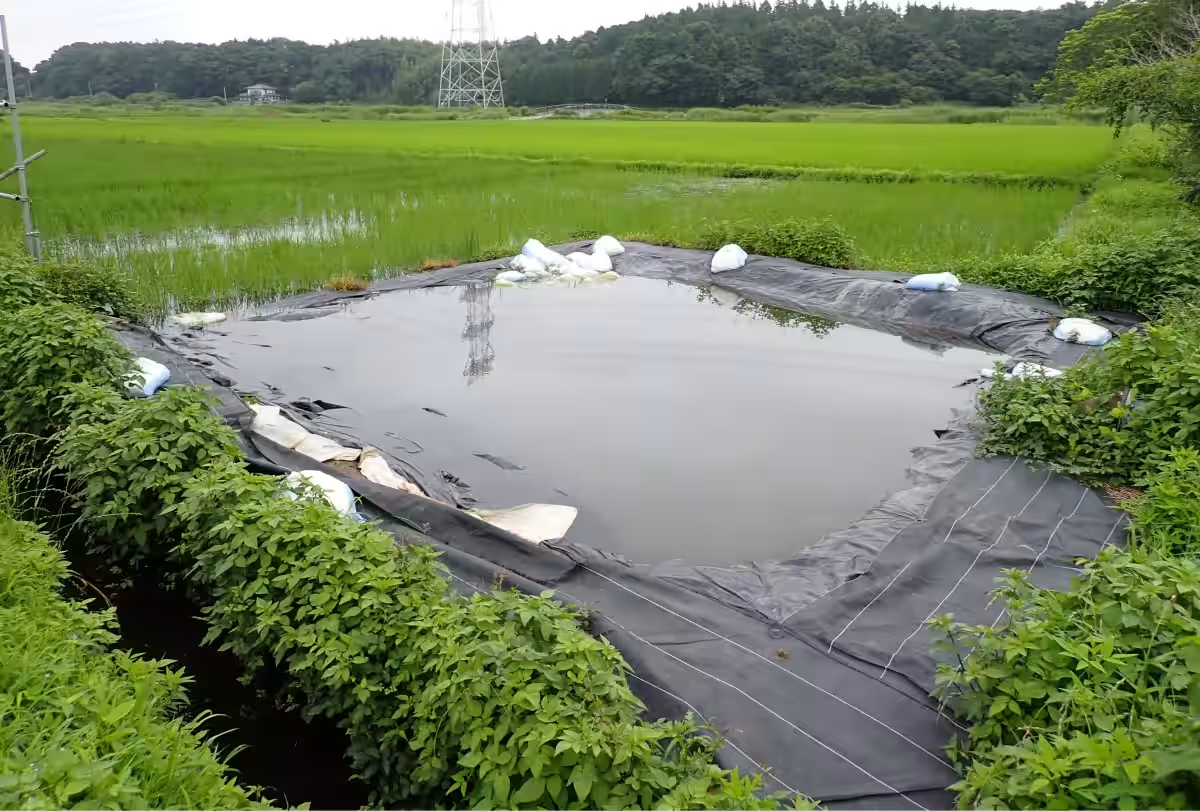
In an inspiring initiative led by a group of volunteers from the Pal System Cooperative Federation, a handmade biotope has been established in the fields of Tsukuba City, Ibaraki Prefecture, Japan. On July 4, the team conducted their second "species survey" for the season, revealing an increase in the number of identified species from 18 to 26, showcasing the ongoing success of their ecological conservation efforts.
The Unique Ecosystem
The biotope, which was created by staff using heavy machinery to dig the soil and cover it with vinyl to divert water from the rice paddy, reflects a commitment to enhancing biodiversity in a farming environment, free from the use of chemical fertilizers and pesticides. The season of dragonflies is a hallmark of this initiative, as they flourish in this safe and nurturing environment.
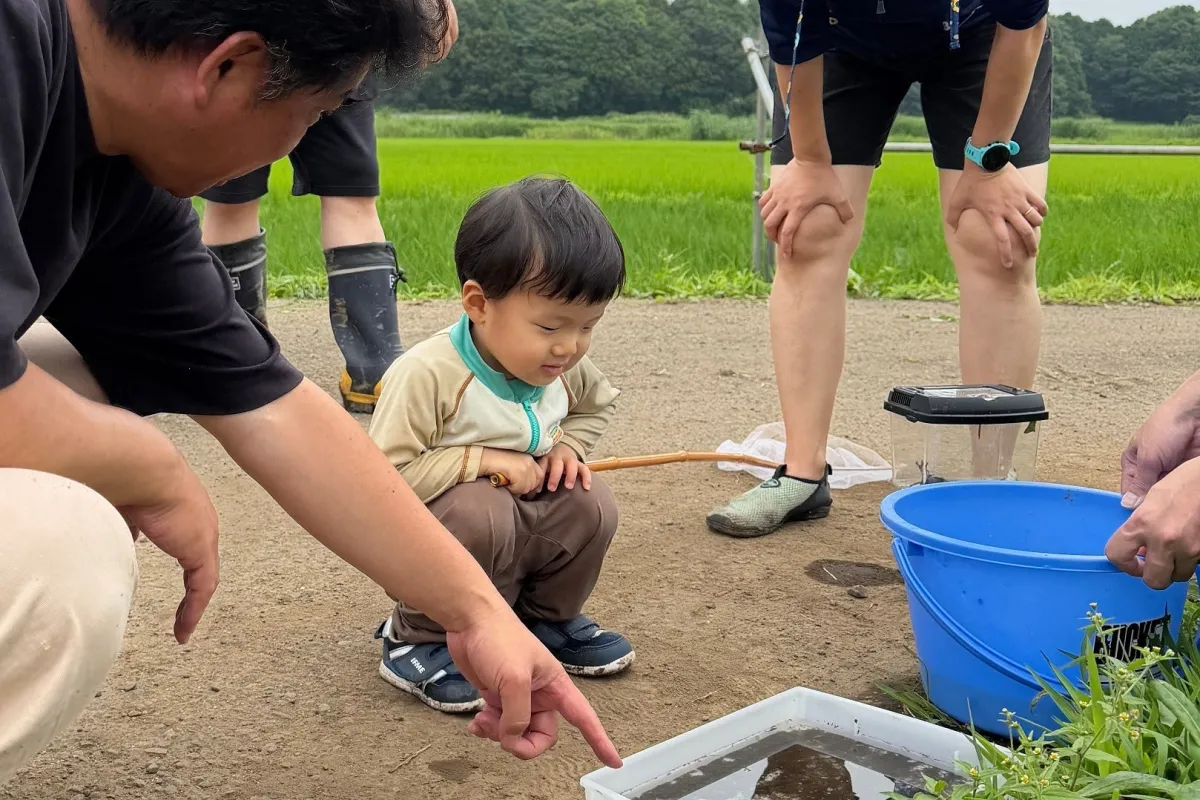
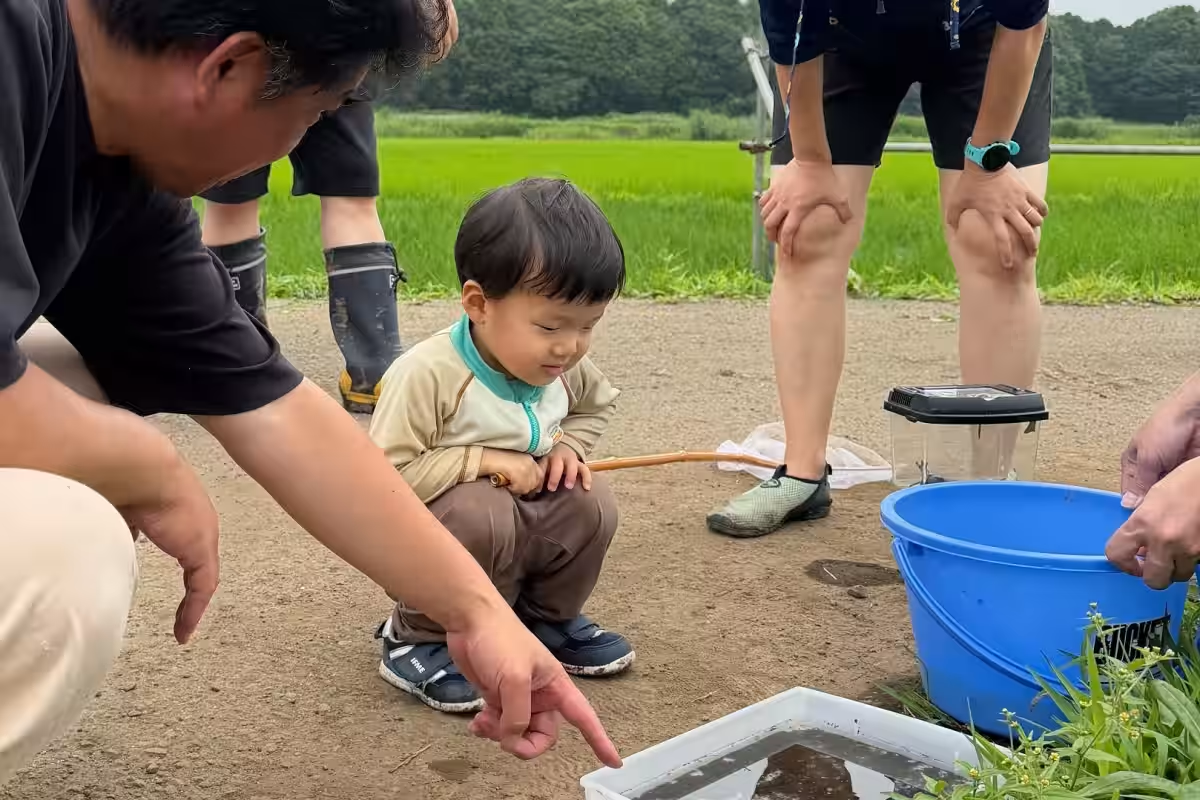
The first survey took place at the end of May, just after rice planting. This handmade ecosystem has attracted a variety of creatures, and the volunteer survey team documented the species that gathered there. This initiative has even included children as young as two, highlighting the community aspect of their work.
Species Discoveries
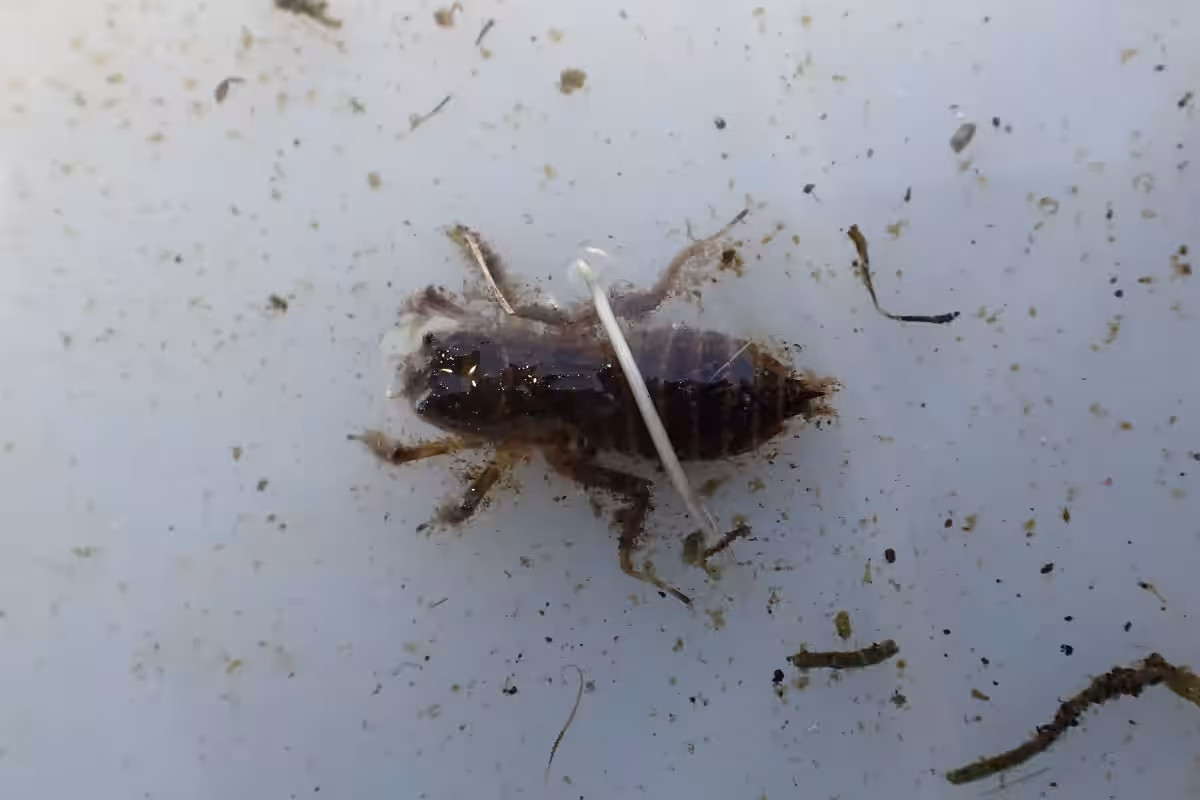
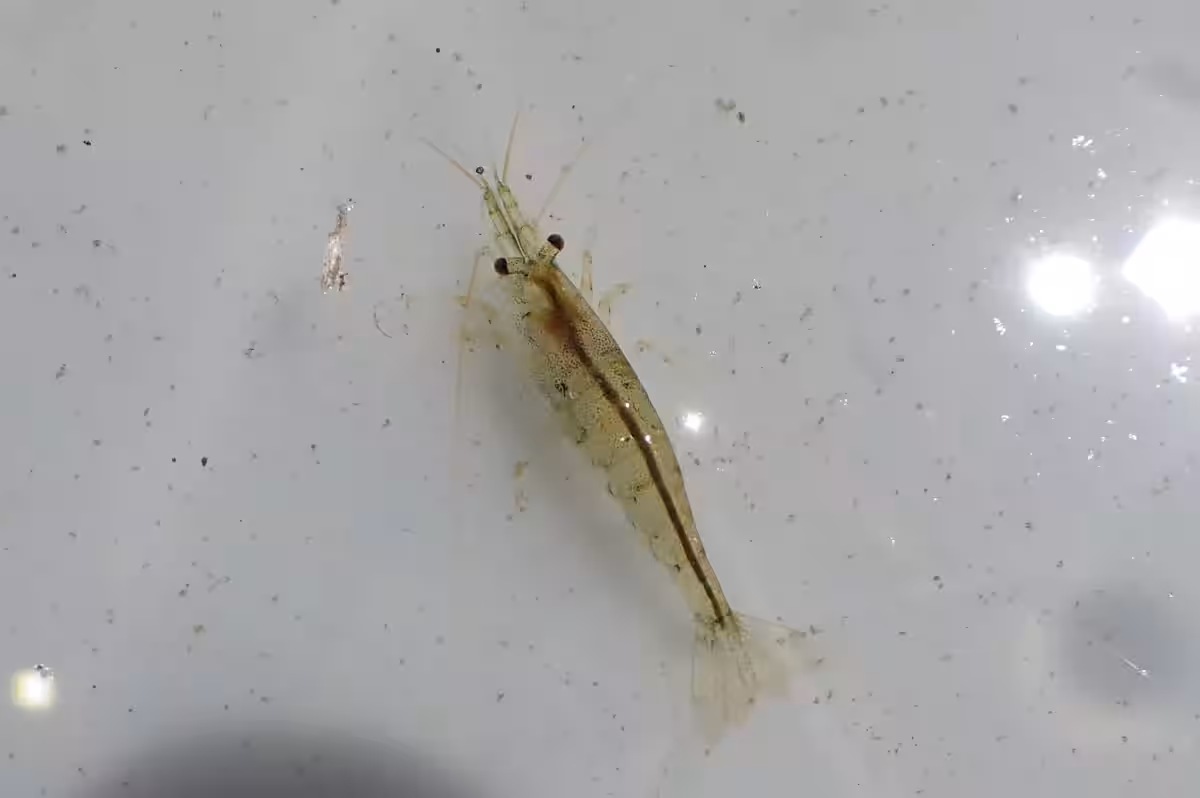
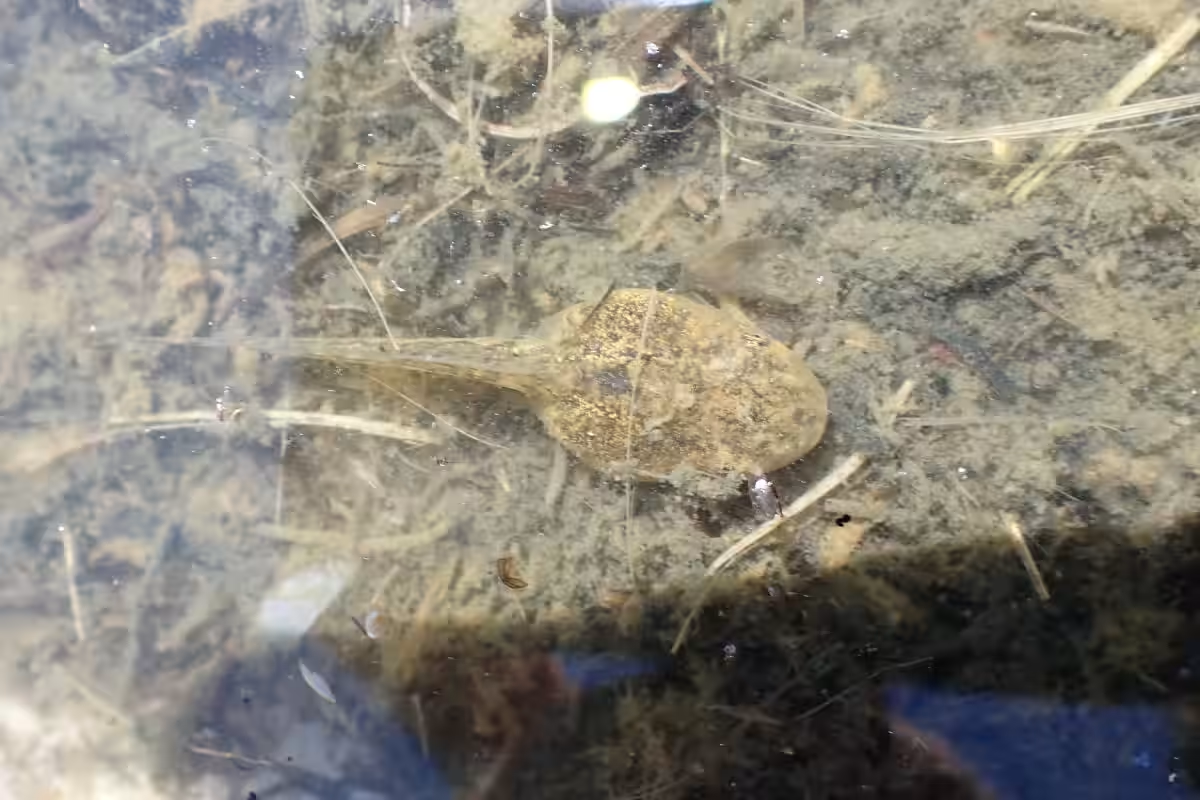
During the recent survey, the team found various creatures, including the Asian clam and young invasive species like the black bass. The biotope also supports multiple species of shrimp and aquatic insects, as well as frogs. The emergence of dragonflies indicates a healthy environment, as several dragonfly larvae had successfully hatched since the last survey.
On the edges of the biotope and grassy areas, team members spotted numerous grasshoppers, cabbage white butterflies, and spiders, illustrating a vibrant and diverse habitat. To their delight, the team also discovered that wild ducks had begun to visit the biotope, confirming the breadth of life the ecosystem has fostered.
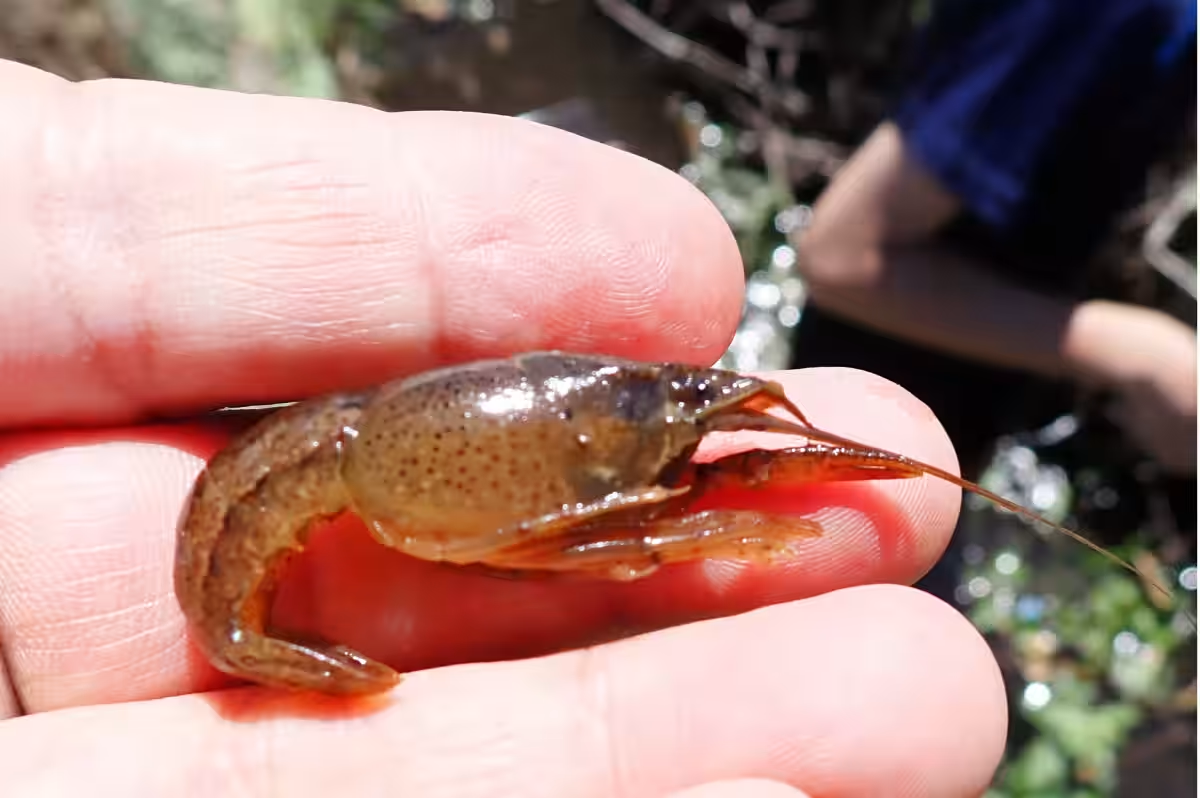
The first survey revealed that 18 species were present, including both native and invasive ones, with water bodies housing a variety of fish species and amphibians. Notably, the presence of the Philippine flatworm and American crayfish, while concerning due to their invasive nature, provides important insights into the ecosystem's dynamics.
Ecological Interconnectivity
Through these surveys, it's evident that the biotope is not an isolated entity but part of a larger ecological network. Waterways connect it to surrounding areas, serving as habitats and feeding grounds for species such as mud minnows and Japanese catfish, as well as offering rest stops for migratory aquatic insects.
Focus on biological diversity has been crucial since the inception of the biotope project in 2004. Pal System's continued commitment to supporting environmentally friendly agricultural practices is evident in their strong focus on reducing reliance on chemical pesticides.
Commitment to Sustainability
The

Topics Other)

【About Using Articles】
You can freely use the title and article content by linking to the page where the article is posted.
※ Images cannot be used.
【About Links】
Links are free to use.