



Eneliver Launches Next-Gen Energy Management System for Homes and Facilities
Introduction
Eneliver Inc., based in Shinjuku, Tokyo, has recently unveiled its next-generation energy management system known as Eneliver EMS. This innovative system aims to enhance energy visibility and optimization for both residential and commercial facilities, ultimately reducing monthly electricity expenses.
Background and Objectives
In light of surging electricity costs, the rising adoption of renewable energy, and initiatives supporting smart meters, solar power, batteries, and electric vehicles (EVs), optimizing energy use has become essential. Eneliver EMS addresses these societal needs by facilitating reductions in power consumption, electricity bills, and CO₂ emissions.
What is EMS?
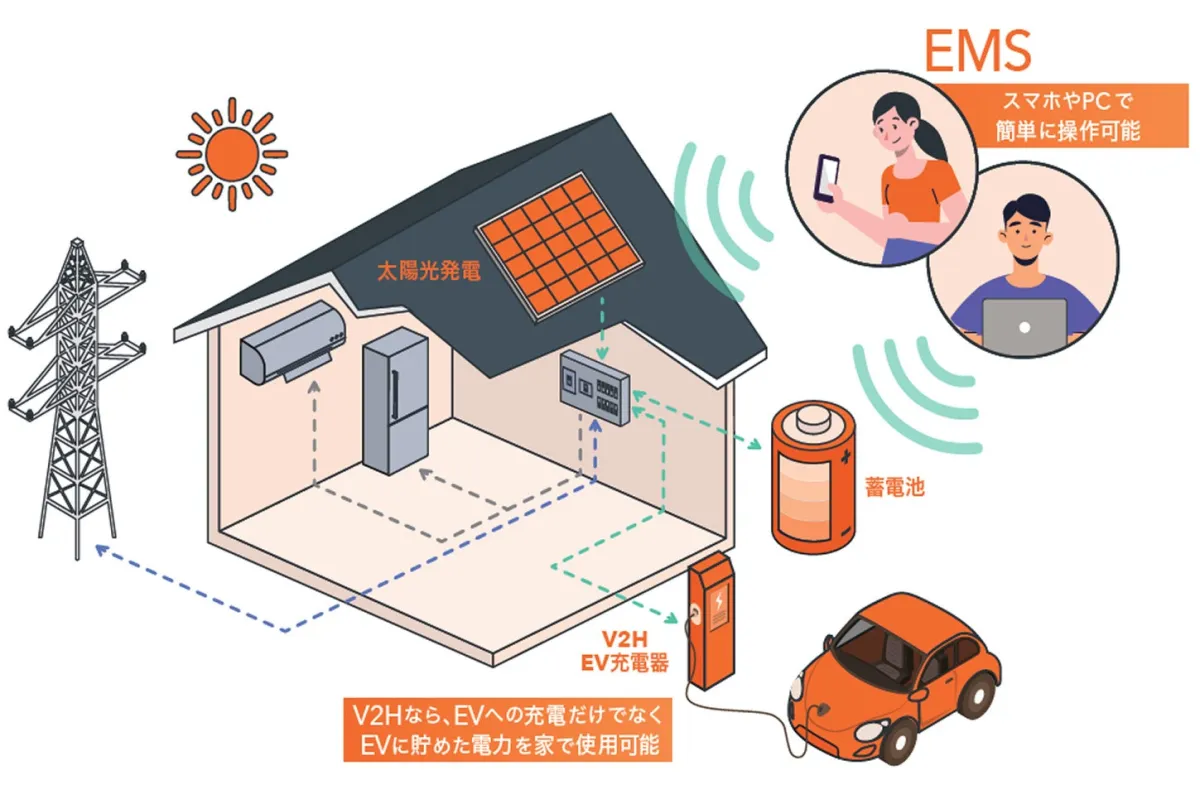
Energy Management Systems (EMS) monitor and control how energy is utilized in households and facilities. Recent advances in smart meter deployment and the integration of solar power, batteries, and EV charging stations, spurred by government incentives, have amplified the importance of EMS. The Japanese government actively supports the proliferation of EMS to improve energy self-sufficiency and mitigate grid loads and environmental impacts.
Key Features of Eneliver EMS
Real-Time Visibility and Automatic Control
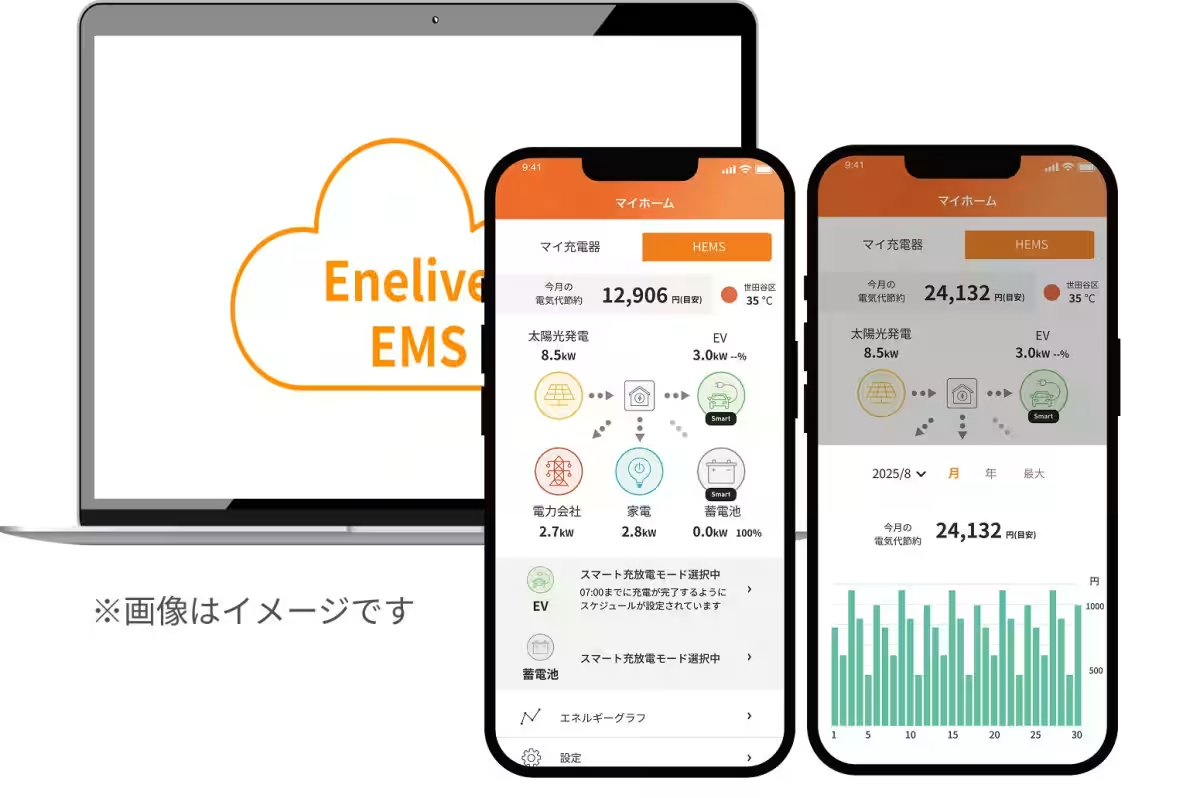
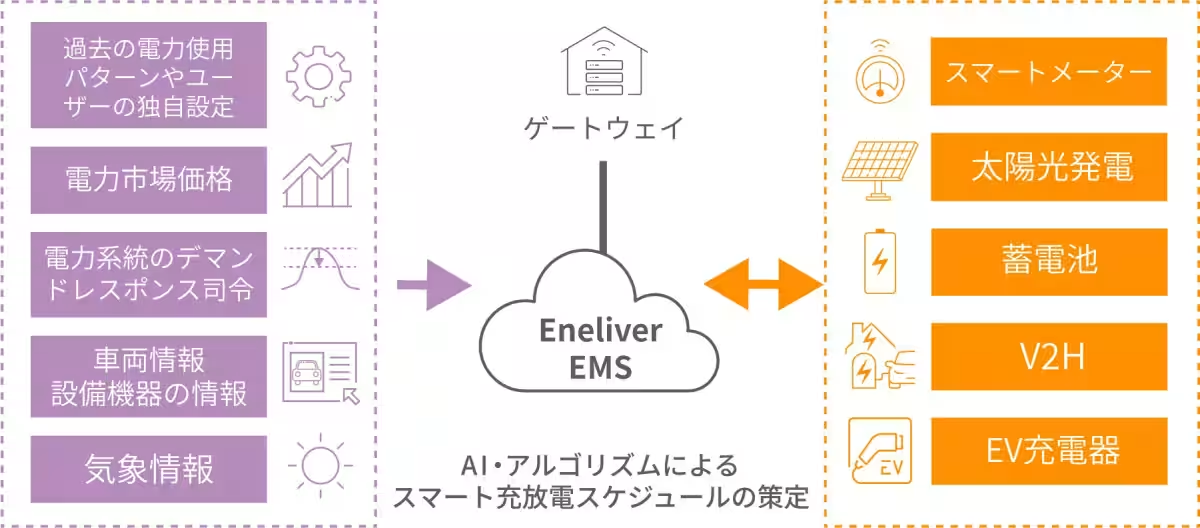
Eneliver EMS collaborates seamlessly with IoT devices such as solar panels, batteries, and EV chargers to provide real-time visibility of power consumption through smartphones and the web. Leveraging AI and proprietary algorithms, it automatically optimizes charge and discharge cycles based on market pricing and weather forecasts.
Easy Installation with Zero Initial Investment
Traditional, costly HEMS panels are unnecessary. Users can simply connect a dedicated gateway to a standard outlet for internet access. The system offers flexible integration with smart meters and IoT devices, ensuring easy setup. Eneliver also provides plans that allow users to mitigate initial costs entirely through equipment installation and subsidies.
Three Energy-Saving Functions
1. Maximizing Self-Consumption: The system stores surplus solar energy in batteries and EVs to use at night, reducing dependency on electricity suppliers and utilizing renewable energy efficiently.
2. Demand Control (Peak Cutting): During peak demand, it automatically adjusts the output from EVs and batteries, helping to reduce contract electricity charges and avoid high loads through dynamic adjustments.
3. Time-Shift Control of Electricity Prices: By charging during lower-rate periods and discharging during peak pricing, the system minimizes electricity costs while ensuring comfort and economic efficiency.
Additional Standard Features
- - Self-consumption Priority and Sale Priority Modes: Users can switch between maximizing sales income based on feed-in tariffs and optimizing self-consumption.
- - Customized Charge and Discharge Settings: Adaptable based on next-day commuting plans or battery levels.
- - Electric Rate Plan Selection: Allows users to optimize EMS controls per their current electricity plan.
- - Remote Manual Control: Users can disable automatic controls via an app for manual adjustments.
Benefits Across Various Scenarios
Single-family Homes
Real-time power usage monitoring via dedicated apps allows for effective automatic management of EVs and batteries, contributing to lower household electricity bills.
Multi-tenant Buildings
By fragmenting electricity costs, tenant satisfaction can greatly improve. Installing batteries and EV chargers also boosts disaster preparedness, property values, and tenant retention.
Offices, Factories, and Warehouses
Visibility into electricity usage leads to substantial cost savings. Additional savings come from reduced fuel expenses with corporate EVs, improved efficiency in back-office operations, and enhanced management processes.
Commercial and Public Facilities
Reducing electricity as a crucial operational cost, coupled with environmental initiatives, enhances their public standing. Installing EV chargers can bolster customer attraction.
Future Enhancements
Eneliver EMS will evolve further, introducing features like smart charging for fleets expected in 2025, and demand response mechanisms, which can offer revenue opportunities through peak-shifting energy demands.
Eneliver is committed to accelerating the realization of a sustainable society. By integrating Eneliver EMS with its existing EV charger infrastructures and new solar panel and battery installation services, Eneliver aims to fulfill energy management on a larger scale, considering future developments like Virtual Power Plants (VPP).
About Eneliver Inc.
Founded in June 2022, Eneliver is located at Takadanobaba 2-chome 7-11, Shinjuku, Tokyo, under the leadership of CEO Akimasa Nakashima. They specialize in the planning, development, manufacturing, and sales of EV chargers, management systems, applications, and solar power systems, including batteries. For inquiries, please contact [email protected].
Topics Energy)
【About Using Articles】
You can freely use the title and article content by linking to the page where the article is posted.
※ Images cannot be used.
【About Links】
Links are free to use.