



School Auntie Josephine's Inspiring Mission to Keep Girls in School
Josephine's Inspiring Mission to Educate Girls in Burundi
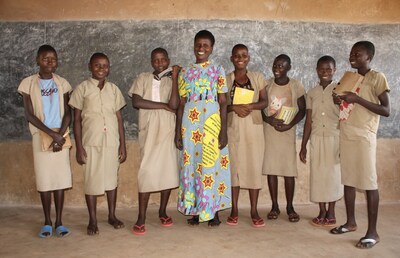
In the picturesque commune of Rugombo, nestled in the Cibitoke province of Burundi, one woman is making waves with her unwavering dedication to education. Meet Joséphine, a school auntie who has embarked on a mission to guarantee that girls not only stay in school but thrive in their educational pursuits. This initiative is part of a broader programme, Komezawige, funded by Education Cannot Wait and implemented through the efforts of World Vision in Burundi.
Joséphine embraces the role of a supportive mentor, reminiscent of a trusted second parent. In a country where education often takes a backseat due to societal pressures, she provides essential emotional and educational support to adolescents navigating the challenges of growing up.
The Role of School Aunties
The Komezawige program uses the concept of school aunts and uncles as community mentors who guide children during turbulent periods in their lives. Joséphine stands out by addressing a highly sensitive topic—menstruation. Historically, many girls have faced stigma and isolation during their periods, leading to significant absences from school. Recognizing this gap, Joséphine has taken the initiative to facilitate discussions around menstruation, aiming to eliminate shame and empower young girls.
In her own words, "The discussions have a profoundly positive impact; the girls support one another and seek my advice when needed. If they feel unwell, I can personally speak with the school principal to grant them permission to go home." This approach not only strengthens the bond among students but also fosters an inclusive school environment.
Breaking the Stigma
Cultural stigmas surrounding menstruation have historically left girls like Jeanine, a 14-year-old student, feeling isolated. Jeanine recalls the days she missed school simply because she did not have access to sanitary products or a supportive adult to turn to. Joséphine’s efforts aim to reverse this trend.
"In discussions, we invite boys as well and help them understand that mocking girls during their menstrual cycle is unacceptable," Joséphine asserts. By creating open channels of communication between genders, she helps cultivate empathy and respect within the school community. This educational initiative has led to a tangible reduction in absenteeism and emotional distress among girls, as they feel comfortable seeking aid.
Wider Education Challenges
Burundi's educational system faces multifaceted challenges, with a significant number of youths lacking access to schooling. Poverty, early pregnancies, and demanding family responsibilities heavily influence the education of young girls, often relegating their schooling to a second priority. The unique challenges of climate change, political instability, and rampant poverty further complicate matters. Under these circumstances, initiatives like Komezawige become critical.
In late 2021, Education Cannot Wait announced a catalytic grant to combat these challenges in Burundi. This funding aims to recruit trained teachers, enhance school resilience against disasters, and provide essential schooling supplies, including sanitary pads for girls. Thanks to this support, Jeanine can attend school regularly. "I received five reusable sanitary pads. I feel supported, and it encourages me to pursue my education further," she shares.
Providing these hygiene products not only enhances health but also removes barriers to education, allowing girls to focus more on their studies than on their personal wellbeing.
The Impact of Mentorship
The Tantes et Oncles program has successfully engaged nearly 500 volunteer psychosocial assistants across various regions. While school aunties like Joséphine support girls, uncles provide crucial guidance to boys regarding reproductive health education, ensuring both genders make informed choices about their futures. This holistic approach addresses the varying needs of each student, especially those lacking familial support outside school.
For young girls like Jeanine, this program represents an opportunity to learn in an environment that prioritizes safety and support. Joséphine's efforts exemplify the powerful impact of community mentorship in fostering educational resilience and gender equality in Burundi.
The story of Josephine is just one of many, budding out of a collective hope to pave the way for brighter futures. Her dedication to breaking barriers and promoting education serves as an inspiring example—one that highlights the potential for change when passionate mentors rise to the occasion.
Topics Other)
【About Using Articles】
You can freely use the title and article content by linking to the page where the article is posted.
※ Images cannot be used.
【About Links】
Links are free to use.