



Exploring the Impact of Generative AI on Engineering Careers and Skills
The Current State of AI and Engineering Careers
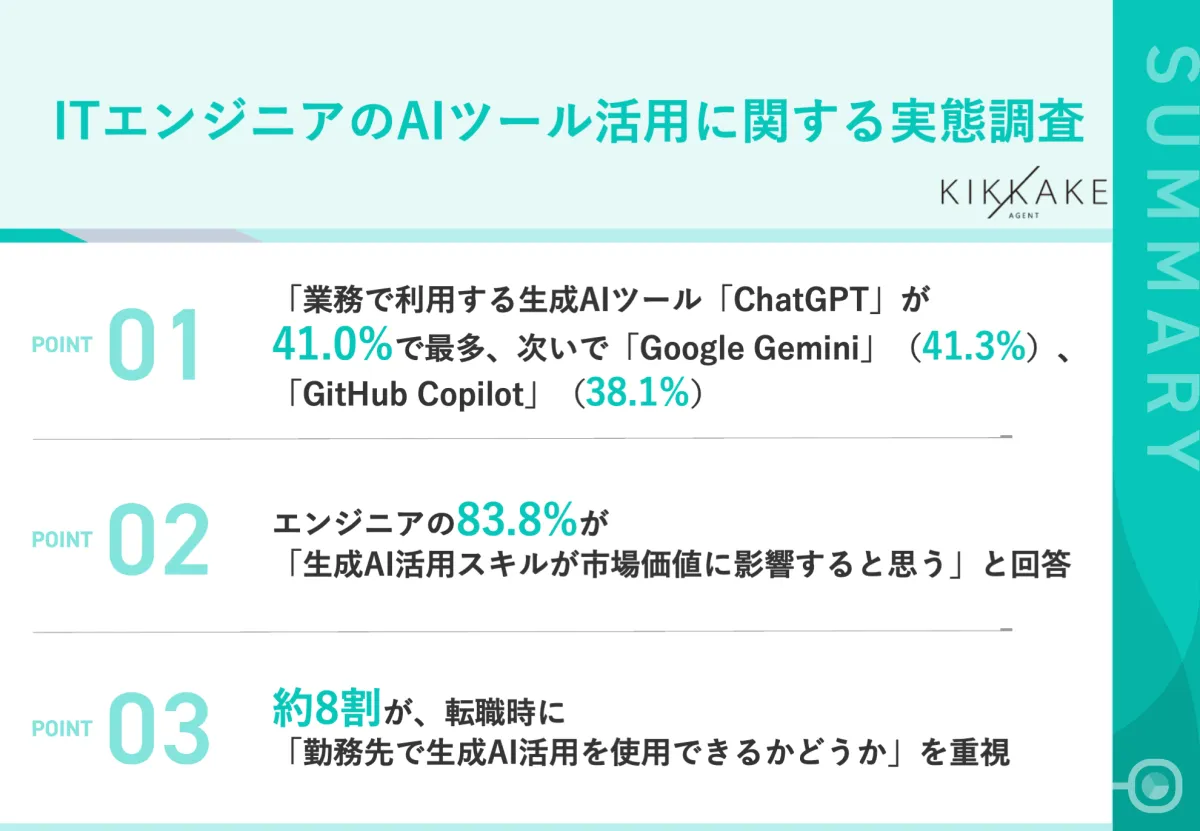
In an era where technology continues to evolve at breakneck speed, the role of AI in the workplace, particularly among engineers, has never been more critical. A recent study conducted by Kikkake Creation assessed the utilization of generative AI tools among IT engineers, revealing key insights into how these tools are not just accessories but are pivotal to career progression.
The Most Used AI Tool: ChatGPT
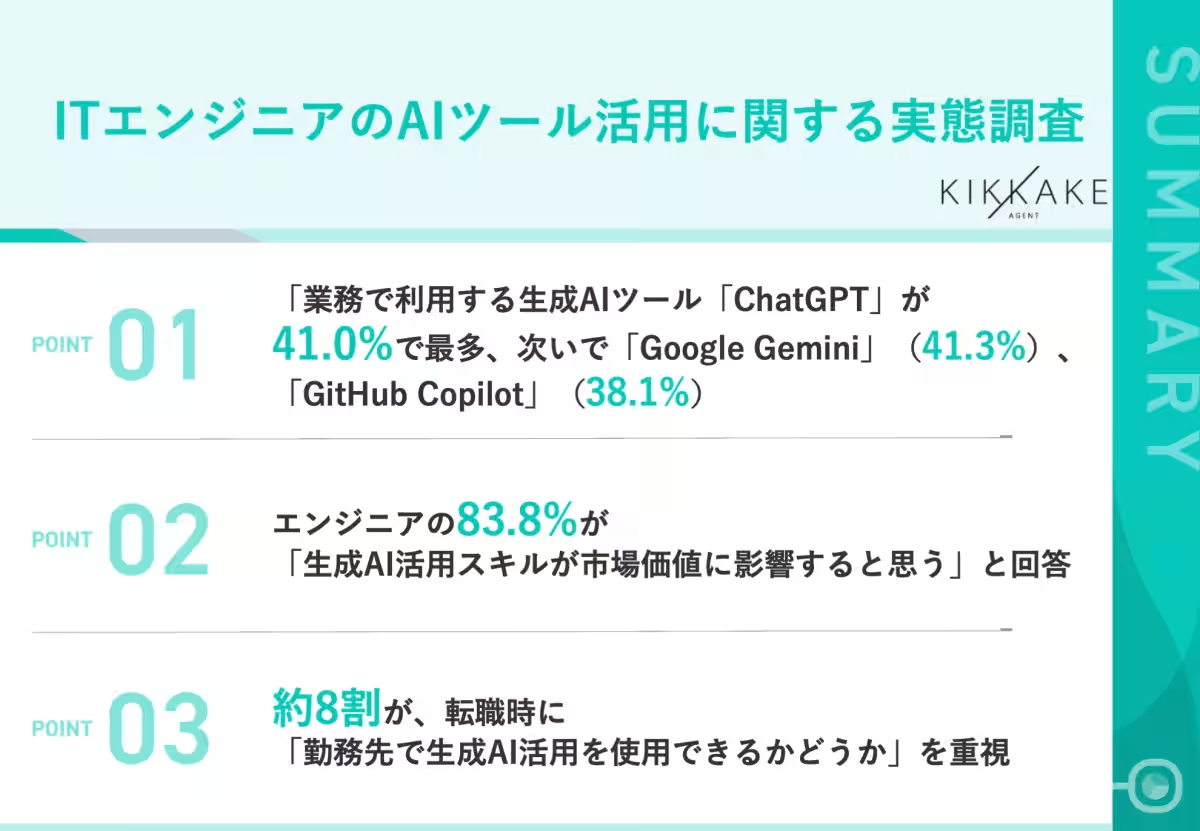
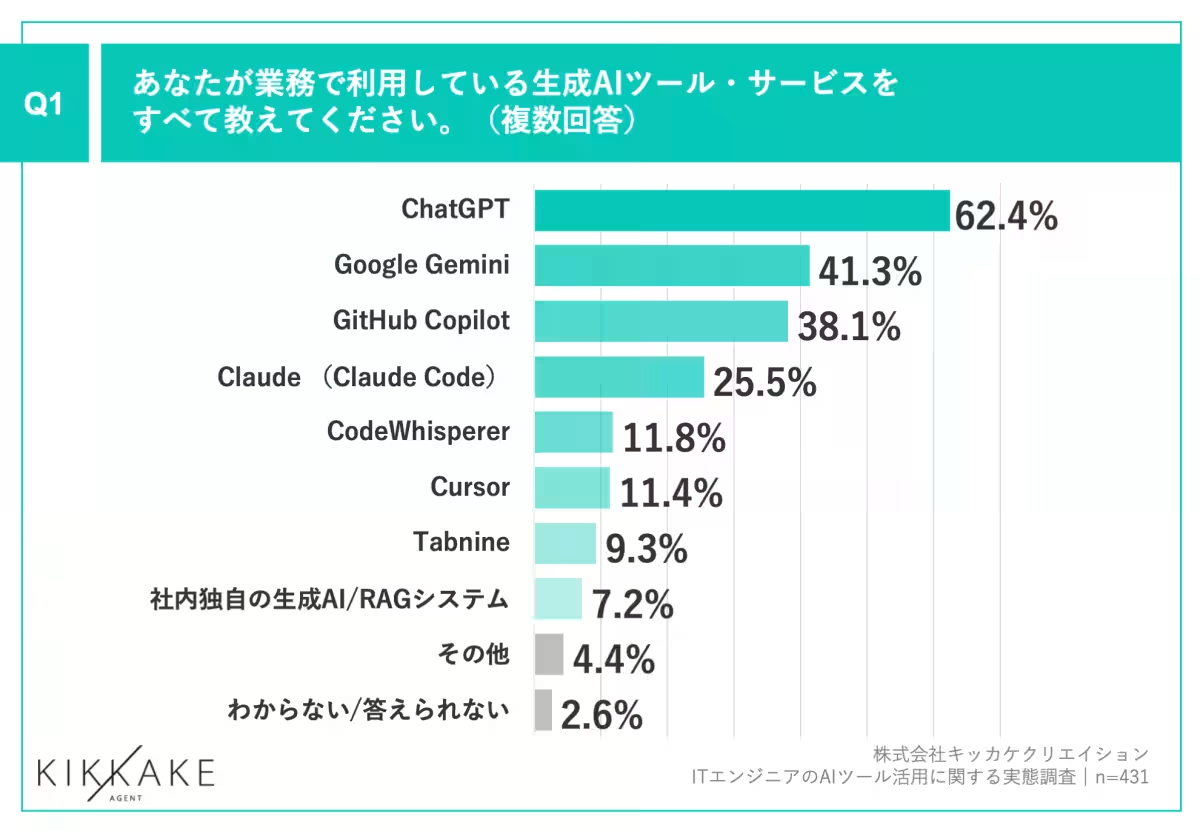
According to the survey of 431 engineers, ChatGPT emerged as the most utilized generative AI tool, with 62.4% of respondents confirming its usage in their daily work. This was followed by Google Gemini at 41.3% and GitHub Copilot at 38.1%. These tools are not just helping with automation but are significant in decision-making processes, coding, and enhancing productivity.
Coding and Implementation Frequency
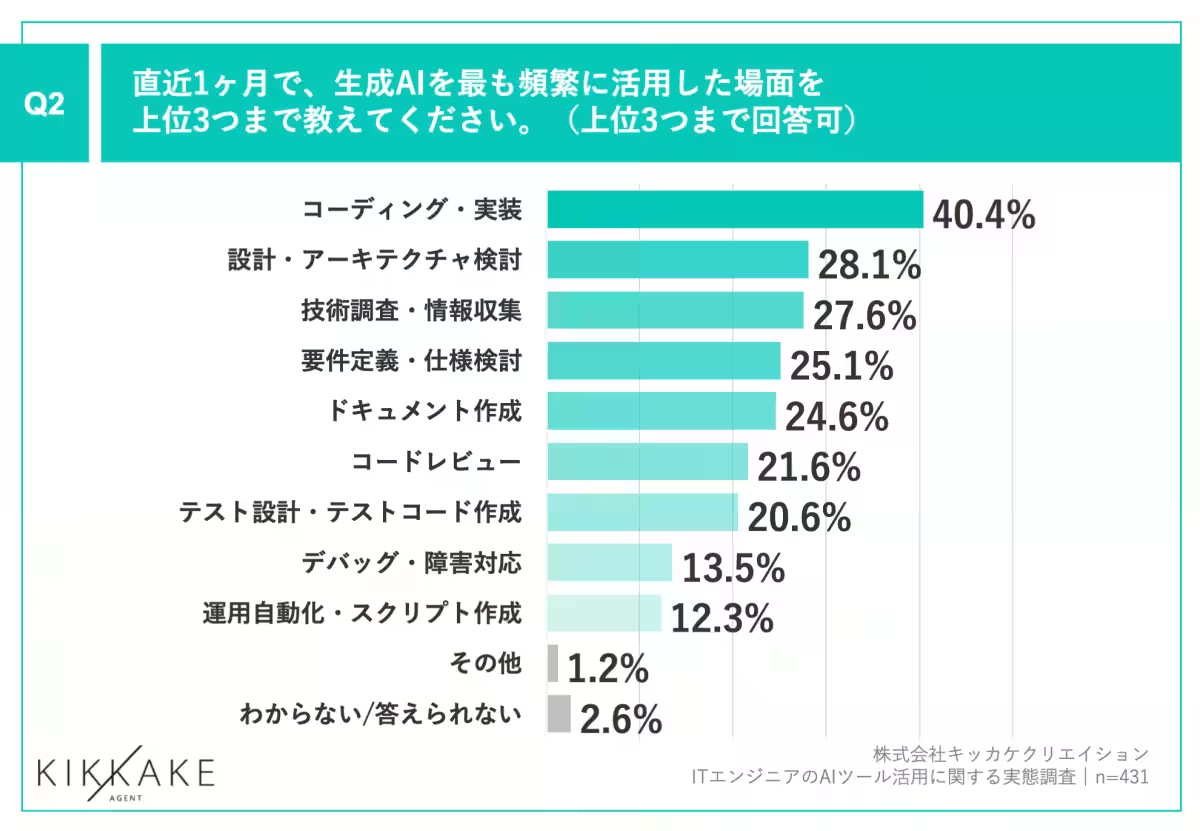
The survey also highlighted that 40.4% of engineers frequently used generative AI for coding and implementation tasks in the past month. Other significant areas included design and architecture considerations (28.1%) and technical research/information gathering (27.6%). This points to a substantial shift in how engineers approach various tasks, emphasizing the growing importance of these technologies.
Impacts of Generative AI on Workflow
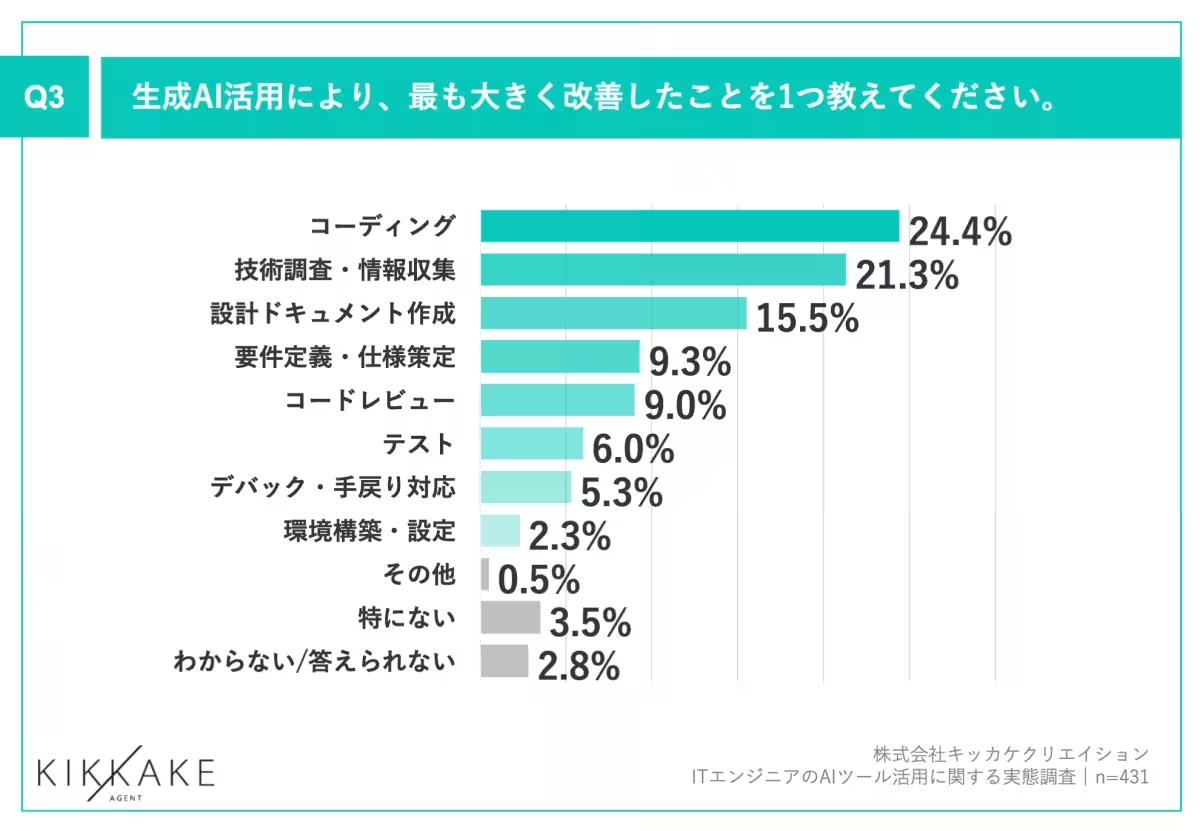
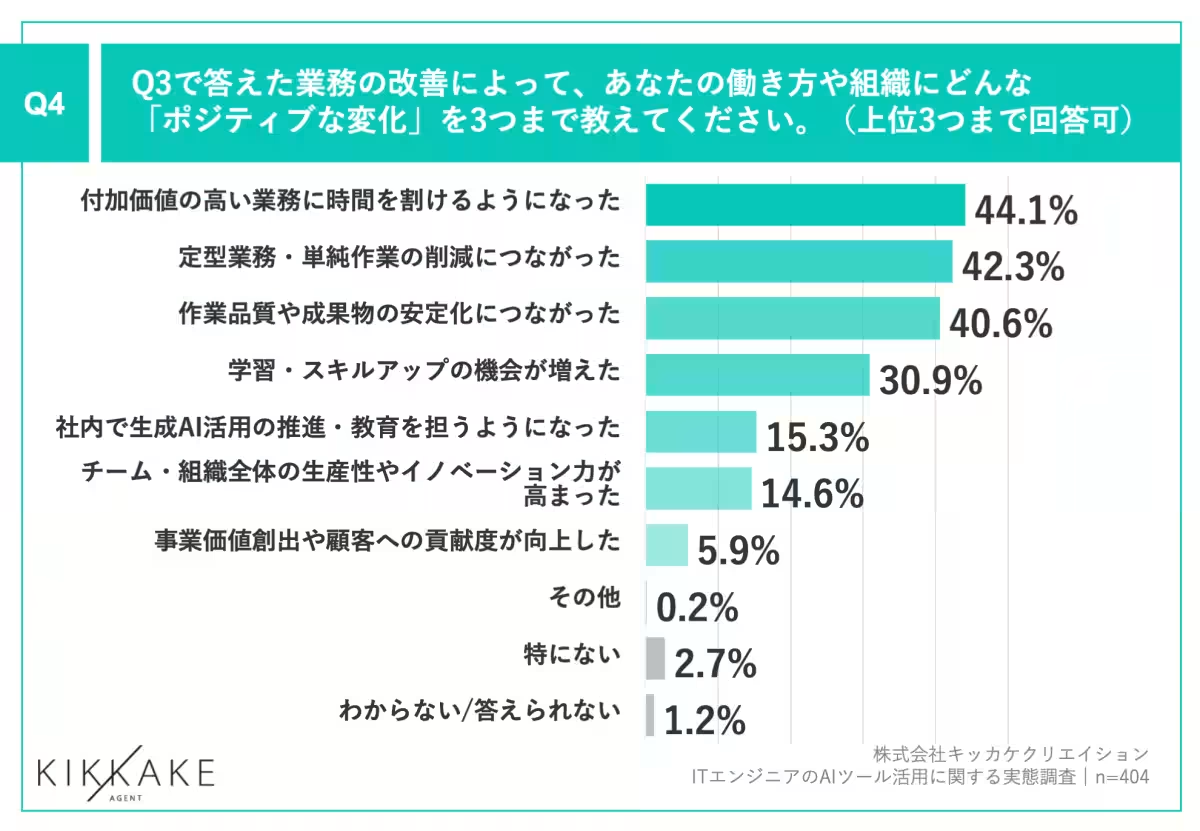
The survey participants indicated that implementing generative AI led to marked improvements in certain areas. 24.4% noted improvements in coding, while 21.3% indicated enhancements in technical research and information gathering. These improvements led to positive changes in their work dynamics—44.1% feel they can now devote time to more high-value tasks, and 42.3% noticed a reduction in repetitive work.
Shifting Career Expectations
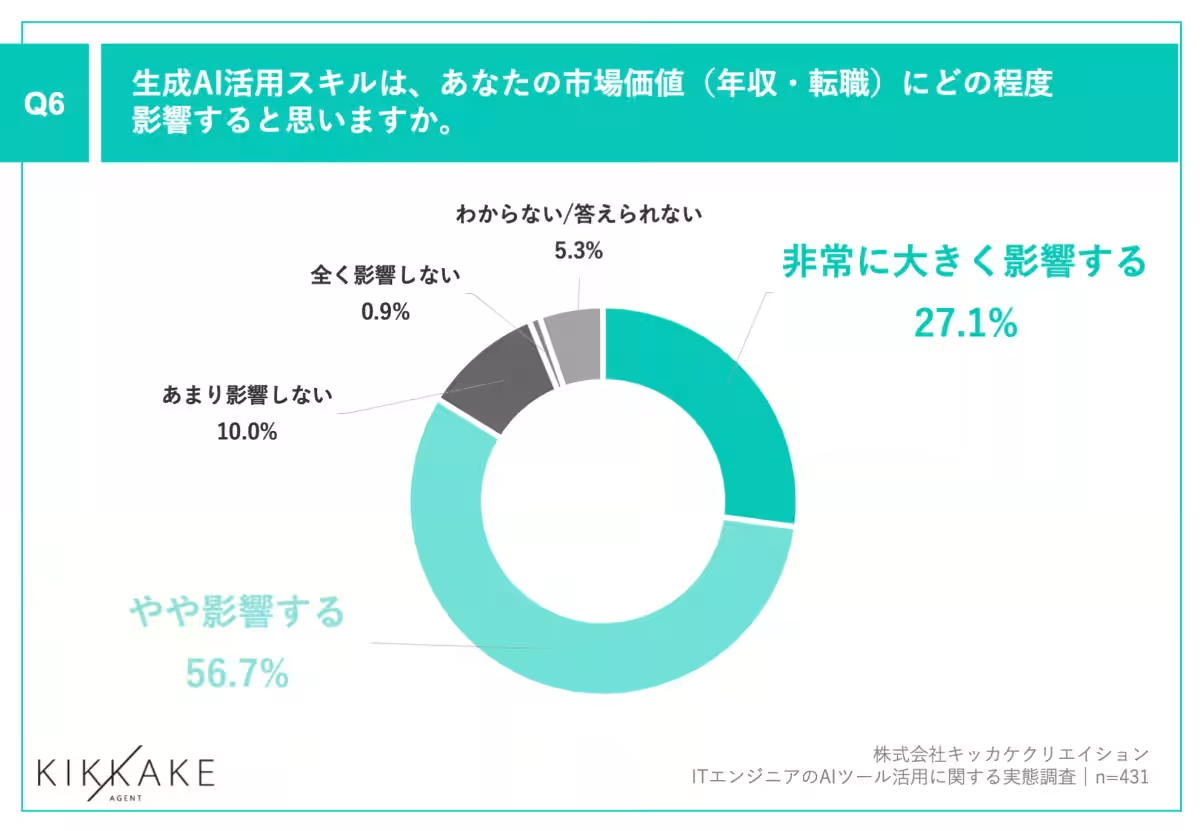
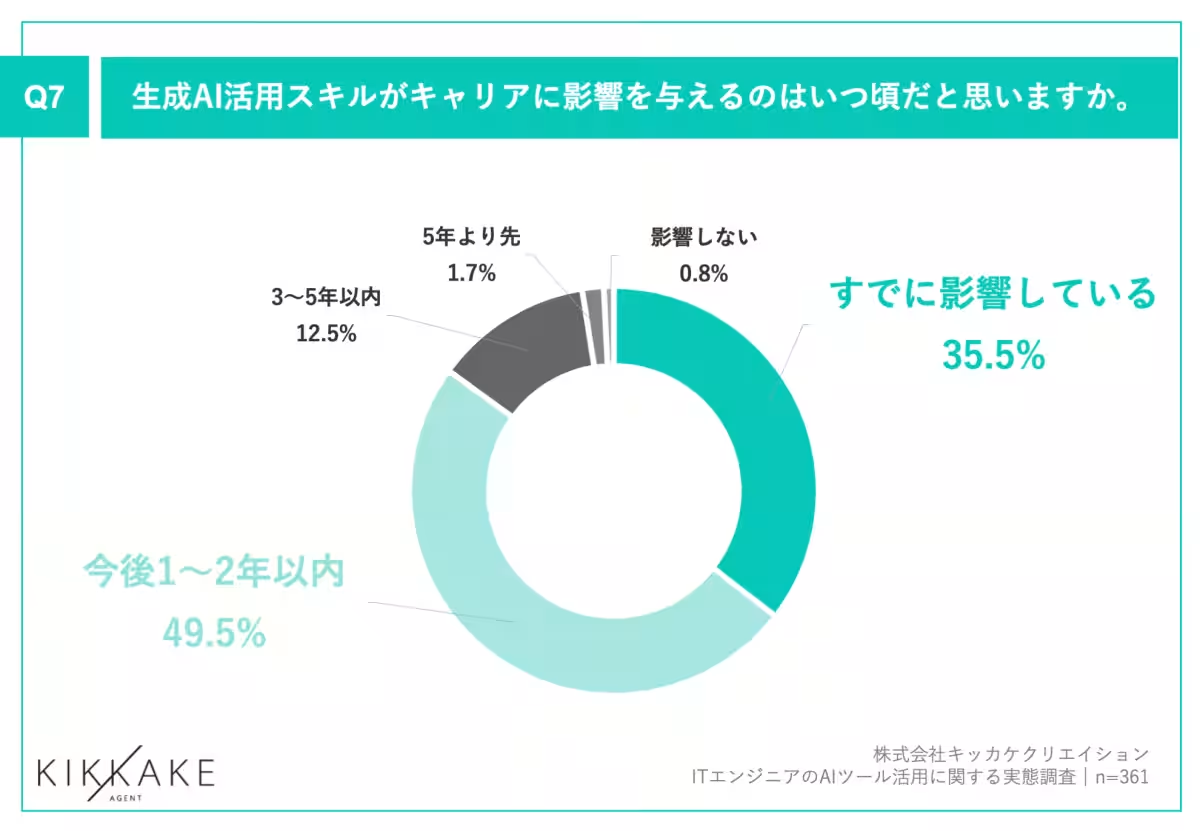
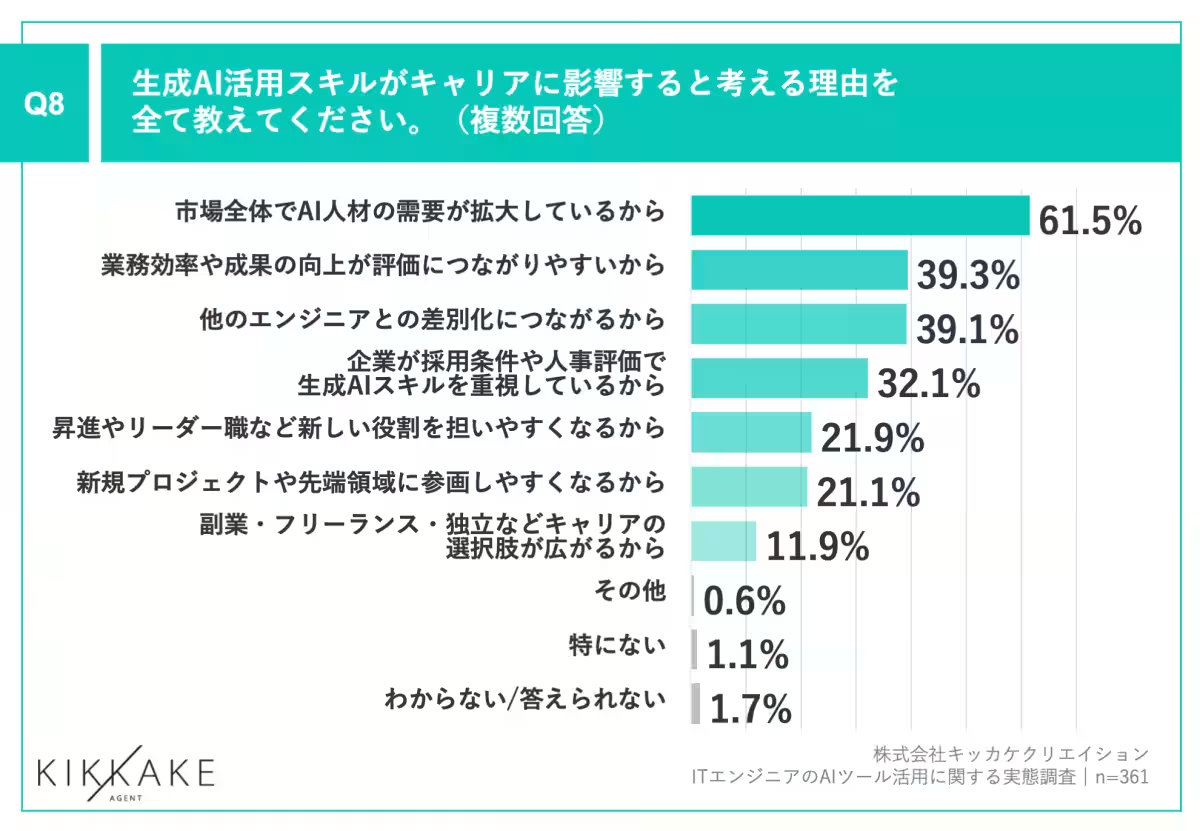
Eighty-three point eight percent of engineers believe that skills in generative AI will significantly influence their market value. These skills are increasingly seen as essential for career growth, especially as 49.5% of those surveyed feel that the impact will be evident in one to two years. The primary reason behind this sentiment is the rising demand for AI talent in the job market—an undeniable signal for current and aspiring engineers.
Skills for the Future
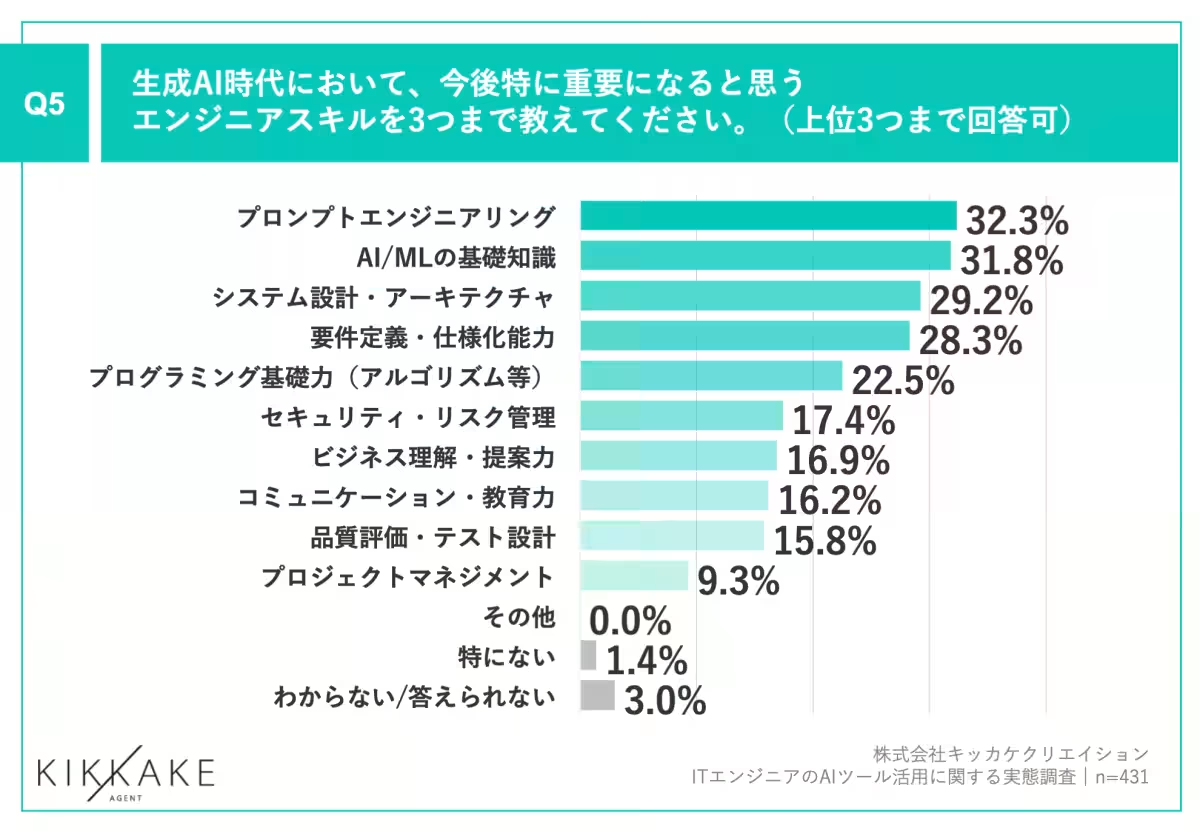
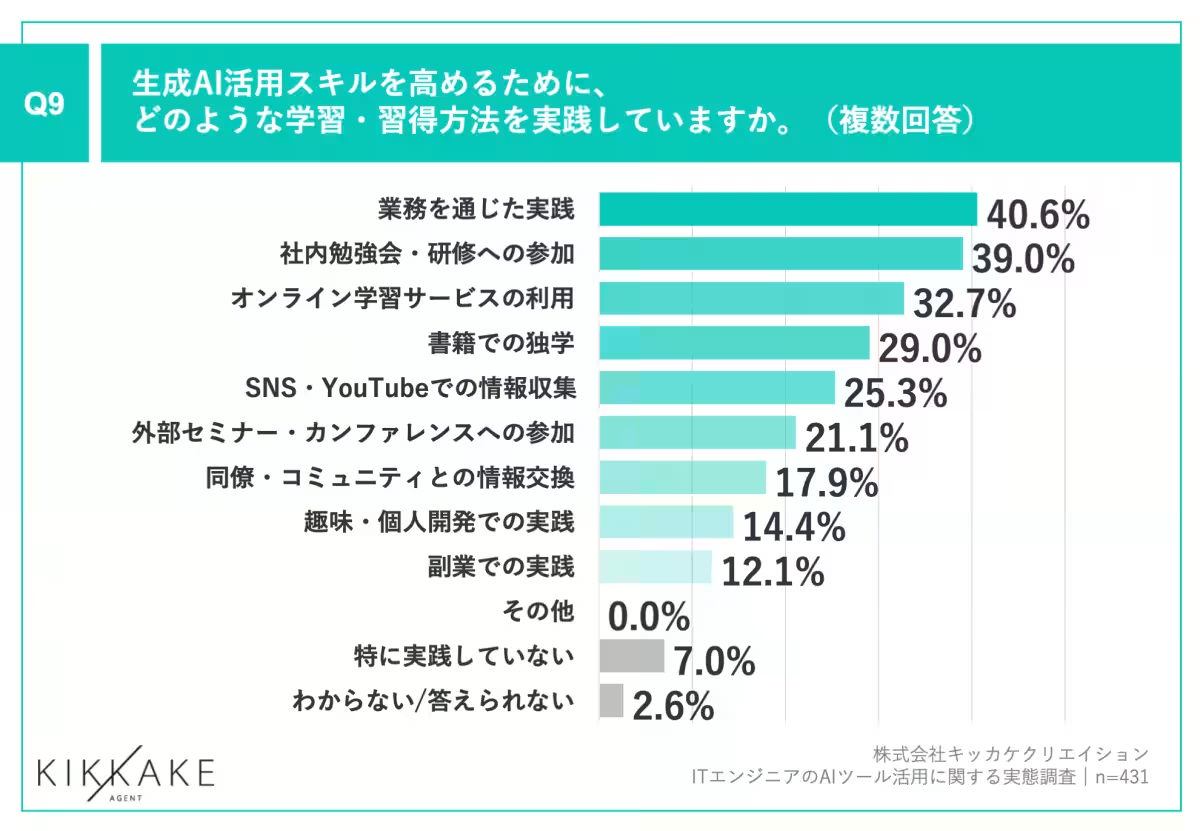
Looking ahead, the engineers identified prompt engineering (32.3%), foundational knowledge of AI/ML (31.8%), and system design/architecture (29.2%) as the most critical skills for the future. This indicates a clear roadmap for engineers wishing to stay relevant and competitive. Moreover, 40.6% stated they are enhancing their generative AI skills through practical experience, demonstrating a proactive approach to skill development.
Shaping Career Decisions
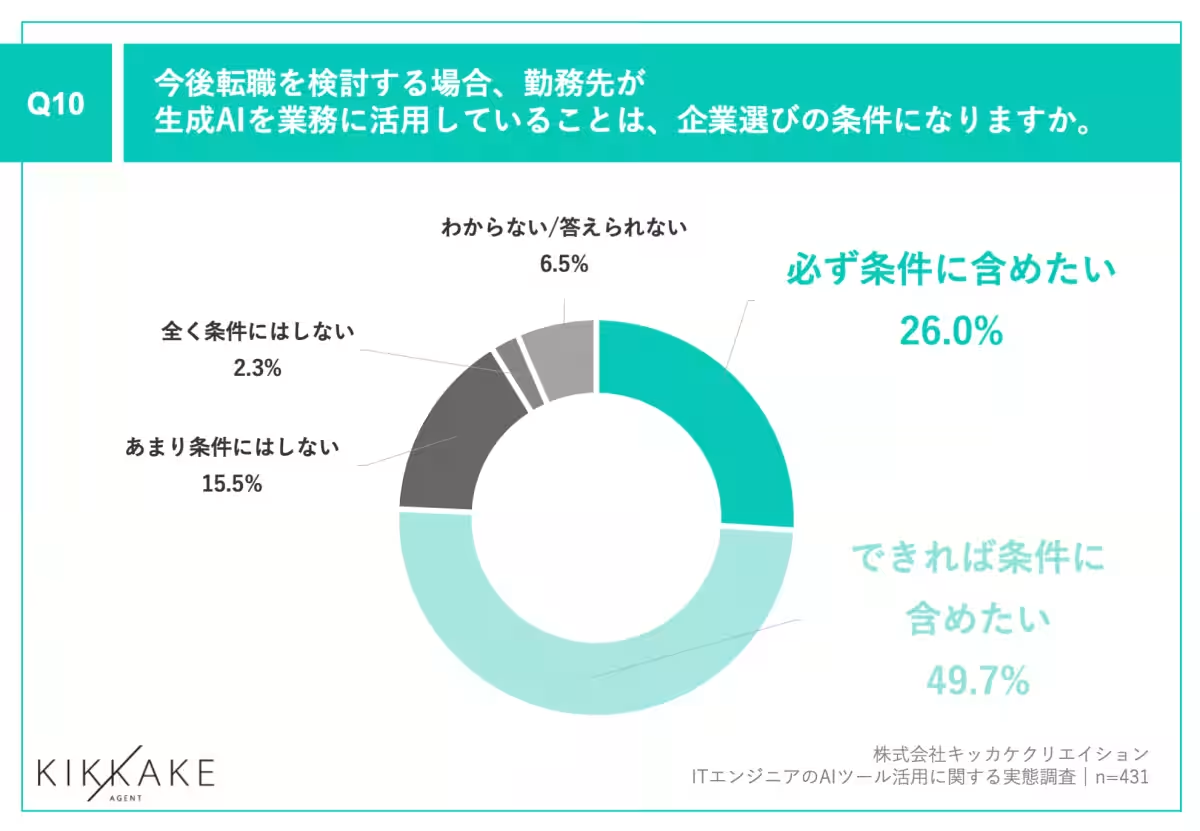
Interestingly, when considering job changes, a significant 75.7% expressed that the ability of a prospective employer to leverage generative AI in their operations would factor heavily into their decision-making. This reflects a shift in what engineers are prioritizing in their job searches, steering towards companies that embrace AI.
Conclusion
In conclusion, generative AI is not merely a passing trend; it fundamentally alters the landscape for engineering careers. As engineers adapt, the integration of these technologies becomes critical, not only for productivity but also for maintaining and enhancing market relevance. Working environments that encourage AI use will provide engineers with the experience needed to thrive in a rapidly advancing field.
Our society is on the brink of a monumental shift, characterized by increased integration of AI in various sectors, and embracing this change is no longer optional for engineers—it's essential.
For more insights on this topic, check out the full Kikkake Agent Survey Report.

Topics People & Culture)

【About Using Articles】
You can freely use the title and article content by linking to the page where the article is posted.
※ Images cannot be used.
【About Links】
Links are free to use.