



Exploring the Emotional Benefits of Houseplants Among Japanese Adults Aged 20-60
Exploring the Emotional Benefits of Houseplants Among Japanese Adults Aged 20-60
Introduction
As summer approaches, many people are turning their attention towards enhancing their living environments. Along with considering the effectiveness of cooling devices like fans and air conditioning, the use of houseplants has gained popularity as a way to introduce nature indoors. The emotional benefits of having houseplants are documented, but many potential plant owners face hurdles over concerns such as care instructions and the fear of killing plants. To delve deeper, Hyponex Japan conducted a survey examining the current state of houseplant cultivation among adults aged 20 to 60.
Background of the Study
Hyponex Japan, based in Osaka, specializes in manufacturing and sales of gardening fertilizers, soils, and supplements designed to enhance plant growth. The company's recent survey aimed to capture insights into the houseplant cultivation landscape among adults in their 20s to 60s, helping to understand both the appeal and challenges of keeping houseplants.
Survey Findings
1. Number of Houseplants
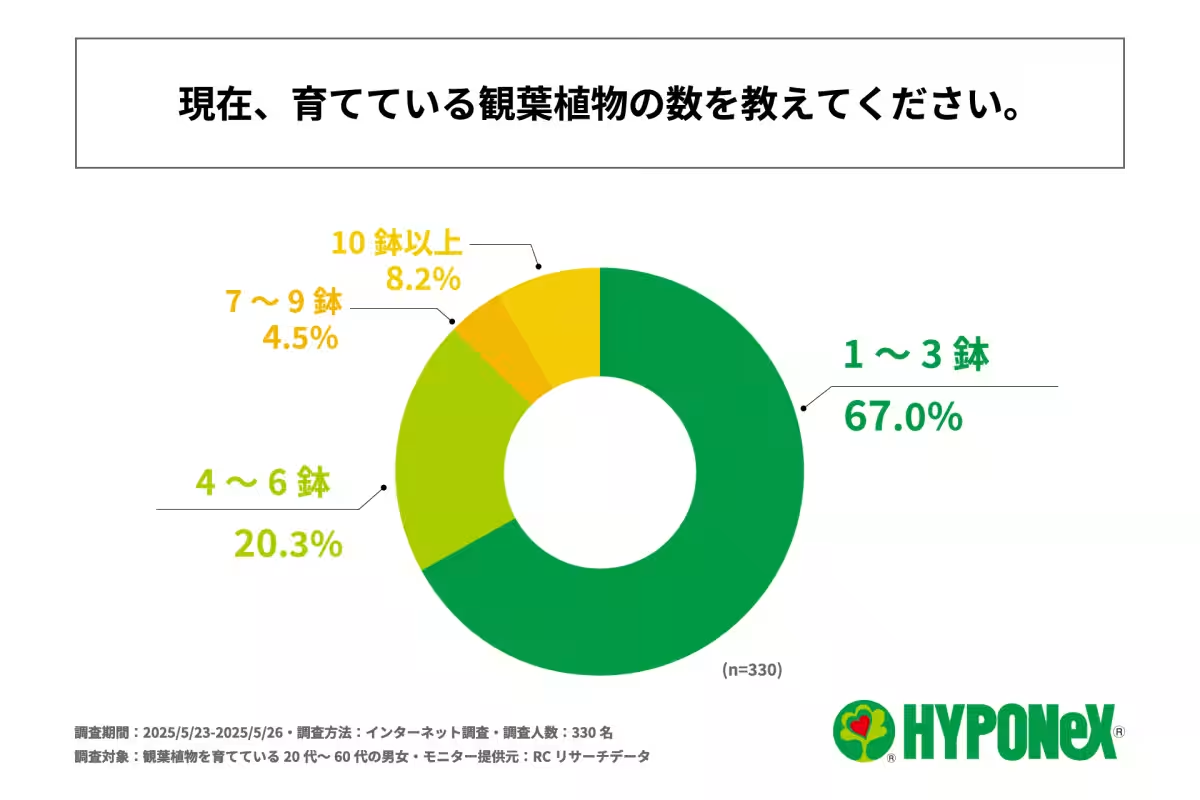
About 67% of respondents reported they are currently caring for three or fewer houseplants, revealing that a significant portion of this demographic maintains a modest number of plants within their homes.
2. Most Common Houseplants
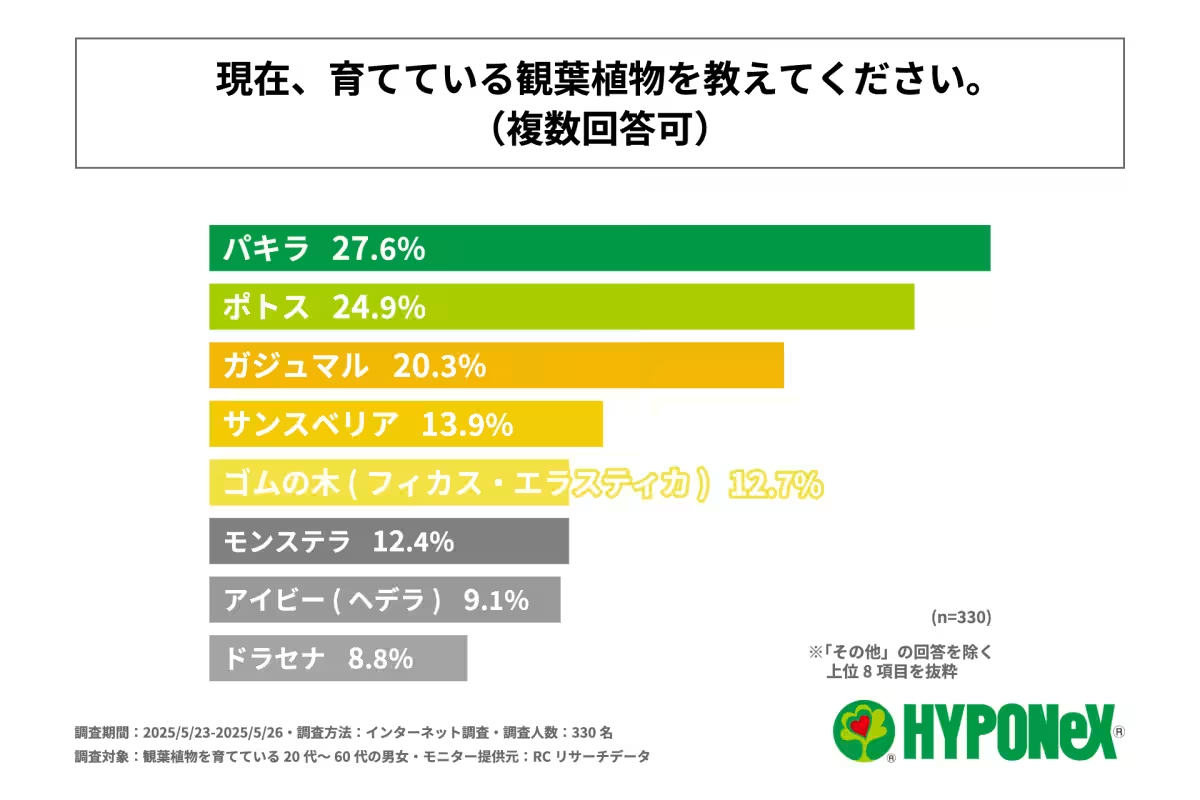
When asked about the types of houseplants they currently nurture, the results indicated that the most popular varieties are: 1) Pachira, 2) Pothos, and 3) Ficus Ginseng (Gajumaru). This preference showcases a trend that aligns with the characteristic resilience and aesthetic appeal associated with these plants.
3. Purchase Locations
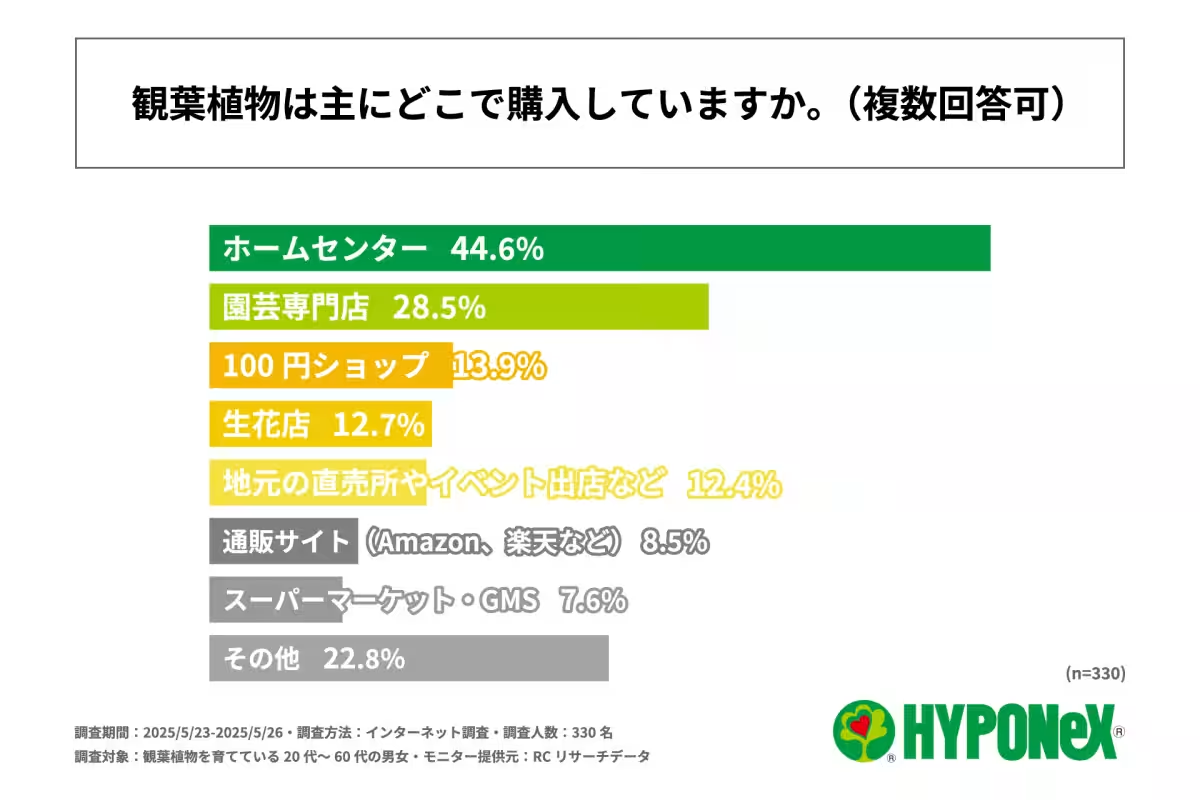
The primary venues for purchasing houseplants were identified as home improvement centers (45.6%), specialized garden shops (28.5%), and dollar stores (13.9%). This suggests that accessibility and variety play key roles in where consumers choose to shop for their greenery.
4. Reasons for Cultivation
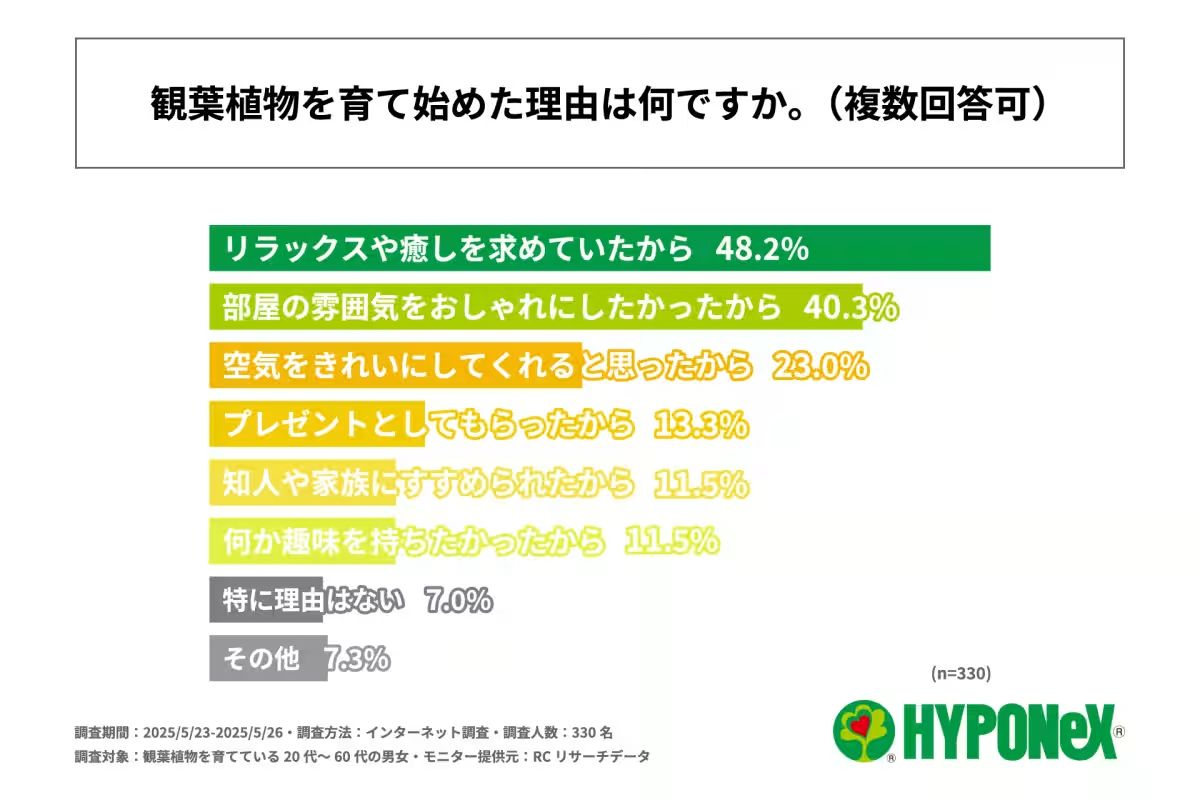
Respondents were also asked about their motivations for starting to grow houseplants. 48.2% indicated they sought relaxation and emotional comfort, while 40.3% desired to style their rooms more attractively. Furthermore, approximately 23% were motivated by the belief that plants would improve indoor air quality.
5. Emotional Benefits
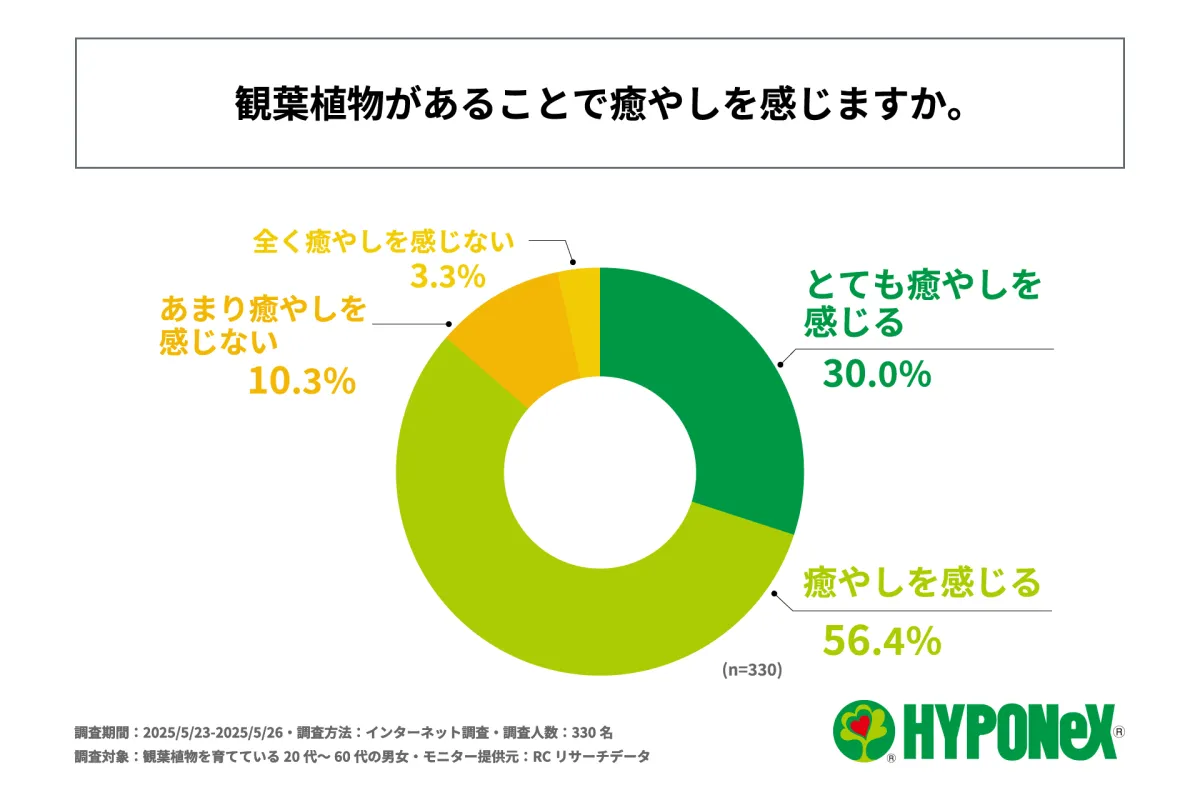
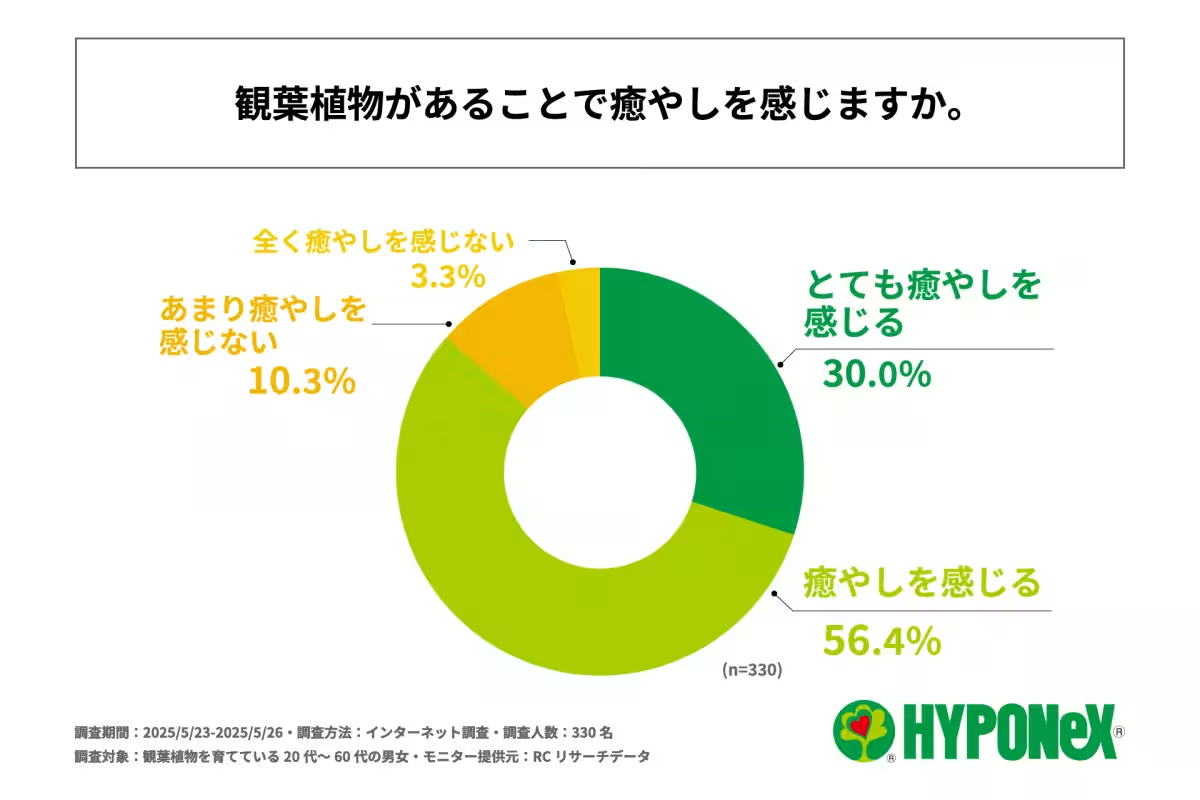
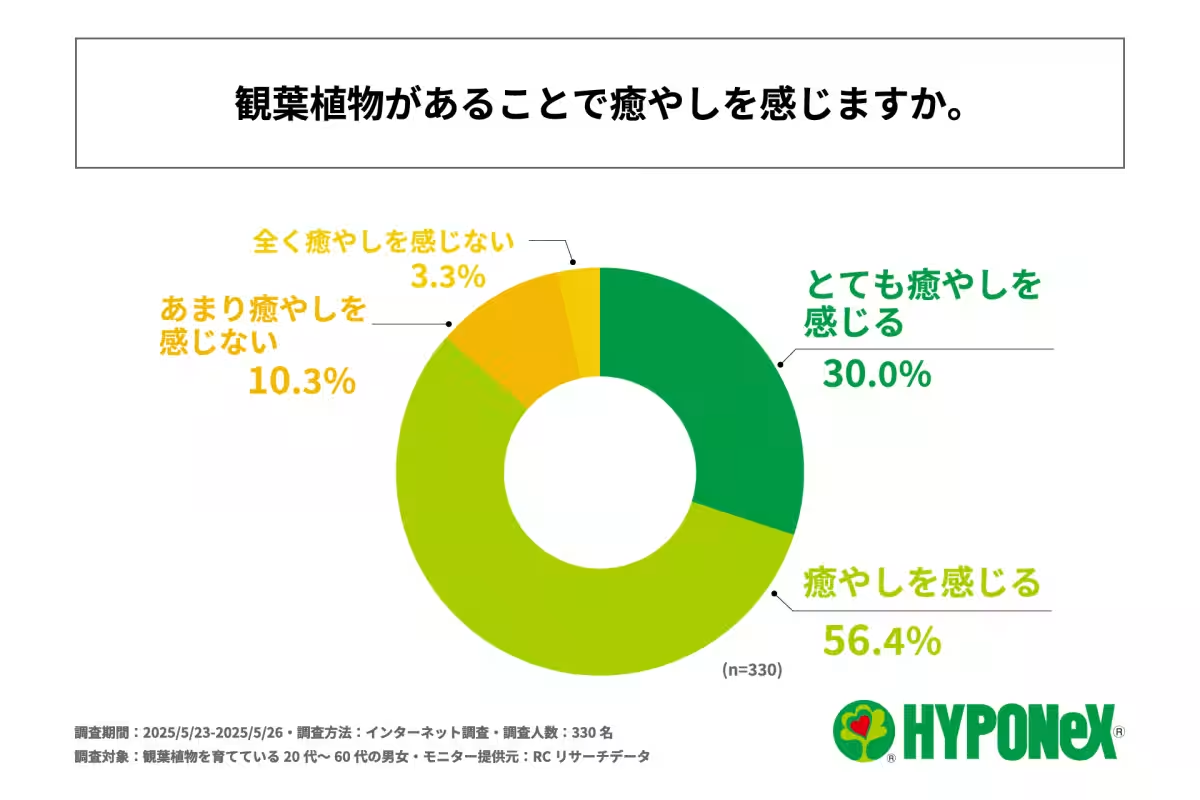
An impressive 90% of participants expressed that having houseplants contributes significantly to their emotional well-being. Specifically, 56.4% reported feeling a moderate level of comfort, alongside 30% who felt they experienced a profound sense of relaxation from their plants.
6. Challenges Faced
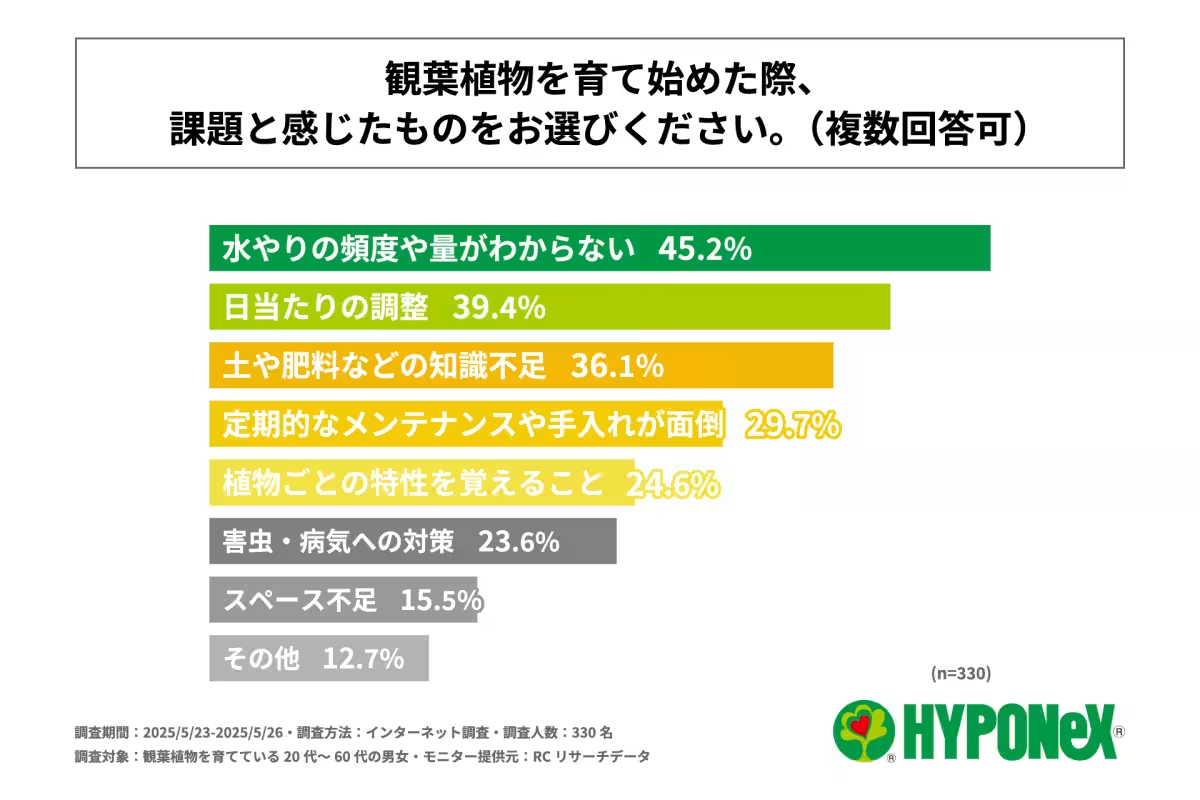
When it comes to challenges, the top concerns included difficulties in determining the right frequency and quantity of watering (45.2%), how to position plants for optimal sunlight (39.4%), and a lack of knowledge about soil and fertilizer requirements (36.1%). These challenges can deter potential plant owners but also indicate areas where educational resources could support novice gardeners.
Conclusion
The findings of this study highlight that adults aged 20-60 in Japan find calm through the companionship of houseplants, with many nurturing a small collection within their homes. The top three houseplants currently favored are Pachira, Pothos, and Gajumaru, typically acquired from home centers or garden shops. The primary reason for cultivating these plants is the pursuit of relaxation and a desire for stylish interior decor. Meanwhile, a significant emotional connection exists between plant caregivers and their greenery, with nearly 90% affirming the comforting presence of plants in their lives. However, many still face hurdles such as understanding proper watering techniques and sunlight requirements.
Hyponex offers products like Rikidas designed to support plant growth through its unique formulation containing cholines, fulvic acid, and amino acids, enhancing the vitality of various plant types across seasons. Visit Hyponex for more information.
Company Information
Company: Hyponex Japan Co., Ltd.
Location: 11F, Shin Osaka Front Building, 4-1-9 Miyahara, Yodogawa-ku, Osaka, 532-0003
CEO: Yoshitoyo Murakami
Business: Import, manufacture, and wholesale of garden fertilizers and supplies
Website: Hyponex Official Site


Topics Consumer Products & Retail)
【About Using Articles】
You can freely use the title and article content by linking to the page where the article is posted.
※ Images cannot be used.
【About Links】
Links are free to use.