



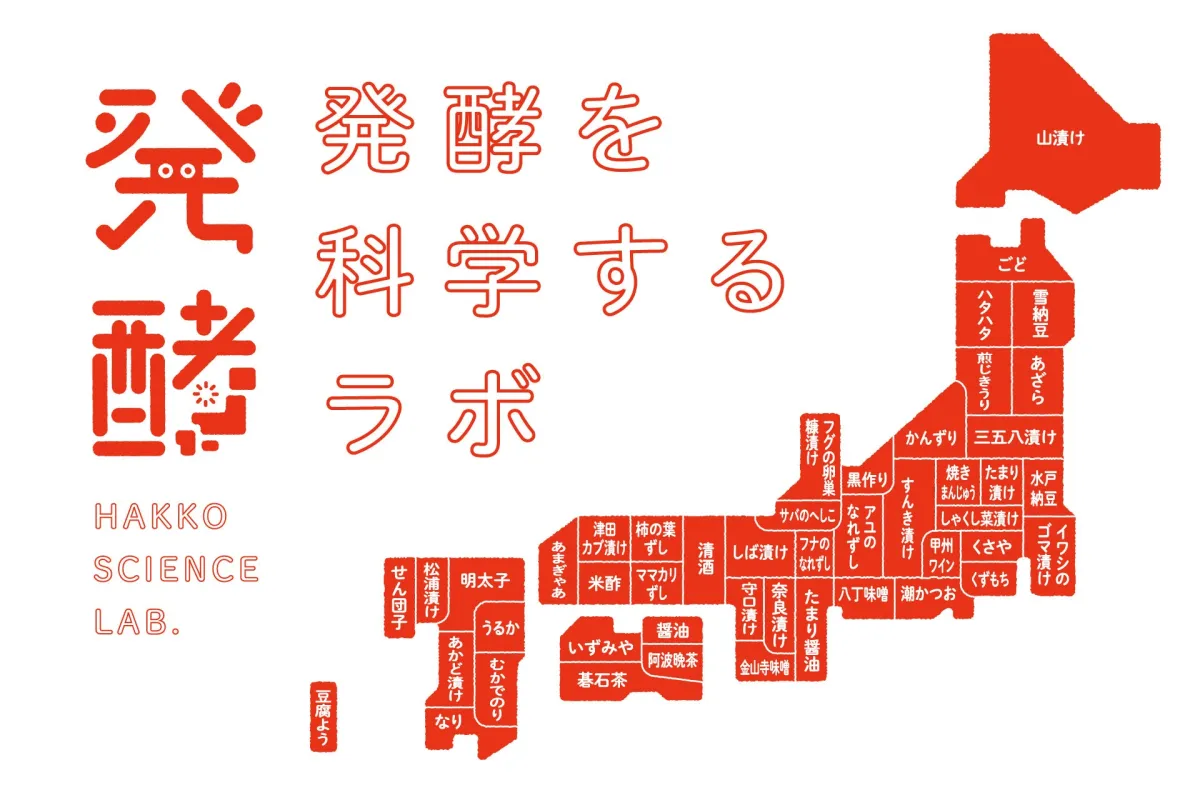
The Establishment of the Fermentation Science Lab at Nagaoka University
Nagaoka University Partners with Fermentation Designer Hiraku Okura for New Fermentation Lab
Nagaoka University of Technology has embarked on an exciting journey with the opening of the "Fermentation Science Lab," in collaboration with renowned designer and fermentation expert, Hiraku Okura. This innovative initiative intends to explore the rich and diverse fermentation culture that has been cultivated across various regions of Japan.
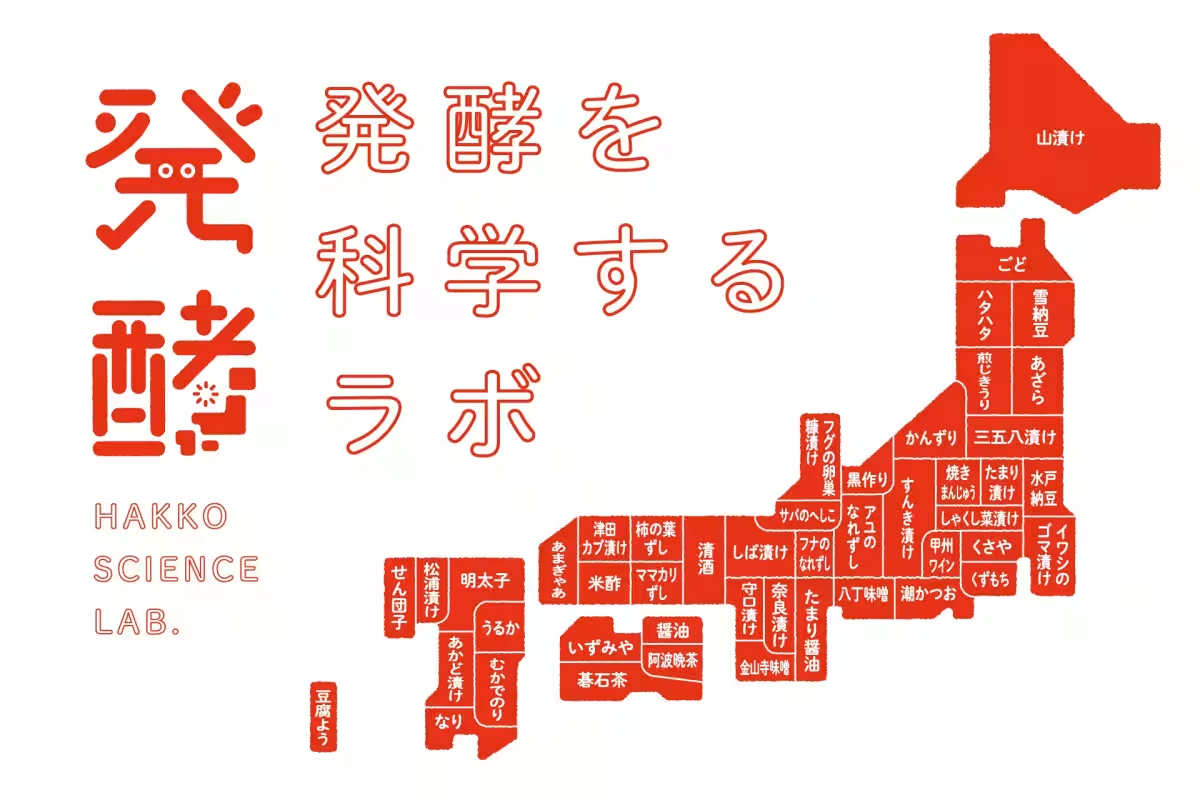
The lab will focus on both popular fermented foods such as miso and sake, and unique local fermentation practices that aren't widely recognized. The goal is to harness scientific methodologies to uncover the significant aspects that traditional fermentation culture holds for modern society. By marrying cutting-edge technology with age-old fermentation practices, this initiative strives to recognize and elevate the intrinsic value that time and local environment have cultivated over centuries.
Challenges and Opportunities
In an era where reliance solely on domestic consumption is increasingly challenged due to aging populations and rural depopulation, establishing the "JAPAN HAKKO BRAND" has never been more vital. Historically, Japan's fermentation industry has primarily thrived on local demand, but recent global interest in traditional Japanese fermentation techniques from regions like Scandinavia and America presents an opportunity to bridge domestic challenges with international appeal.
By intertwining these domestic challenges with the growing interest from abroad, the lab aims to establish a clear and valuable global brand for Japanese fermentation culture that can transcend borders. This vision includes not only the sharing and development of Japan's fermentation heritage across the globe but also translating this traditional knowledge into something valuable for humanity as a whole.
Lab's Objectives and Structure
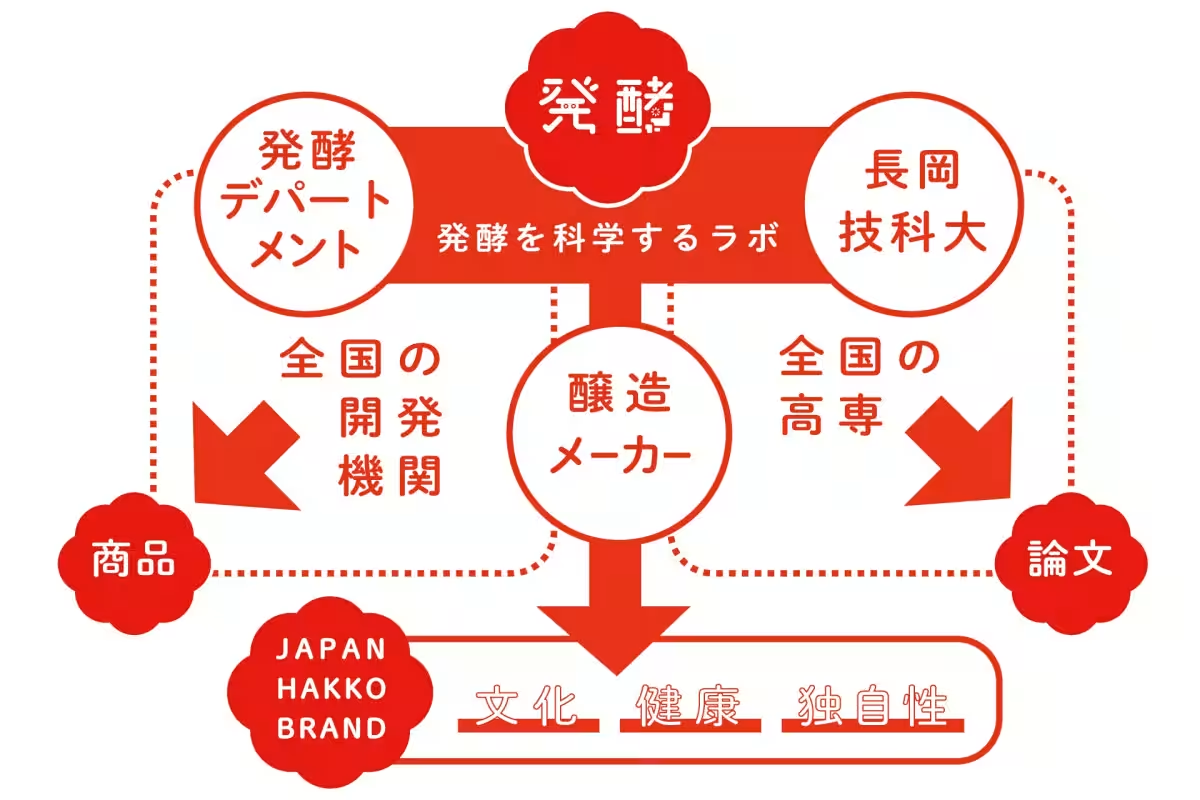
The “Fermentation Science Lab” intends to achieve the following three main objectives:
1. Cultural Factors: Study the cultural significance of fermentation that is geographically and biologically defined.
2. Health Benefits: Investigate and validate the health functionalities associated with traditional Japanese fermentation practices, which contribute to Japanese longevity.
3. Uniqueness through Technology: Uncover and document the unique craftsmanship that has developed due to the accumulation of technological advancements in the fermentation sector.
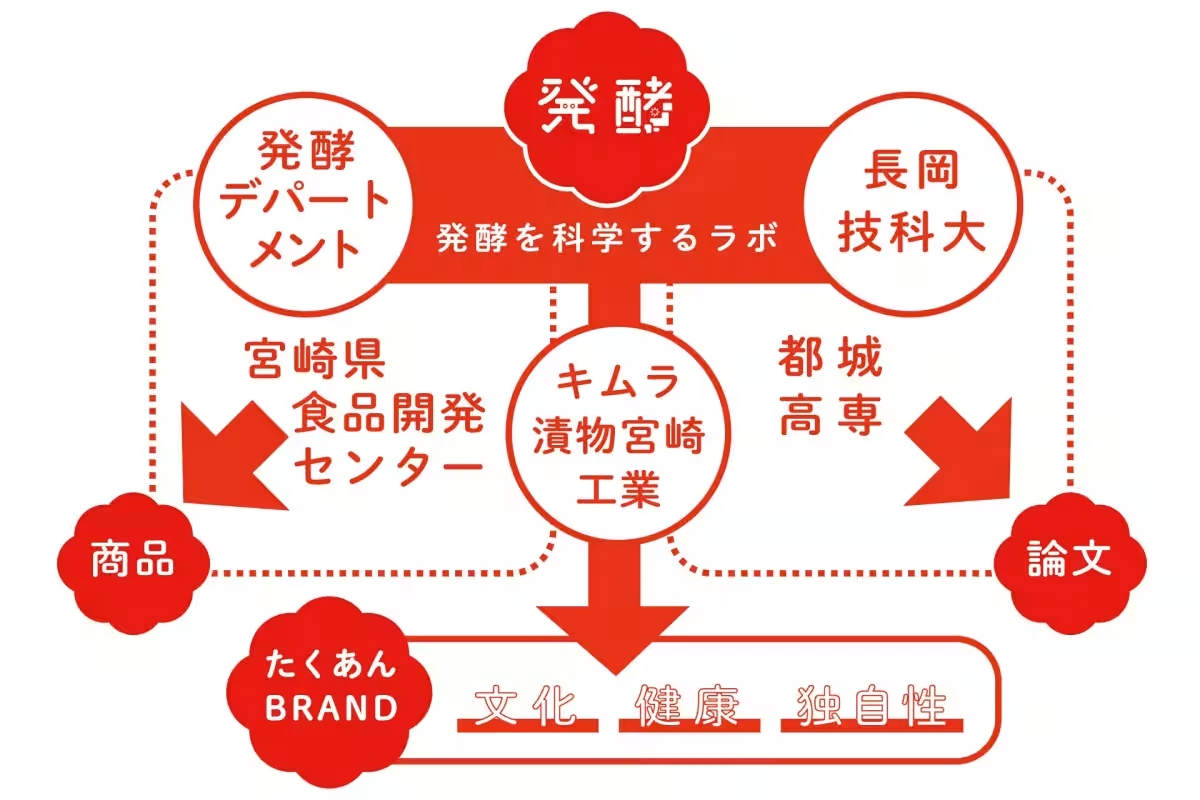
In achieving these goals, the lab is equipped with three essential functions:
- - Modern equipment and expertise for microbiological culture and analysis.
- - Research capabilities in anthropology and sociology regarding fermentation culture.
- - Development features that connect research findings with product and technology innovations.
The Inspiration Behind the Lab
The inception of the lab arose from the fruitful collaboration between Dr. Wataru Ogasawara, a microbiologist, and Hiraku Okura, a designer captivated by the world of fermentation. Both individuals, although from different fields, have consistently explored and observed the traditional fermentation practices of Japan – one from a scientific lens and the other from a cultural perspective. Their combined efforts aim to seamlessly integrate research with market strategies, maintaining strong ties with the increasingly fading Japanese fermentation culture.
The outcomes of the lab’s research will directly feed into Okura’s design and curation efforts, establishing a unique brand that resonates with deeper values rather than just surface-level aesthetics.
A Multi-Layered Approach to Branding
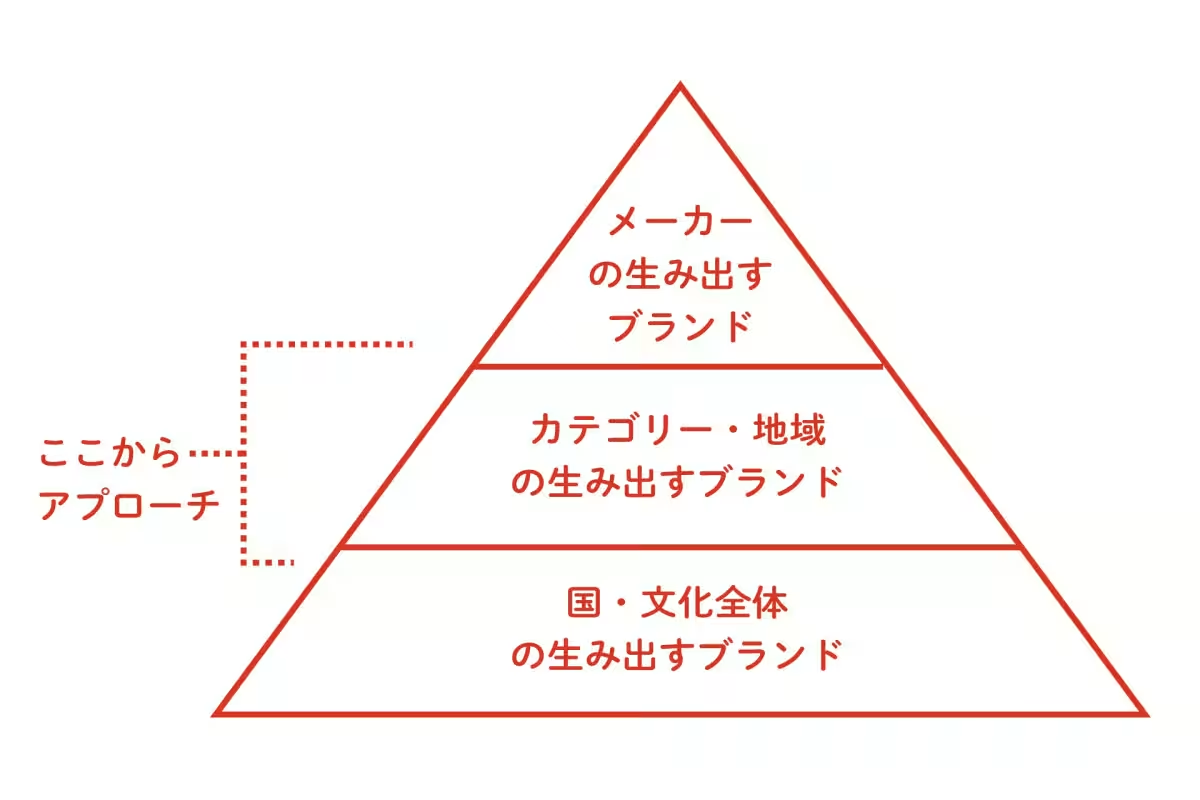
The team envisions a three-tiered approach to branding within the food industry:
- - First Layer: Individual brands created by manufacturers.
- - Second Layer: Regional brands that encompass broader categories.
- - Third Layer: A brand that is representative of an entire nation and its culture.
The lab will first target the second layer, focusing on inclusive brands beneficial for creators within respective categories and regions. This approach ensures that as the value is recognized at various levels, local manufacturers as well as the agricultural, fishing, and forestry industries will thrive. As a result, local service industries such as tourism and dining can also capitalize on this strengthened brand.
Collaborative Research Efforts
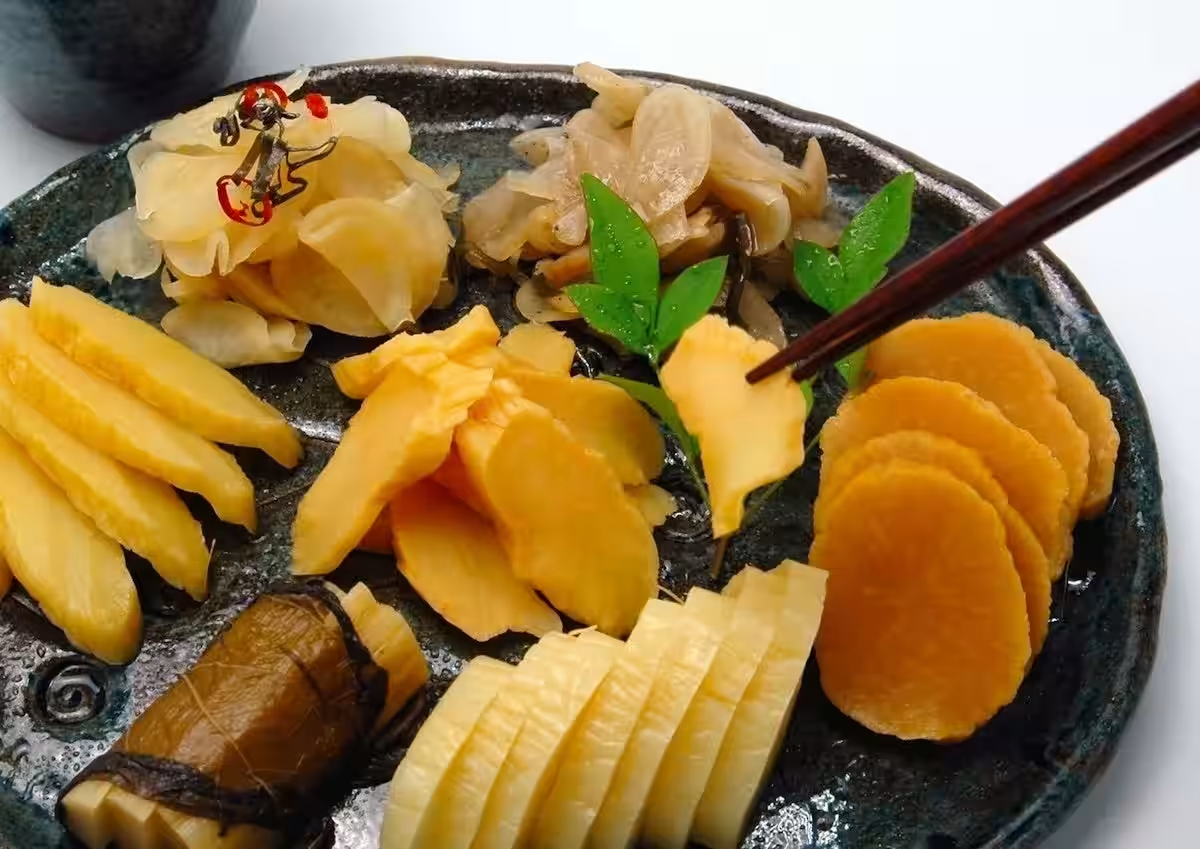
The lab will facilitate collaborative research and product development across the national network of technical colleges. Notably, the initial project involves a unique collaboration examining the wisdom behind lactic acid fermentation practices in Miyazaki Prefecture. This study aims to delve deep into understanding the fundamental processes that contribute to the flavor and preservation of traditional pickles made only from radish and rice bran. The collaboration will include participation from local food development centers and aims to establish product pathways as well.
Upcoming Press Event
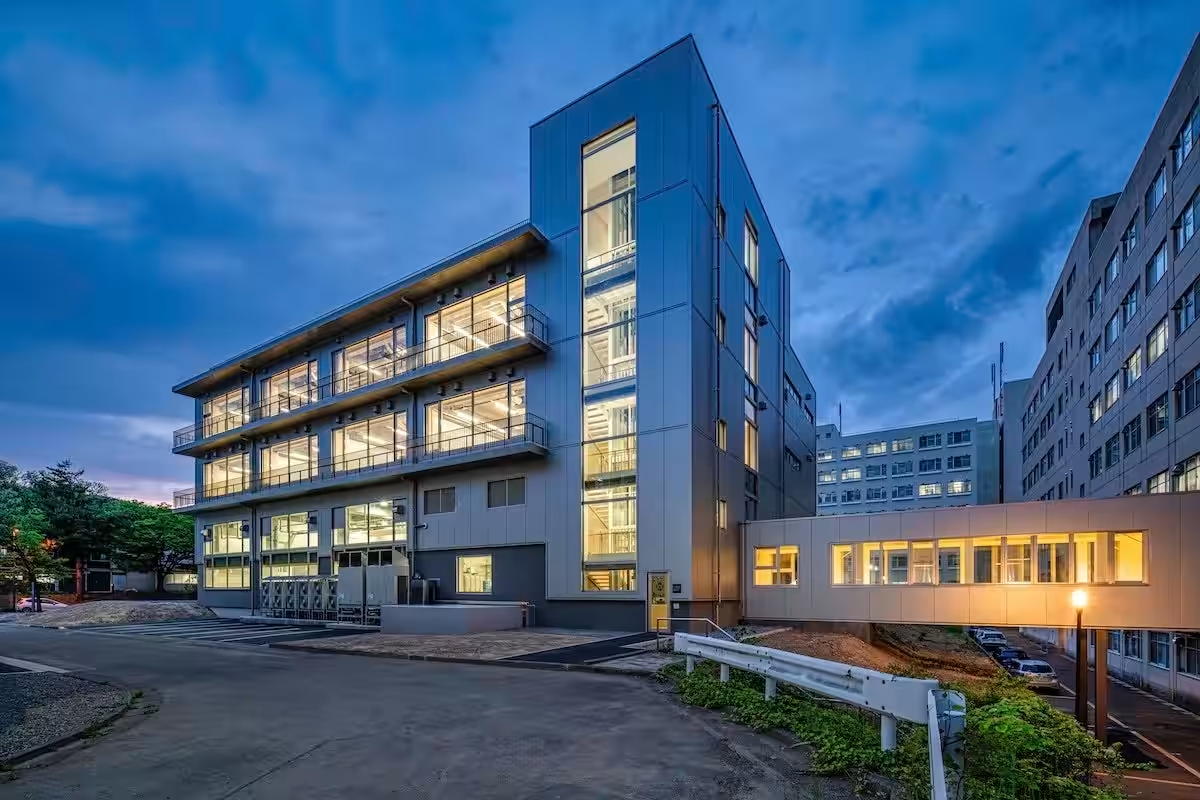
A press conference is scheduled for November 13th, 2025, in the Regional GX Innovation Co-Creation Center at Nagaoka University, where attendees will have the chance to explore the lab and hear from the team about its mission and objectives.
Conclusion
As the lab aims to figure prominently in reviving Japan's rich fermentation culture on a global stage, it also represents a powerful fusion of science and culture. Nagaoka University's Fermentation Science Lab not only plans to reinvigorate local practices but also hopes to shine a light on the value of fermentation as a universal human heritage. This initiative promises a future filled with flavor, health benefits, and global recognition for Japan's treasured fermentation culture.












Topics Consumer Products & Retail)
【About Using Articles】
You can freely use the title and article content by linking to the page where the article is posted.
※ Images cannot be used.
【About Links】
Links are free to use.