



Understanding the Dangers of Sebaceous Cysts in Hot Weather: An Insight into Treatment Methods
The Alarming Reality of Sebaceous Cysts in the Summer Heat
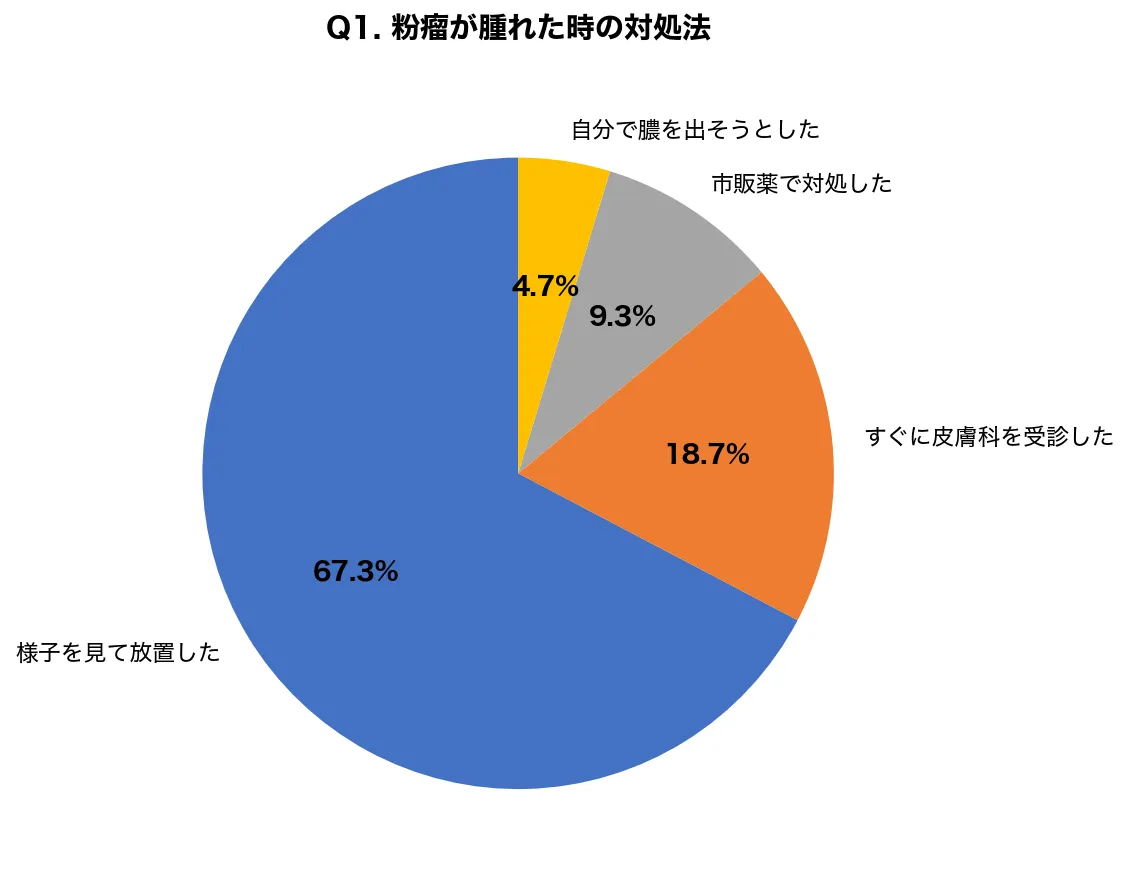
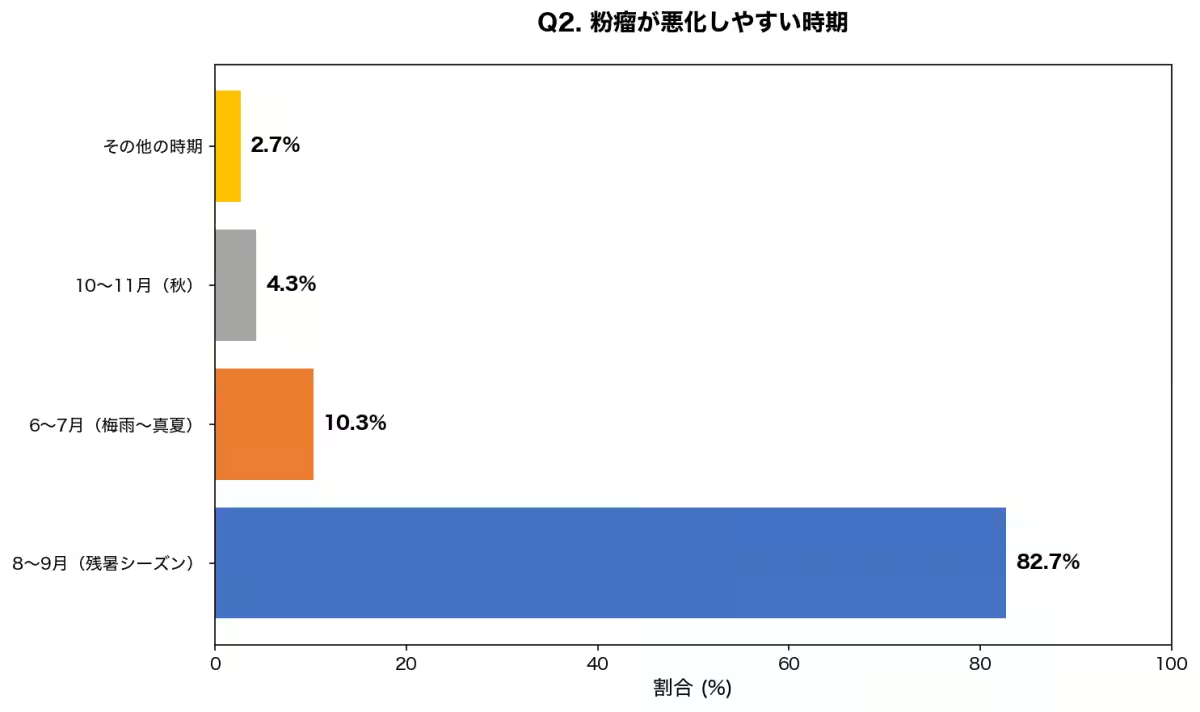
Summer brings an increase in sweat and oil production on the skin, which can lead to an unfortunate circumstance: sebaceous cysts. Recent research has revealed that a staggering 67.3% of individuals who experienced swelling in sebaceous cysts chose to ignore the issue and wait it out, while 82.7% reported that their condition worsened during the hot and humid late summer months. These statistics call for a deeper understanding of the condition and its treatment options.
As a growing number of people are faced with sebaceous cysts during the sweltering summer months, it is crucial to differentiate between two common treatment approaches: incision and drainage versus excisional surgery. Leading dermatologists emphasize that if a sebaceous cyst becomes inflamed and painful, the standard protocol involves first performing incision and drainage to alleviate inflammation and pain, followed by a comprehensive excision to remove the cyst at a later date.
What Exactly is a Sebaceous Cyst?
A sebaceous cyst, or epidermoid cyst, is a benign bump beneath the skin filled with keratin, the protein that forms skin, hair, and nails. These cysts can develop anywhere on the body and typically occur on the face, neck, back, and ears. Unlike other conditions, sebaceous cysts do not heal on their own and can grow larger over time if left untreated.
Inflammatory Sebaceous Cysts Explained
An inflammatory sebaceous cyst arises when bacteria infect the cyst, resulting in redness, swelling, and pain. In some cases, the cyst might burst, releasing pus. However, the risk of recurrence is high since the cyst wall remains, leading to potential complications if left untreated.
Treatment Options: Incision and Drainage vs. Excisional Surgery
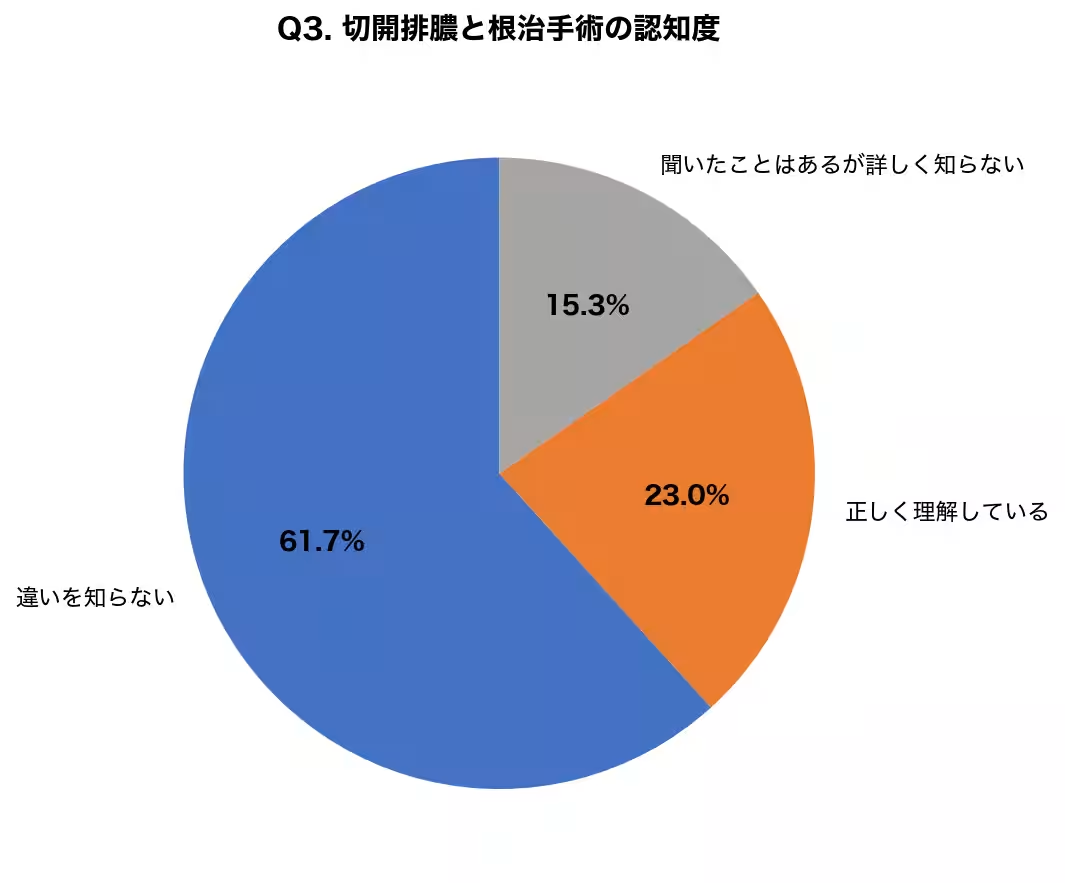
Patients often confuse incision and drainage with complete excision. Unfortunately, only 23.0% of individuals in a recent survey understood the distinction between these two procedures.
Here's a breakdown of each treatment option:
| Comparison Item | Incision and Drainage | Excisional Surgery |
|---|---|---|
| ----- | --------- | --------- |
| Purpose | Release pus and alleviate inflammation | Complete removal of the cyst wall |
| Timing | During inflamed state | After inflammation subsides |
| Surgery Duration | Approximately 5-10 minutes | Approximately 15-30 minutes |
| Cost (30% copayment) | About 2,000 to 3,000 yen | About 8,000 to 15,000 yen |
| Risk of Recurrence | High | Low |
| Follow-Up Visits | 2-5 visits (for cleaning and dressing) | 2-3 visits (including suture removal) |
| Downtime | 1-2 weeks | About 1 week |
Both treatments have their unique benefits and limitations, raising the need for patients to be aware of their options based on their specific conditions.
Key Findings from the Research
Majority Ignored Symptoms: The survey discovered a troubling trend wherein 67.3% of participants chose to avoid seeking medical help, leading to an increased risk of infection and complications.
Late Summer Surge: The research indicates that 82.7% experienced exacerbation in symptoms during August and September due to a combination of humidity and increased perspiration, creating perfect conditions for bacterial growth.
Lack of Understanding: Alarmingly, more than half of the survey participants lacked awareness of the differences between incision and drainage versus excisional surgery. This lack of information is critical since improper treatment can lead to recurrent issues.
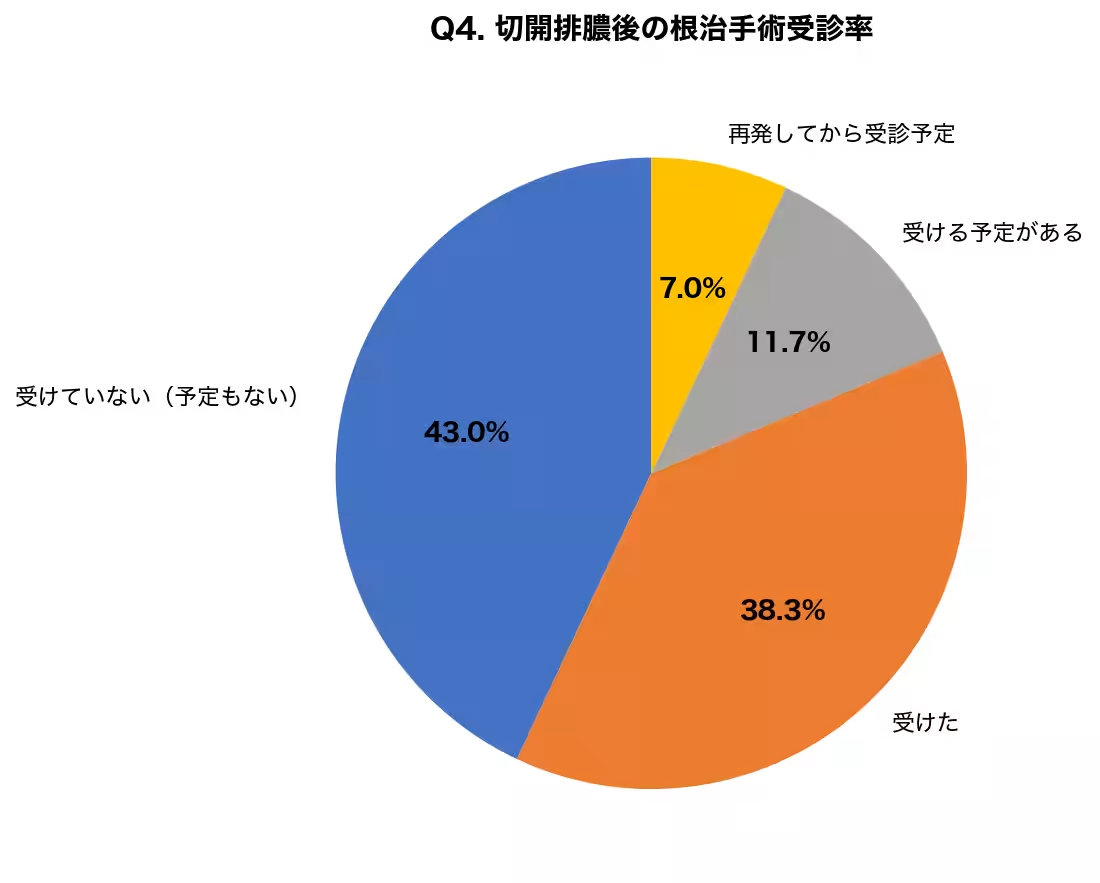
Post-Drainge Surgery Compliance: Among respondents who underwent incision and drainage, only 38.3% returned for excisional surgery when the inflammation subsided. This suggests a significant disconnect in understanding the importance of complete cyst removal.
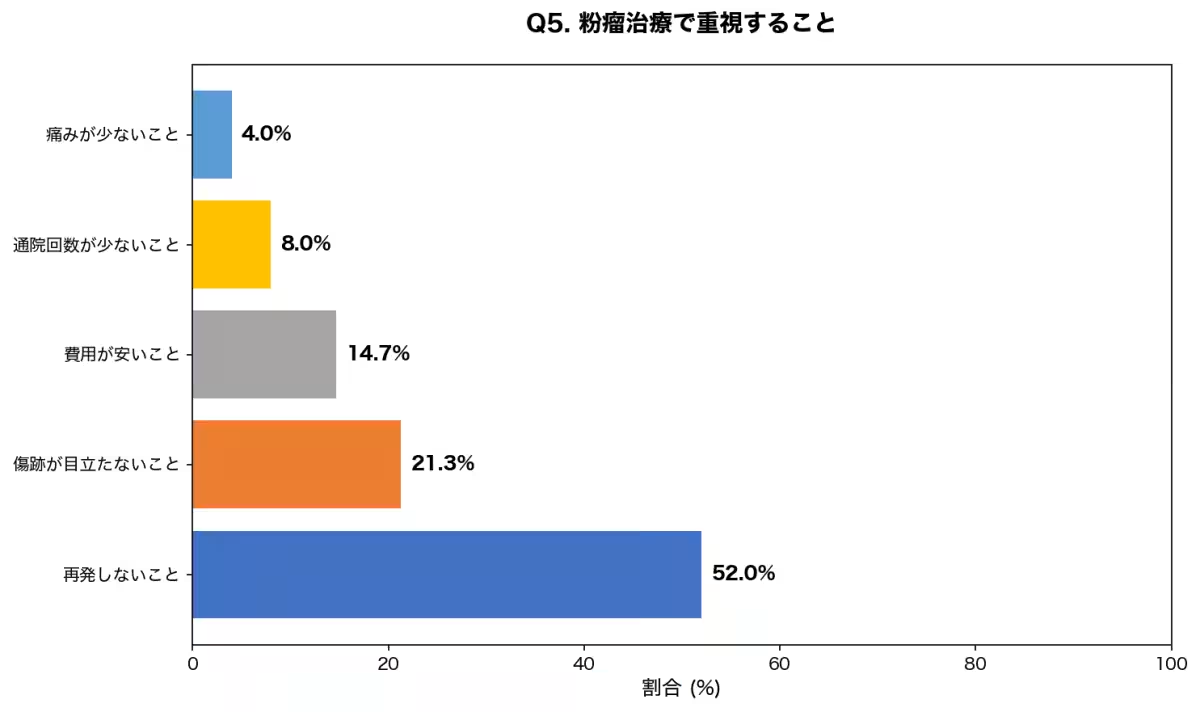
* Recurrence Prevention: Over 52.0% emphasized that preventing recurrence is their top priority. However, many are unaware that incision and drainage alone do not guarantee this.
Recommending Correct Treatments
Experts suggest that patients with existing sebaceous cysts consider planning for excisional surgery before inflammation occurs, particularly during the late summer when conditions are ripe for exacerbation. Maintaining cleanliness around existing cysts and seeking medical attention at the first signs of redness, pain, or swelling is also crucial.
Final Thoughts
The need for increased awareness regarding sebaceous cysts, particularly in summer, is clear. By understanding the appropriate treatment methods and recognizing when to seek care, individuals can reduce their risks and prevent complications. As always, prompt professional guidance is essential for effective management of sebaceous cysts and skin health overall. Individuals are encouraged to stay informed and consult their dermatologist if they have any concerns. This proactive approach can lead to better outcomes and overall skin health.
Topics Health)








【About Using Articles】
You can freely use the title and article content by linking to the page where the article is posted.
※ Images cannot be used.
【About Links】
Links are free to use.