



Booost Becomes Japan's First GRI Licensed Software Partner Supporting Corporate Sustainability
Booost: Leading the Way in Sustainability Reporting in Japan
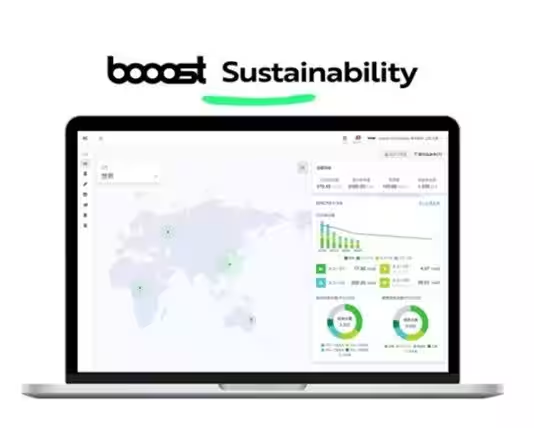
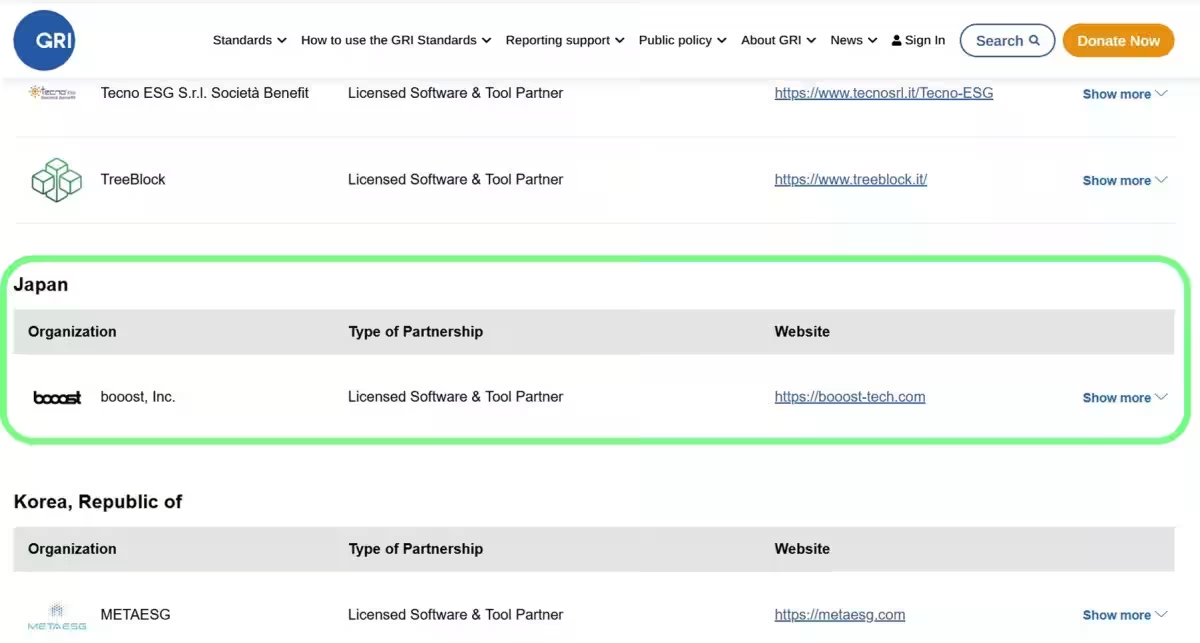
Booost Inc., based in Shinagawa, Tokyo, has made a significant stride towards corporate sustainability by becoming the first Japanese company to secure the “GRI Licensed Software & Tools Partner” license, effective April 1, 2025. This noteworthy achievement aligns with Booost’s mission to provide its integrated sustainability platform, known as “booost Sustainability,” which facilitates the sustainability transformation (SX) for organizations.
With this new license, Booost can assure its clients that its tools meet the stringent quality and compliance standards established by the Global Reporting Initiative (GRI). GRI is a respected independent organization dedicated to promoting sustainability reporting and has been a forerunner in creating universal frameworks that help organizations evaluate and disclose their environmental, social, and economic impacts. By achieving this certification, Booost further strengthens its commitment to transparency and responsible corporate governance.
Strengthening Global Compliance Through Interoperability
The partnership with GRI enhances the interoperability between Booost’s tools and other international frameworks, notably the International Financial Reporting Standards (IFRS, ISSB) and the European Sustainability Reporting Standards (ESRS). This integration is crucial for companies aiming to streamline their sustainability reporting processes and align with global compliance standards. By using Booost’s tools, companies can efficiently conduct gap analyses against these standards, which helps ensure that their disclosures are not only compliant but also consistent and streamlined. This feature is particularly beneficial in today’s regulatory environment, where the demand for clear and precise sustainability reporting is increasing.
User Advantages of GRI Certification
Booost’s certification as a GRI Licensed Software & Tools Partner brings a host of benefits to its users. Here are some of the key advantages:
1. Comprehensive Understanding of GRI Requirements: Clients can easily understand and implement GRI’s disclosure requirements, allowing them to structure their reporting in a way that aligns with international standards.
2. Customized Reporting Features: The platform allows clients to utilize a flexible questionnaire feature, enabling them to include company-specific materiality into their reporting structure, which increases the relevance and accuracy of their disclosures.
3. Data Management Efficiency: The system supports decentralized data entry from various locations while allowing central management by sustainability teams. This dual approach enhances internal control and streamlines progress management in report generation.
4. Operational Cost Efficiency: By leveraging Booost’s tools, organizations can reduce the manual workload associated with sustainability reporting. This not only drives efficiency but also supports standardized operations that mitigate reliance on individual decision-makers.
5. Enhanced Interoperability with Other Standards: Given the collaboration between GRI, IFRS (ISSB), and ESRS, organizations can respond more effectively to multiple reporting requirements, facilitating a smoother transition between different regulatory environments.
Insights from Industry Leaders
Commenting on this groundbreaking achievement, Alex Kiodo, Senior Manager of the GRI Licensing Software & Tools Program, expressed his enthusiasm regarding Booost's certification. He emphasized that thorough testing and validation of Booost’s tool functionalities ensure that GRI’s standards are accurately reflected. Kiodo hailed this certification as a major milestone for seamless and automated sustainability reporting in Japan, particularly welcoming Booost as the first company to earn this status. This certification is expected to simplify data management for companies while fostering trust with stakeholders both domestically and internationally.
Booost’s CEO, Hironori Aoi, also remarked on the significance of receiving the GRI license. He stated that this recognition is pivotal not just for Booost but for the entire Japanese corporate sector, emphasizing the importance of disclosing sustainability metrics that meet international standards. He noted that many of their clients, including corporations with a market cap exceeding 500 billion yen, have already begun aligning their disclosures with GRI standards. This recognition positions Booost to facilitate a smoother reporting process from data collection to disclosure.
Moving Towards Sustainable Compliance
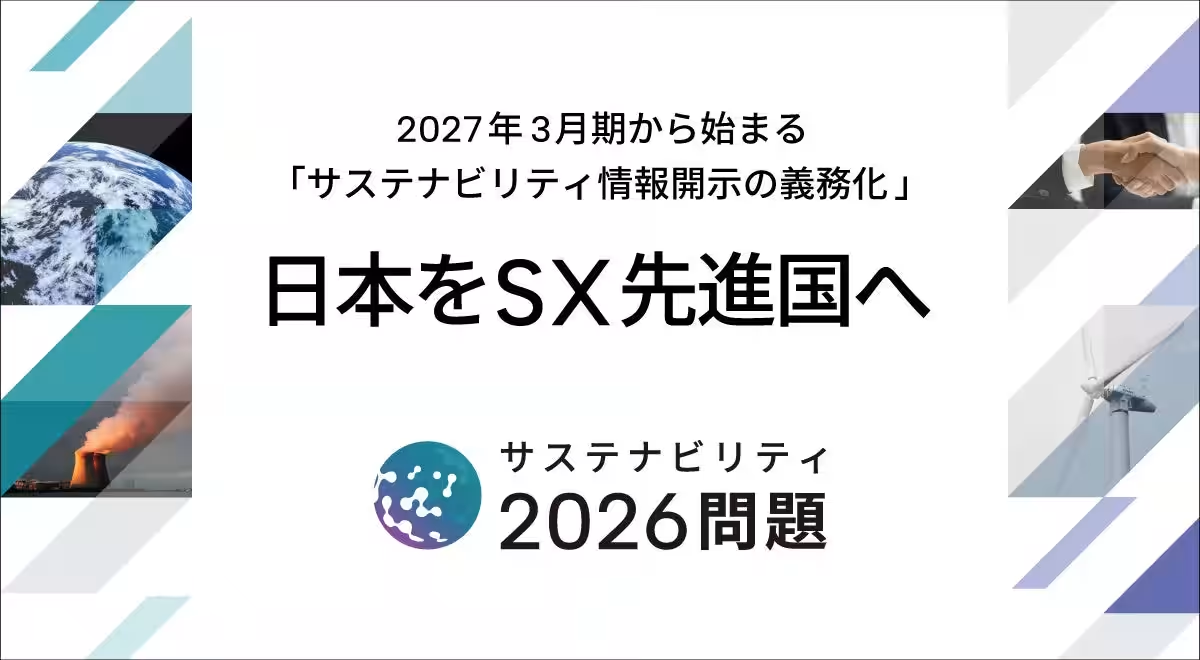
In the context of the looming “Sustainability 2026 problem,” where many companies are grappling with the impending obligation to disclose sustainability-related financial information, Booost’s initiatives are timely. The firm aims to help Japanese companies elevate their presence globally through sustained efforts in SX and enhance corporate value.
By kicking off the “Project to Make Japan a Leader in SX” in November 2024, Booost seeks to address challenges regarding the compulsory disclosure of sustainability information and ultimately boost corporate value in Japan. Through such initiatives, Booost is demonstrating its commitment to supporting sustainability leadership among Japanese companies, encouraging them to embrace the necessary transformation for a sustainable future.
Conclusion
Booost is not just offering tools for reporting; it’s paving the way for corporate transparency and accountability in sustainability practices. As more firms recognize the importance of sustainability reporting, Booost’s comprehensive tools and strategic partnerships set the stage for more effective communication of corporate sustainability efforts, enhancing trust and stakeholder engagement. Grasping the implications of such an achievement, Booost exemplifies the future of sustainable business practices in Japan and beyond.

Topics Business Technology)
【About Using Articles】
You can freely use the title and article content by linking to the page where the article is posted.
※ Images cannot be used.
【About Links】
Links are free to use.