



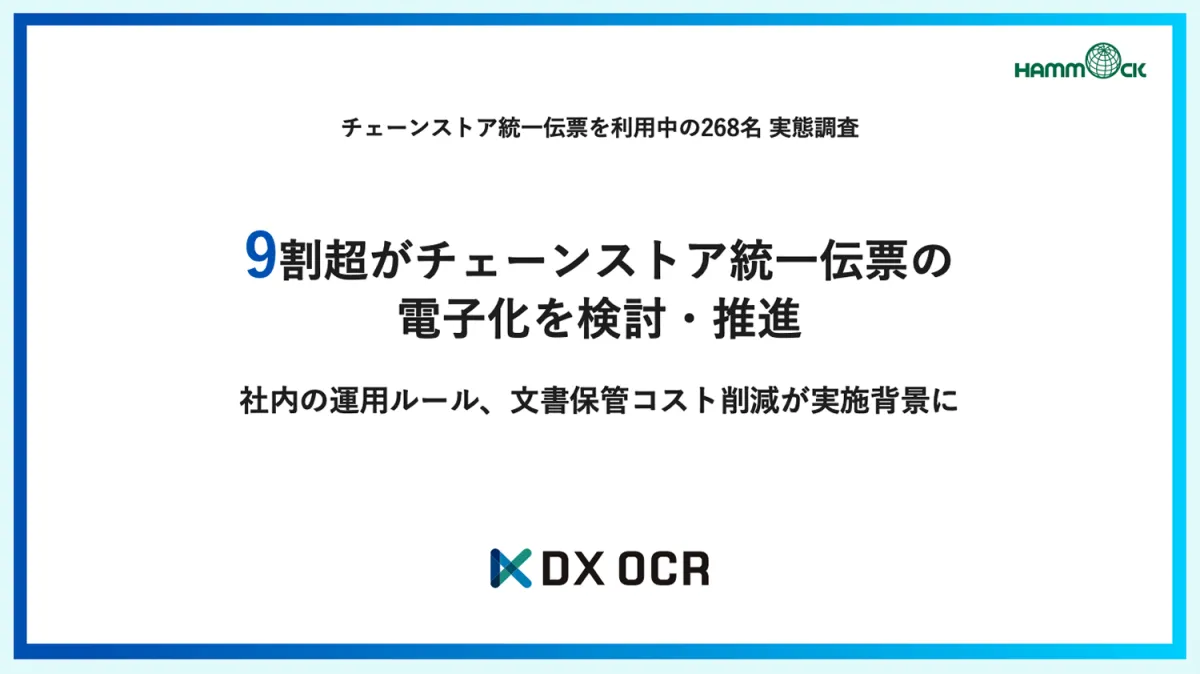
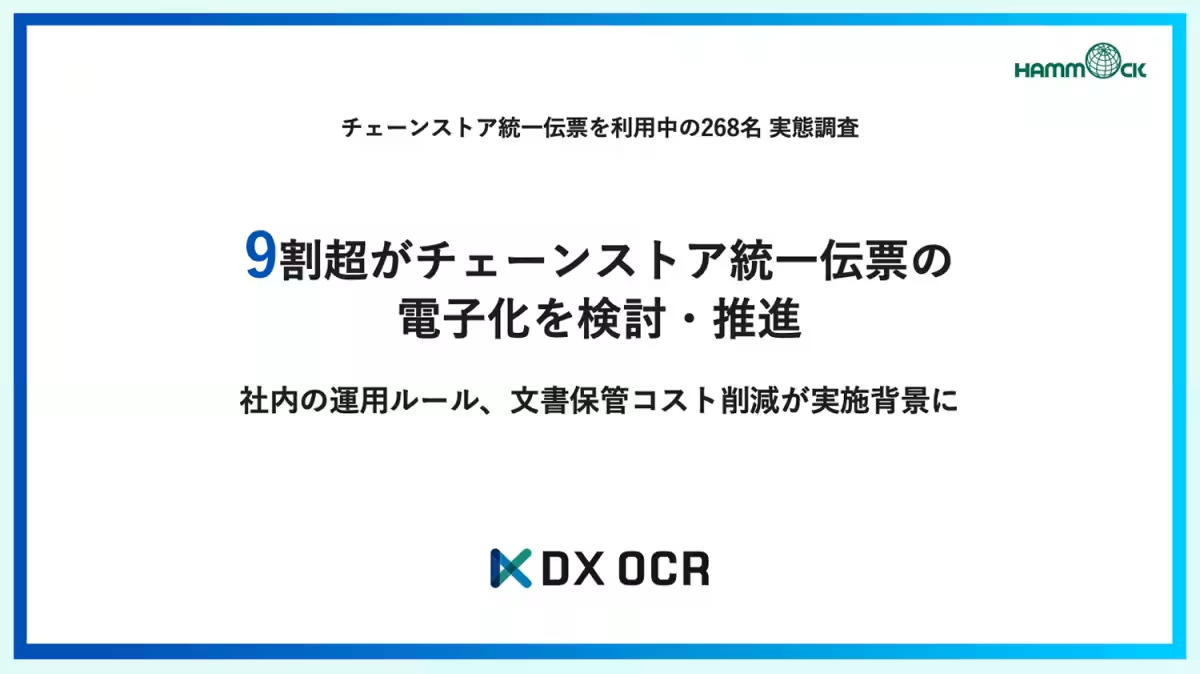
Over 90% of Chain Stores Consider Digital Transformation of Unified Invoices
Survey Overview: Tackling Digital Transformation in Chain Stores
In a recent survey conducted by Hammock, a software solutions provider headquartered in Shinjuku, Tokyo, the company explored the status of digital transformation (DX) in the realm of unified invoices among chain stores. The survey polled 268 representatives from businesses utilizing these invoices.
Background of the Survey
The retail and distribution sectors are currently facing pressing challenges due to a labor shortage and the increasing complexity of operations. Consequently, there is a growing demand for the digital transformation of back-office duties, such as order processing and invoicing. Despite the widespread use of unified invoices across various businesses, the reliance on paper-based operations has persisted for years, leading to significant workload burdens for data entry, reconciliation, and storage management.
Additionally, the need to comply with the Electronic Bookkeeping Preservation Law, the increasing requests for digital invoicing from business partners, and the rising costs associated with document storage have all contributed to the heightened interest in electronic invoice standardization. However, the reality reveals a mixed bag of operations that still rely on both paper and digital formats, obscuring the true extent of digitalization and the motivations driving businesses toward DX initiatives.
Thus, Hammock aimed to illuminate the state of electronic invoicing and the challenges faced by organizations by conducting this survey.
Survey Methodology
- - Survey Name: Investigation on the Promotion of Digital Transformation in Unified Invoicing
- - Method: Internet-based survey using the self-service questionnaire tool "Freeasy"
- - Survey Period: December 5, 2025, to December 11, 2025
- - Participants: 268 respondents
Note: Some percentages may not total 100 due to rounding. Proper citation is required when referencing this survey, including a link to Hammock's website: URL.
Key Findings from the Survey
- - Around 90% still utilize paper invoices, with less than 10% fully digitalized.
- - Input errors and data reconciliation issues were the most frequently reported challenges, alongside significant operational time burdens.
- - Over 90% are considering or promoting digitalization to accelerate operational efficiency.
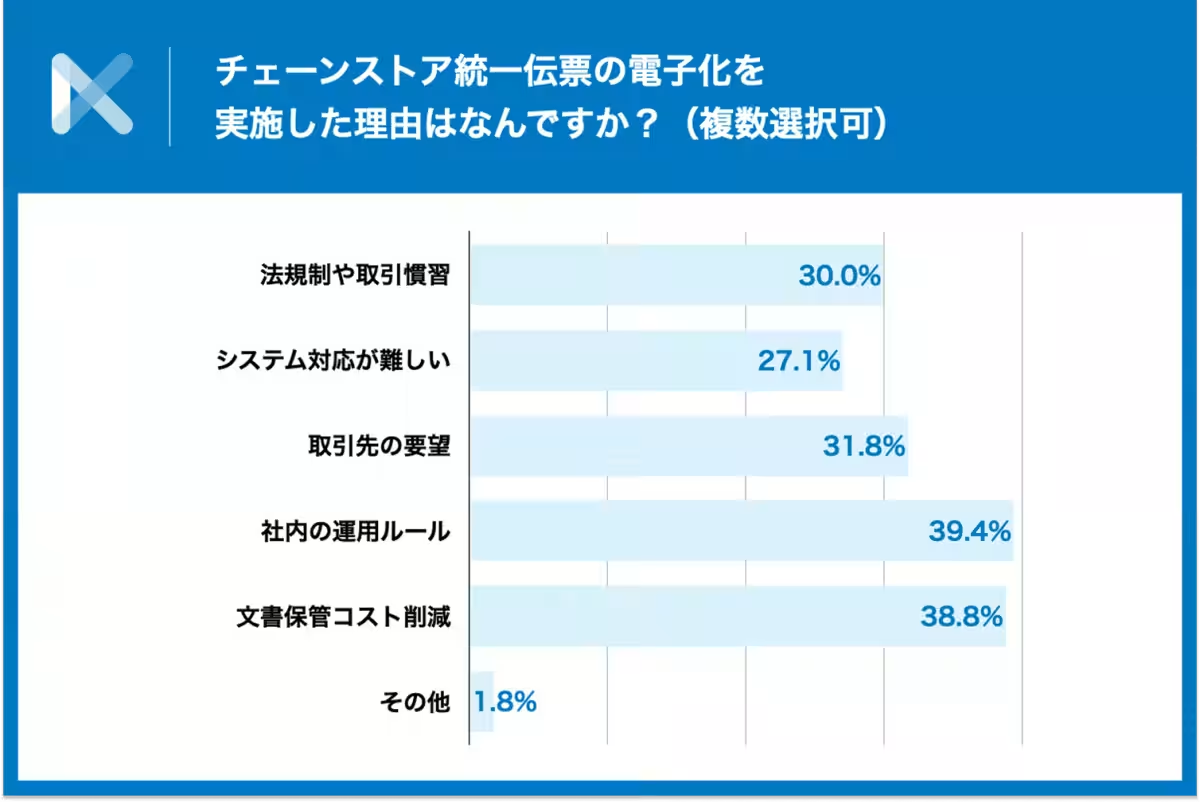
- - Internal operational rules were the most cited reason for digitization, with cost reduction for document storage also playing a crucial role.
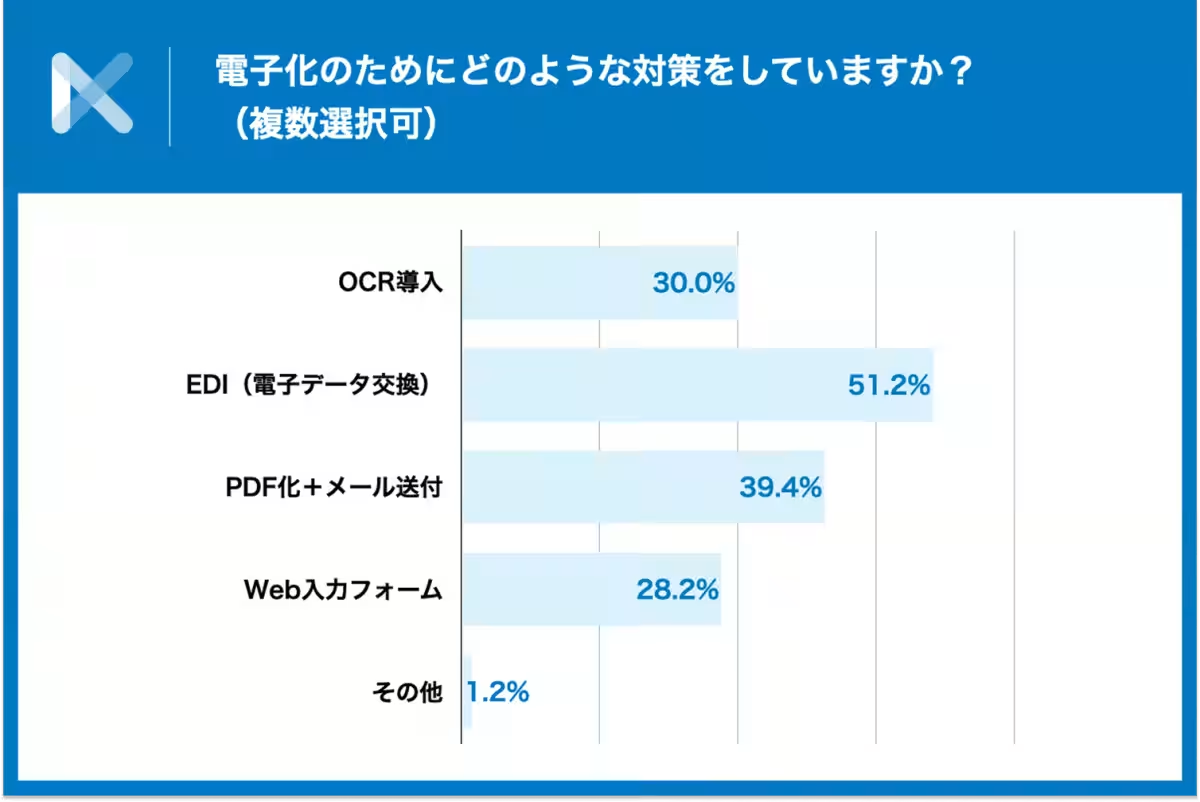
- - Electronic Data Interchange (EDI) was the most popular method employed by approximately 50% of respondents, with advancements in PDF usage and Optical Character Recognition (OCR) technology also noted.
Detailed Findings
Prevalence of Paper Invoicing
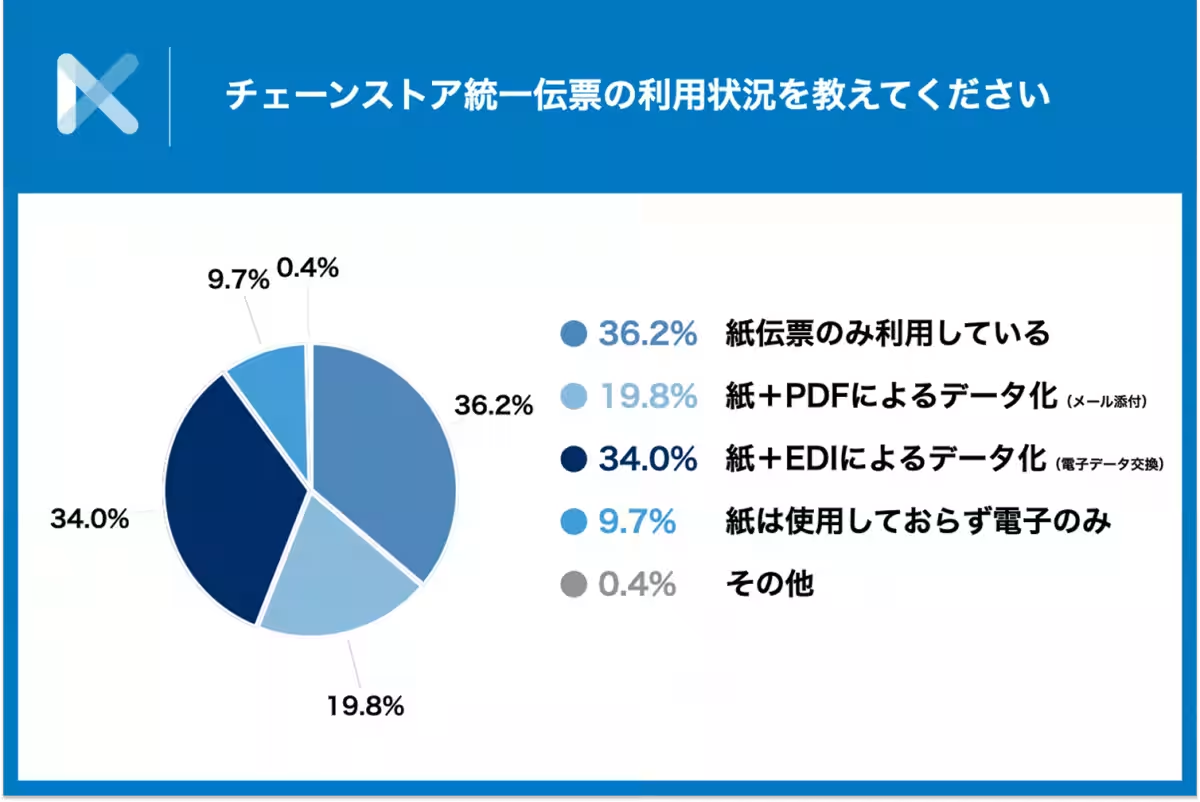
When asked about the usage statuses of unified invoices, 36.2% of the respondents reported relying solely on paper invoices. In addition, 19.8% used a combination of paper and PDF formats, while 34.0% utilized both paper and EDI, indicating that nearly 90% are still dependent on paper-based invoices. Only a mere 9.7% declared full digitalization, demonstrating that the transition away from paper dependency is still lagging.
Operational Challenges
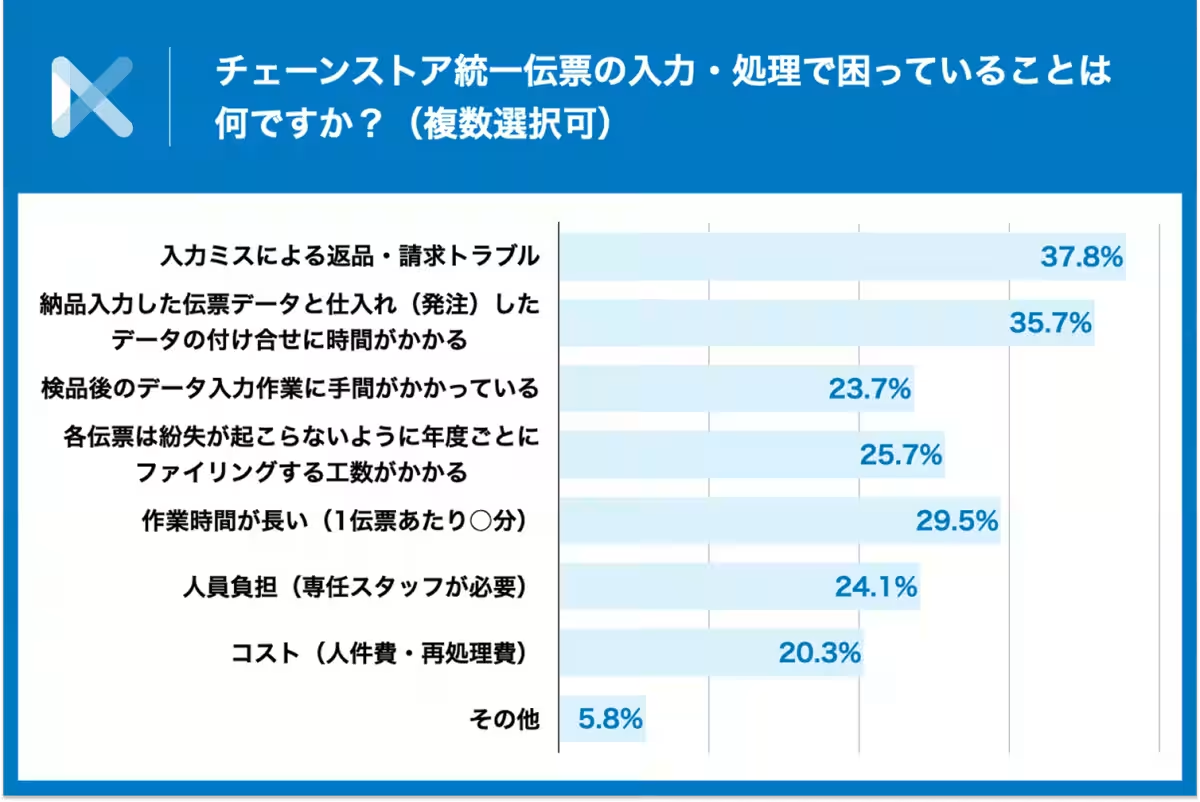
Respondents highlighted significant pain points related to the processing of unified invoices. The most common issue was input errors leading to return or billing problems, cited by 37.8%. This was followed by the cumbersome nature of data reconciliation, noted by 35.7%. Additionally, lengthy processing times and the extensive effort needed for filing were also raised as concerns. This indicates a pressing need for standardization and automation in data input and processing workflows.
Accelerating Digitalization Initiatives
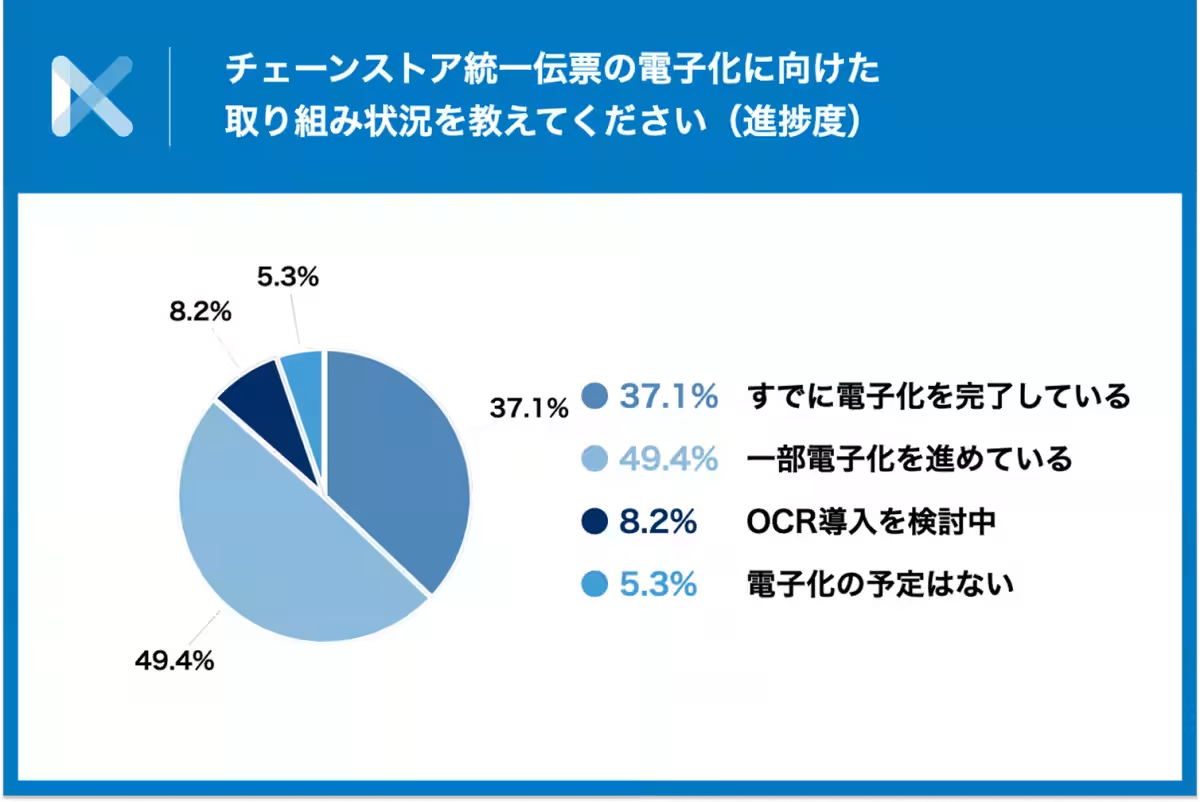
Speaking about their current digitalization efforts, 37.1% of respondents reported having completed digital transformation initiatives, while 49.4% were in the process of partial digitization. A further 8.2% were considering implementing OCR solutions, revealing that more than 90% are actively pursuing digital transformation. Only 5.3% of participants indicated that they had no plans for digitalization.
These statistics suggest that the digitalization of unified invoices is steadily progressing, driven primarily by operational efficiency and improved accuracy in transactions.
Motivations Behind Digitalization
When asked about the reasons for adopting digital invoicing, the most significant factor was adherence to internal operational guidelines, cited by 39.4%. Cost reduction for document storage followed closely at 38.8%. Notably, requests from business partners also influenced 31.8%, indicating that smoother interactions and enhanced responsiveness to business clients are integral incentives for transitioning to digital formats. Regulatory compliance and system-related difficulties were cited by 30.0% and 27.1%, respectively, illustrating that operational convenience often drives digital transformation over regulatory compulsion.
Strategic Approaches to Digital Solutions
The survey revealed that 51.2% of participants are focusing on implementing EDI, showcasing a robust approach to comprehensive operational system integration for digitalization. Following closely, 39.4% reported using PDF formats combined with email for invoicing. Additionally, 30.0% were adopting OCR technologies while 28.2% utilized web input forms to enhance operational efficiency.
Overall, the trend indicates a hybrid operational model combining multiple methodologies to facilitate digital transformation efforts among chain stores.
Conclusion
The current state of unified invoices reveals a reliance on paper alongside significant operational challenges, but with over 90% of companies actively considering or implementing digitalization strategies. However, hurdles with EDI system integration and adjustments to partnerships can slow the transition toward full digitalization.
One promising solution includes OCR technologies, as approximately one-third of businesses have already integrated these systems. This helps minimize manual input errors and automate data processing within the confines of traditional paper-based systems, thereby improving operational efficiency and accuracy. By complementing OCR with EDI and web inputs, organizations can progressively advance their digital transformation journey.
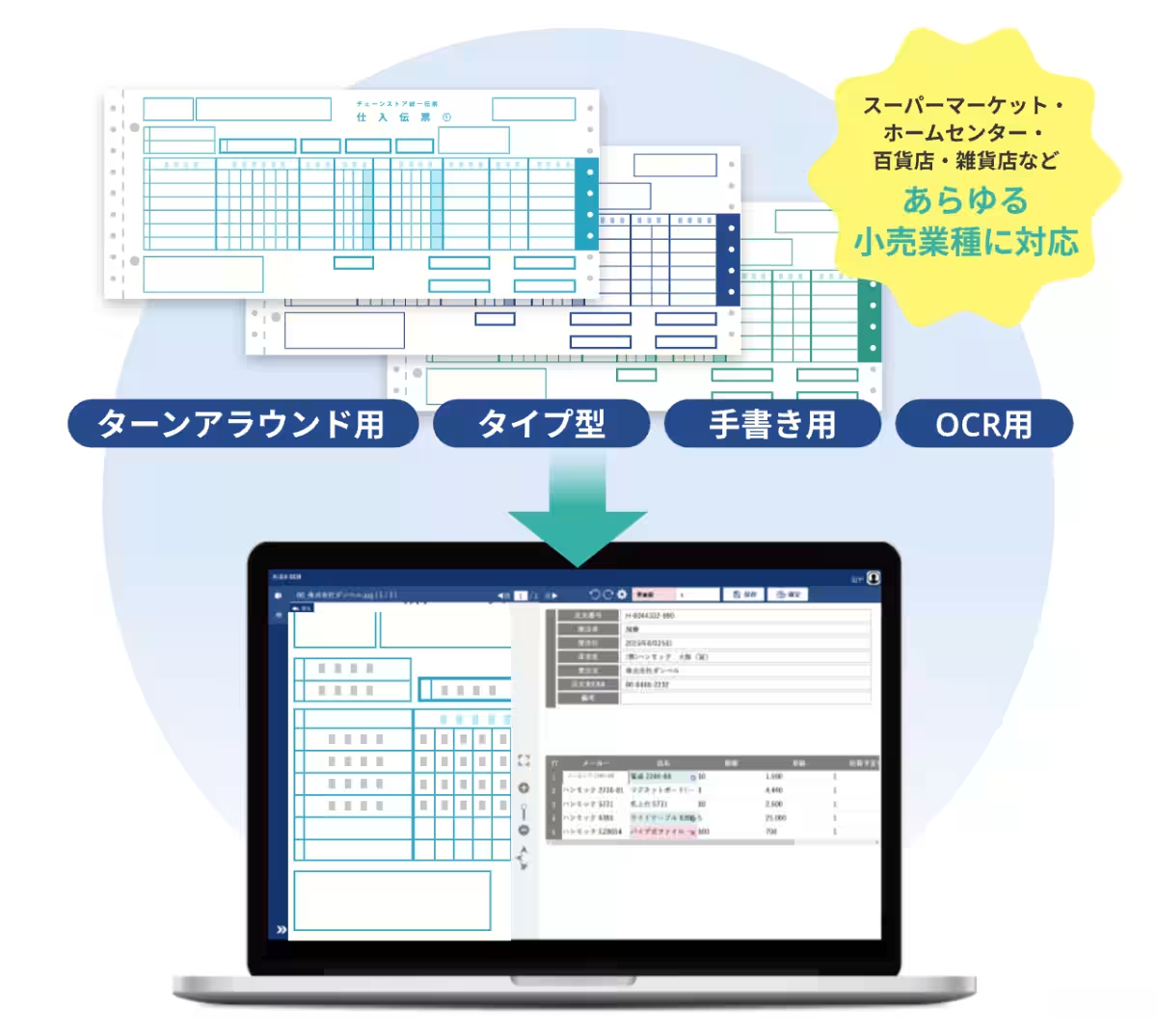
Hammock offers "DX OCR," a cloud-based AI-OCR service starting at 30,000 JPY per month, which eliminates the need for complex document design, allowing seamless recognition and data extraction from various document types. The service provides easy integration with existing systems and is an ideal choice for companies transitioning from other solutions.
With DX OCR, organizations can streamline time-consuming input tasks associated with invoicing, ultimately enhancing efficiency and reducing workload during critical billing periods, such as month-end processing. For further details, visit Hammock DX OCR.
About Hammock
Founded in April 1994, Hammock operates as a leading software manufacturer focused on providing innovative technology solutions for business challenges. Headquartered at 1-3-21 Okubo, Shinjuku, Tokyo, Hammock aims to offer high-quality services at competitive prices while fulfilling client needs across various sectors. For more information, visit Hammock Official Website.
Topics Business Technology)
【About Using Articles】
You can freely use the title and article content by linking to the page where the article is posted.
※ Images cannot be used.
【About Links】
Links are free to use.