



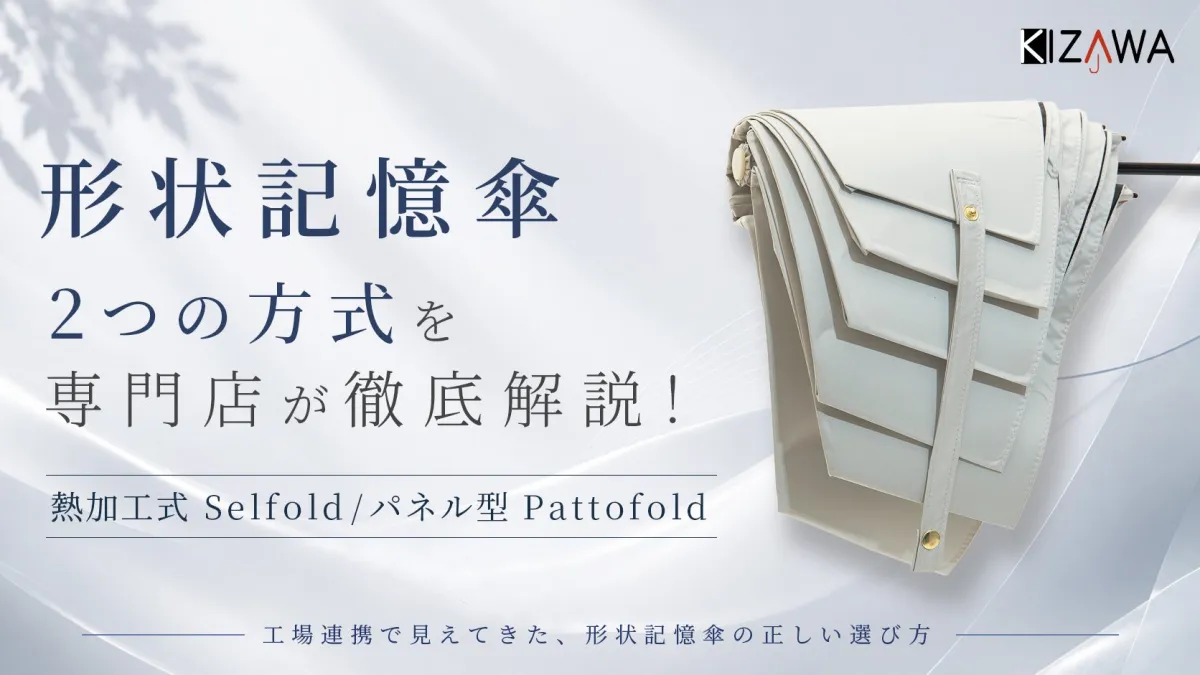
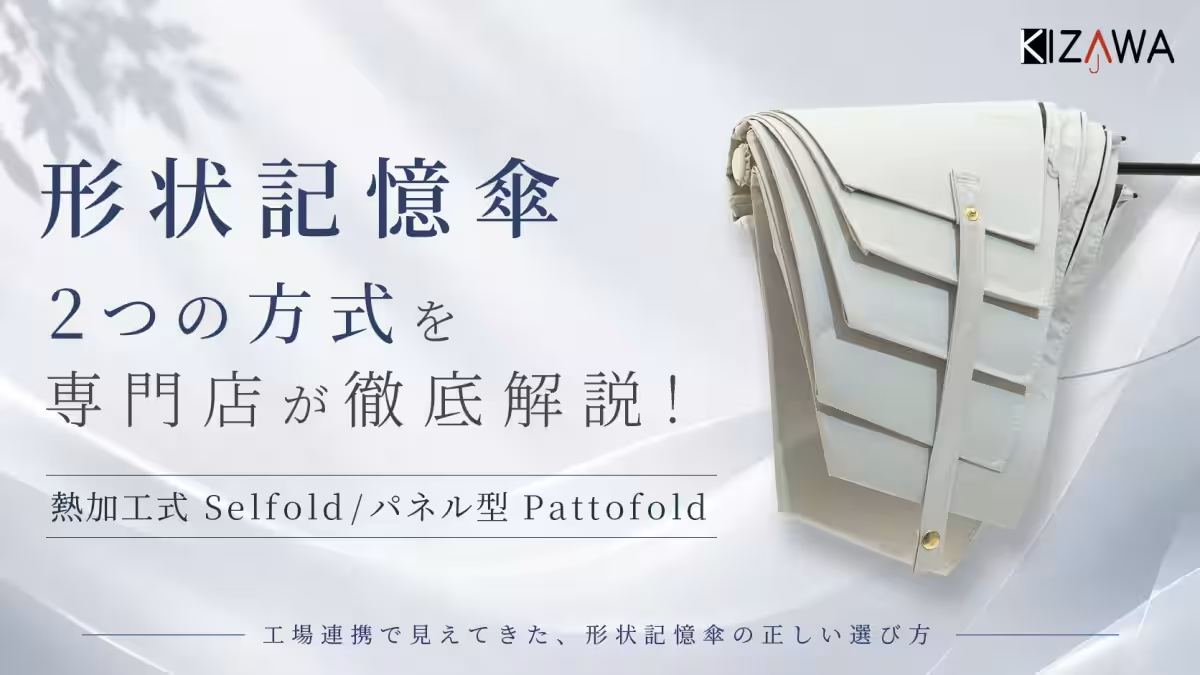
In-Depth Exploration of Shape-Memory Umbrellas: Heat Treatment vs. Panel Type
A Comprehensive Analysis of Shape-Memory Umbrellas
In recent years, shape-memory umbrellas have emerged as a significant trend in the foldable umbrella market. These innovative umbrellas can easily return to a compact form after folding, addressing common frustrations experienced with traditional foldable umbrellas, such as difficulty in neatly folding and time-consuming storage. This convenience has made them increasingly popular for daily activities like commuting, attending school, and casual outings.
However, the term "shape-memory" encompasses various production techniques, significantly influencing their functionality. KIZAWA, a specialist in umbrella design and manufacturing, has conducted thorough research, in collaboration with partner factories, to understand the structure and processing methods of shape-memory umbrellas. This article elucidates the differences between two primary types: the heat treatment method and the panel type, along with their respective advantages, disadvantages, and key purchase considerations.
Two Main Types of Shape-Memory Umbrellas
The current shape-memory processing methods for foldable umbrellas can be broadly classified into two categories:
1. Heat Treatment Method
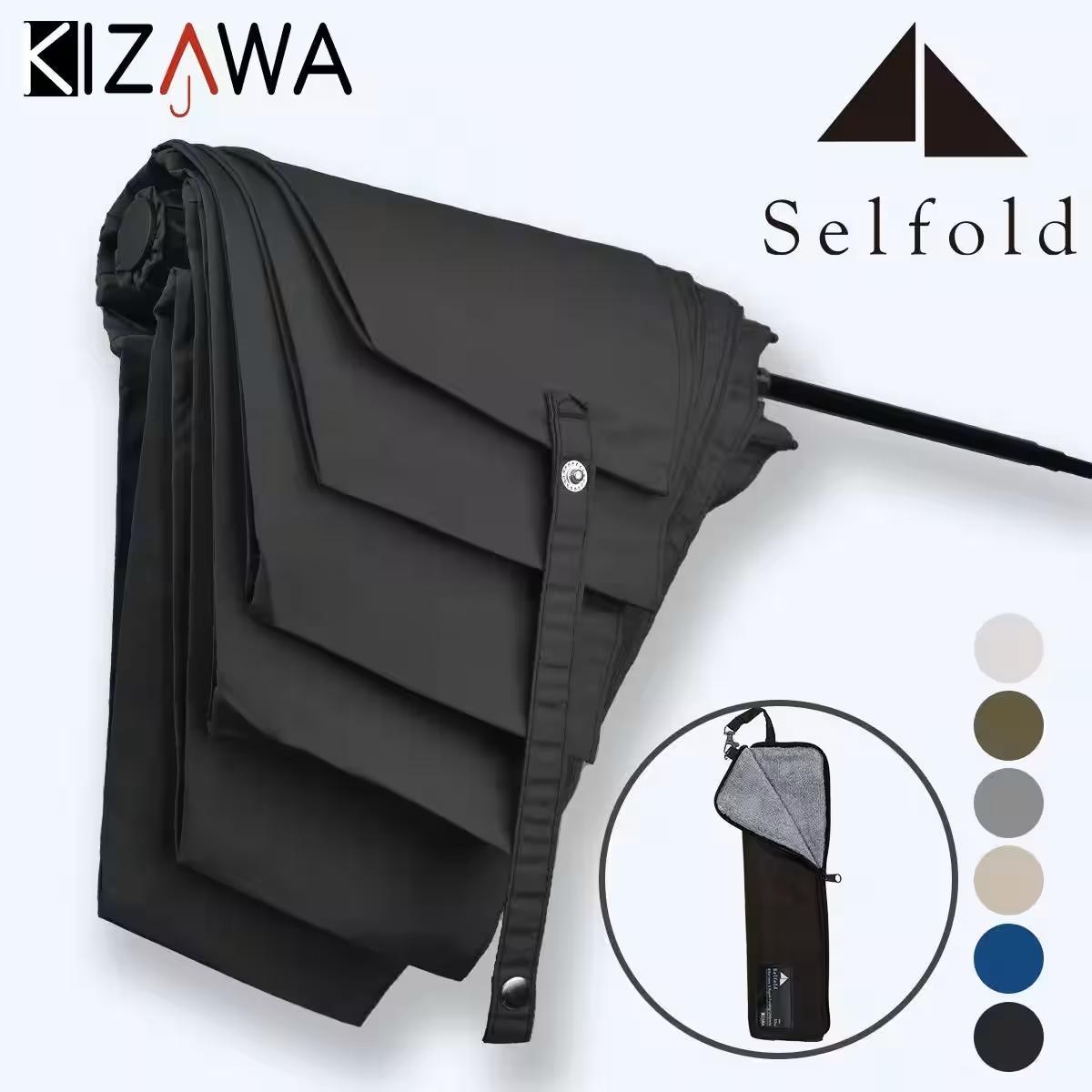
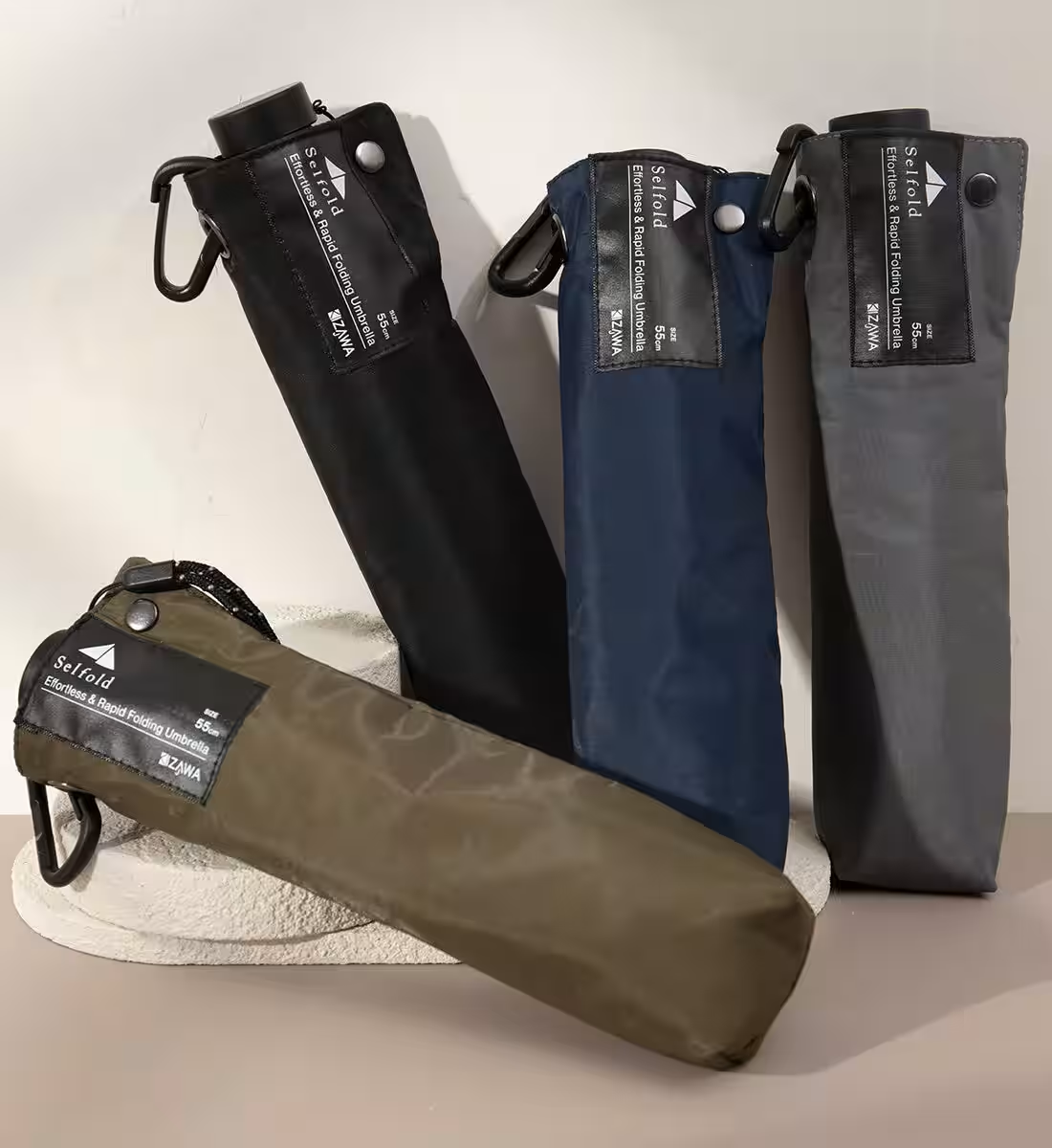
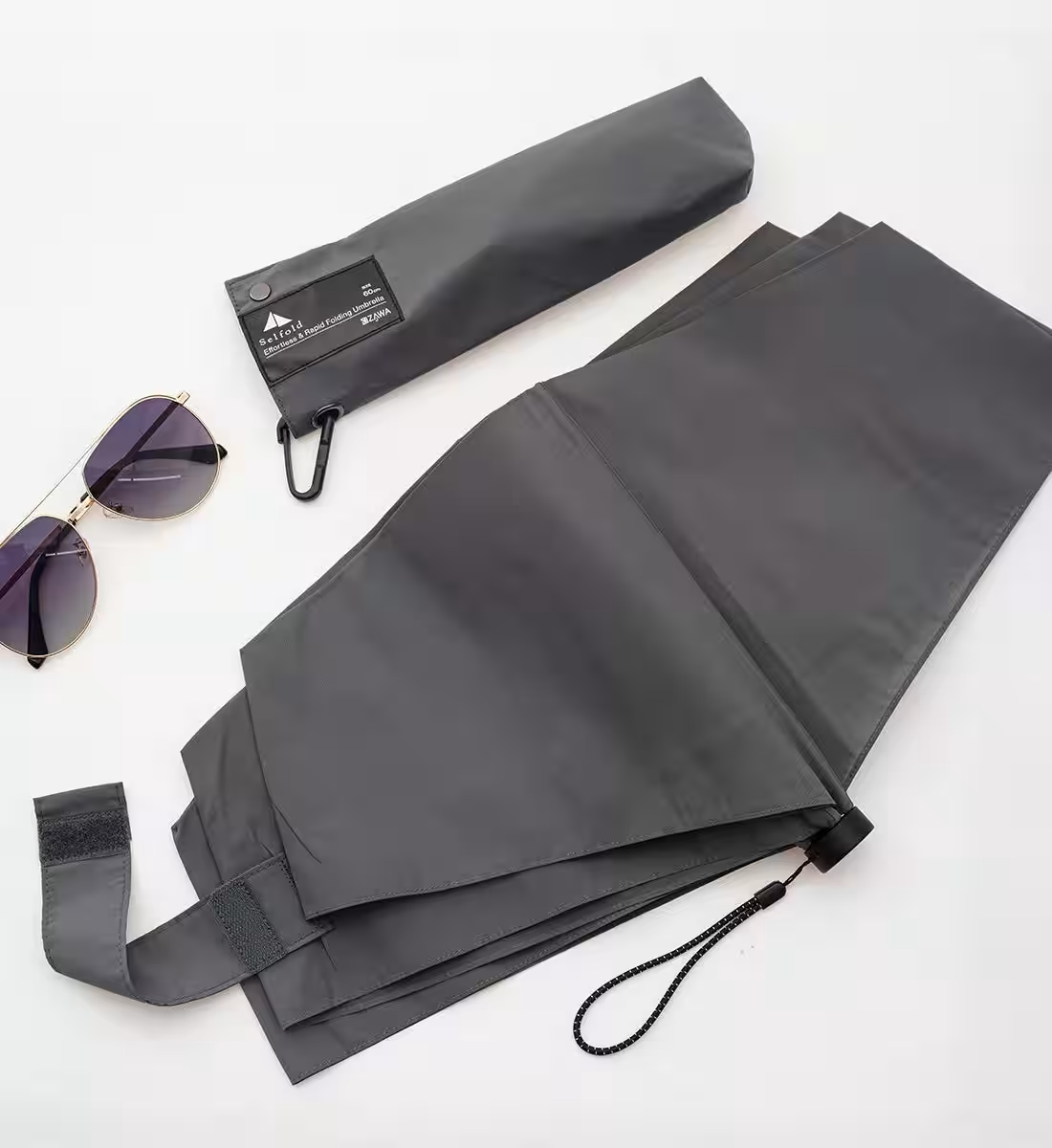
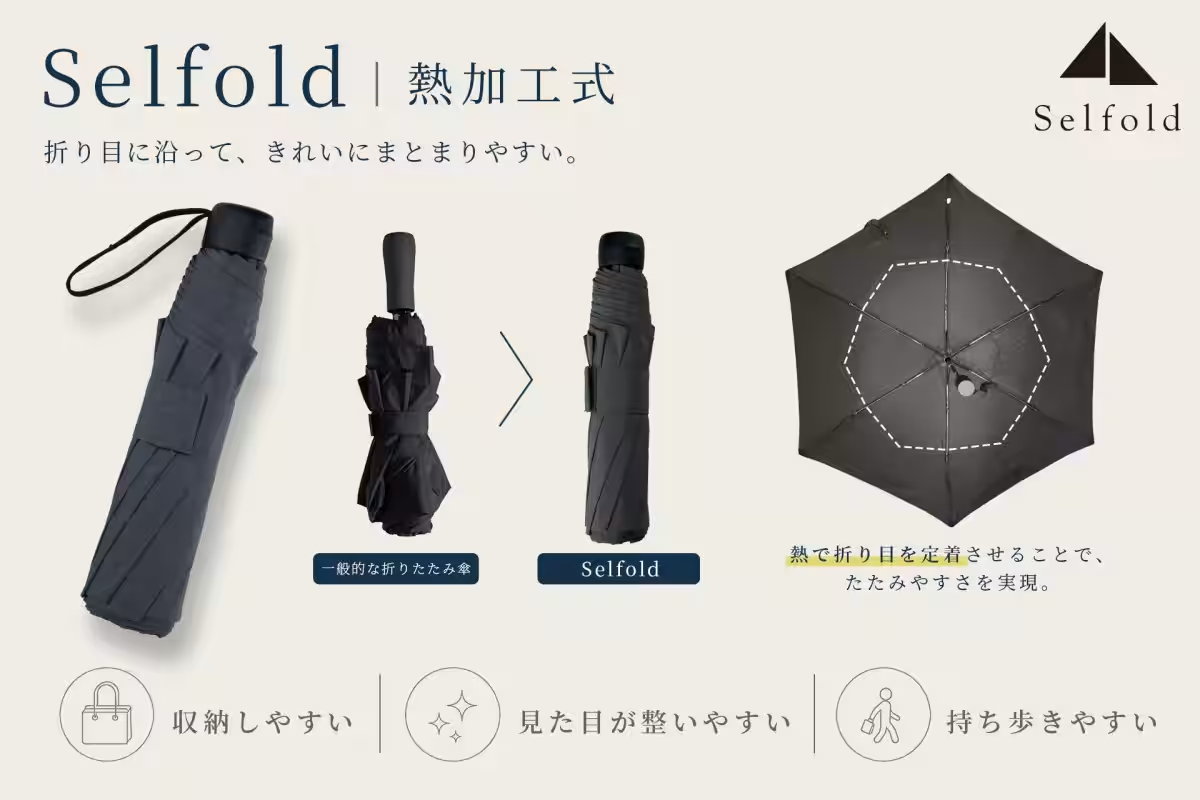
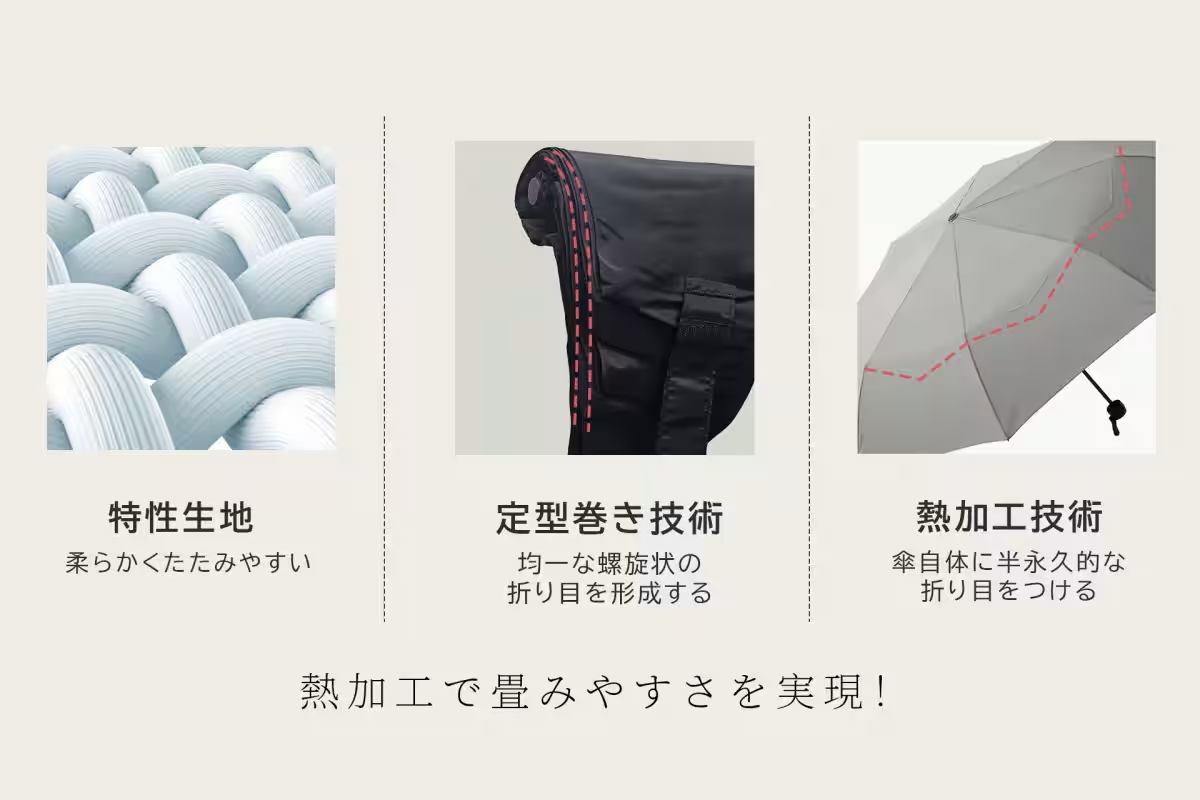
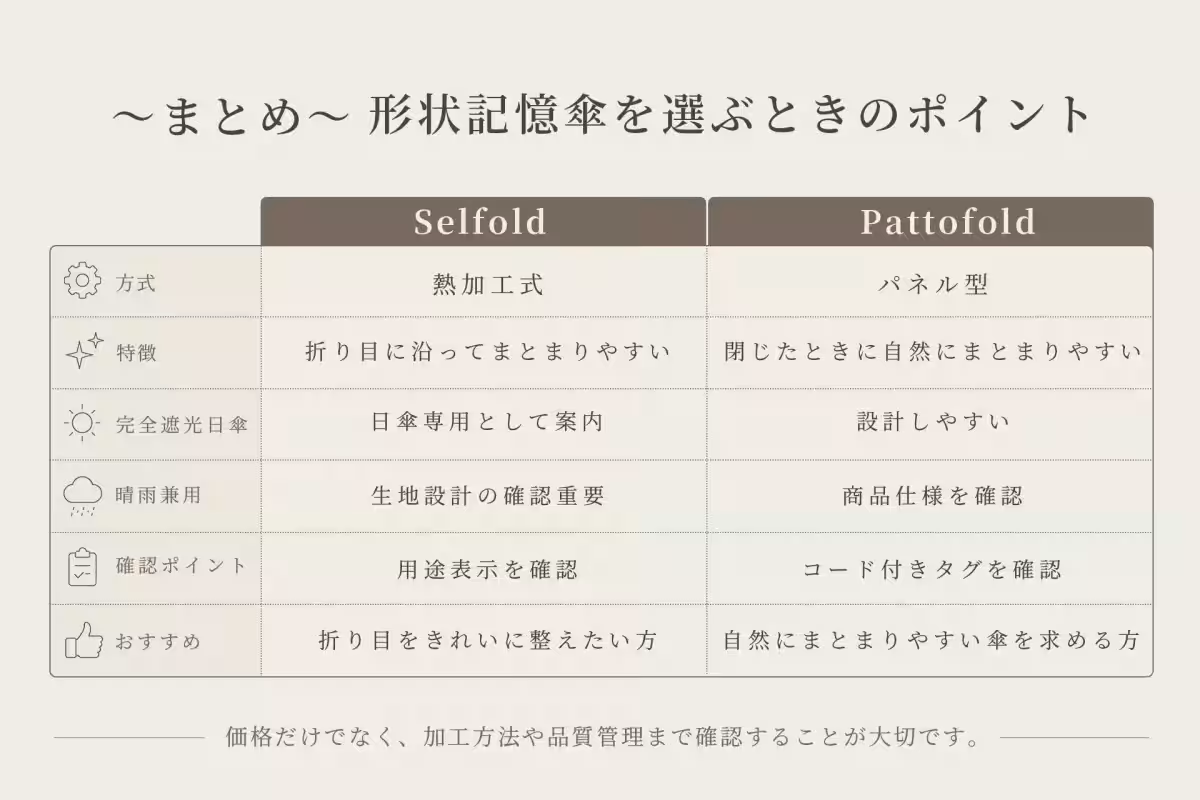
This technique involves applying heat to the fabric to create folds, enhancing ease of folding. KIZAWA categorizes this heat-treated umbrella as "Selfold."
2. Panel Type
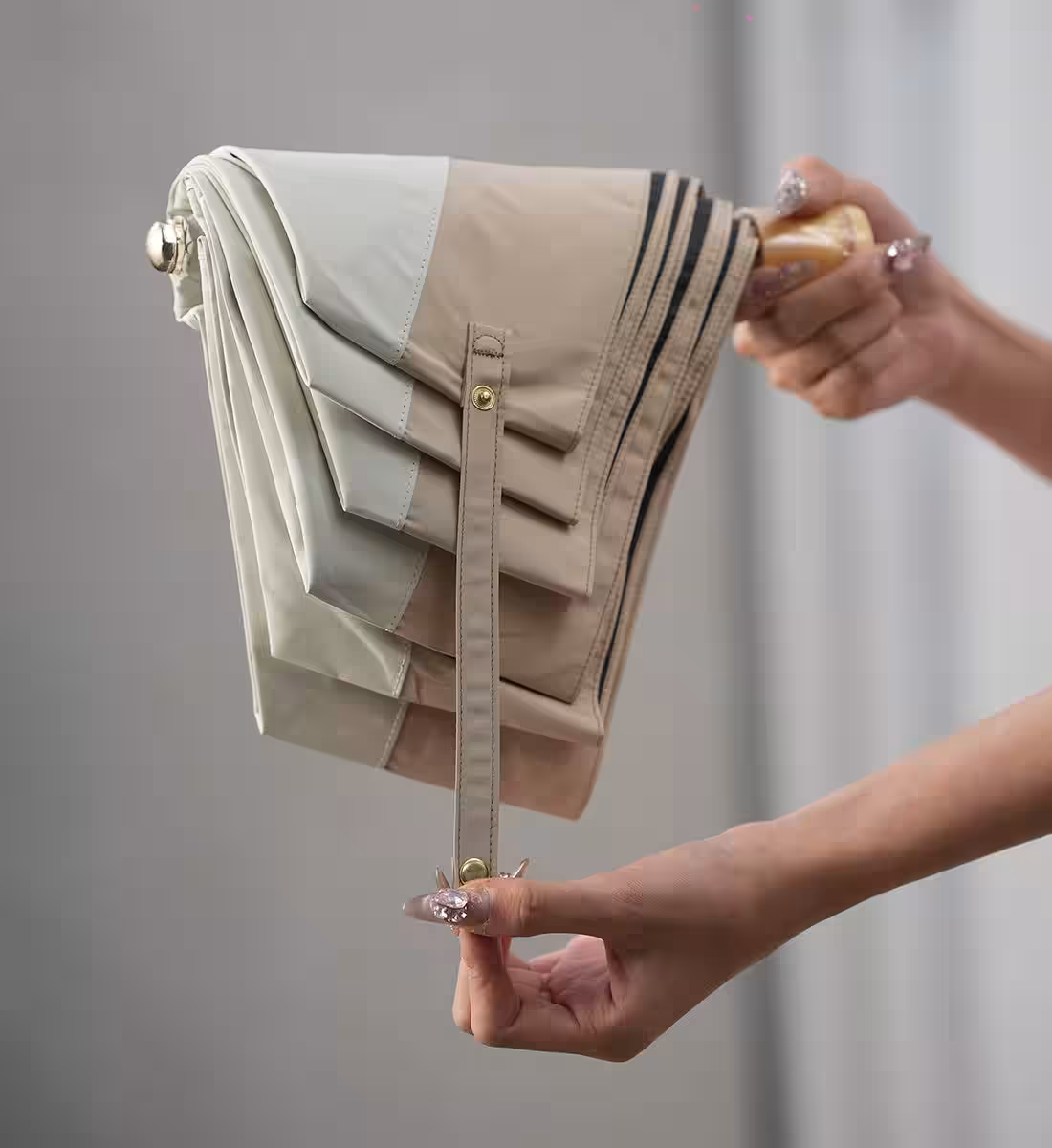
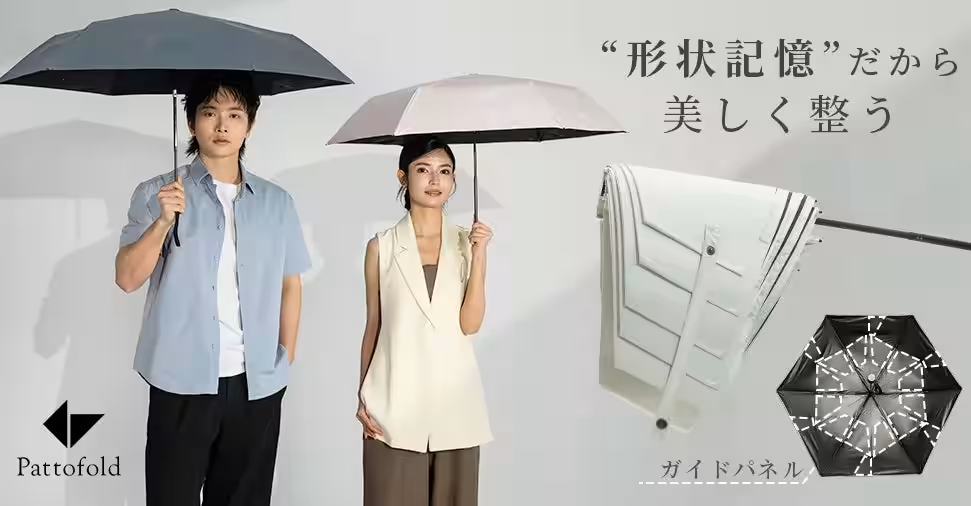
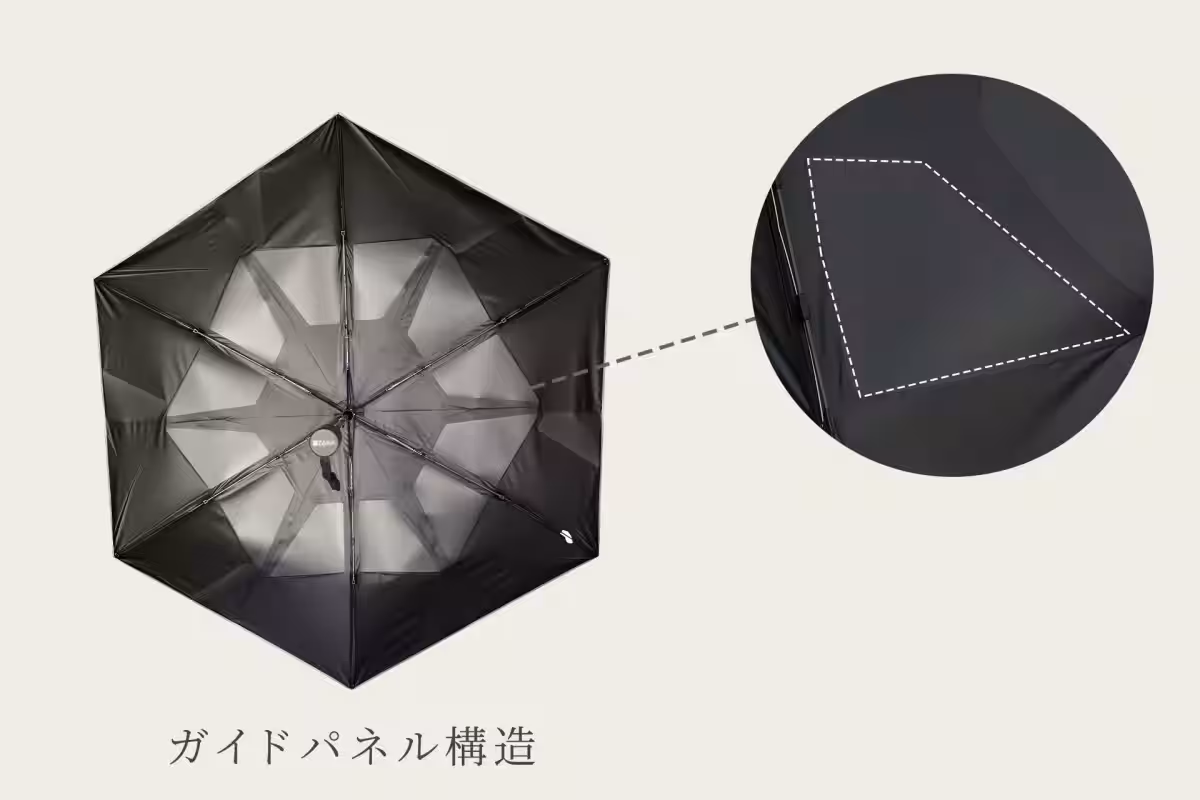
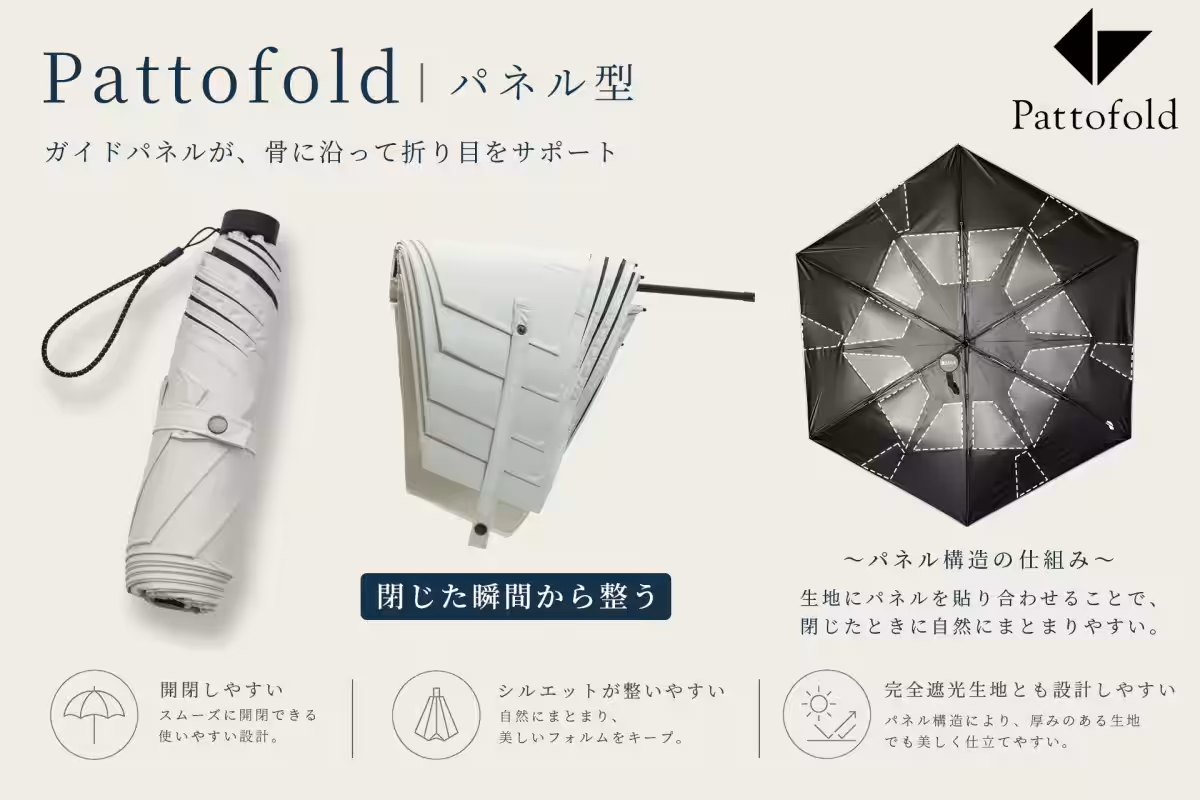
In this method, panel-like components are bonded to the inside of the umbrella fabric to facilitate smoother movements, making it easier for the umbrella to compact naturally when closed. KIZAWA refers to this design as "Pattofold."
Despite both methods aiming to improve folding convenience, the differences in processing lead to variations in applications and essential considerations.
Selfold: Advantages and Disadvantages of the Heat Treatment Method
Advantages
Selfold's primary advantage is its ability to create distinct folds in the fabric, making it easier to store when closed. Unlike traditional foldable umbrellas, which require manual adjustment of each fabric layer, the heat treatment method allows the material to return to its designated folded shape, significantly reducing the hassle of storage.
Moreover, this processing method is relatively straightforward, making it easier to commercialize and integrate into everyday use.
Disadvantages
However, there are also considerations to keep in mind regarding the heat treatment approach. The technique necessitates specific design assessments regarding fabric material, thickness, and the treatment process itself, as not all umbrella fabrics can withstand heat processing.
For instance, materials suitable for heat treatment differ significantly between rain umbrellas and fully UV-blocking fabrics. While rain umbrella fabrics are engineered for moisture resistance and should not leak too severely, those designed solely for UV protection often have laminated coatings that can create stress points if heat-processed.
KIZAWA emphasizes that its Selfold brand offers UV-blocking umbrellas categorized solely for that purpose to prevent customer misunderstandings regarding usage.
Selfold Rain Umbrella Lineup
- - Opera: Ultra-lightweight with automatic opening
- - forte+: Large size with a 55 cm frame
- - wsip: Extra-large umbrella with a 60 cm frame
- - lupo: Automatic opening with a 65 cm frame
Pattofold: Advantages and Disadvantages of the Panel Type
Advantages
Pattofold stands out by not subjecting the fabric to excessive thermal stress. Instead, the panel structure helps the fabric naturally align itself when closed, enabling quick storage, ideal for busy mornings or outings.
Additionally, since this method doesn’t involve heat treatment, compatibility with UV-blocking or coated fabrics can be optimized more easily.
Disadvantages
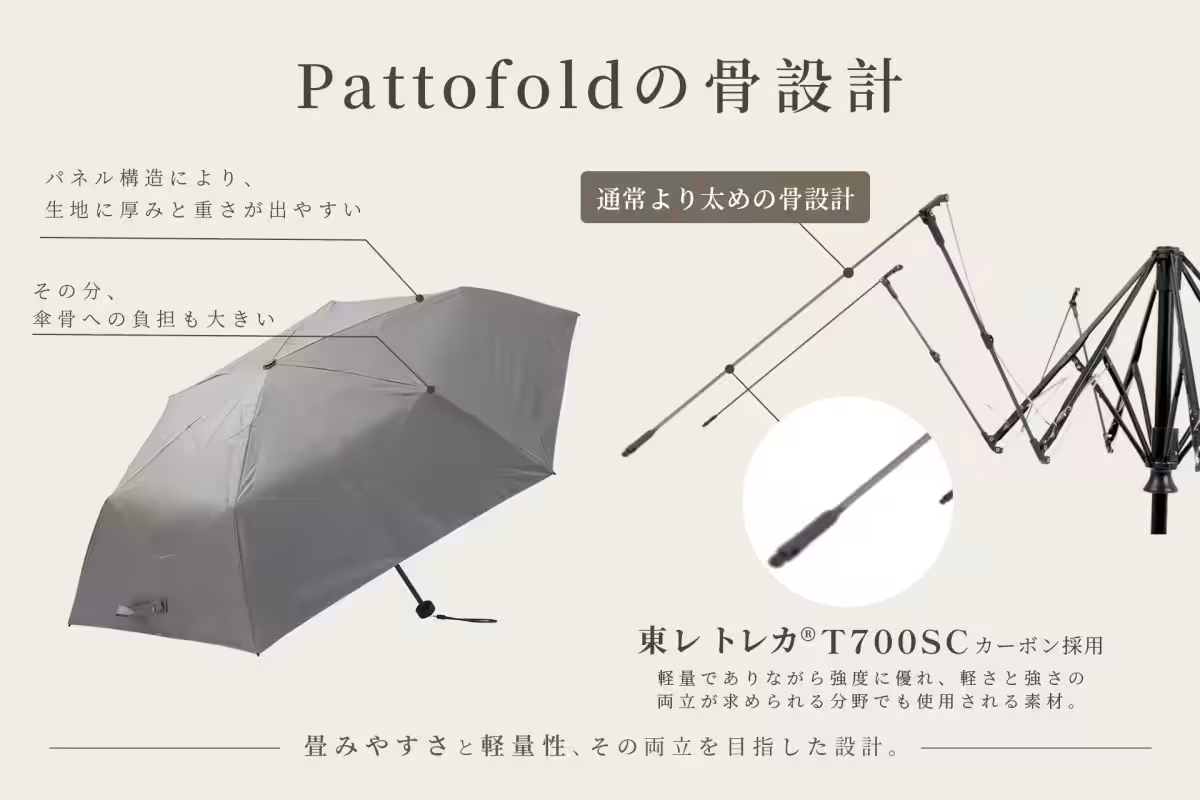
On the downside, the panel structure can add to the thickness and weight of the umbrella fabric. This increased weight can lead to greater strain on the frame when opening and closing, presenting challenges with traditional frame designs. KIZAWA has proactively addressed this by utilizing thicker ribs in the Pattofold series to enhance stability and support the loads associated with the panel design, but this may also add weight.
To counterbalance this, KIZAWA has incorporated Toray’s carbon fiber, "T700SC," at the rib ends, achieving a lighter yet stronger design suitable for various demands.
Important Considerations for Panel Type Shape-Memory Umbrellas
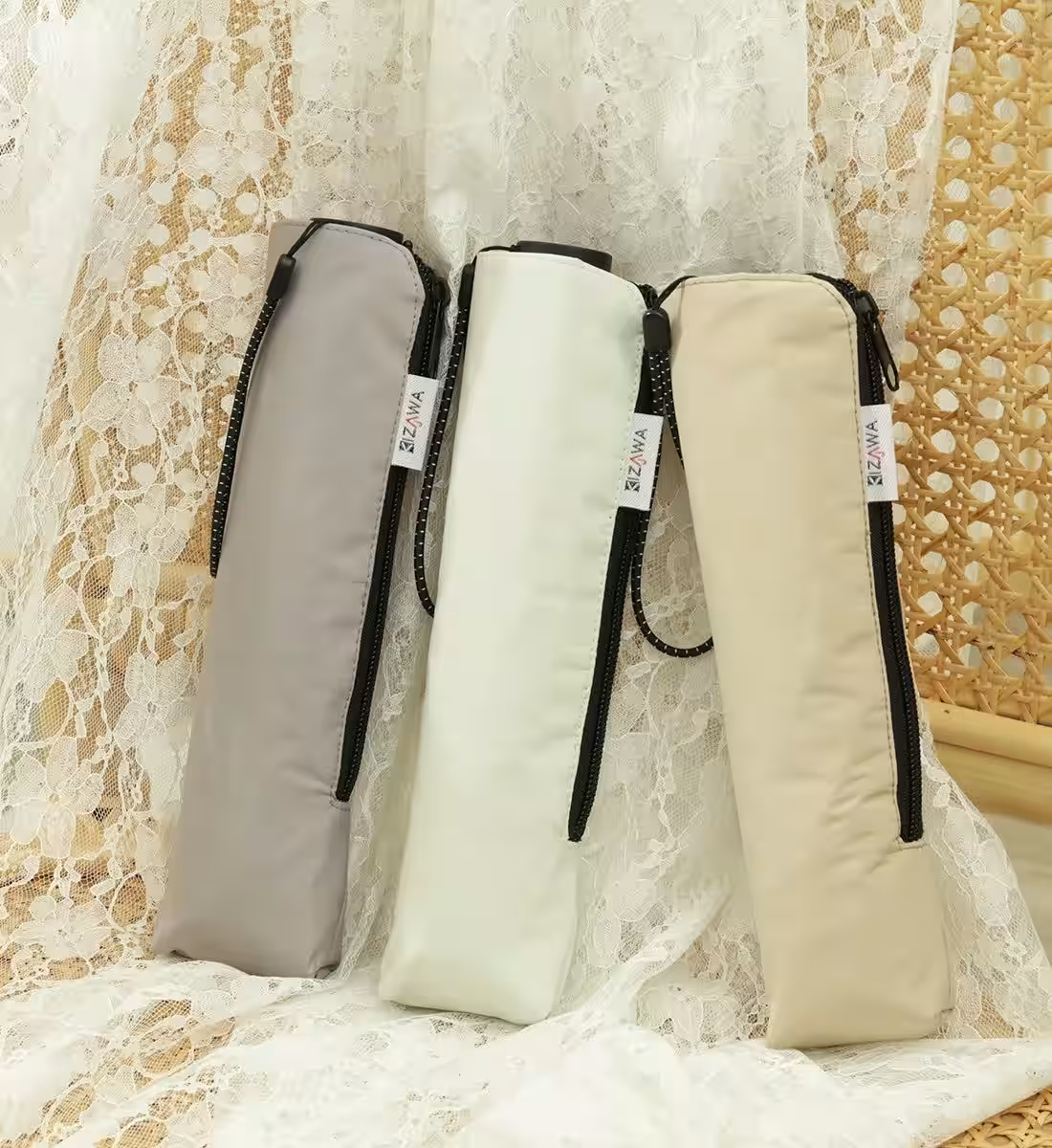
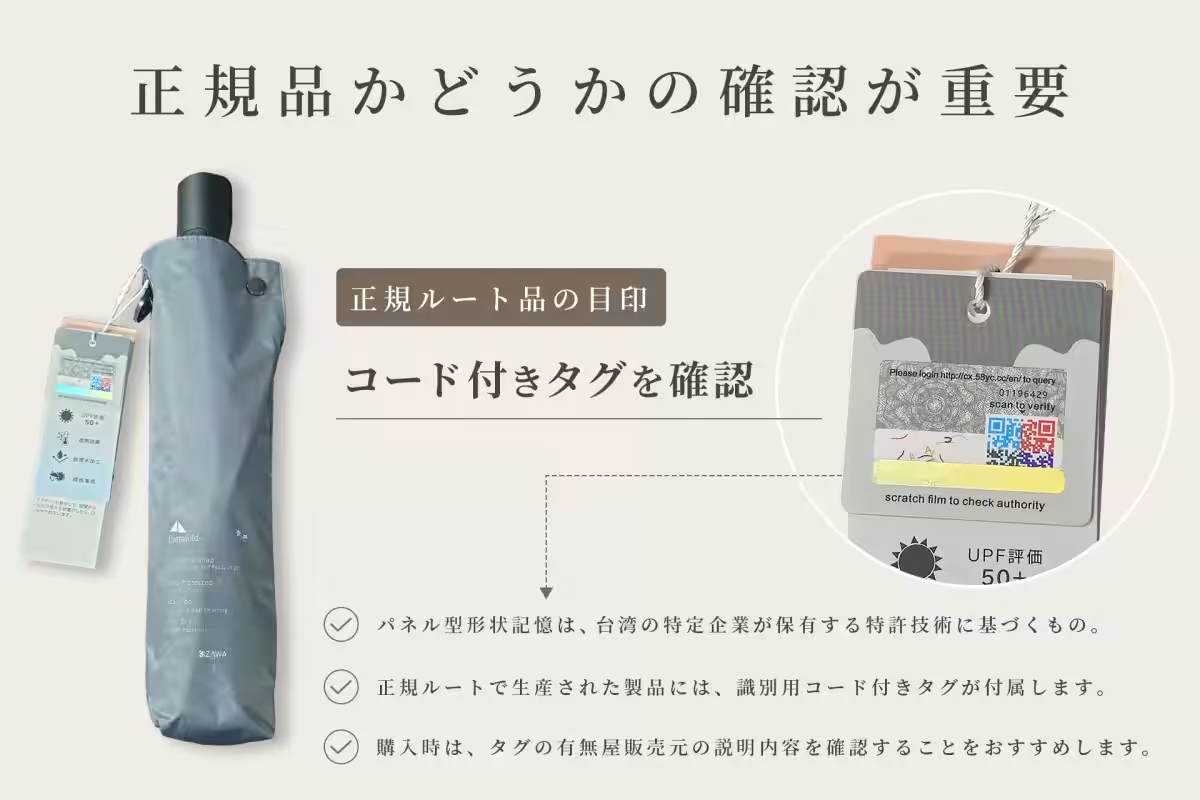
The panel type processing technique is proprietary to specific companies in Taiwan. Authentic products are attached with code tags for identification, ensuring that they adhere to the industry's quality standards. Lately, some low-cost imitators without these tags have begun to surface. Given the complexity of the panel type design, its manufacturing process demands precision and expertise, making cheaper replicas less reliable and quality-controlled. Hence, it’s vital to examine product descriptions carefully and verify tags to avoid potential issues regarding performance and durability.
Final Thoughts on Choosing Shape-Memory Umbrellas
When selecting a shape-memory umbrella, consider the following points:
- - Are you opting for a heat treatment or panel type?
- - Is the compatibility with UV-blocking materials taken into account?
- - Is it clearly marked as either a dedicated UV-blocking or all-weather umbrella?
- - If it’s a panel type, does it have the authenticity tag?
- - Can the quality management and processing methods be verified beyond price?
KIZAWA differentiates its offerings: Selfold for heat-treated designs and Pattofold for panel structures, emphasizing quality tailored to each user’s daily needs. At KIZAWA, we are committed to refining the umbrella experience while ensuring clarity in our messaging and functionality across various lifestyles.
Topics Consumer Products & Retail)
【About Using Articles】
You can freely use the title and article content by linking to the page where the article is posted.
※ Images cannot be used.
【About Links】
Links are free to use.