



Understanding the 'Wall of First Year' for Middle School Students: A Study by Meiko Gijuku
Understanding the 'Wall of First Year' for Middle School Students: A Study by Meiko Gijuku
As children transition from elementary to middle school, many families face a unique set of challenges often referred to as the "Wall of First Year" or "Chuu I no Kabe" in Japan. Conducted by Meiko Network Japan, a leading provider of personalized tutoring services in Japan, a recent survey of 1,000 parents with middle school children sheds light on this phenomenon and offers practical insights for families preparing for this pivotal educational shift.
Survey Findings
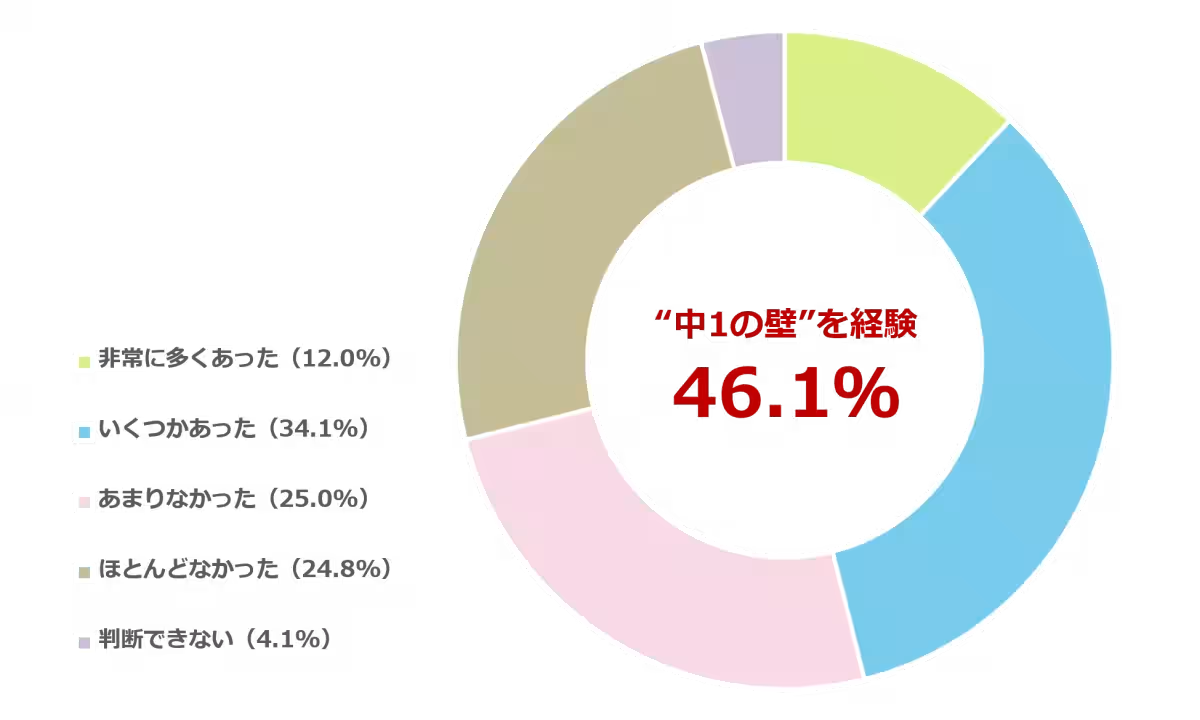
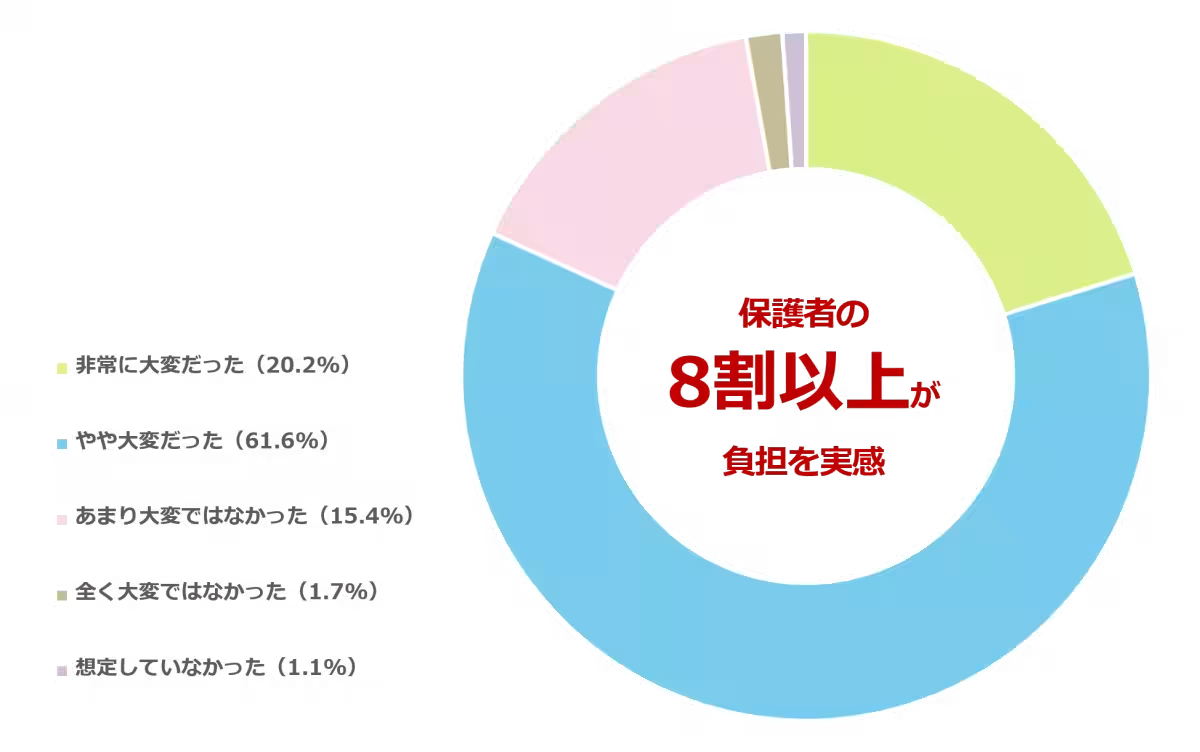
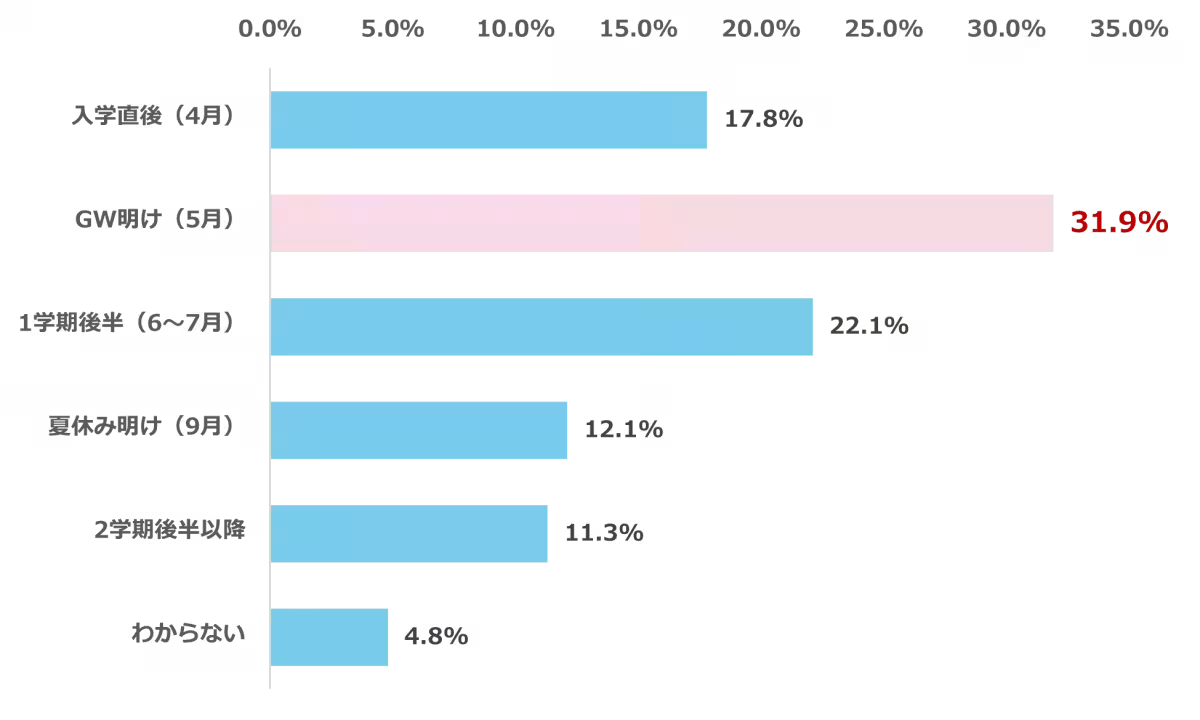
The findings reveal that over 46% of families reported experiencing this wall. Many parents expressed that the challenges they faced during this transition were greater than expected, with about 80% indicating that their child struggled significantly during this time. The peak of these challenges typically occurs shortly after Golden Week, with approximately one-third of families recognizing the effects in May.
Indicators and Early Signs
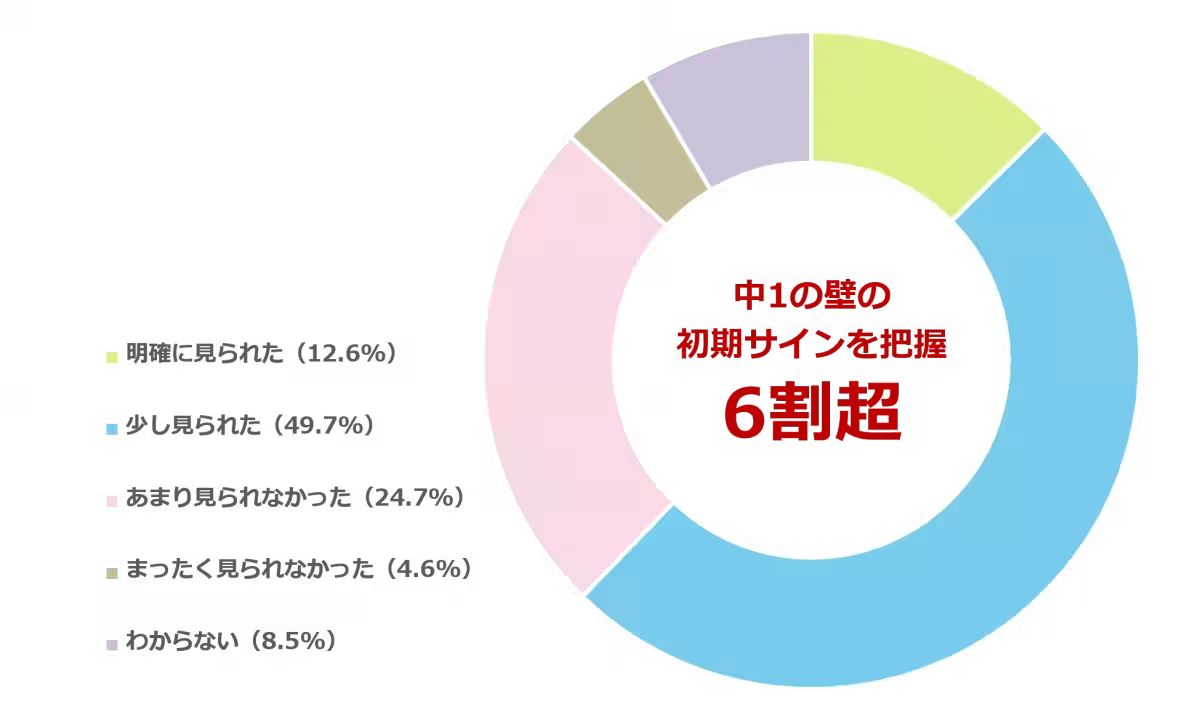
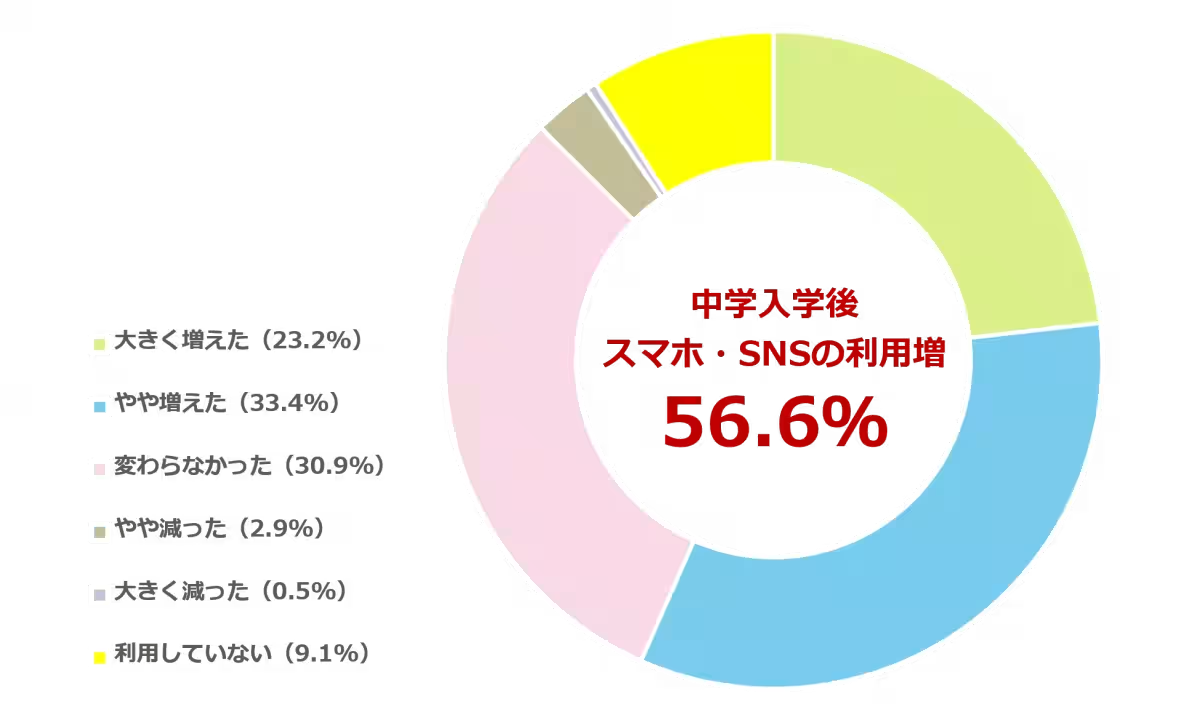
The survey also highlighted several factors and early signs associated with this transition. Over 60% of parents observed initial signs of struggle immediately after their child's entry into middle school. The most common early signs included increased irritability, a decline in academic performance, and changes in daily routines, such as increased difficulty waking up in the morning. Many parents also noted a rise in their child's smartphone usage, indicating a shift in digital interaction.
Parenting Challenges
One of the most significant challenges reported by parents was uncertainty about how involved they should be in their child's life. About 44.5% expressed confusion about how much guidance to provide, and nearly 40% felt unsure about the correct ways to respond to their child’s experiences. As children navigate newfound independence alongside academic pressures and social dynamics, parents are often left grappling with how to support them effectively.
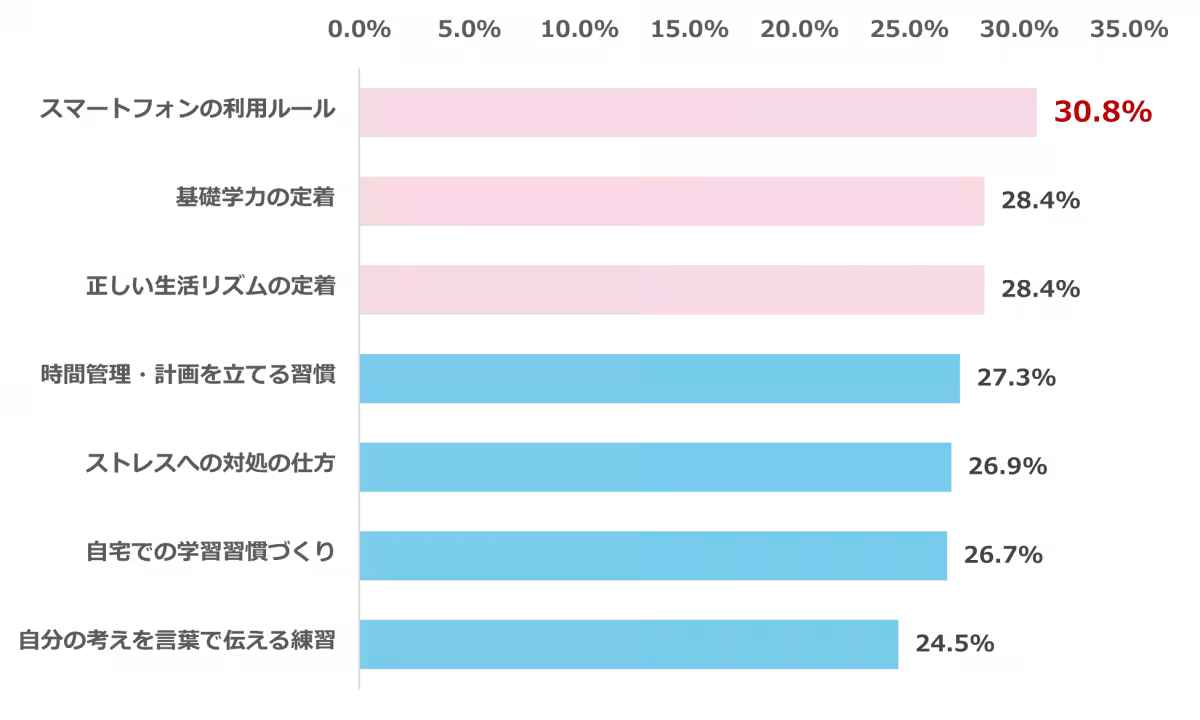
Reflecting on their experiences, many parents indicated that preparing rules regarding smartphone usage and establishing consistent daily routines would have been beneficial prior to the transition. Often overlooked, these foundational elements can create a smoother adjustment period for students.
The Role of Educators and Schools
Experts from Meiko Gijuku stress the importance of collaboration between families and educational institutions. Observing subtle developmental changes during this time is vital. Parents are encouraged to engage in open dialogues with their children, teachers, and tutors to better understand their child's emotional and academic needs.
According to Miyu Ishikawa, a director at Meiko Gijuku's Nagareyama Ootaka no Mori North Exit Classroom, "April, a month of transition, can provoke feelings of both excitement and anxiety in kids. Parents should pay close attention to seemingly minor changes in behavior, as these could signal challenges their children are facing in adapting to new school environments."
Conclusion
As children embark on their middle school journey, it is crucial for parents to remain alert to changes in their academic and emotional well-being. While challenges like the Wall of First Year may be common, early recognition and intervention can pave the way for a more successful and less stressful transition. By working together and laying the groundwork during elementary school, families can help their children build a solid foundation for future academic success.
For those facing these challenges, Meiko Gijuku offers tailored tutoring approaches designed to ease the transition and support each unique child's journey into middle school. Families are encouraged to reach out for guidance and to foster an environment that prioritizes both education and emotional health.



Topics Other)








【About Using Articles】
You can freely use the title and article content by linking to the page where the article is posted.
※ Images cannot be used.
【About Links】
Links are free to use.