



Exploring the Surge of Complete Nutrition Products in Japan: Growing Awareness and Future Trends
The Rise of Complete Nutrition Products in Japan
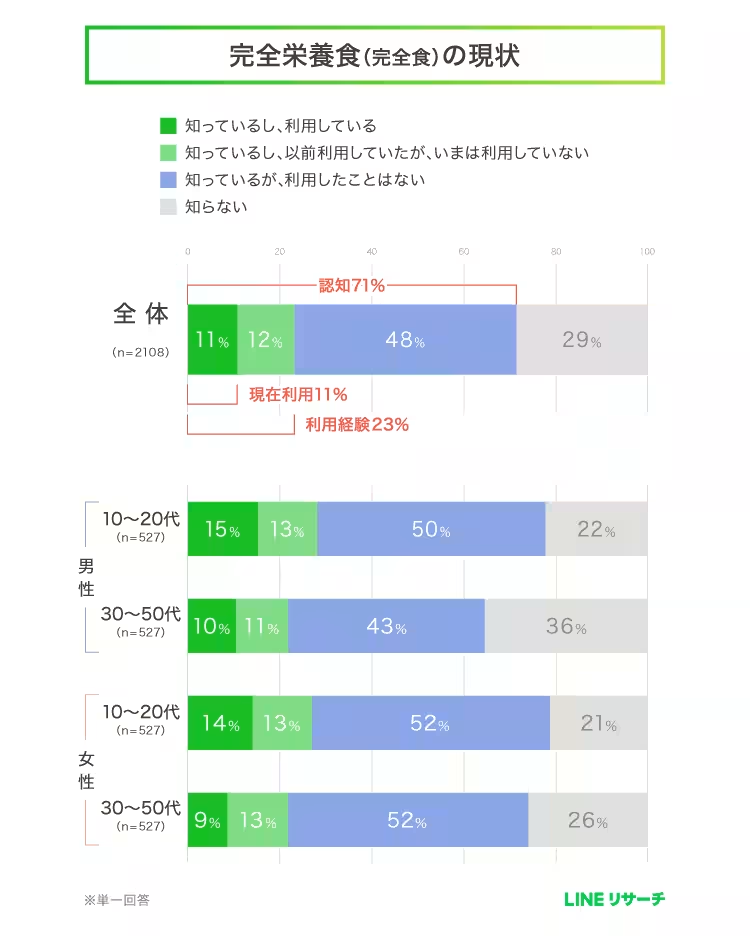
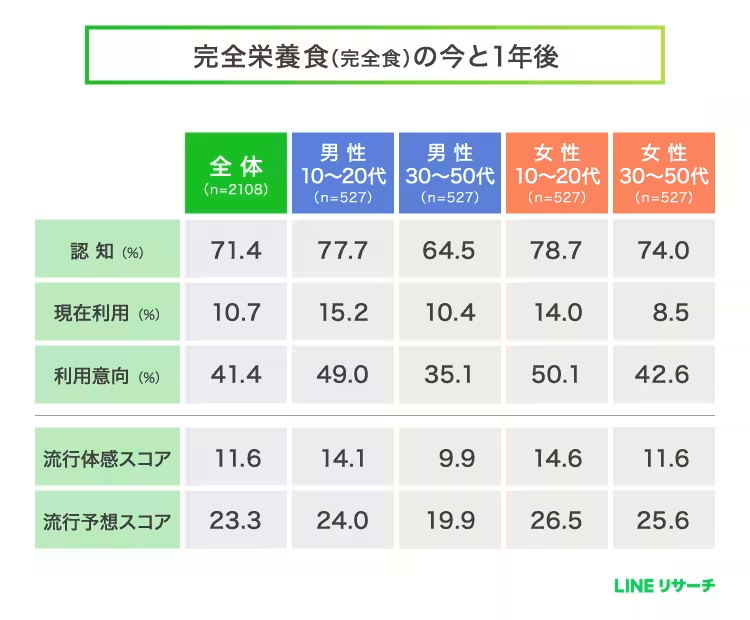
In a recent study conducted by LINE Research, the awareness of complete nutrition products in Japan has seen a significant uptick. With 71% of respondents now familiar with these products, this figure represents a 17-point increase from previous surveys. The growing interest is evident; 41% of individuals expressed a willingness to try complete nutrition, while the current usage rate stands at 11%.
What is Complete Nutrition?
Complete nutrition products are designed to provide all essential nutrients required for maintaining health in a single meal or daily intake. While consistent standards are still being established, these products typically adhere to the Japanese Ministry of Health, Labour and Welfare's dietary intake guidelines. They come in various forms, including drinks, powders, pasta, bread, and gummies. Often used as meal replacements during diet plans or emergency food during disasters, these products differ from conventional nutritional supplements or function-specific foods like CalorieMate and in jelly.
Awareness and Utilization Trends
When dissecting the survey results, awareness of complete nutrition products was observed to be above 70%. Females registered a higher recognition rate at 75%, compared to 68% for males. Age-wise, familiarity peaked among individuals aged 10 to 20, surpassing their 30 to 50-year-old counterparts. The current usage rate was noted at 11% overall, with previous experience with these products (including those who no longer use them) at 23%. Notably, the interest in utilizing these products was stronger among the younger demographic, demonstrating that age significantly influences dietary choices.
Current Perception of Trendiness
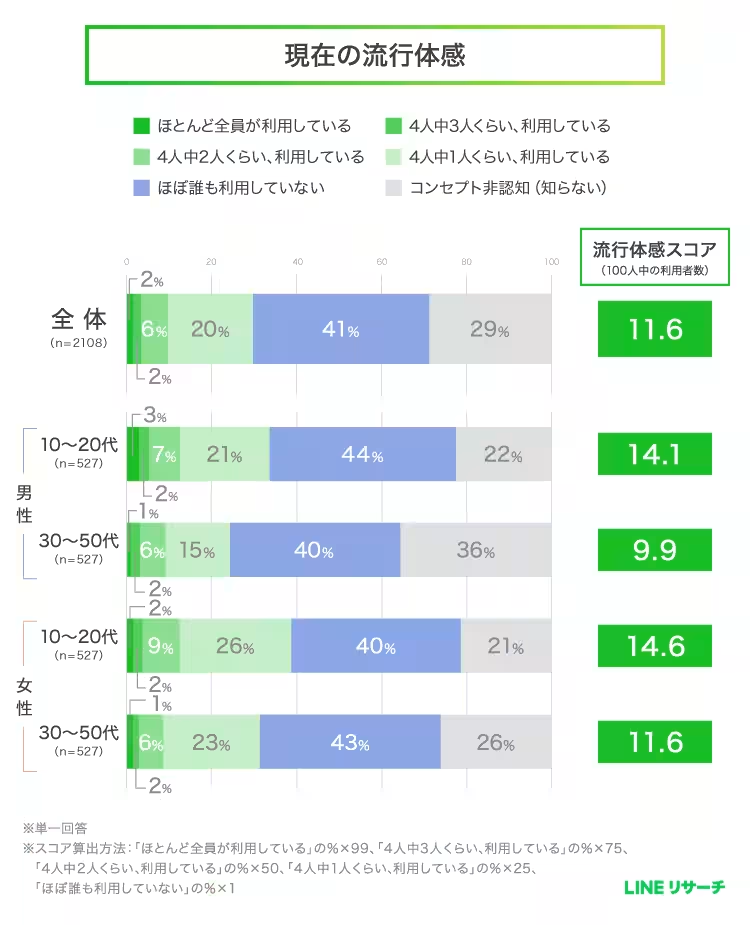
The concept of how trendy complete nutrition products are perceived was quantified through a scoring system, revealing a score of 11.6. This suggests that individuals believe approximately 1 in 8 to 9 people around them actively uses these products. Again, younger individuals, particularly those in their twenties, reported a higher perception of prevalence than older age groups. Compared to previous data, this score saw an increase of 3.5 points, indicating a growing cultural presence.
Future Outlook
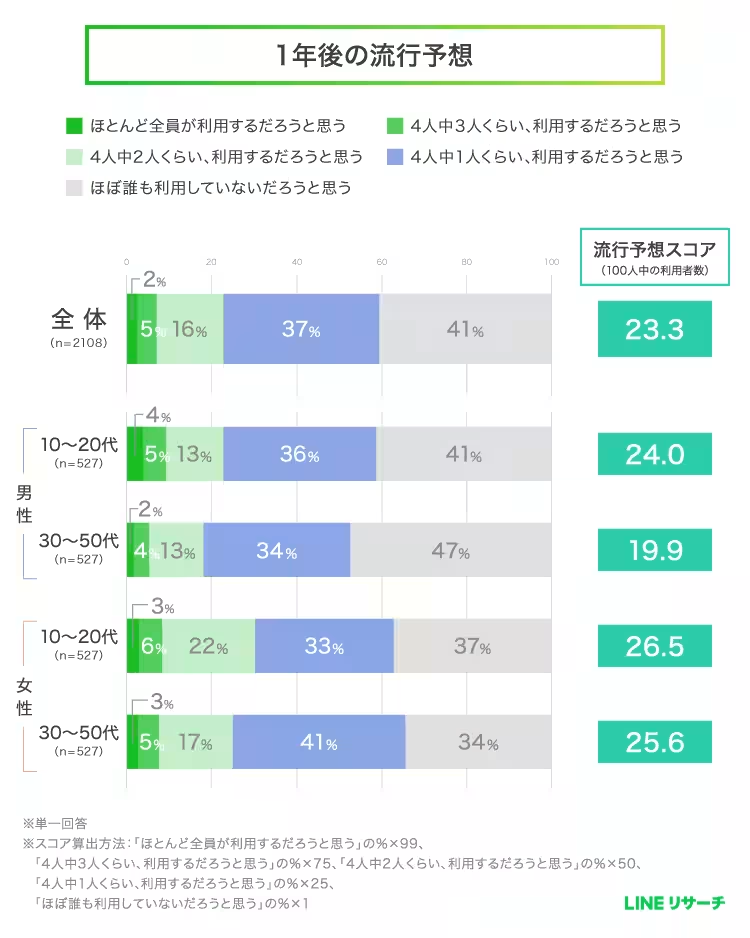
Looking ahead one year, respondents predicted that the usage of complete nutrition products could rise sharply, with an expected trend score of 23.3. This indicates that around one in four people may utilize these products in the near future, nearly doubling current perceptions. Interestingly, while women showed higher scores than men, age differences among females were minimal, with younger demographics still showcasing a slightly heightened interest.
Future Intentions Concerning Usage
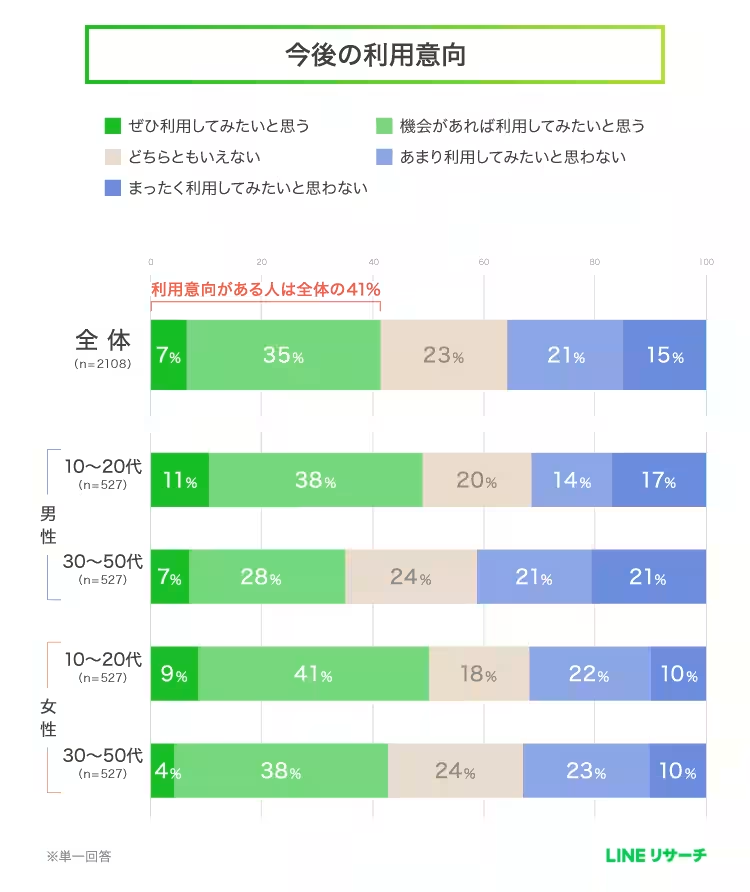
In terms of future intentions, 41% of participants indicated an interest in trying complete nutrition products. This figure was higher among women, particularly those in their twenties, who reflected a nearly 50% inclination towards these foods. On the contrary, 36% expressed no intention to use them, with a notable gender difference in attitudes. Comments from those interested in trying these products highlighted the increasing variety, convenience, and balanced nutrition as significant factors driving their interest. However, those against expressed concerns about flavor, satisfaction, and preference for cooking their own meals. Comments such as, "I think I'd rather enjoy seasonal foods" and "artificial nutrition doesn't appeal to me" were common.
Popular Brands in the Market
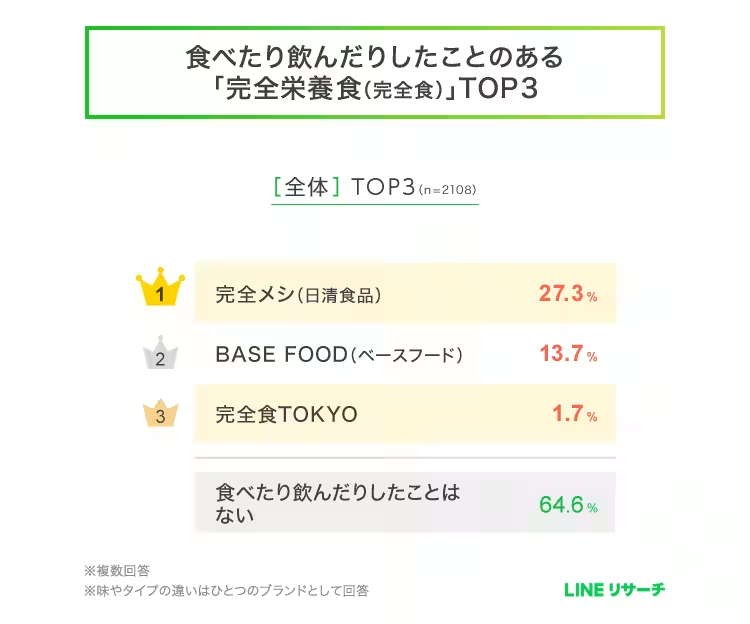
In terms of brand recognition, the results showcased that 'Complete Meal' by Nissin Foods led the pack, with close to 30% of respondents having tried it. Other notable mentions included 'BASE FOOD' with a little over 10%, while 'Complete Nutrition TOKYO' and others showed lower recognition, under 2%.
Market Growth Projections
Summarizing the key trends: as of July 18, 2025, awareness of complete nutrition foods stands at about 71%, with current usage at 11%. The perceived familiarity among the public suggests that roughly 1 in 8 individuals is considered a user, while a year from now, that rate could surge to 1 in 4. Notable demographics show that interest is highest among women in their twenties, while usage perception scores illustrate younger generations are more inclined towards these products compared to older age groups. Overall, awareness and previous experience with these products have significantly increased from 2022.
Closing Thoughts
The market for complete nutrition products is poised for growth, and with increasing awareness and willingness to try among younger consumers, brands have fertile ground to cultivate. This trend represents a shift towards convenience, health, and nutrition in an increasingly fast-paced world. As the industry evolves, it will be crucial to address consumer preferences and concerns to maximize engagement and satisfaction within this promising segment of the food market.
- ---
Research Methodology
This study was constructed through an online survey targeting LINE users in Japan, consisting of individuals aged 18 to 59, conducted from July 18 to July 22, 2025. A total of 2,108 valid responses were collected. The survey effectively represented the demographic distributions without any significant biases. For further insights and reports from LINE Research, please visit their official site.
Topics Consumer Products & Retail)

【About Using Articles】
You can freely use the title and article content by linking to the page where the article is posted.
※ Images cannot be used.
【About Links】
Links are free to use.