



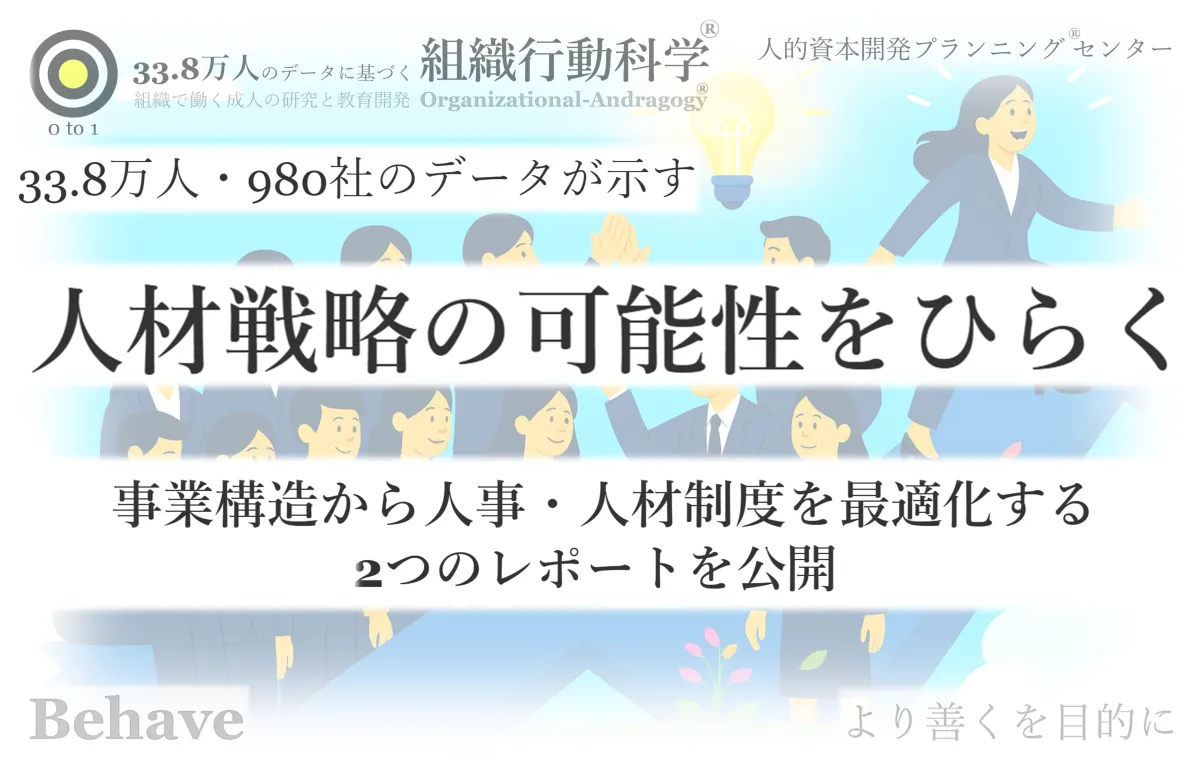
Unlocking the Potential of Human Resource Strategies Through Structural Optimization
Unlocking the Potential of Human Resource Strategies
In a groundbreaking initiative, Request Inc., based in Shinjuku, Tokyo, has released two essential reports aimed at addressing a crucial issue in Japanese businesses: the disconnect between human resource (HR) systems and their intended outcomes. Based on extensive data analysis involving 338,000 individuals and 980 companies, these reports provide unprecedented insights into why HR policies often fail to deliver expected results.
Understanding the Core Reports
The newly published set of reports, titled “The Conditions for Functional HR Systems” and “The Application Conditions for Talent Management Systems in Japanese Companies,” serve distinct but complementary purposes. Together, they offer a comprehensive understanding of the structural prerequisites necessary for HR systems to thrive and deliver measurable results.
Report 1: Diagnosing HR System Functionality
The first report focuses on evaluating the structural conditions under which HR systems operate effectively. It explores the critical differences between “internally complete” and “externally collaborative” business models, illustrating how these distinctions influence HR system success or failure. Through detailed data analysis, the report identifies the key factors that drive or inhibit the effectiveness of HR policies based on the business’s operational structure.
Key Highlights of Report 1:
- - Visualizing Structural Conditions: The report provides methods to visualize and assess the structural conditions necessary for HR systems to work.
- - Structural Screening: Companies can self-assess their structural similarity to internally complete or externally collaborative models, determining which type aligns more closely with their operational practices.
- - KPI Design Basics: Essential axes for practical design are provided, considering the distinction between internal and external Key Performance Indicators (KPIs).
The central message emphasized is that the success of HR systems is dictated not just by the quality of the policies but by whether the causal linkages—human resource investment, capabilities, and performance—remain internal and undisturbed.
Report 2: Defining HR System Applicability
In a more nuanced exploration, the second report delves into the domains where HR systems can or cannot reach, focusing on recommended practices for managing areas that fall outside the effective scope of the current systems. This report expands upon the findings of the first, shedding light on how businesses can adapt their strategies to address areas where traditional HR systems may fall short.
Key Highlights of Report 2:
- - Clarifying System Limitations: It delineates the boundaries of HR system applicability and identifies areas that require additional support from the business side.
- - Analyzing Collaborative Industries: The report breaks down how and why HR system efficacy can diminish in industries characterized by external collaboration.
- - Identifying Core Capabilities: It offers insights into skills and capabilities that businesses must develop internally to supplement their HR offerings, focusing on collaboration processes and professional competencies.
A crucial takeaway from this report is that even sophisticated HR systems may fail to yield results because they do not align with the empirical realities of the business environment. Areas that currently fall short require a redesign, not merely a policy update.
The Necessity of Reading Both Reports Together
The interdependency of the two reports is vital. The diagnostic nature of the first report lays the groundwork for comprehension, while the second offers prescriptions, creating a complete strategy for effective human resources management. Reading both together allows companies to:
1. Identify their operational structure.
2. Discern the limits of their current HR systems.
3. Strategize on bridging gaps.
This dual-report compilation represents a new methodological approach to addressing common corporate challenges where well-structured policies do not translate into tangible outcomes. By framing these issues at a structural level, businesses can now think critically about redesigning their strategies.
Context of the Report Publication
As businesses push towards advancing human capital management, fortifying CHRO functions, and implementing job-based systems, systemic challenges have surfaced. Companies often find that despite having robust HR frameworks, they struggle to convert these into business performance. The reports posit that the root of this problem lies not in the HR systems themselves but in the misalignment with underlying structural realities.
Target Audience
The reports cater to key stakeholders involved in HR strategy, including:
- - CHROs and heads of HR strategic departments
- - Executives in business planning and operational management
- - Professionals focused on human capital disclosure and KPI design
- - Companies operating in highly collaborative industries, like construction and logistics
- - Organizations aiming to strengthen internal professional capabilities.
Contact Information for Further Inquiry
For more detail on the reports or related inquiries, please contact OrgLogLab (Organizational Logic Research Center) at:
- - Email: [email protected]
Request Inc. remains committed to enhancing organizational behavior based on scientific research, supporting businesses in understanding why workplace dynamics occur and how they can be enhanced. To learn more about the company, visit their website or reach out for direct inquiries.
About Request Inc.
Company Name: Request Inc.
Location: 3-4-8 Shinjuku, Shinjuku-ku, Tokyo, 160-0022
Corporate Site: https://requestgroup.jp/
Executive Profile: Leadership Information
Company Brochure Download: Company Overview

Topics Business Technology)
【About Using Articles】
You can freely use the title and article content by linking to the page where the article is posted.
※ Images cannot be used.
【About Links】
Links are free to use.