



Innovative Eco-Friendly Fuel Usage in Road Construction in Japan
Pioneering the Use of Renewable Diesel in Japan’s Roadworks
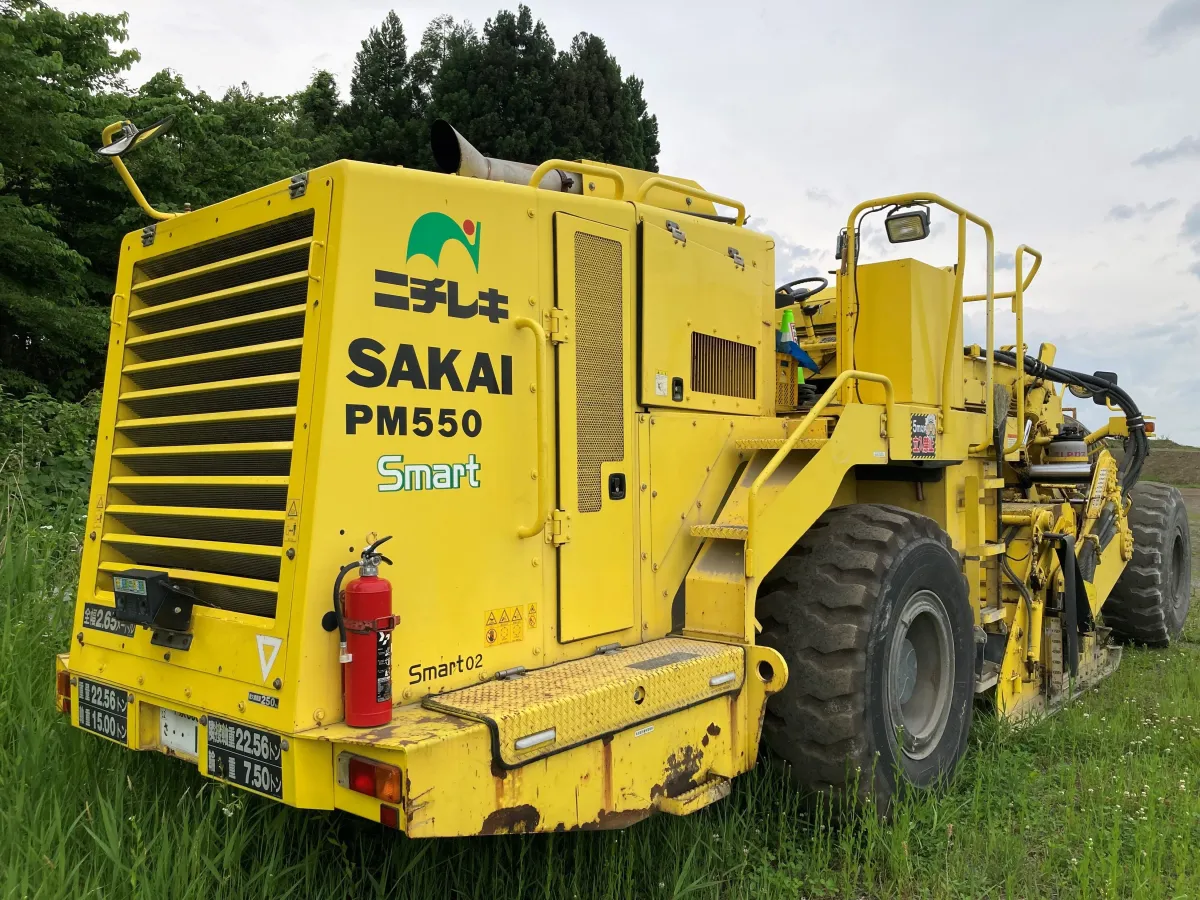
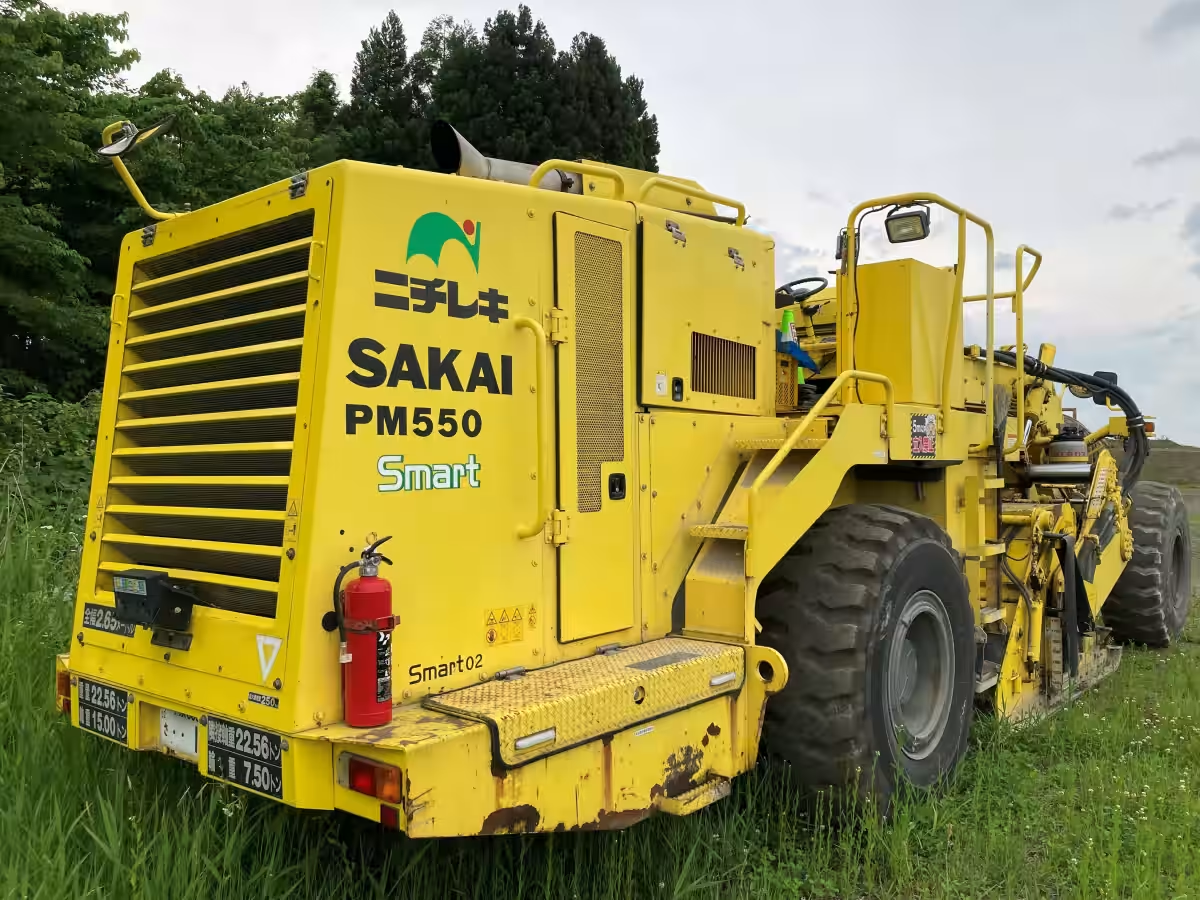
In a groundbreaking initiative, Itochu Enex Corporation has become the first company in Japan to implement the use of Renewable Diesel (RD) in road construction projects. This innovative alternative fuel, derived from non-food biomass sources, aims to reduce carbon emissions and support the transition to a sustainable, decarbonized society. The RD was utilized by Nichireki Group, which received a contract to undertake road repair work in Iwate Prefecture.
Tentatively set for various road repair projects across the country, this initiative underscores the growing trend towards environmentally conscious practices in infrastructure maintenance. By employing RD in their operations, the companies involved are looking to not only enhance efficiency but also mitigate the environmental impact typically associated with construction activities.
Collaboration with Nichireki Group
In November 2023, a capital and business partnership was established between the Nichireki Group and Itochu Enex. This partnership is focused on collaborative efforts to minimize environmental footprint across various sectors, including road maintenance. Both companies are committed to strengthening their supply chain and knowledge base regarding the operation of RD for future implementation in road repair projects.
Nichireki Group has set its sights on achieving carbon neutrality by 2050. Their strategy includes the introduction of high-value, environmentally friendly products and methodologies, fostering resource recycling, and the adoption of green energy. With these measures, they are actively contributing to a reduced ecological footprint, aligning with Itochu Enex's mission.
Commitment to Sustainability
Itochu Enex’s corporate philosophy emphasizes its role as a partner in society, delivering energy and services that enhance people's lives while contributing to the development of a sustainable society. One of the primary objectives of their sustainability strategy includes contributing to a carbon-neutral society through business operations. By expanding the distribution and use of Renewable Diesel, they aim to promote a circular economy and reduce carbon emissions.
Renewable Diesel is produced from biomass sources like waste cooking oils, which do not compete with food supply chains. Its introduction into road construction not only aligns with sustainability goals but also meets regulatory standards, exempting RD from energy consumption calculations under certain environmental laws. This means its use can lead to a potentially 100% carbon-neutral fuel consumption.
The Future of Road Construction
The incorporation of Renewable Diesel in Japan’s infrastructure projects marks a substantial shift towards sustainable practices. As the construction industry embraces this green alternative, we can expect to see reduced carbon emissions and enhanced public support for environmental initiatives. Both Itochu Enex and Nichireki Group are paving the way for a future where construction and sustainability go hand in hand, illustrating a commendable effort towards achieving long-term climate goals while maintaining efficiency in public works.
This innovative initiative has the potential to inspire similar efforts nationwide, propelling Japan towards its environmental objectives. By demonstrating the viability of Renewable Diesel in practical applications, these companies not only reflect their commitment to sustainability but also set a precedent for the rest of the industry to follow.
Their partnership is not just about improving road construction methodologies; it's about fostering a collective responsibility towards the environment, ensuring that future generations inherit a healthier planet. As roadwork continues, the implications of these advancements could very well transform the standards by which construction projects are evaluated and approved in Japan.
Topics Other)
【About Using Articles】
You can freely use the title and article content by linking to the page where the article is posted.
※ Images cannot be used.
【About Links】
Links are free to use.