



Survey Reveals the Challenges of Disposing Unwanted Items During Moves for Singles in 2026
The Struggles of Moving: Insights from the 2026 Survey
As the moving season approaches in 2026, a recent survey conducted by CLAS, in collaboration with Able Holdings and Book Off Group, sheds light on the challenges faced by individuals living alone during relocations. The survey focused on the perceptions of disposal and reuse among 1,604 respondents aged 20 to 44 living in Japan.
Key Findings of the 2026 Survey
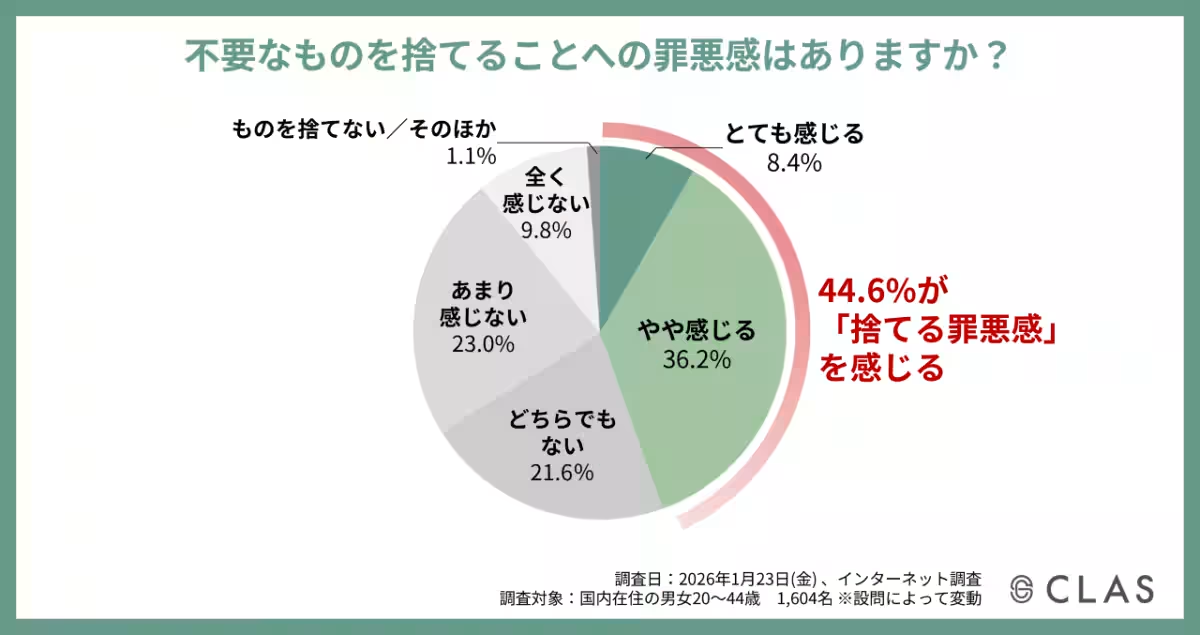
The results reveal that a staggering 92.6% of respondents who had experienced moving expressed significant burdens when it comes to disposing of unwanted items. The leading concerns were the costs associated with disposal and the effort required to manage the process. Additionally, nearly half of those surveyed, 44.6%, reported feelings of guilt related to throwing away items that are still usable, underlining the psychological impacts of disposal decisions.
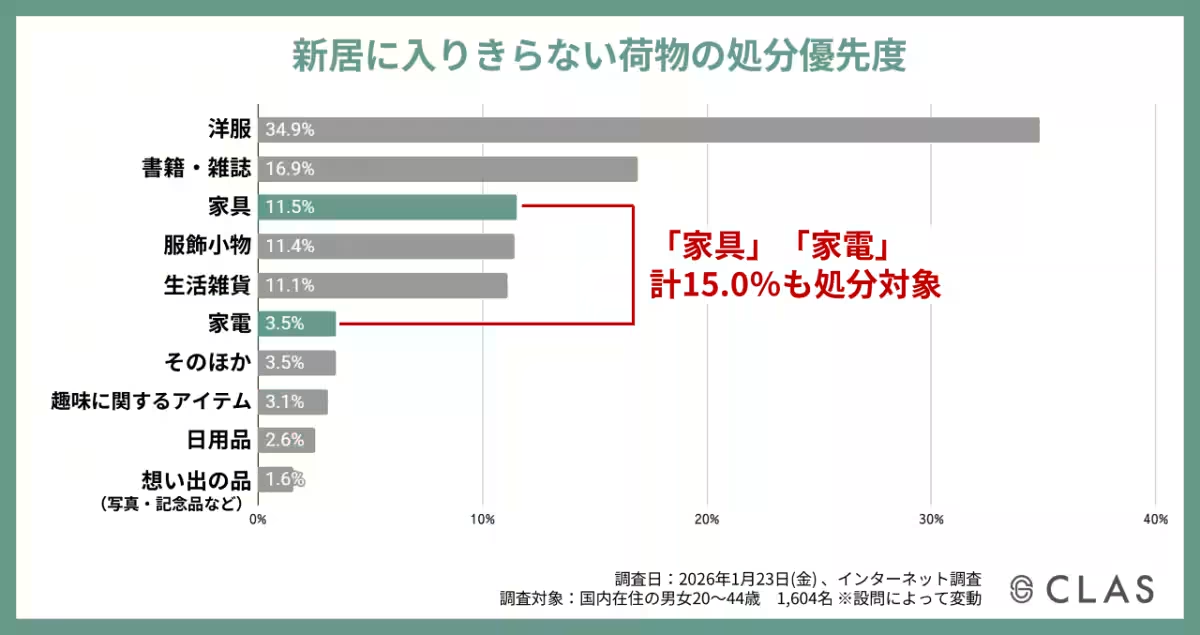
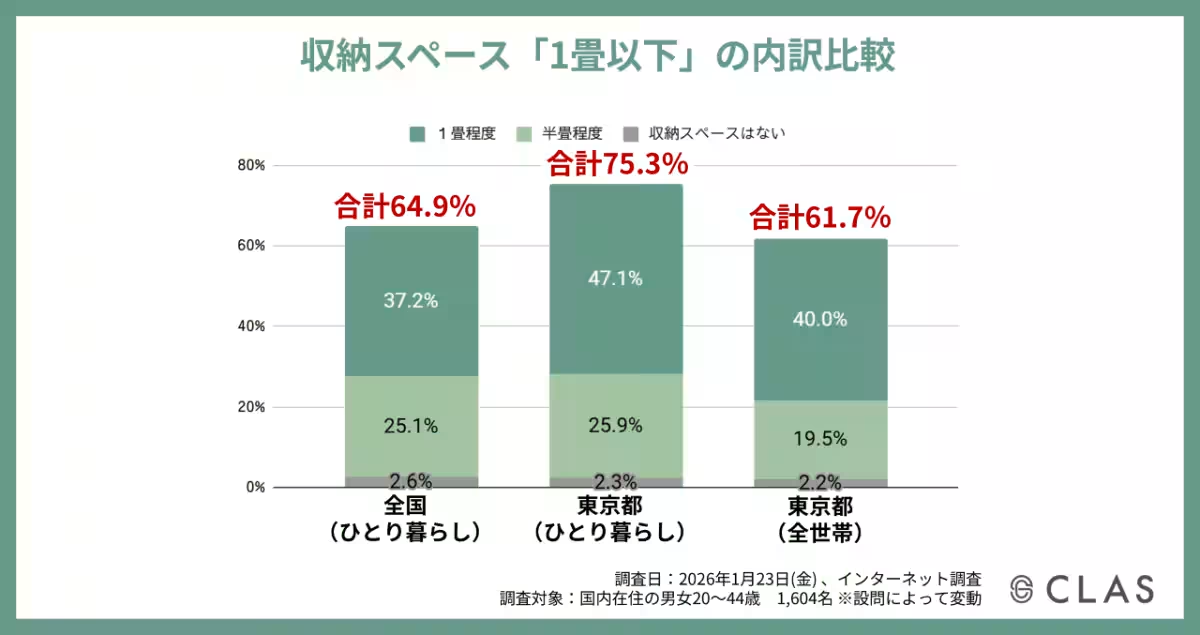
The priorities in disposing of unwanted items also featured furniture and appliances prominently, with 15.0% indicating they had considered the disposal of larger items. Moreover, over 60% of those living alone reported having less than one tatami mat of storage space, particularly in Tokyo, where space constraints are acutely felt.
The Costs and Efforts of Disposal
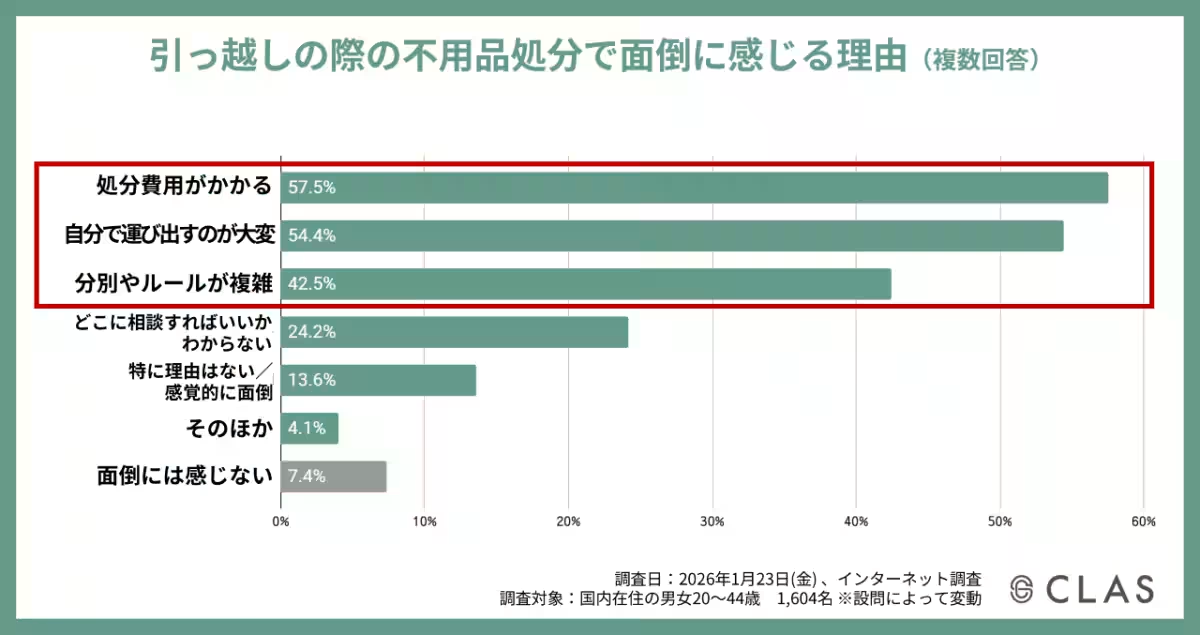
When probing deeper into the specific worries regarding disposing of unwanted items while moving, 57.5% cited the cost of disposal as the most challenging aspect, followed closely by 54.4% reporting the difficulty of physically moving items themselves. Complications with rules regarding item disposal—e.g., sorting and regulations—were also overwhelming for over 42.5% of those surveyed.
Most importantly, only a meager 7.4% indicated they felt no burden in this process, indicating a broader societal trend: moving, a typically stressful event, is compounded by financial, physical, and emotional strain that many residents face.
Emotional Hurdles in Disposal
The emotional strain is particularly significant when it comes to throwing away possessions. The survey found that 44.6% of respondents felt guilt associated with the act of discarding items. Combining those on both ends of the spectrum—those who feel immense guilt and those who feel none—shows the inherent conflict many individuals experience during the disposal process.
This stands as a call for a shift towards embracing sustainable practices whereby individuals are encouraged not only to discard but also to recycle and repurpose items—fueling a circular economy that resonates more with societal values.
The State of Storage in Single Living Environments
Data regarding the actual living conditions highlighted that 64.9% of single residents live in homes with less than one tatami mat of storage space, which includes those with no storage at all. The issue is exacerbated in metropolitan areas like Tokyo, where 75.3% of individuals report facing similar constraints. This scarcity of storage imposed a significant limitation on what items individuals can retain during their relocation, reinforcing the necessity of finding effective solutions for disposal.
CLAS Supports Sustainable Living
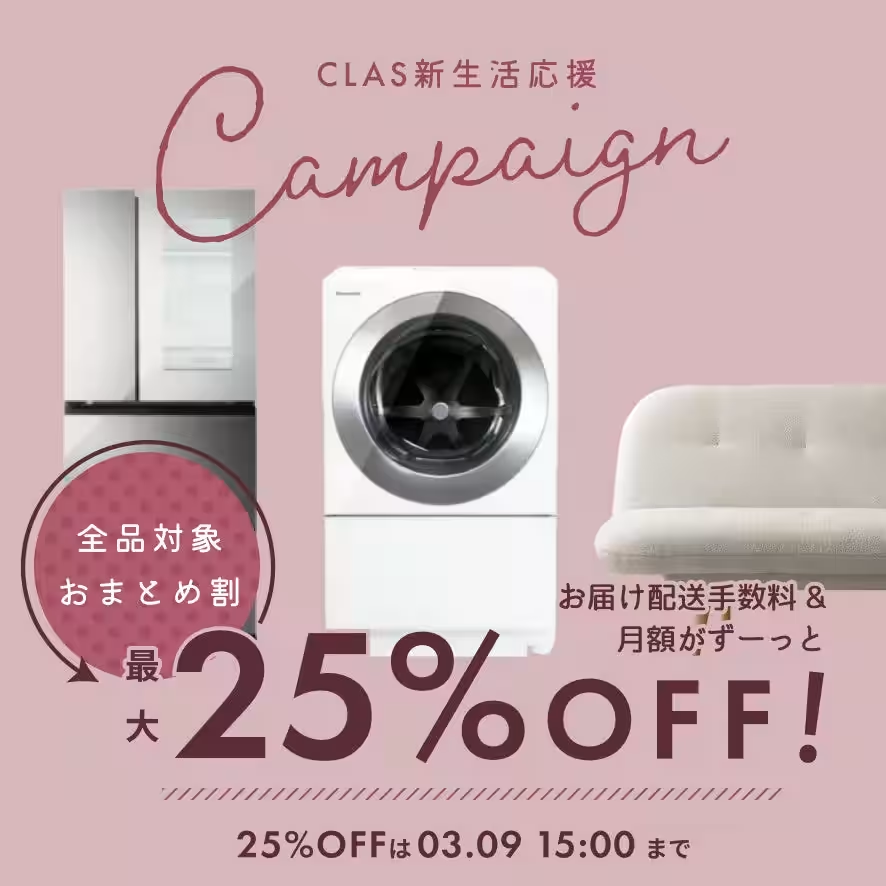
In response to these challenges, CLAS has launched a new campaign aimed at making the process of moving smoother and less burdensome. From March 2 to March 16, 2026, CLAS will offer discounts of 10% to 25% on all rental services, promoting the idea of renting furniture and appliances as a sustainable alternative to ownership. By allowing users the flexibility to return or exchange items as their needs change, CLAS helps mitigate the guilt associated with disposal and promotes a more environmentally-friendly lifestyle.
As CLAS continues to foster a circular economy through its rental services, it is crucial to address not only the physical logistics of moving but also the psychological barriers associated with letting go of possessions. By providing a structured platform for reuse, the aim is to shift mindsets towards a lifestyle valuing sustainability and adaptability in an ever-changing urban environment.
For more information about CLAS's services and to take advantage of the ongoing campaign, visit CLAS Service Site.

Topics Consumer Products & Retail)

【About Using Articles】
You can freely use the title and article content by linking to the page where the article is posted.
※ Images cannot be used.
【About Links】
Links are free to use.