



Exploring Challenges in Japan's Real Estate Market: The Rise of Vacant Homes in Rural Areas
Understanding the Real Estate Challenges in Japan
In a recent survey conducted by ielab GROUP, a company specialized in digital transformation services for the real estate industry, key insights into the challenges facing rural areas in Japan's real estate market were discovered. With the survey drawing responses from over 1,400 participants, the results shed light on the pressing issues, particularly the prevalence of vacant homes.
Background of the Survey
In recent years, Japan has experienced a significant urban concentration of its population, leading to a troubling trend of declining numbers in rural regions. As cities expand and attract more residents, the need for development strategies that address both urban and rural needs has become increasingly urgent. Thus, the survey aimed to gauge the perceptions of real estate companies and end-users regarding urban concentration and rural revitalization.
Key Findings of the Survey
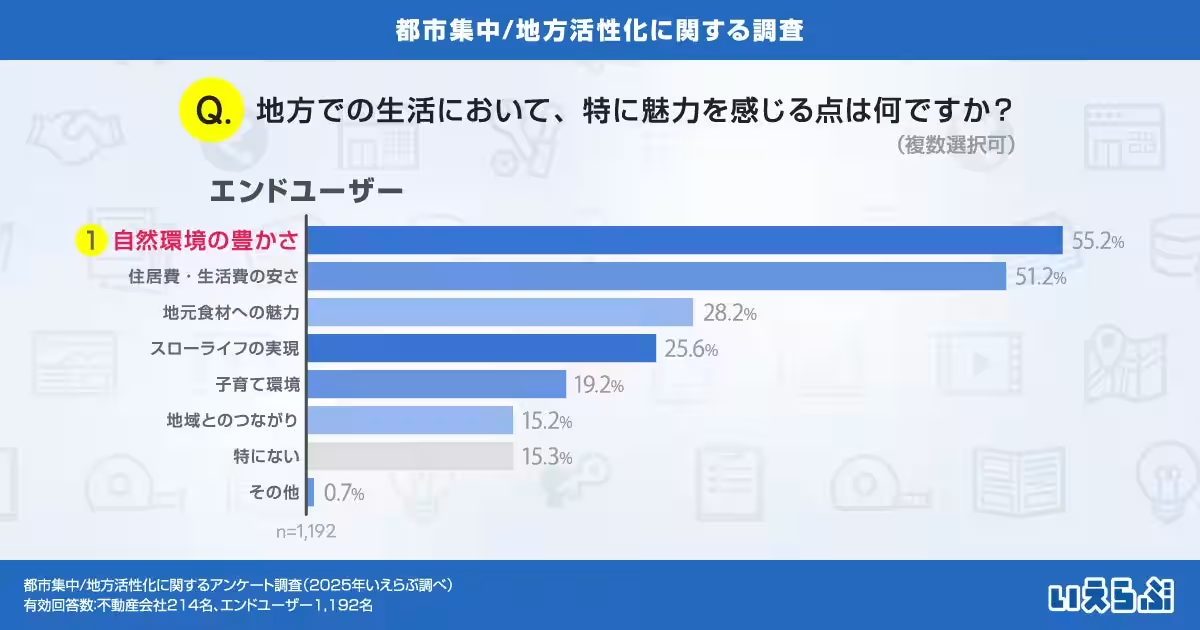
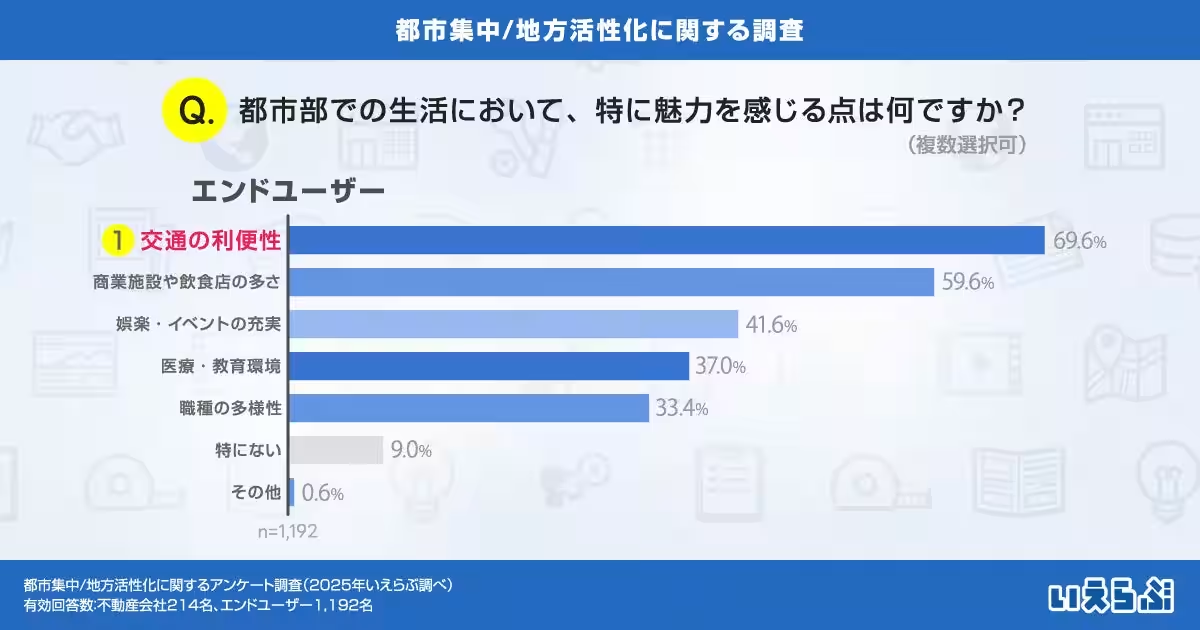
1. Rural Attractions vs. Urban Appeal: The survey revealed that the primary attraction of rural areas lies in their abundant natural environment, rated by 55.2% of respondents. Conversely, urban areas are deemed appealing mainly for their transportation conveniences, as noted by 69.6% of the participants.
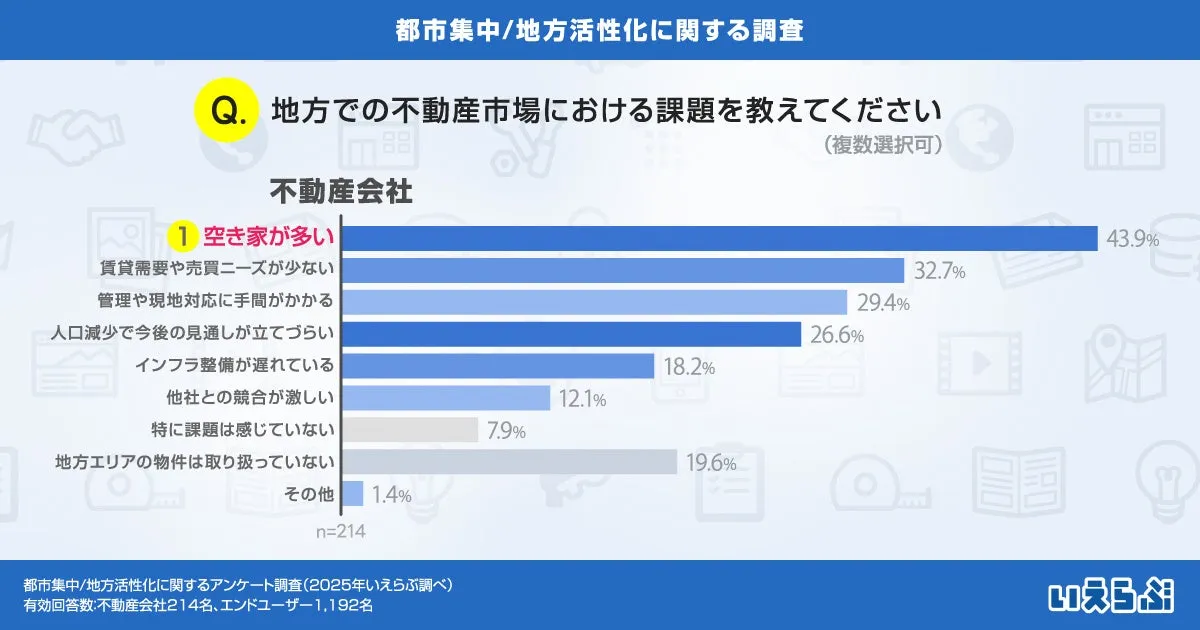
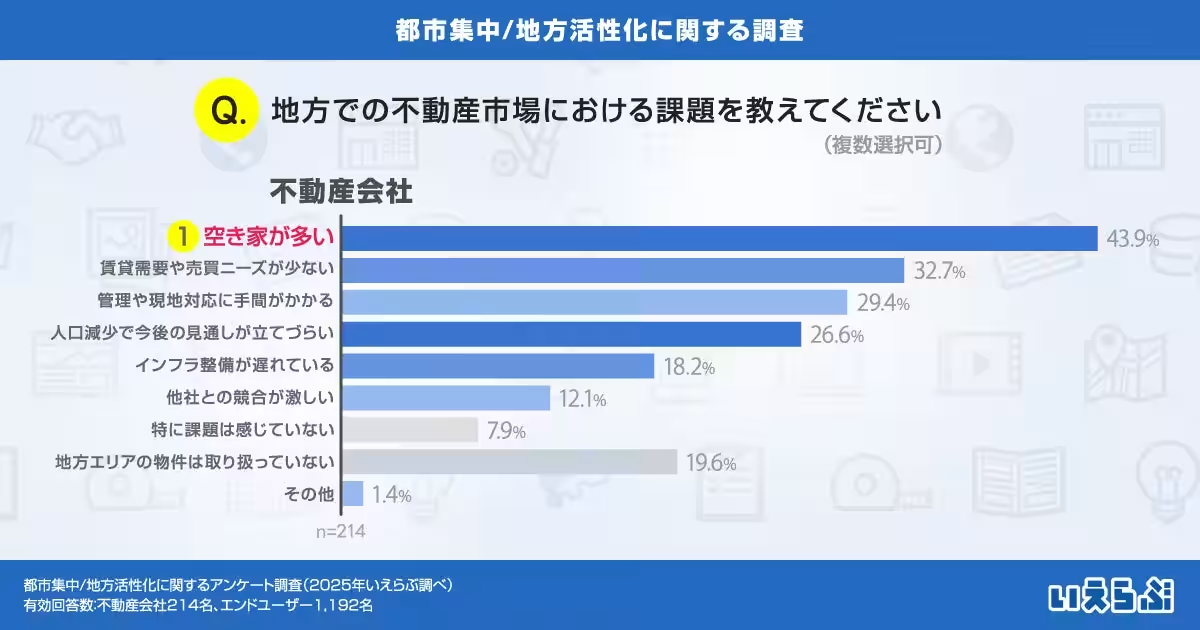
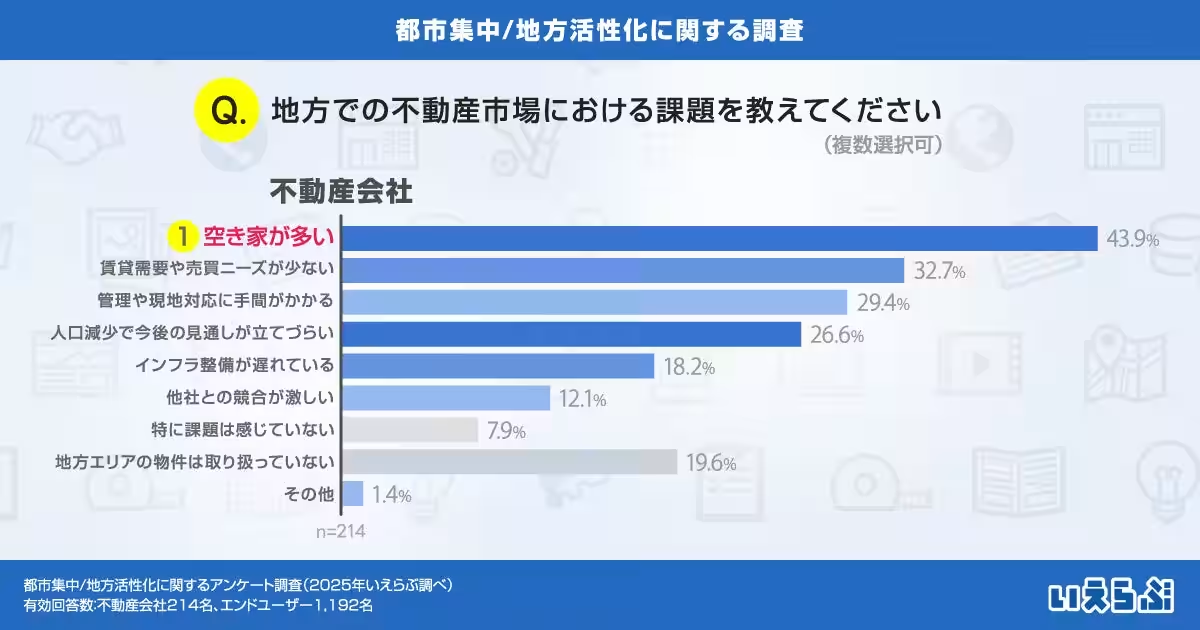
2. Rural Challenges—Vacant Homes: Among the challenges in the rural real estate market, the foremost issue identified was the high rate of vacant homes, marked at 43.9%. Other challenges cited included a lack of rental and sales demand (32.7%) and difficulties in management and local engagement (29.4%). These challenges were not only recognized by real estate companies but also resonated with end-users, highlighting a shared concern about the rising number of vacant properties.
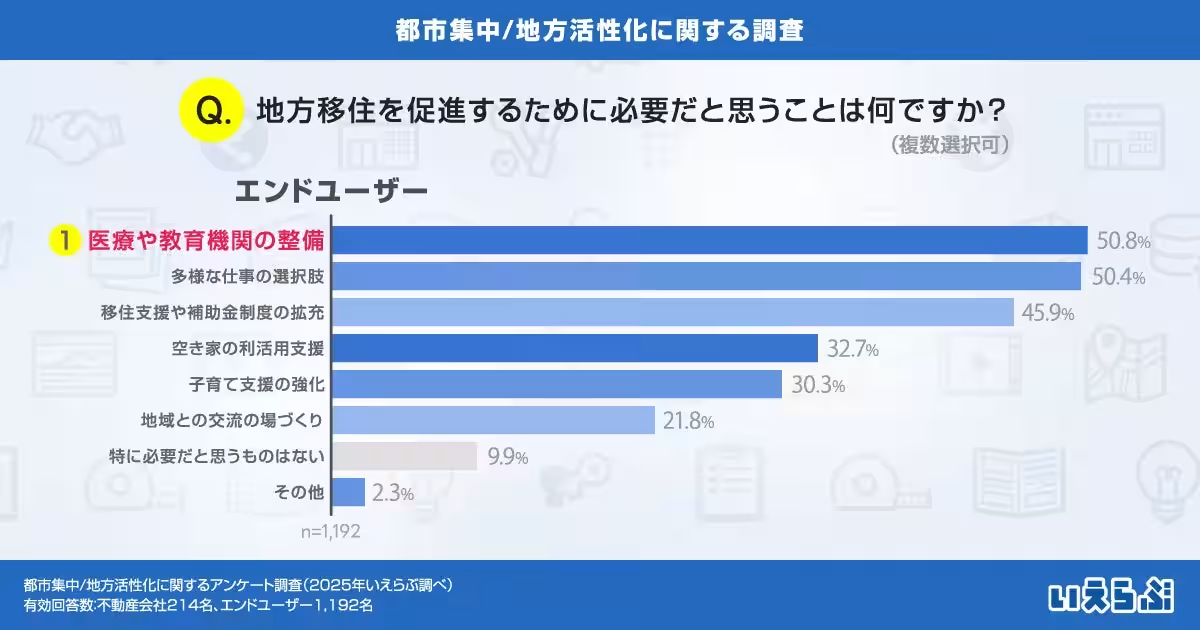
3. Need for Enhanced Infrastructure: The survey also highlighted a significant call for improved medical and educational facilities, with 50.8% of respondents indicating that such enhancements would facilitate rural migration. Other important factors influencing potential movers included diverse job opportunities and financial aid for relocations.
Insights from End-Users
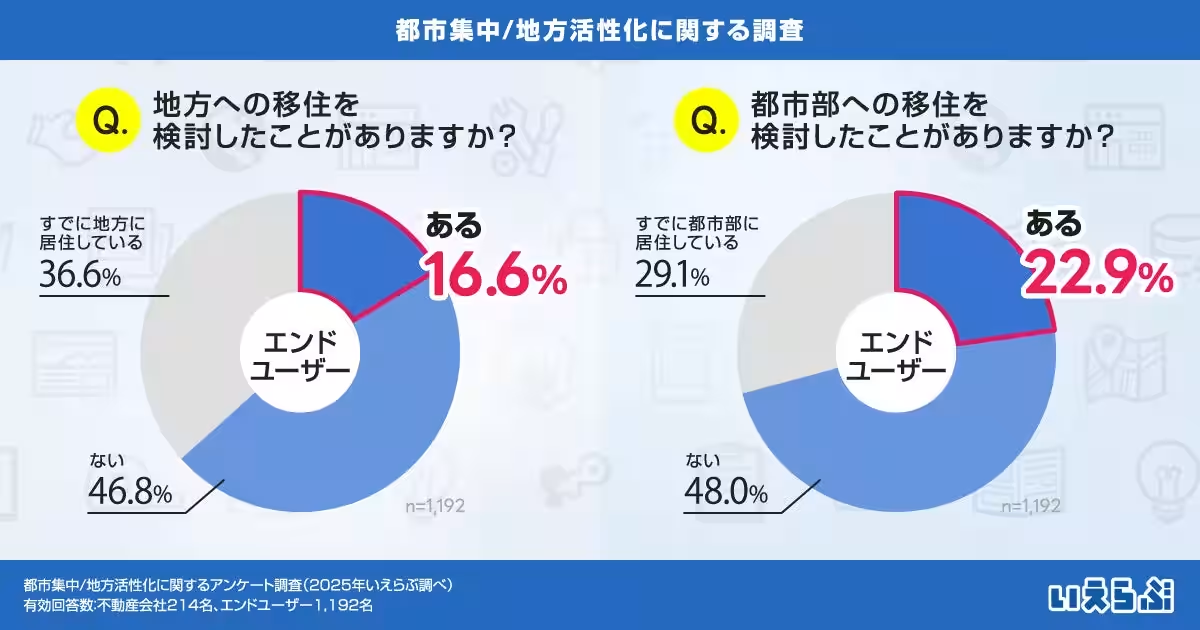
When asked about considerations for moving to rural areas, approximately 16.6% of end-users indicated they had thought about relocating to the countryside, while 36.6% were already living in these areas. Additionally, when quizzed on what they found attractive about rural life, many pointed to the affordability of housing and living costs, alongside the appeal of local culinary products. This contrasts sharply with urban attractions, where access to public transit and abundance of commercial amenities were highlighted.
Real Estate Company Response
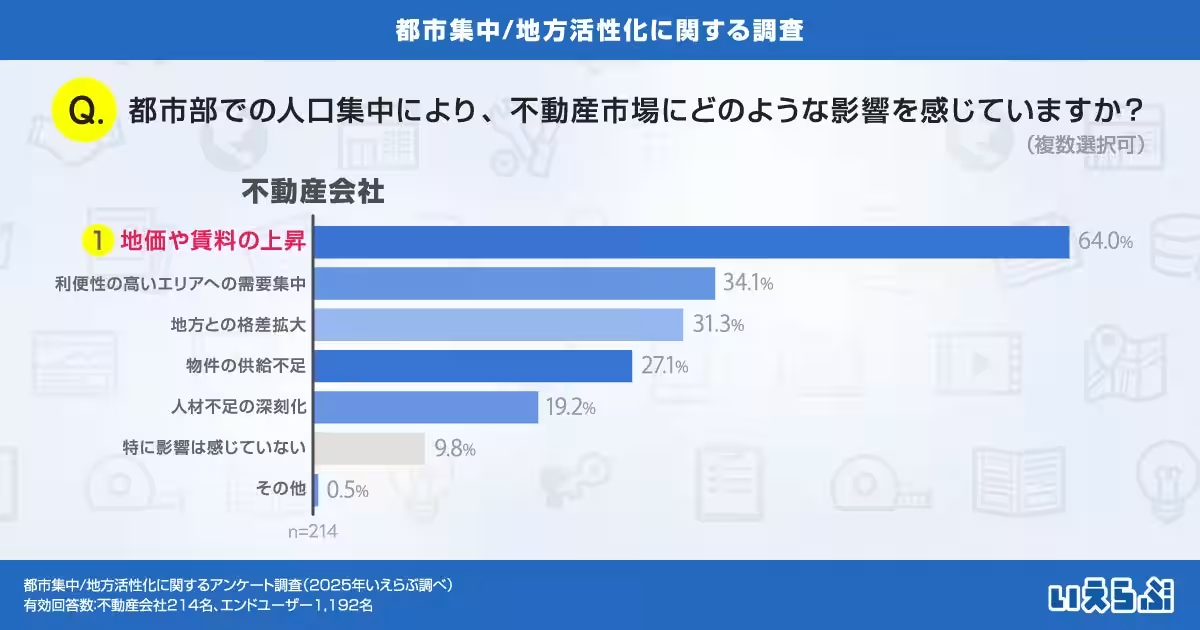
The survey also gathered insights from real estate professionals regarding the impact of urban population concentration. A notable 64% of companies reported feeling the strain of rising land prices and rents, further complicating the landscape for real estate transactions.
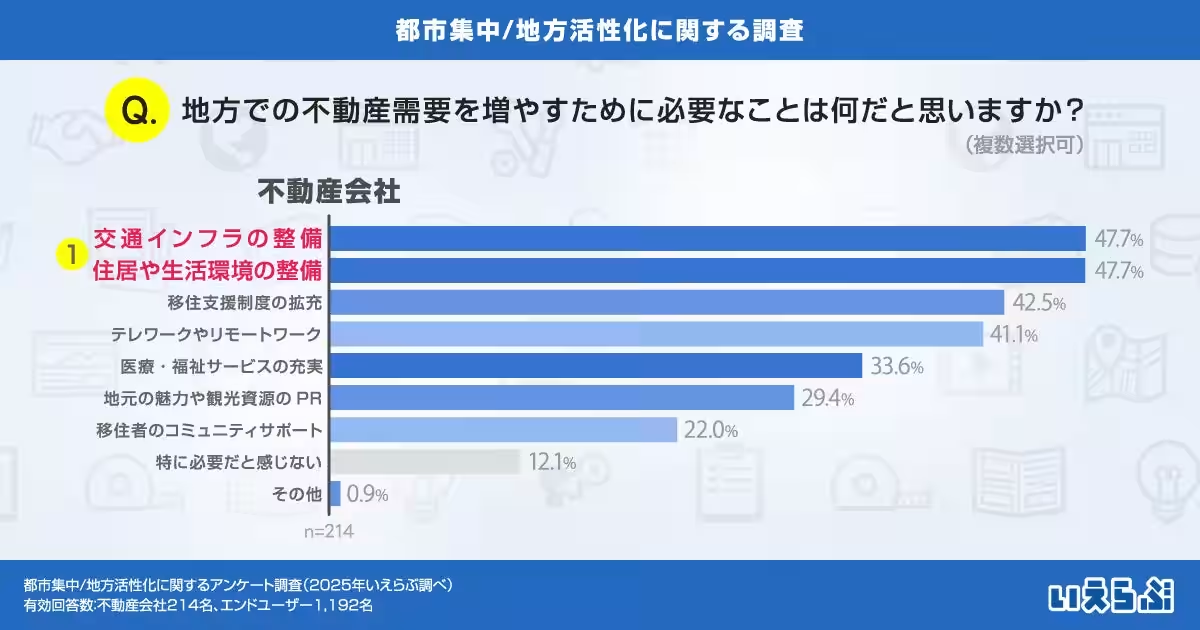
To stimulate rural real estate demand, many industry experts emphasized the importance of developing transport infrastructure and improving living conditions in these areas, corroborated by the market's growing interest in telecommuting and remote work opportunities.
Furthermore, the need for cooperative strategies between real estate companies and local governments was underscored, aiming to create a range of supportive options for potential residents.
A Call for Action
As highlighted by Kenichi Niwayama, Executive Director of ielab GROUP, the continuing urban migration is leading to a complex challenge for the entire real estate market, intensifying pressures such as price increases. Conversely, rural areas grapple with issues like increased vacancy rates and inadequate demand.
Addressing these challenges necessitates a collaborative effort: enhancing infrastructure, medical and educational amenities, and better support systems for relocators is essential. Emphasizing the need for various housing options that cater to life in rural areas could potentially revitalize these communities.
Conclusion
The findings from ielab GROUP not only underscore the real estate challenges faced in Japan but also open up avenues for discussions on revitalization strategies. There is a clear opportunity for growth by not only addressing existing issues but also by fostering a more inclusive environment for potential residents in rural areas. As the need for balanced urban-rural development continues to grow, proactive measures are essential for a sustainable future.
About ielab GROUP
ielab GROUP is committed to facilitating real estate transactions through advanced solutions tailored for the industry. Established in 2008 and headquartered in Tokyo, this company continues to expand its role in shaping the future of housing choices across Japan.
For further details or to reach out for interviews, visit the ielab GROUP website or contact their public relations department.

Topics Consumer Products & Retail)




【About Using Articles】
You can freely use the title and article content by linking to the page where the article is posted.
※ Images cannot be used.
【About Links】
Links are free to use.