



Understanding the Shift towards Electric Vehicles Amid Consumer Hesitation
Introduction
In a recent survey conducted by Happy Cars, a leading vehicle purchasing company based in Kamakura, Kanagawa, the interest and hesitation of consumers regarding electric vehicles (EVs) were explored. As countries set ambitious electric vehicle goals, and Japan acknowledges the need for a shift towards greener transportation, actual adoption among consumers indicates a more cautious approach. While over 58% of respondents leaned towards hybrid cars, a mere 26% expressed interest in electric vehicles, prompting questions about consumer priorities and the adoption challenges ahead.
Overview of the Survey
Happy Cars aimed to uncover the realities behind the wavering interest in EVs through their study, which surveyed 1,023 individuals who replace their vehicles every three to seven years. The timeframe for the survey was from October 21 to 22, 2025, using online methodologies via PRIZMA. Findings indicate that while there is burgeoning interest in eco-friendly vehicles, practical considerations remain paramount, leading to a strong preference for hybrid models.
Consumer Preferences Demystified
When asked about their next vehicle preference, hybrid cars were the leading choice at 58.3%, followed by gasoline cars (48.4%), plug-in hybrids (26.3%), and EVs (26.0%). This data highlights a trend where consumers prioritize fuel efficiency and performance while expressing concerns over charging infrastructure and vehicle costs, signaling that hybrids are currently perceived as the more practical choice.
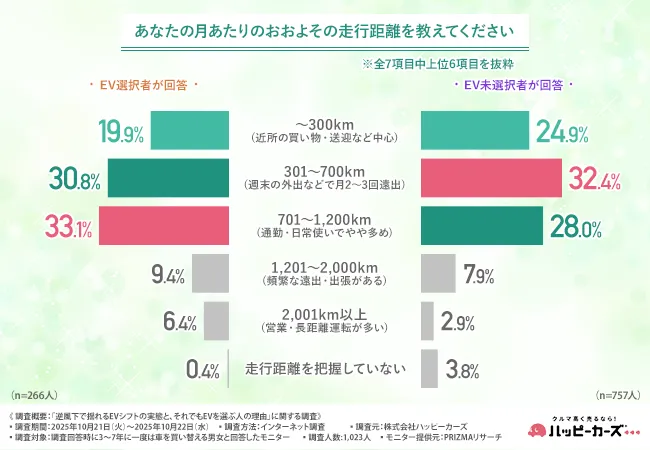
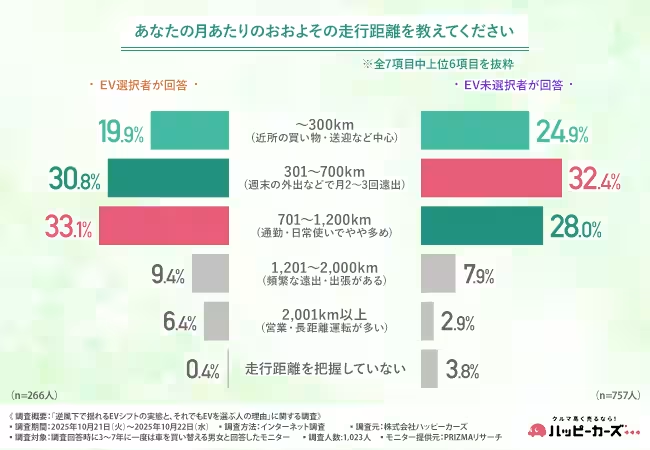
The survey also inquired about the driving habits of respondents. Although mileage varied, EV enthusiasts showed a tendency towards longer distances, suggesting a greater awareness of fuel efficiency and running costs than those opting for conventional vehicles.
Why Choose EVs?
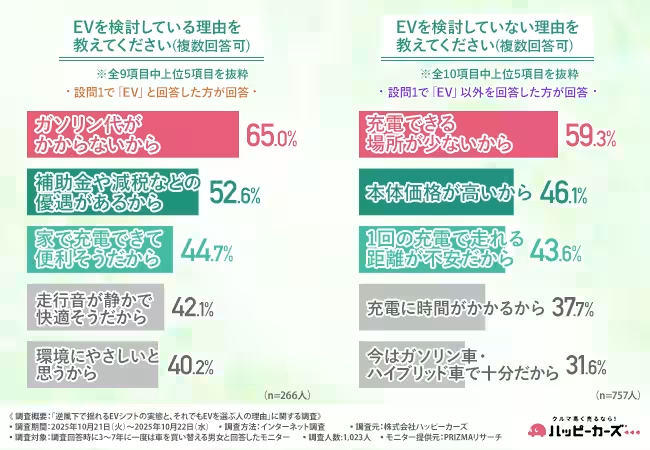
Among those considering EVs, the leading reasons were economic in nature—65.0% appreciated the elimination of gasoline costs, while over 52.6% cited governmental incentives such as subsidies and tax breaks. A notable 44.7% valued the convenience of home charging. These factors underscore a shift in perception, viewing EVs not only as environmentally friendly options but also as economically advantageous. Importantly, such attributes highlight the growing suitability of EVs as an integral part of everyday life.
Reasons for Hesitation
Conversely, among those not considering EVs, the dominant concern was insufficient charging infrastructure at 59.3%. Other significant factors included high purchase prices (46.1%) and anxiety over battery range (43.6%). This feedback suggests that external factors like infrastructure capabilities significantly influence consumer decisions regarding electric vehicles.
The Impact of Daily Life on Vehicle Choice
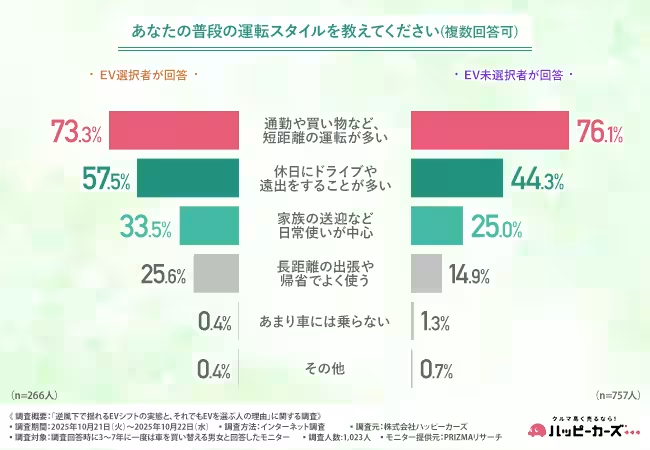
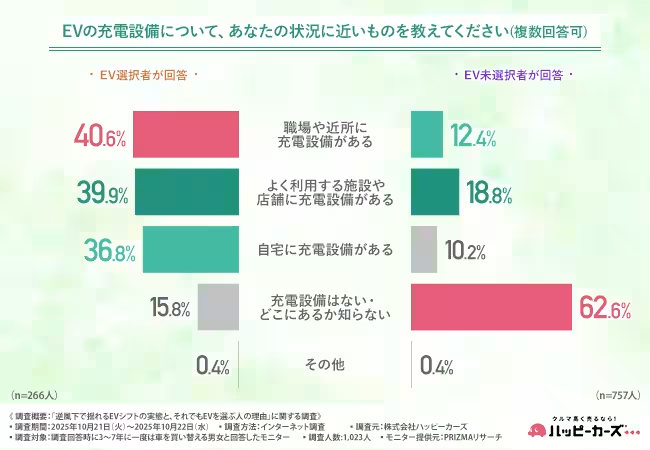
Consumer daily habits impact automotive decisions profoundly. Survey respondents indicated varying tendencies; while both EV selcters and non-buyers frequently engage in short-distance driving, enthusiasts were more likely to undertake longer drives on weekends. A significant portion of EV enthusiasts reported access to nearby charging infrastructure, which mitigates concerns and encourages their adoption. In contrast, the majority of traditional car users remained unaware of nearby charging facilities, potentially leading to hesitance about transitioning to EVs.
Priorities in Vehicle Selection
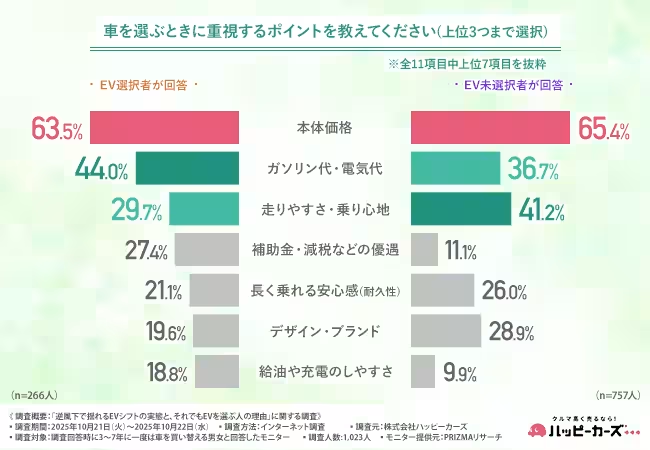
When highlighting purchase priorities, respondents cited key considerations including vehicle price, fuel costs, ride comfort, and available incentives. EV enthusiasts placed higher importance on fuel cost savings compared to non-selectors, further validating their inclination toward electric vehicles. Interestingly, these factors underscore the complex balance between economic incentives and user experience in shaping buyer behavior.
Future Outlook for EV Adoption
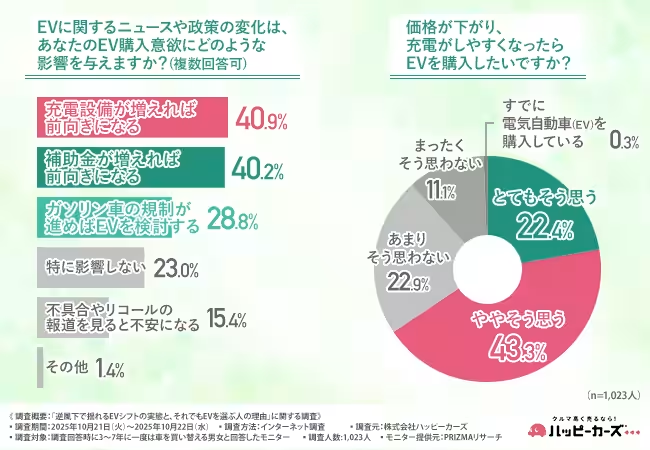
Looking ahead, nearly 70% of participants expressed interest in purchasing EVs if prices decrease and charging becomes more accessible. This optimistic signal portrays a readiness for change, albeit contingent upon market developments and tech enhancements.
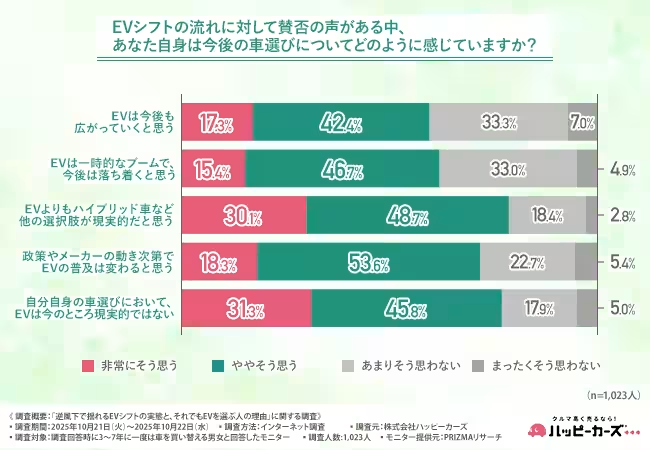
Despite the juxtaposition of high public interest in EVs and overwhelming skepticism about their current viability, it is evident that structured economic and infrastructural support can serve as catalysts for broader adoption. The perceived barrier lies not within the vehicles themselves but around their integration into the current societal framework.
Conclusion
The shift toward electric vehicles remains a complex dialogue between aspiration and practicality. Surveys reflect an increased awareness of EVs among consumers, yet a significant cautious stance persists when it comes to actual purchases. The pronounced preference for hybrid vehicles underscores a desire for a safer and more reliable transition mechanism while highlighting concerns about EV infrastructure, purchase costs, and the accompanying learning curve associated with new technology. For the EV shift to gain momentum, systems fostering financial and infrastructural support are essential, ensuring that consumers can embrace electric vehicles confidently.




Topics Consumer Products & Retail)
【About Using Articles】
You can freely use the title and article content by linking to the page where the article is posted.
※ Images cannot be used.
【About Links】
Links are free to use.