



Persol's Job Research Examines the Career Perspectives of Professionals in 2025
Overview of the Survey
Persol Career Co., Ltd., which offers job change services like ‘doda’, has implemented a survey called '2025 Career Perspectives of Professionals'. This survey aimed to assess the gap between the career ideals of new graduates and their current realities, the desire to leave a legacy for future generations, and future career thoughts. 421 employed individuals participated in this study.
Changing Career Perspectives
The current global economic challenges, including rising prices and instability in international relations, have significantly impacted people's perceptions of work and careers. In light of these circumstances, the Job Institute aims to shed light on the experiences of working individuals and provide a positive outlook on society through its research. With the ongoing evolution of AI, interest in job security, work styles, and career attitudes continues to grow. Understanding how professionals’ perspectives are changing and the gap between their initial expectations as new graduates and their current situations is crucial.
Survey Details
- - Participants: JobQ Town registered users, employed individuals
- - Criteria: Nationwide, men and women, ages 20 to 50
- - Survey Period: July 2 - July 7, 2025
- - Valid Responses: 421 participants
- - Method: Online survey
Key Findings
- - Expectations of Job Satisfaction: Approximately 68.7% of participants initially believed they would find fulfilling jobs and be fairly rewarded for their efforts.
- - Perceived Gaps: About 76.2% reported feeling a gap between their past expectations and current realities, particularly evident among those who switched jobs 2-3 times.
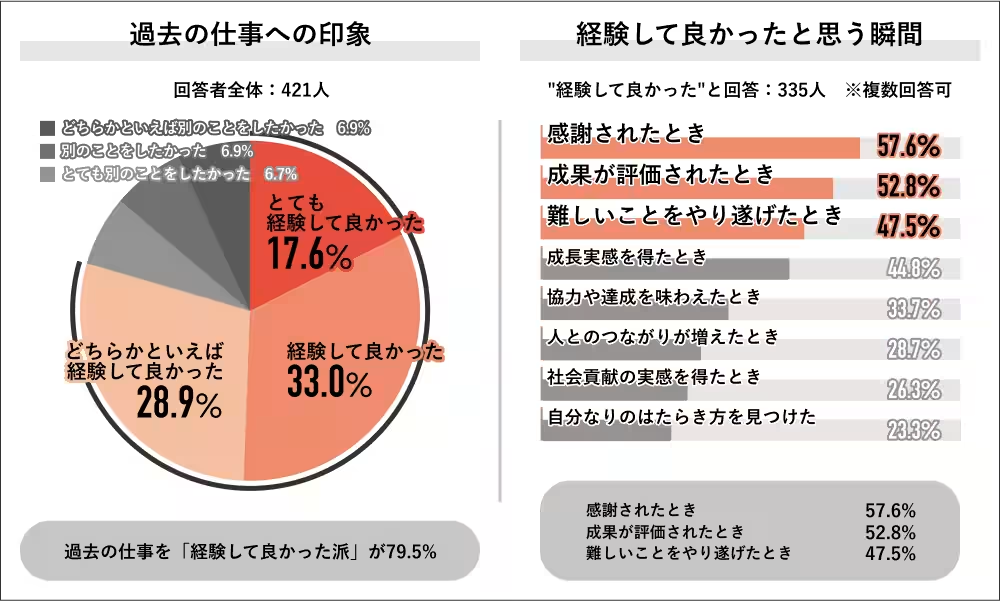
- - Positive Past Experiences: A whopping 79.5% agree that their past jobs were worthwhile experiences.
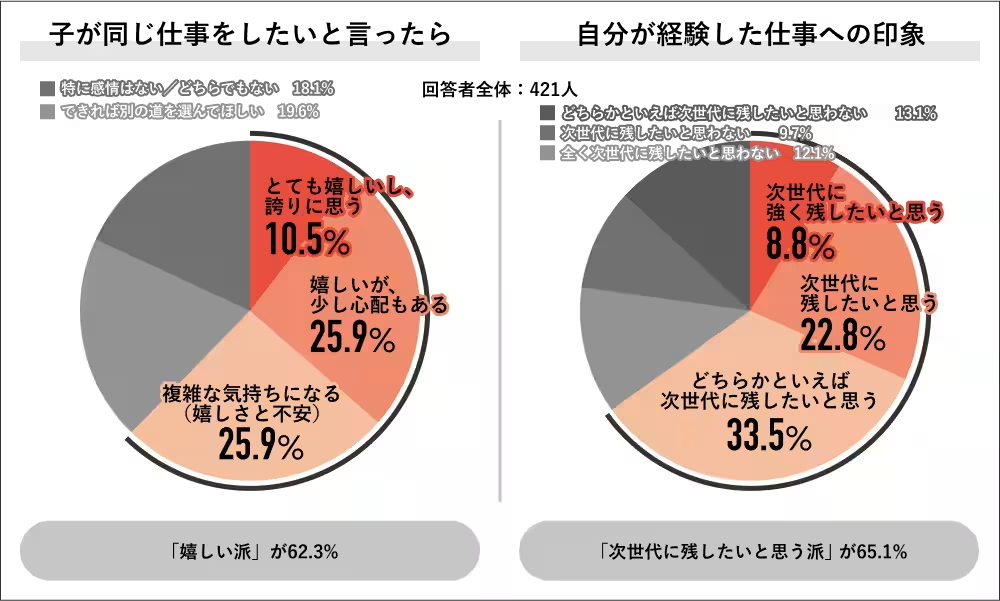
- - Desire to Leave a Legacy: 65.1% want to pass on their job experiences to future generations, with many attributing this desire to their contributions to society.
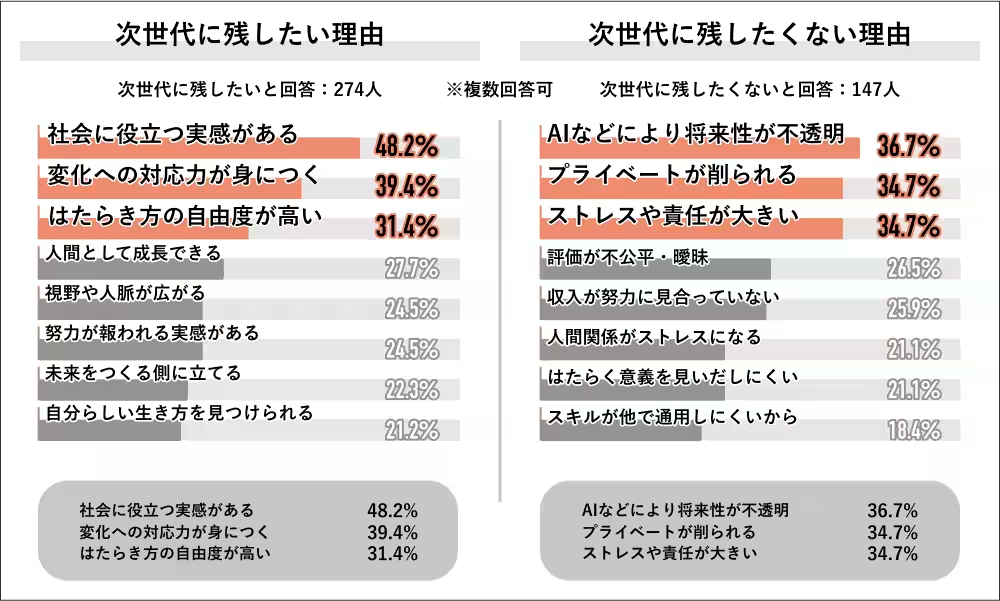
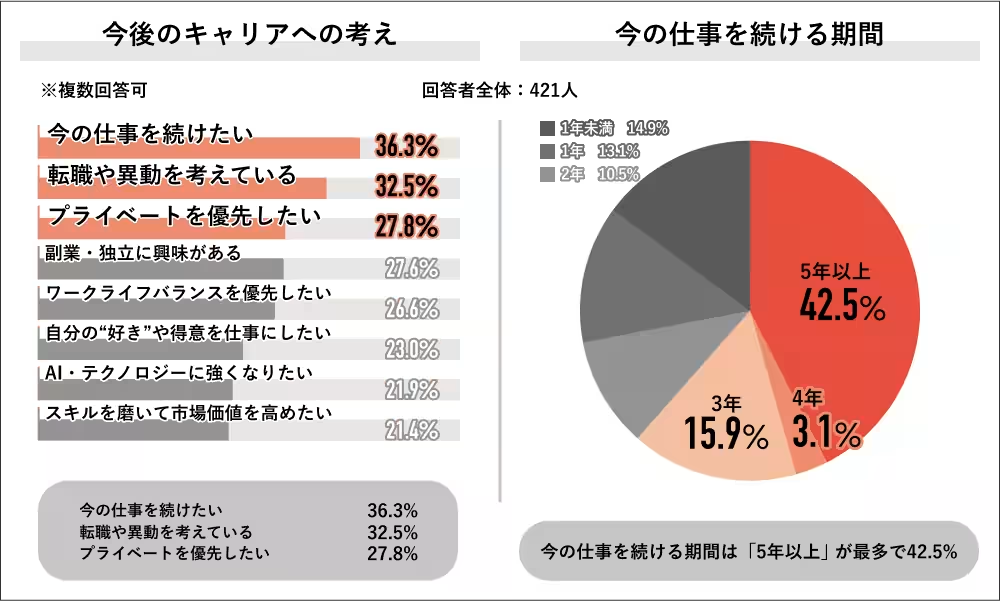
- - Concerns About the Future: Concerns about AI-induced uncertainties in career prospects have influenced people’s willingness to pass on their experiences. About 42.5% plan to stay in their current jobs for more than five years.
Initial Career Ideals
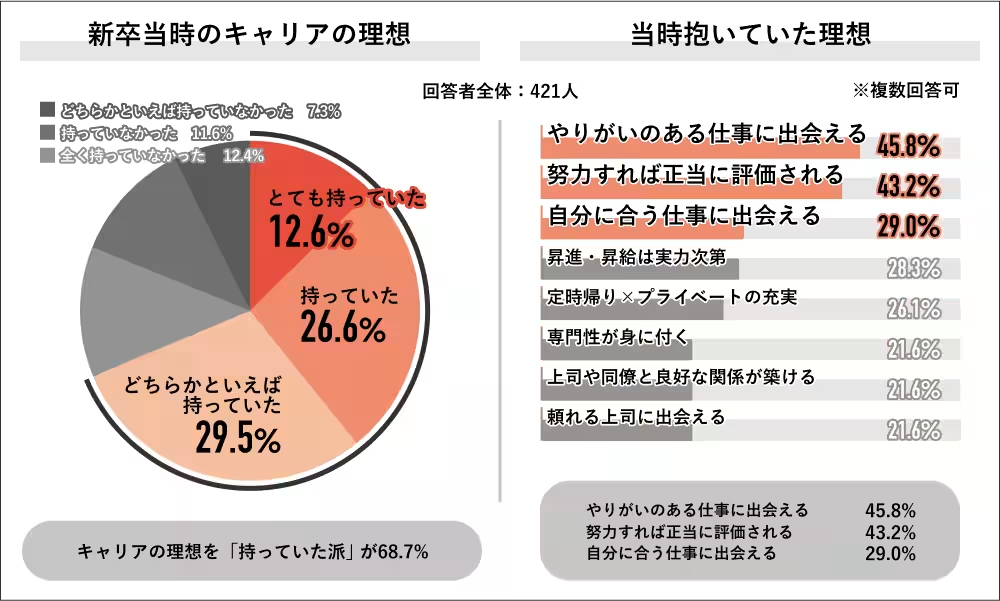
When 421 respondents were asked about their initial career beliefs, a notable 68.7% reported having such ideals. Of those, 12.6% felt very strongly about them, 26.6% somewhat felt them, and 29.5% generally held these beliefs. The most common ideals expressed included:
- - Encountering rewarding work (45.8%)
- - Fair appraisal for effort (43.2%)
- - Finding a job that fits them (29.0%)
Reality vs. Expectations
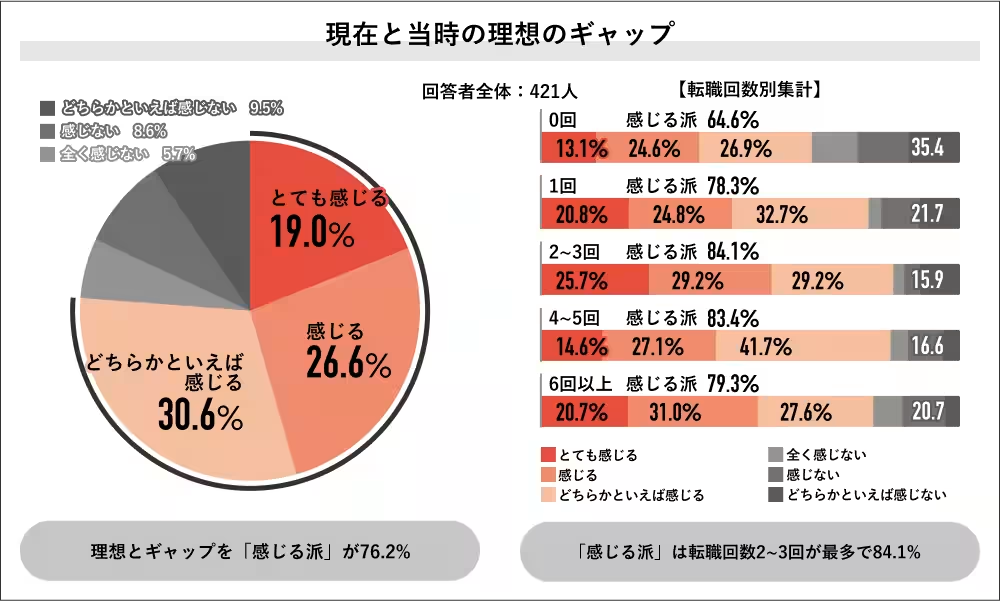
When participants reflected on their current situations compared to their expectations, 76.2% indicated they perceive a gap. Specifically, 19.0% expressed they 'greatly feel' this disconnect. Among job switchers, 84.1% who changed jobs 2-3 times felt a significant gap. Even those with more stable work histories reported similar feelings.
Positive Job Experiences
The survey indicated that 79.5% of respondents felt that their previous jobs were valuable experiences. Many highlighted moments of gratitude from others (57.6%) and recognition of their contributions to work (52.8%) as pivotal for their professional satisfaction.
Legacy for Future Generations
When asked if they would be pleased if their children pursued the same career, 62.3% of respondents expressed happiness, including those who felt proud but also worried. Furthermore, 65.1% affirmed a desire to leave a job legacy, citing contributions to society as the primary reason.
Future Career Perspectives
When considering their career futures, most respondents (36.3%) wish to continue with their current jobs. However, 32.5% are contemplating a career change or transfer, and 27.8% prioritize personal time.
Summary
The '2025 Career Perspectives Survey' reveals that around 70% held positive career ideals as new graduates, including aspirations for fulfilling work and fair evaluations. However, nearly 80% now realize a gap between their youth expectations and current experiences. The nuances of workplace dynamics, such as relationships, evaluation systems, and workload distribution, contribute to this reality. Despite these challenges, respondents generally retain a sense of gratitude for their past experiences and express a willingness to pass their knowledge to future generations. This highlights the persistent value they find in their professions amidst the evolution of workplace expectations, partly described by the unpredictability brought by AI advancements. Moving forward, empowering diverse career perspectives and creating flexible, sustainable work environments will be essential for professionals navigating the ever-shifting landscape of work and career development.

Topics Business Technology)
【About Using Articles】
You can freely use the title and article content by linking to the page where the article is posted.
※ Images cannot be used.
【About Links】
Links are free to use.