



The Rising Trend of Prepared Foods in the U.S.: Balancing Convenience and Emotional Satisfaction
The Rising Trend of Prepared Foods in the U.S.
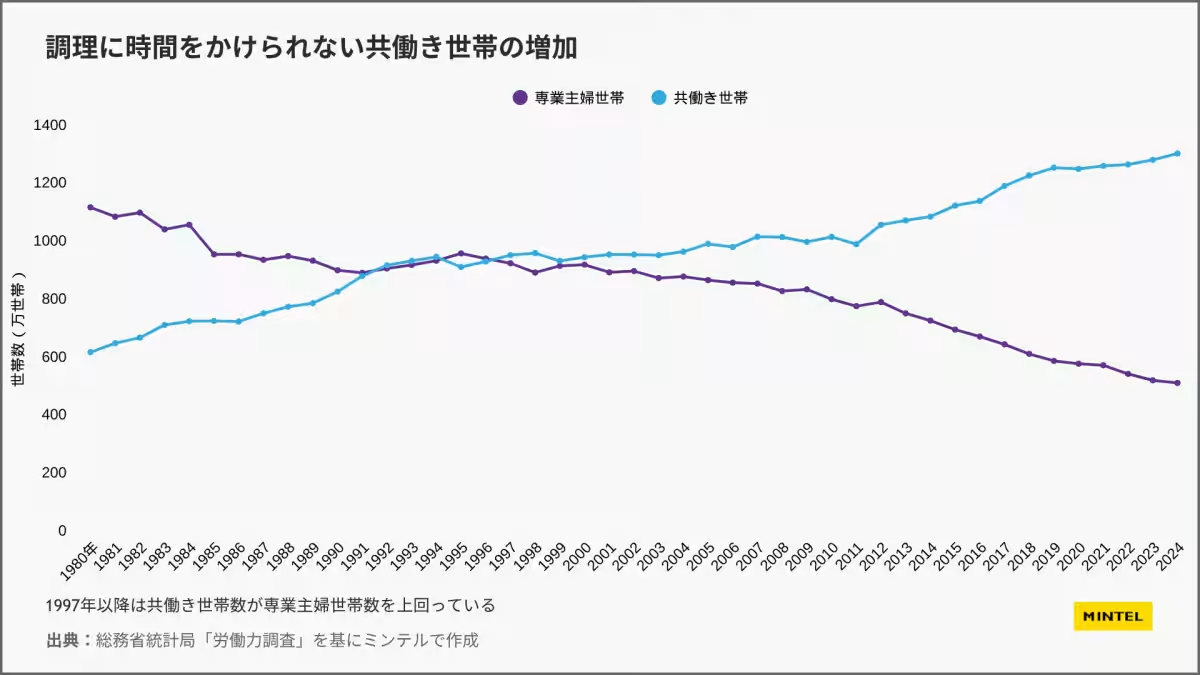
Recent data from Mintel Japan highlights a notable trend in the U.S. food market, where over 80% of Americans have experience with prepared foods. Notably, convenience has become a priority for many due to increasingly busy lifestyles and diverse family structures, such as the rise in dual-income households. The emphasis on meal preparation time has shifted significantly, leading consumers to seek solutions that not only save time but also provide emotional satisfaction.
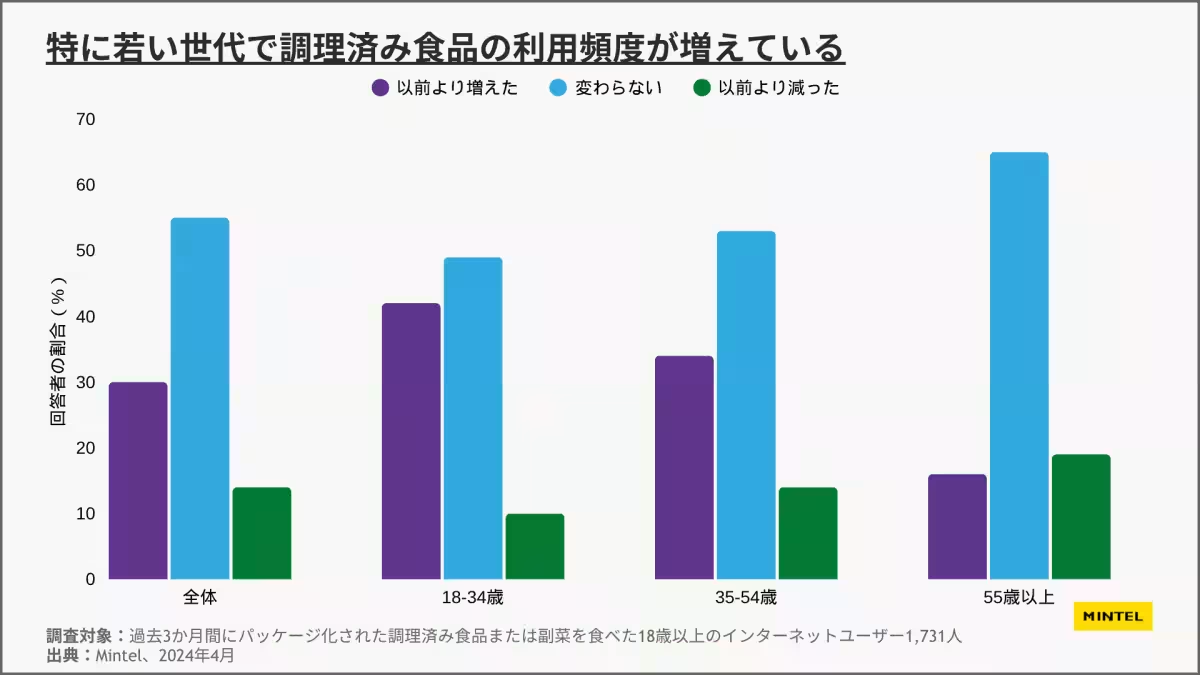
In the U.S., an astonishing 87% of consumers have utilized prepared foods, with about 40% of younger individuals increasing their frequency of use compared to the past. Meal kits and frozen foods have cemented their status as essential allies in today’s fast-paced environment, propelling the total sales of prepared foods to around $19.7 billion. This trend is mirrored in Japan, where easy-to-use ingredients or 'helper foods' are becoming increasingly popular, reflecting the evolving family dynamics that include more working parents and single-person households.
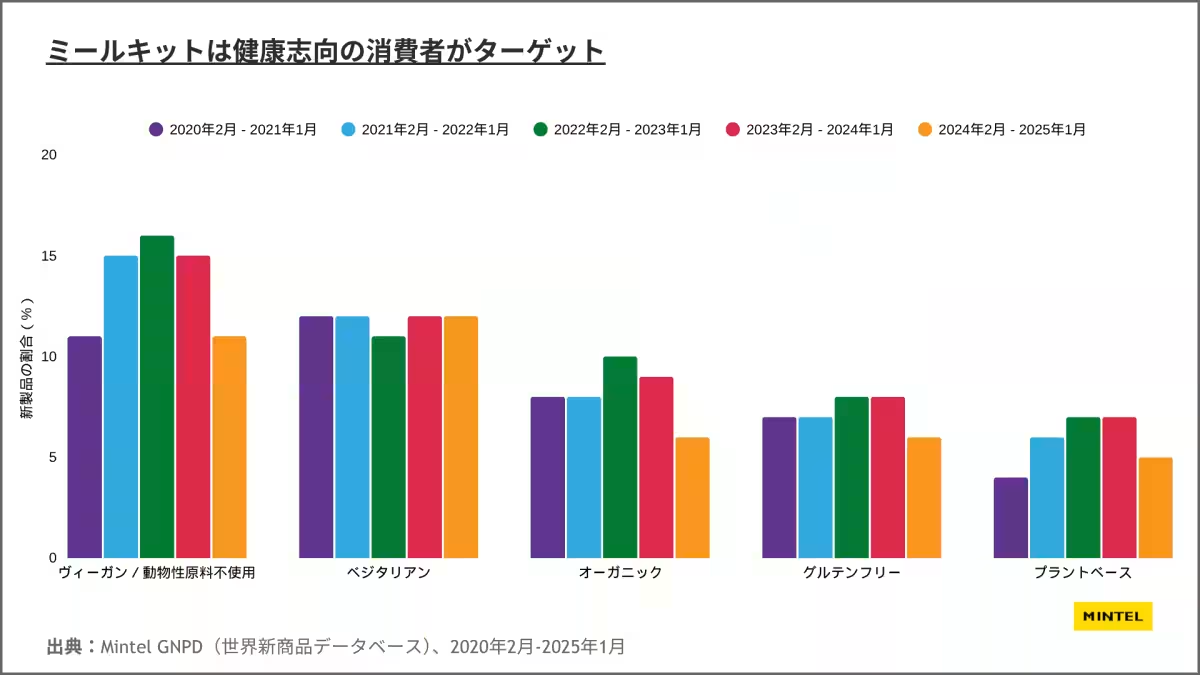
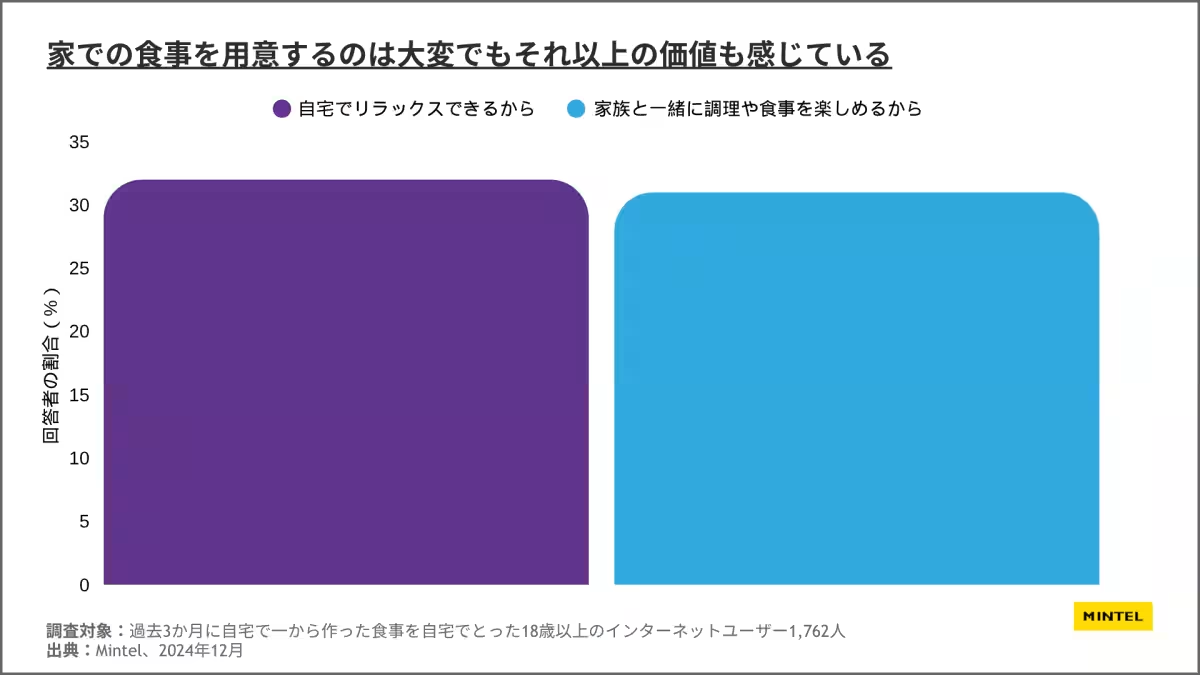
Moreover, there's a growing market for products that cater to health-conscious consumers seeking a balance between convenience and nutrition. The phenomenon suggests that while many see meal preparation as a burden, the act of cooking and sharing meals is often valued as a key moment for relaxation and family connection.
Products that allow families to engage in cooking together, even if just for a little extra effort, are now being viewed as new business opportunities. These items enhance both efficiency and emotional value by bringing families together at the dining table, creating enjoyable shared experiences.
Aside from the emotional aspect, the global trend of convenience in food preparation is gaining momentum. Increasingly busy lifestyles across the globe have underscored the demand for quick solutions, fueling the growth of meal kits and takeout options in various markets. For instance, in the UK, most consumers report using some form of prepared food, further solidifying this international trend.
According to the Mintel report on prepared meals in the U.S., the total sales in this sector were projected to be $19.7 billion in 2024. While there was a slight decrease of 1% compared to 2023, an 11% growth is expected by 2029. Interestingly, the types of prepared foods being used by consumers tend to be somewhat limited, indicating that there remains substantial room for growth.
As health consciousness rises, especially in the wake of the COVID-19 pandemic, consumers are increasingly prioritizing healthy menu options when dining out. Many restaurants now feature healthy selections that cater to the growing vegetarian and flexitarian markets, demonstrating the changing preferences of today’s eaters.
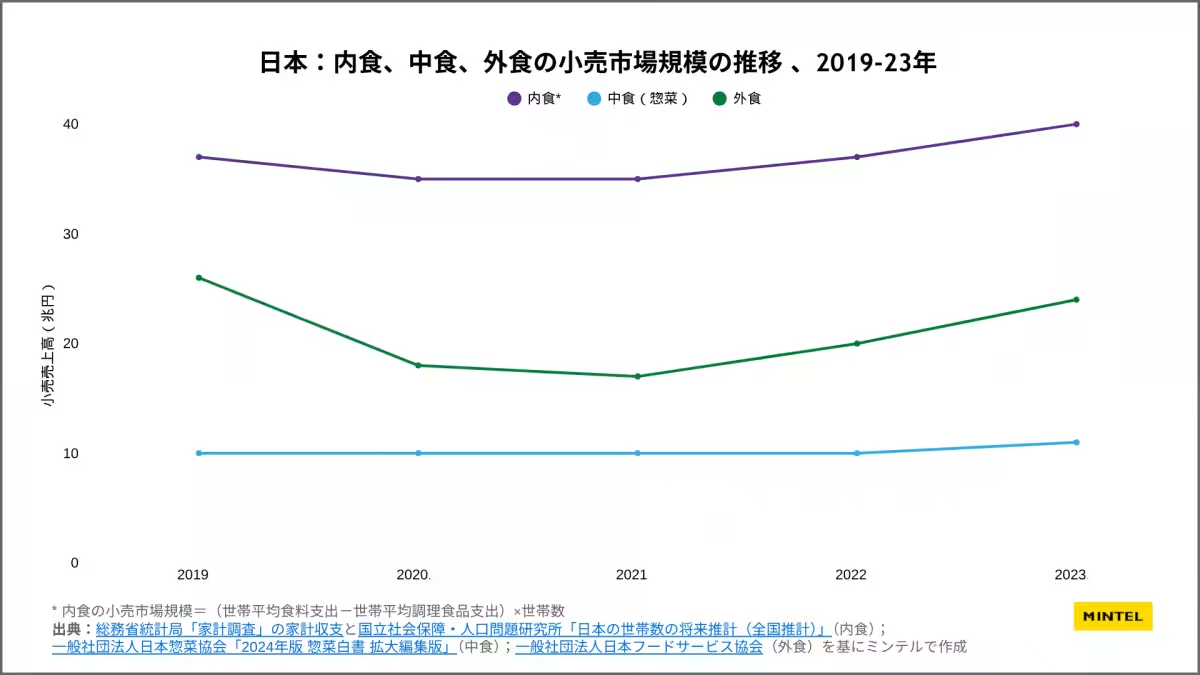
In Japan, the food consumption landscape shows upward trends in all dining categories—home-cooked meals, takeout, and dining out. While there is a noted decrease in purchase volume due to rising prices, consumers' spending on groceries reflects an increase attributed to price hikes. The growth of the takeout market aligns with the expansion of dual-income households and single-person living scenarios.
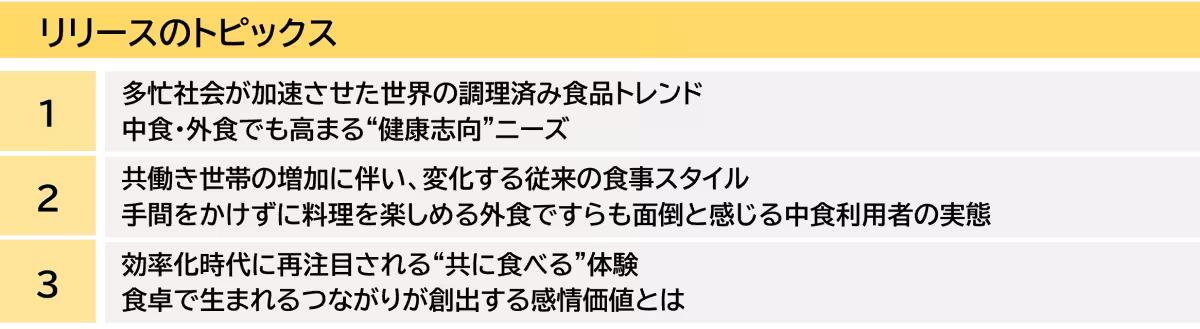
This evolution in dining habits suggests that traditional cooking styles are being reevaluated. Surveys reveal that many working mothers struggle with maintaining a satisfying balance between work and household responsibilities. Given that the burden of household tasks remains disproportionately on women, simpler and quicker cooking solutions like frozen meals and takeout are increasingly supporting busy families.
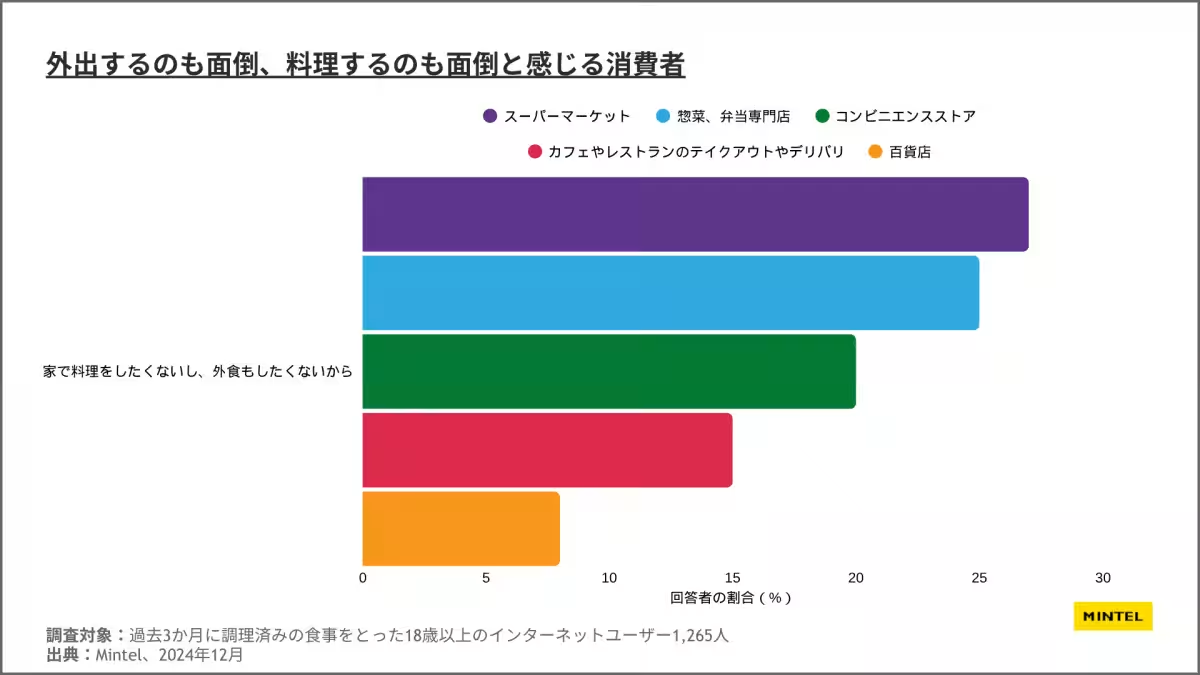
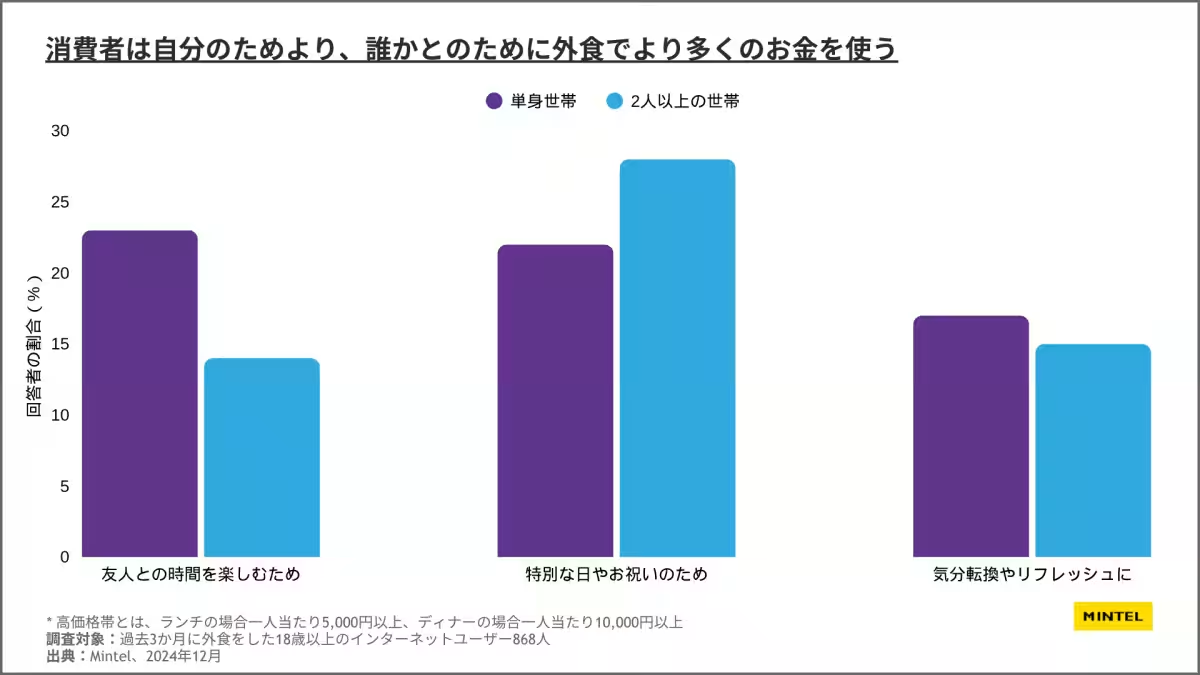
While many consumers feel overwhelmed by food preparation and dining out, they simultaneously value home-cooked meals as opportunities for relaxation and family bonding. Thus, dining out is often pursued not just for the food, but also for the shared experiences it provides, which adds emotional value.
The current landscape presents significant business opportunities for brands to capitalize on the emotional aspect of food. There’s an opportunity to shift from traditional prepared foods—often viewed as lacking engagement—to options that encourage consumer interaction. For example, brands could introduce products that require minor preparations, allowing families to engage in simple cooking processes together, fostering connection and conversation.
Events that teach consumers how to enhance their meal preparation experiences can further boost interest in products, encouraging families to invest in items that promise authentic cooking adventures. Such engagements are likely to drive consumer loyalty and sales growth, benefiting manufacturers in return.
In conclusion, as we navigate the complexities of modern life, the desire for both convenience and emotional connection continues to shape the American food scene. Organizations like Mintel Japan stand ready to inform and inspire those looking to tap into this evolving market.


Topics Consumer Products & Retail)
【About Using Articles】
You can freely use the title and article content by linking to the page where the article is posted.
※ Images cannot be used.
【About Links】
Links are free to use.