



The 2026 White Paper on Urban Office Workers: Insights into Break-time Usage
Overview of the 2026 White Paper on Urban Office Workers
On September 14, 2026, the company Kosodo, based in Chuo, Tokyo, in collaboration with News Technology, unveiled the white paper titled '2026 White Paper on Urban Office Workers.' This insightful report encompasses 38 pages and includes 21 tables and figures. It is noteworthy that all data, including images and numerical values in CSV format, are available for free and without any registration requirements. The findings aim to shed light on the often-overlooked 'break times' during daytime work in Tokyo, where a staggering populace of 12.87 million resides.
Key Findings
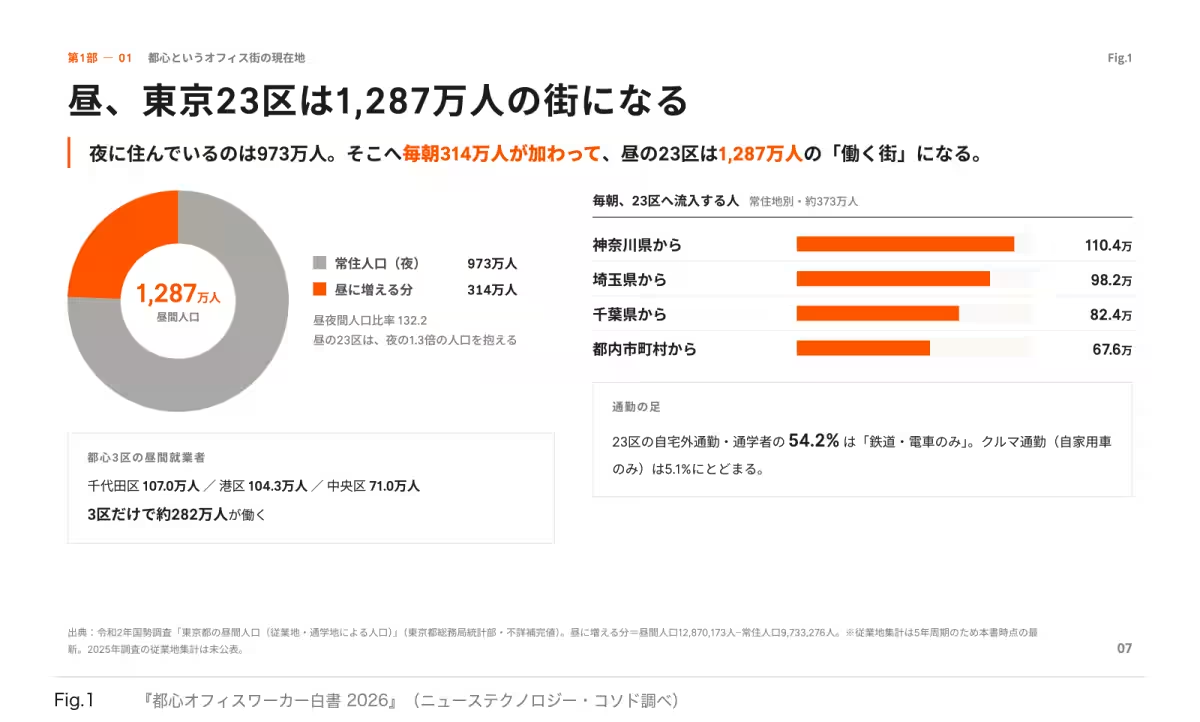
According to the white paper, daytime in the Tokyo 23 wards sees a considerable influx of individuals who travel from outside the areas for work or education. Notably, 2.82 million people work in the central districts of Chiyoda, Minato, and Chuo alone. While telecommuting remains established—64% of companies in Tokyo have adopted it, showing a 6-point rise from the previous year—the actual implementation has seen a decline with office attendance recovering. The survey, which involved 13,000 employed individuals across the Tokyo metropolitan area, revealed that 63.3% of respondents commute to the office five days a week or more; this figure rises to 85% when including those who come in at least once a week.
The Untold Story of Break Times
During a typical workday, not only are lunch breaks taken, but many also benefit from multiple short breaks that last just a few minutes each. Unfortunately, there is a lack of data to precisely capture these microbreaks and what workers do during them. A 15-minute increment is used by national surveys, and current data indicates that most breaks last between 3-5 minutes, which does not meet the required threshold for recording, leading to an absence of data about these common but crucial moments.
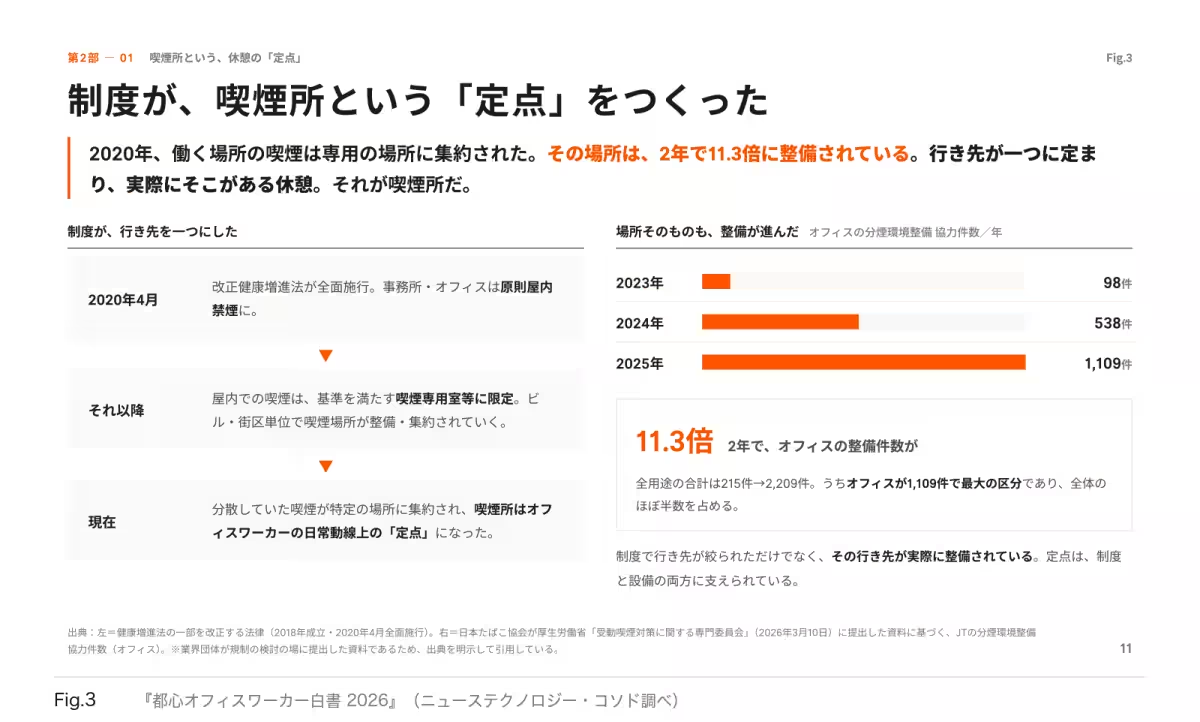
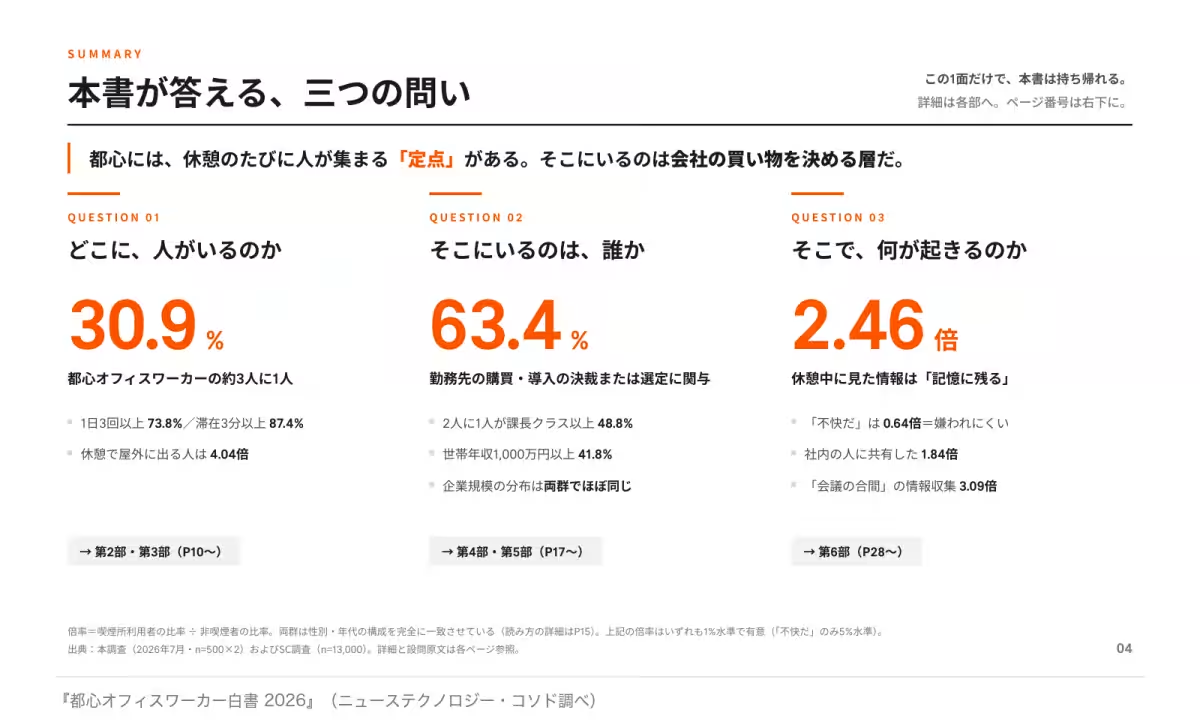
The introduction of the revised Health Promotion Act in April 2020, which mandated the concentration of smoking in designated areas within offices, has provided a stable point to observe these breaks. With smoking being restricted largely to designated areas, standardized places for observation have emerged. This shift is reflected in the findings that among individuals who work in the 23 Tokyo wards and commute at least once a week, 30.9% use these areas weekly—amounting to roughly one in three individuals.
Three Layers of Verification
This report has utilized three layers of verification, employing public statistics, a screening survey of 13,000 individuals, and a primary survey of 1,000 participants, 500 of whom are smokers and 500 who do not smoke. Since the service's launch in September 2021, the ‘Break’ initiative has continually focused on measuring the significance of these breaks, bringing to light the necessity of recognizing these otherwise neglected times. Each year the findings will contribute to ongoing observations of this critical area of workplace behavior.
Public Availability of Findings
The white paper is structured to support secondary use—such as articles and project proposals—without requiring a request for permission. Multimedia resources such as all 21 figures and tables have been made available, allowing easy access for reporting and analysis.
Data Insights
Readers may want to note the intriguing statistics presented within the report concerning break habits:
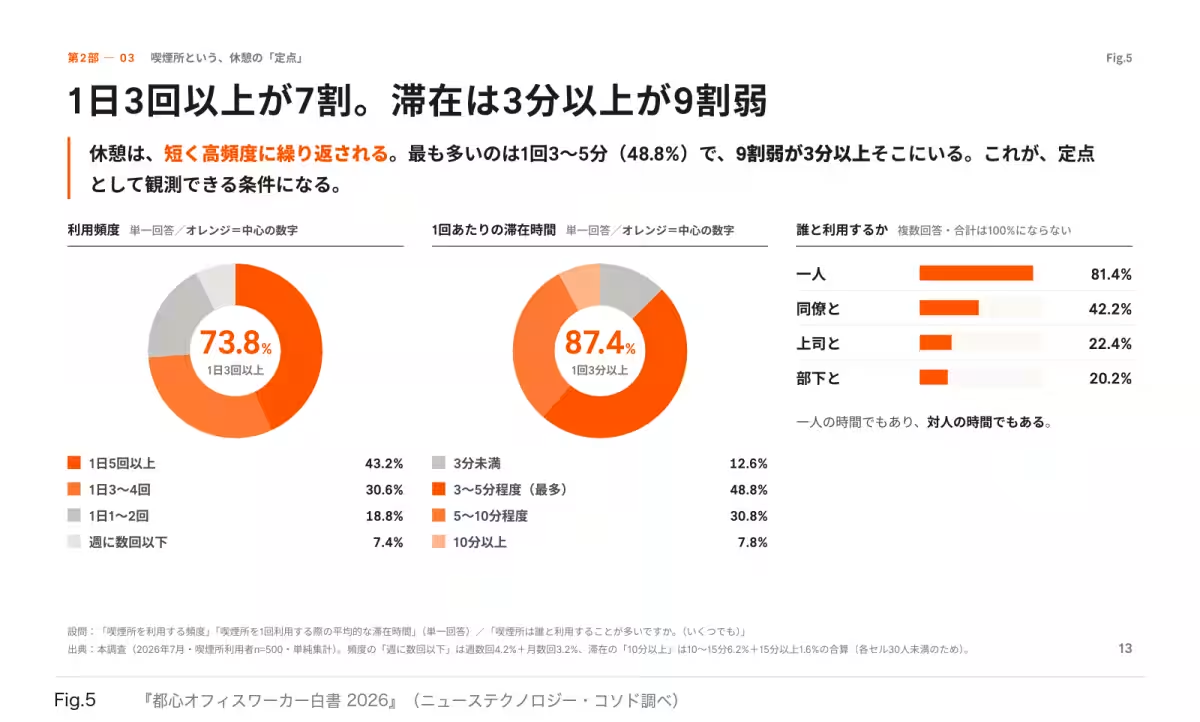
- - Usage Frequency: 73.8% of individuals utilize smoking areas three times or more daily, with nearly 90% staying for over three minutes each visit.
- - Shared Contexts: Most people visit these areas alone (81.4%), yet also spend time with colleagues (42.2%) or supervisors (22.4%).
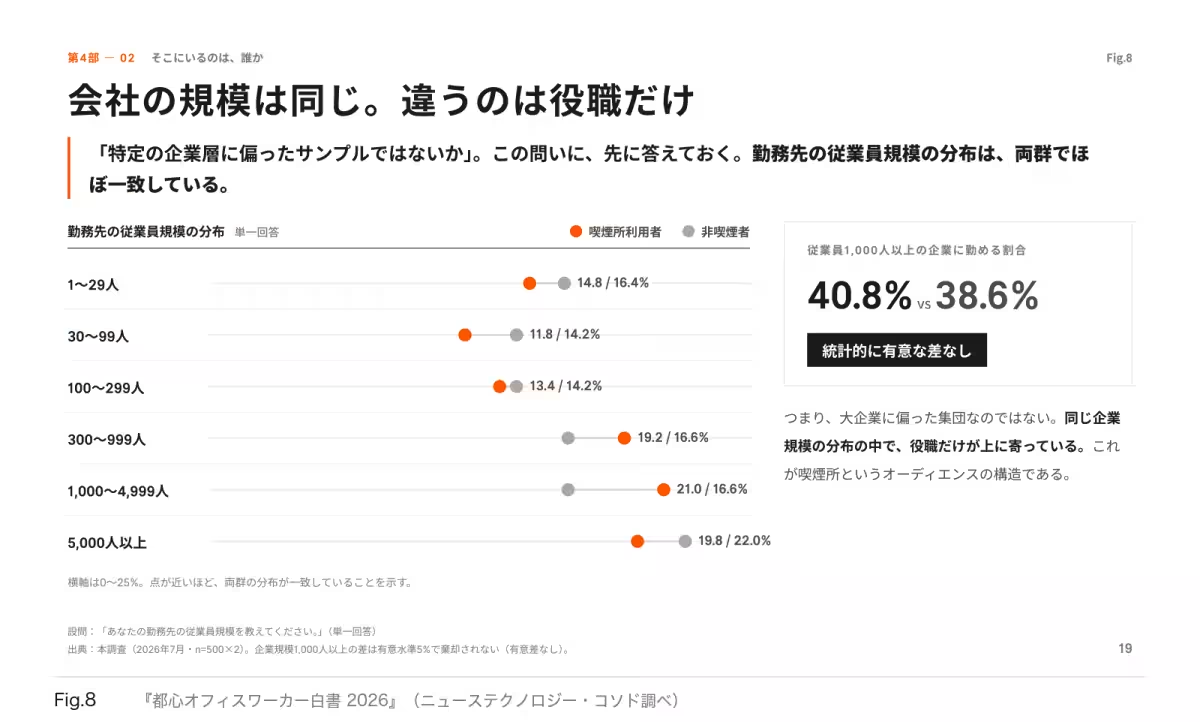
- - Company Size: There was no significant difference in the size of companies between smokers and non-smokers; however, variations in job title demographics were notable.
The complete collection of materials and details can be accessed at their official website. This report not only highlights trends but advocates for more refined strategies tailored to the urban office worker's lifestyle, fostering a better understanding of their daily experiences and needs in a post-COVID world.
Future Outlook of the 'Break' Initiative
As the ‘Break’ campaign enters its fifth year, the upcoming seminar scheduled for October 6, 2026, will further explore these findings and their implications for marketing strategies aimed at urban workers. The free event aims to bridge the gap between advertisers and the realities of urban office behaviors, showcasing novel promotional tactics while fostering professional networking opportunities.
For those interested in achieving a deeper understanding and contributing to an ongoing dialogue, attendance is encouraged. The complete white paper is available online for those wishing to delve into the specifics of this important urban study.
Topics Consumer Products & Retail)




【About Using Articles】
You can freely use the title and article content by linking to the page where the article is posted.
※ Images cannot be used.
【About Links】
Links are free to use.