



PMG Group Introduces Gut Health Services for Employee Wellness Management
Empowering Employee Wellness with 'Kencho Navi'
In a significant move towards promoting health management within companies, PMG Group has announced the introduction of the gut microbiota examination and analysis service known as 'Kencho Navi.' This initiative is targeted primarily at identifying disease risks in employees at an early 'pre-disease' stage, fostering an environment where they can maintain and improve their health in everyday life.
Implementation Process of 'Kencho Navi'
Before the implementation of 'Kencho Navi,' PMG Group conducted an informative session led by medical professionals. This session educated the staff on the relationship between gut health and various disease risks, along with elucidating the workings of the 'Kencho Navi' system. Following the session, a survey was conducted among 156 potential participants, with a remarkable 87% expressing their eagerness to take the test. Consequently, the tests were administered to those who volunteered.
Steps Involved:
1. Informative Session by Doctors
2. Survey to Recruit Interested Employees
3. Distribution of 'Kencho Navi' Testing Kits
4. Return of Test Results and Support for Lifestyle Improvements
Employee Feedback on 'Kencho Navi'
Employees who participated in the tests shared their positive experiences. A 24-year-old male remarked, "I was surprised at how easily I could access a test that informs me of risks before becoming sick." Similarly, a 26-year-old female noted, "The disease risks identified aligned perfectly with my actual symptoms."
These testimonies underscore the effectiveness of preemptive health measures and the rising health consciousness among employees. However, how do corporate executives perceive health management within their organizations?
Survey Insights from Corporate Executives
In conjunction with the introduction of 'Kencho Navi,' PMG Group conducted a survey targeting 1,044 business owners to assess the necessity and challenges associated with health management in companies. Here are some of the key findings:
Concerns about Employee Health
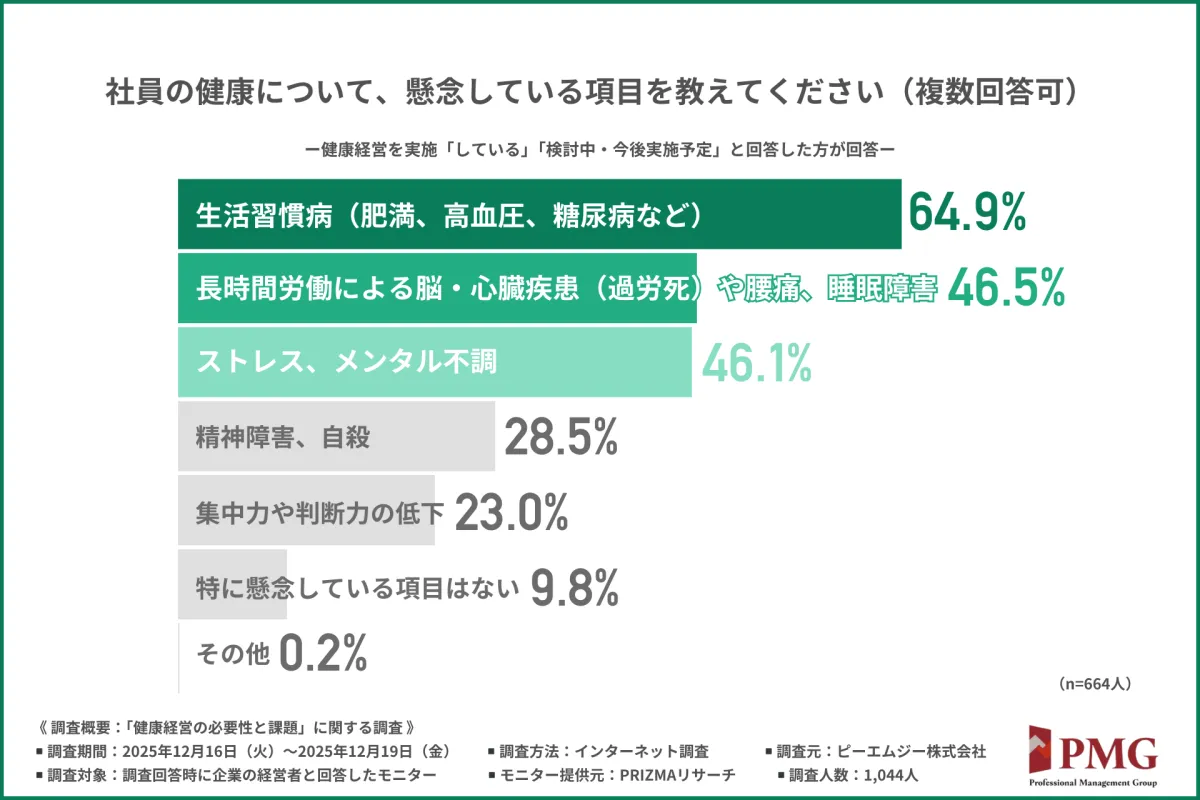
The survey revealed a large majority of executives expressing concern over various health issues among employees. The most notable was lifestyle-related ailments, such as chronic diseases, with obesity, high blood pressure, and diabetes identified as prevalent risks, acknowledged by 64.9% of respondents. Other significant issues included health problems stemming from prolonged work hours, such as cardiovascular diseases and mental health challenges.
Objectives of Health Management
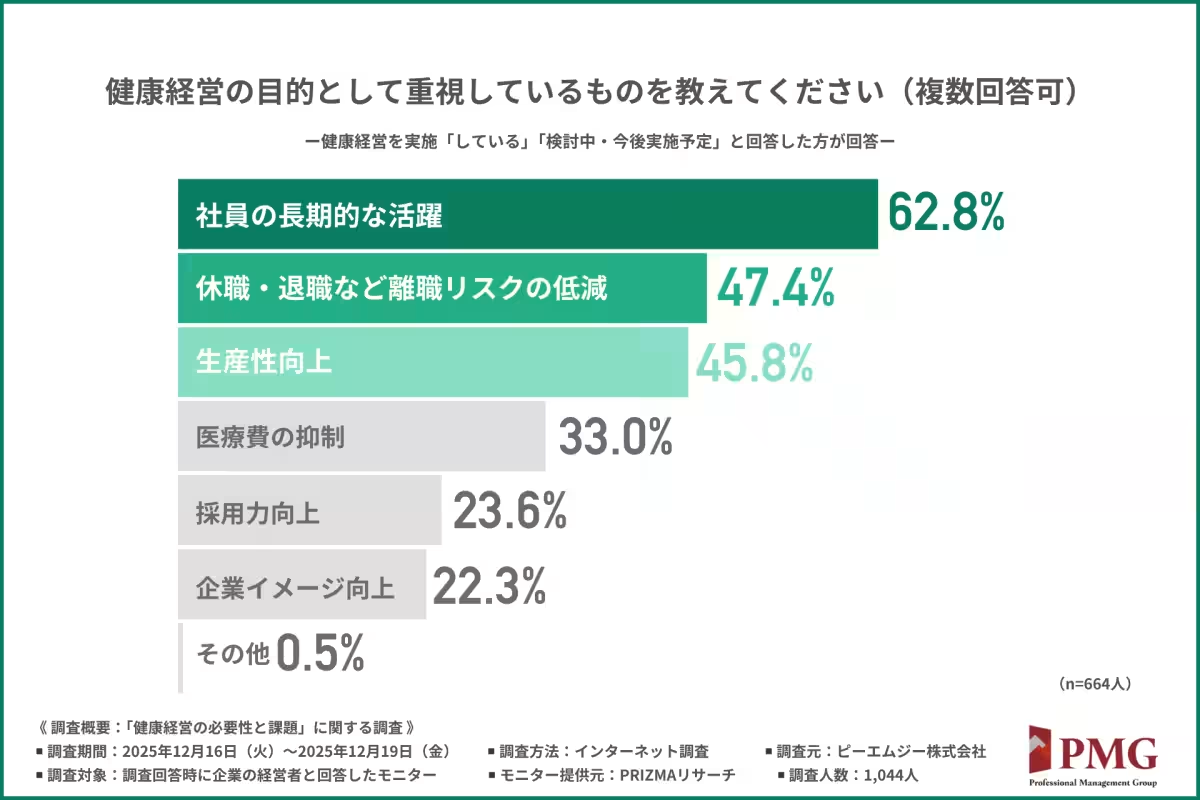
When asked about the primary goals of implementing health measures, 62.8% cited the long-term success of employees as the top priority. Other noteworthy objectives included reducing the risk of sick leave and turnover (47.4%) and enhancing overall productivity (45.8%). This denotes a trend where businesses link health management directly to organizational sustainability and talent retention strategies.
Challenges in Implementing Health Initiatives
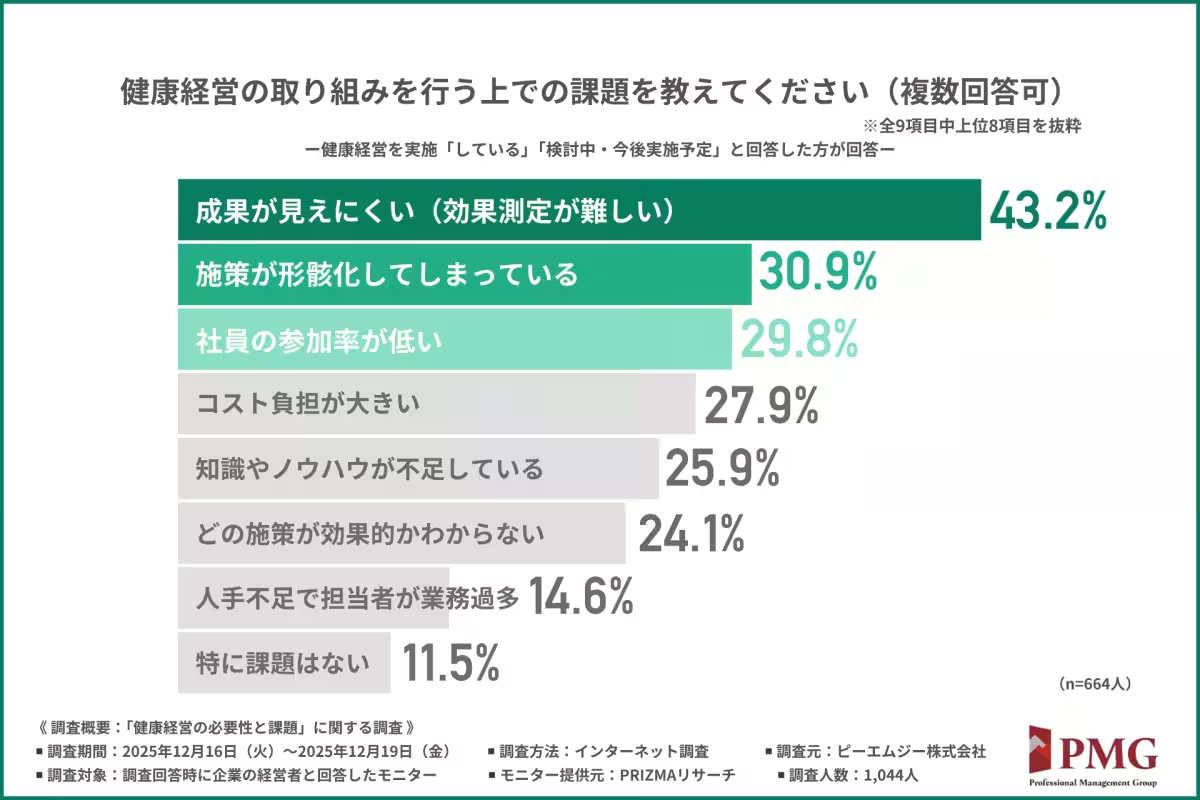
Despite the recognition of health management's importance, executives identified several challenges. The most common issue was the difficulty in measuring the effectiveness of health initiatives, with 43.2% citing this concern. Additionally, there were fears about the initiatives becoming mere formalities (30.9%) or struggling with low employee participation (29.8%).
This suggests that while top-down initiatives are important, they may not be trickling down to become part of the workplace culture. Consequently, creating a visible impact of results and ensuring employee engagement are critical.
The Growing Need for Disease Prevention
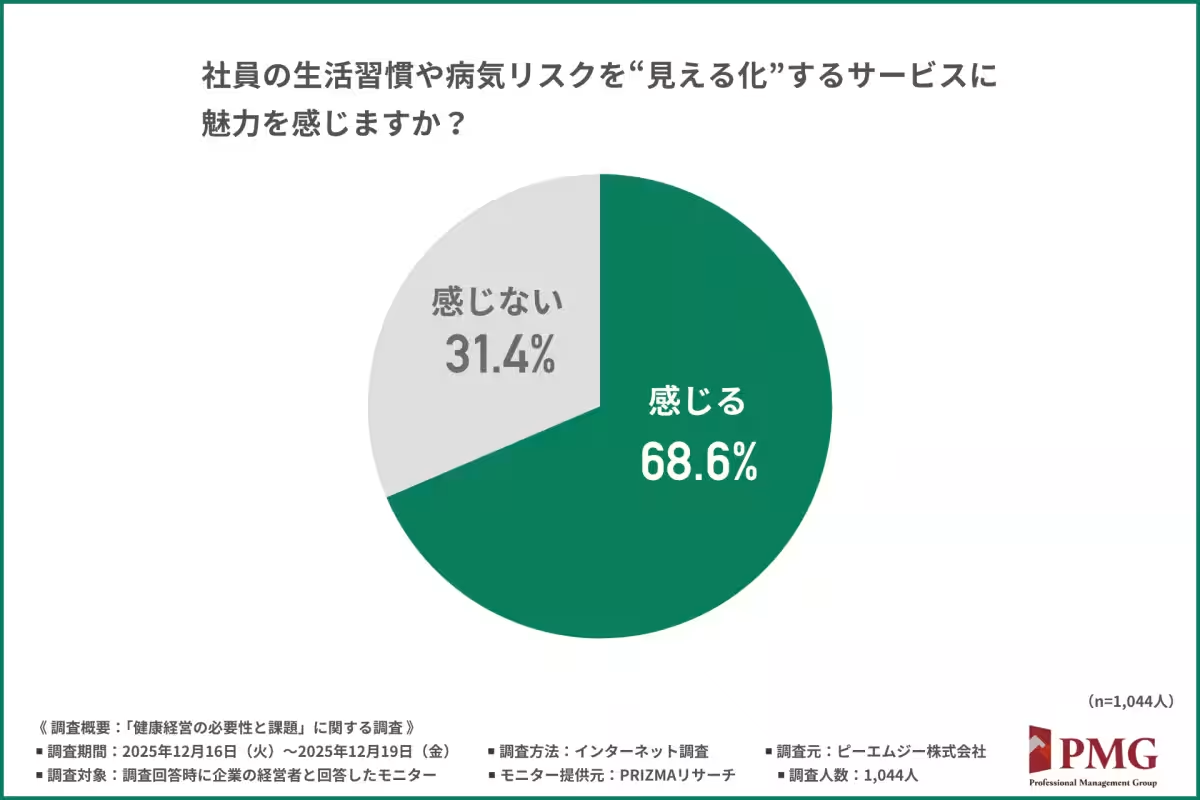
Intriguingly, about 68.6% of respondents expressed an interest in services that can visualize their employees’ health and risk factors. This demonstrates a clear shift towards preventive health management, as executives value the capacity to identify issues not typically captured during standard health screenings.
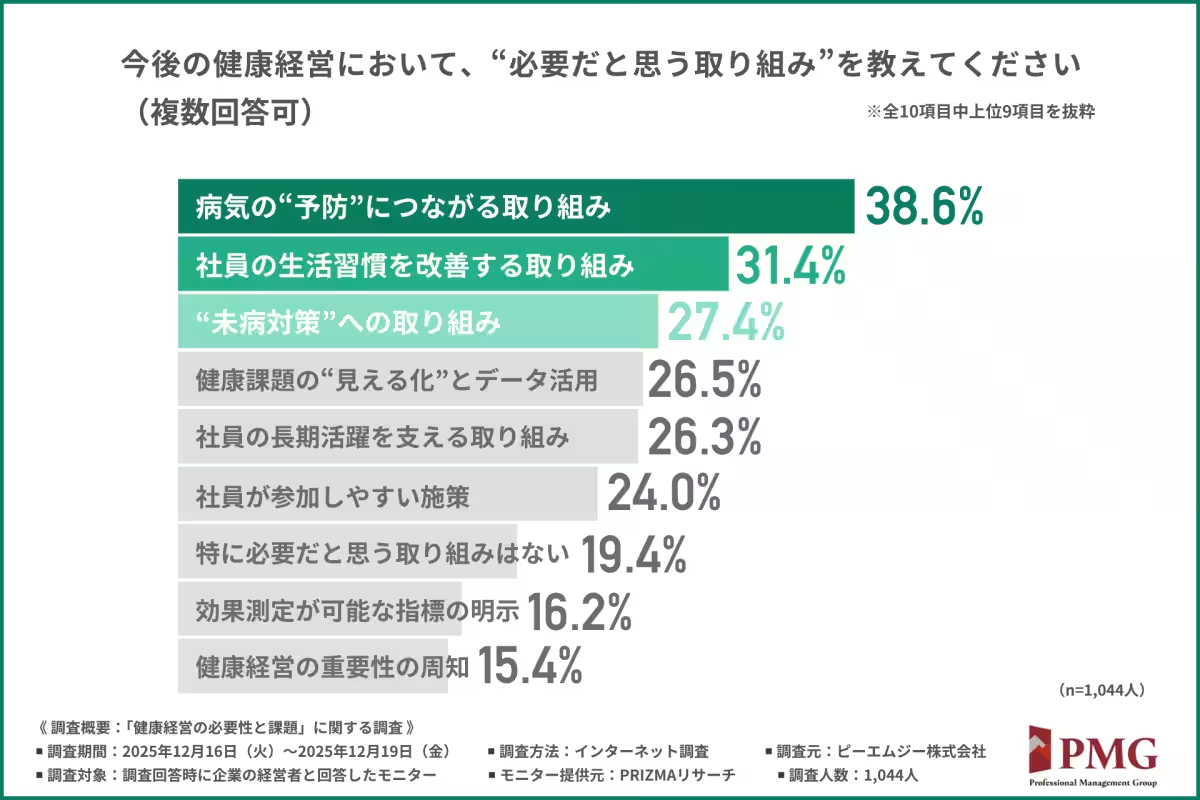
When further queried about necessary future initiatives in health management, leading responses included preventive efforts (38.6%) and programs aimed at improving lifestyle habits (31.4%). This trend underscores a collective prioritization among executives towards not just treatment but proactive health measures.
The Vision Behind 'Kencho Navi'
The increased awareness of gut health, commonly termed 'Chokatsu,' has led many individuals to realize the significant impact their gut state has on overall health—ranging from immunity to mental wellness. PMG Group recognizes that true health lies in prevention, stating, "We believe in building bodies that do not fall ill rather than waiting for sickness to occur."
The 'Kencho Navi' service stands out by enabling employees to visualize their gut health, allowing for preemptive action against potential diseases. Participants receive recommendations for foods tailored to their gut bacterial composition, thereby promoting healthier eating habits that align with decreasing disease risk.
PMG Group is dedicated to fostering a healthy work environment, ensuring employees can engage with their health proactively and thrive in their careers for the long haul.
Conclusion
The initiatives undertaken with 'Kencho Navi' and results from executive surveys highlight the critical importance of understanding and managing health risks within corporate structures. Through the visualized understanding of health risks, businesses can not only reduce employee turnover but also enhance the performance and longevity of their workforce. In doing so, PMG Group aims to support sustainable growth driven by a commitment to employee wellness.
About PMG Group
Location: Shinjuku, Tokyo, Japan
CEO: Mitsuhiro Sato
Services: Financial support, operational support, and organizational development
Website: PMG Group
For further inquiries, please contact:
PMG Group
Phone: 0120-901-680
Contact URL: PMG Contact
Topics Health)
【About Using Articles】
You can freely use the title and article content by linking to the page where the article is posted.
※ Images cannot be used.
【About Links】
Links are free to use.