



Survey Reveals Insights into Light Collaboration Services in Japan
Insights from the Light Collaboration Services Survey
On September 13 to October 9, 2023, Zero Media conducted a comprehensive survey to gather insights about light collaboration services in Japan. With a total of 120 respondents participating, this survey aimed to illuminate the benefits and user experiences associated with various light collaboration services, which are widely adopted due to their attractive pricing and bundled offers.
Survey Details
The survey was executed through internet research, managed by CrowdWorks, and specifically targeted users of light collaboration services. The findings showcased varied opinions on the benefits of services such as Docomo Hikari, SoftBank Hikari, Rakuten Hikari, and BIGLOBE Hikari.
Major Findings
Docomo Hikari
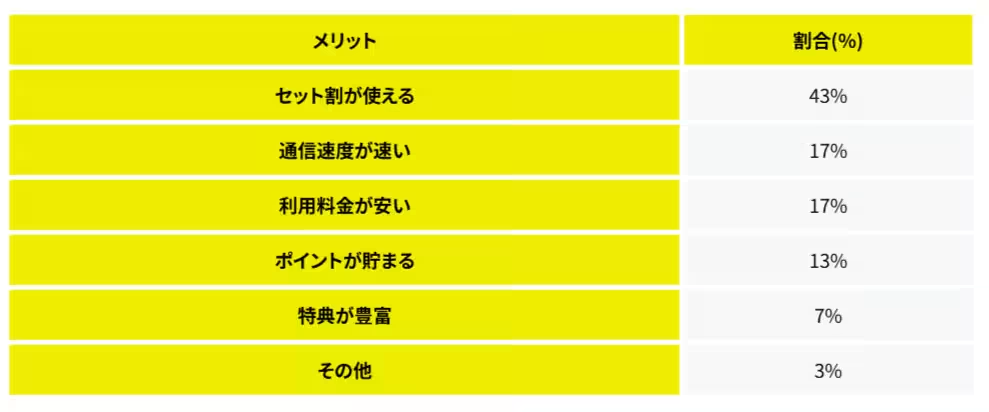
Among Docomo Hikari users, the results revealed that 43% appreciate the service for its bundled discounts, while 17% feel the advantage lies in its high-speed internet. These responses underscore the importance of both value for money and performance in user preference.
SoftBank Hikari
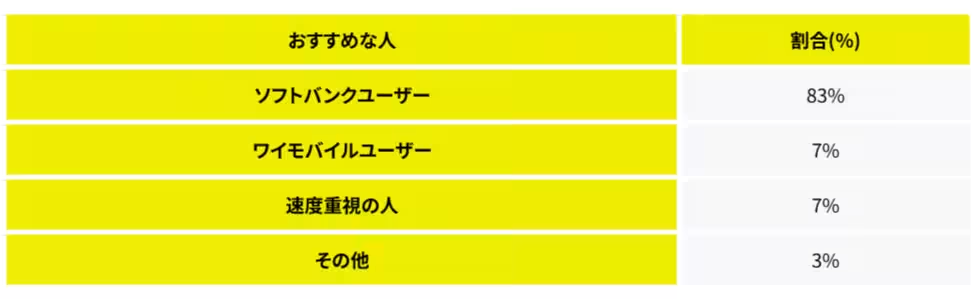
In the case of SoftBank Hikari, the survey concluded that a staggering approximately 80% of users recommend the service primarily to fellow SoftBank users. This concentrated satisfaction may signify the effectiveness of integrated services, where users find added value in associating telecom services with their internet offerings.
Rakuten Hikari
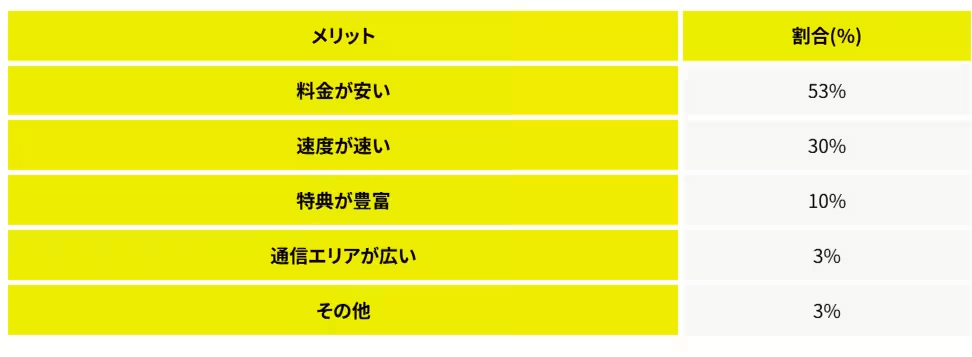
When it comes to Rakuten Hikari, the primary factors reported include affordability, with 53% highlighting lower costs as a significant advantage. Speed was second on the list, noted by 30% of respondents, followed by 10% who appreciated various customer benefits and bonuses.
BIGLOBE Hikari
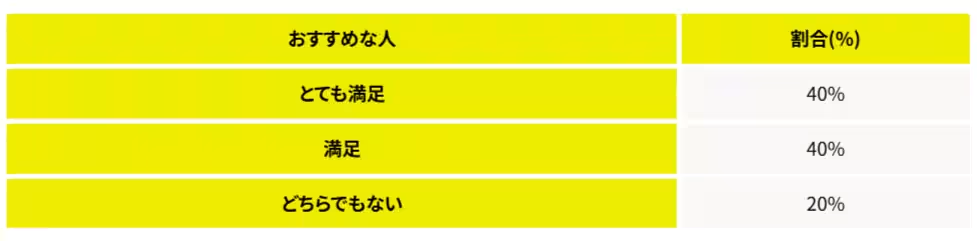
BIGLOBE Hikari users expressed high satisfaction levels, with around 80% reporting either being "very satisfied" or "satisfied" with the service. This metric is vital as it indicates a strong customer base, which could reinforce loyalty and recommendability in a competitive market.
The Importance of User Feedback
The extensive feedback collected demonstrates the need for transparency and reliability when comparing light collaboration services. In an industry often riddled with confusion regarding service plans and performance discrepancies, Zero Media's initiative to present user experiences aims to mitigate concerns prospective customers may have.
By clearly displaying survey methodologies and assessment criteria, users are informed of the reliability and fairness of the rankings given to each service. This approach not only helps prospective users make informed decisions but also builds trust in the content provided by Zero Media.
Conclusion
The survey conducted by Zero Media is a vital resource for understanding the landscape of light collaboration services in Japan. The results underline the necessity for continuous improvements in service delivery and user support to foster customer satisfaction. In an era where connectivity is paramount, and with numerous choices available, the insights gleaned from this survey will undoubtedly assist users in navigating the complexities of broadband services. For further information, it is recommended to explore in-depth articles analyzing the merits of each service in this increasingly crucial sector of consumer technology.
Topics Consumer Technology)
【About Using Articles】
You can freely use the title and article content by linking to the page where the article is posted.
※ Images cannot be used.
【About Links】
Links are free to use.