



Octa Robotics Takes Lead in International Standardization of Robot Infrastructure
Octa Robotics Leading the Charge in International Robot Infrastructure Standardization
In a significant stride for robotics, Octa Robotics has recently taken the helm in the international standardization of robot infrastructure through its leadership role within ISO/TC 299 (Robotics) and the newly formed Working Group 15 (WG 15) dedicated to infrastructure for robot applications. The inaugural meeting for this initiative was held on January 19, 2026, in Singapore. This meeting marks the beginning of the establishment of standards essential for creating a robot-friendly infrastructure.
Framework for Robot Infrastructure
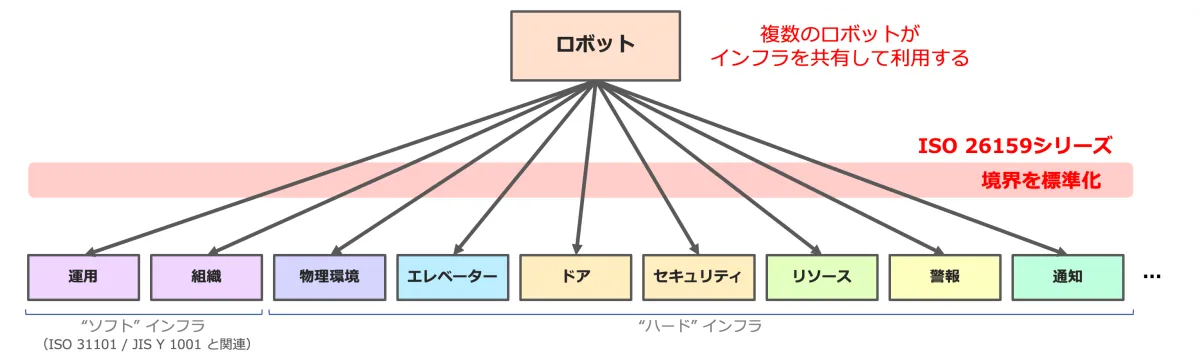
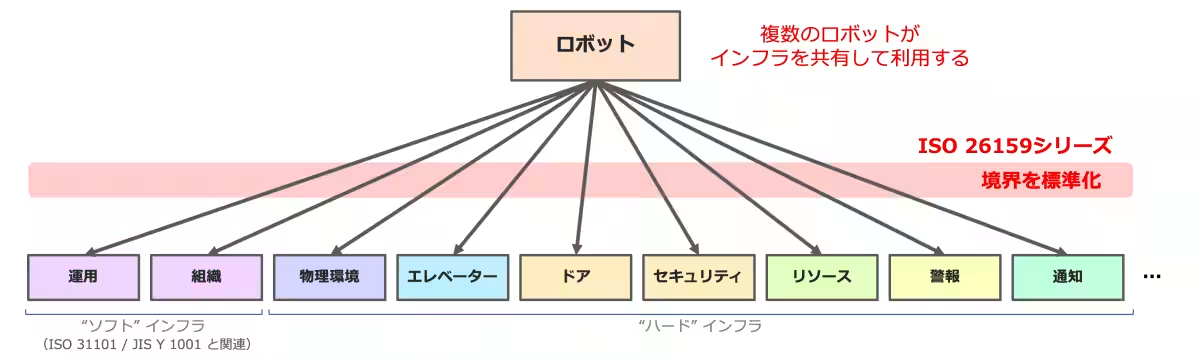
The newly initiated standardization involves the formulation of ISO 26159-1, which defines a framework for infrastructure tailored for robots, as well as ISO 26159-2, which will enhance compatibility among various national and regional standards related to elevators and automatic doors. This standardization is pivotal as it provides guidelines for creating an environment conducive to the seamless integration and interaction of robots with existing infrastructure.
Key Developments in International Standardization
The proposal for the establishment of WG 15 was brought forward by Japan and Singapore, highlighting a collaborative effort based on their prior successes in standardization and practical implementations. This proposal received approval, facilitating the appointment of Kohta Nabeshima, President of Octa Robotics, as the convenor of the WG. The first meeting set the stage for the official work on standardization.
Additionally, the leadership of the projects surrounding ISO 26159 has been structured, with Nabeshima overseeing the framework development and Lim Chui Ping from Changi General Hospital in Singapore leading the interface requirements for elevators and automatic doors.
Background of International Standardization
Japan faces a pressing societal issue as its shrinking workforce due to an aging population poses significant challenges. In response, there has been an increased focus on the implementation of service robots within various sectors. In 2020, the concept of creating a 'Robot-Friendly Environment' was introduced to promote the wider adoption of robots across the country. This concept aims to enable robots to share and utilize communal infrastructure, such as elevators and automatic doors, thus enhancing cost-effectiveness and efficiency.
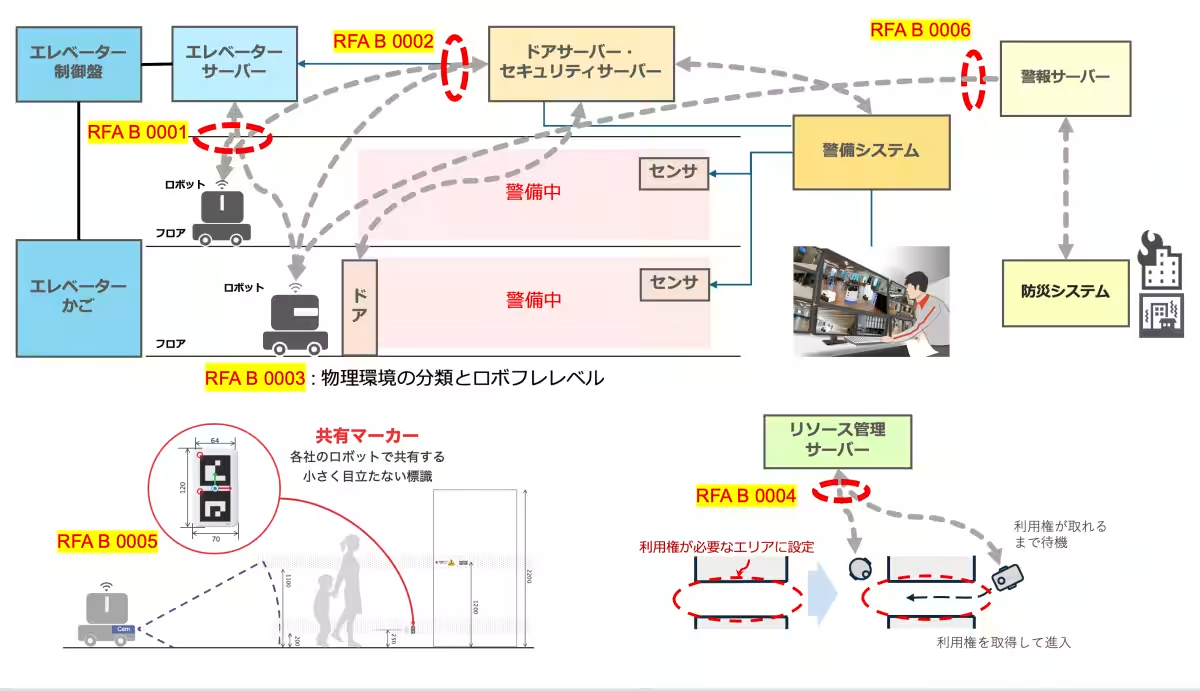
From 2020 to 2024, the Ministry of Economy, Trade and Industry (METI) initiated the Innovative Robot Research and Development Infrastructure Project, which Octa Robotics joined in 2021. The establishment of the Robot-Friendly Facility Promotion Organization (RFA) in 2022 signified a crucial step in the standardization process as it issued several consortium standards to aid robot implementation.
Overview of RFA Standards
Standards regulating the interface between robots and infrastructure such as elevators and automatic doors are being developed simultaneously in Japan and various countries, including Singapore, South Korea, and Taiwan. However, if each country continues its development independently, interoperability may suffer, potentially hampering international trade efficiency and economic viability. Notably, issues may arise in importing robot products and exporting integrated products that combine robots with existing infrastructure. Thus, establishing international standards becomes essential for ensuring compatibility and usability across borders.
Recognizing the urgent need for international standardization ahead of competitors, Octa Robotics proposed the concept to ISO/TC 299 back in 2024. Following extensive discussions with numerous countries and organizations, Japan and Singapore emerged as joint leaders to establish the new working group focused on robot infrastructure.
Future Prospects
The advancement of this international standardization will clearly delineate the requirements for both the infrastructure and the robots that utilize it. With clear responsibilities defined, horizontal division of labor will become more feasible, thereby accelerating the practical application and distribution of robots. Octa Robotics positions its LCI service as a forefront contribution to creating the ‘Robot-Friendly Infrastructure’ and aims to capture a share of the international market.
This achievement is largely supported by METI's initiative for standardization shaped by international rule-making and the creation of market-oriented standards focusing on realizing a robot-friendly environment. Information about the standards created under the RFA can be accessed through its official website.
About Octa Robotics
Octa Robotics is dedicated to making 'robots a standard part of infrastructure' by promoting inter-organizational communication and providing missing elements in the market to facilitate open innovation. Through its offering of robotic and equipment collaboration interface services, namely LCI, Octa Robotics emphasizes the importance of establishing safety protocols and developing standards, ensuring responsive approaches to research and service delivery that align with customer needs.
For further information, visit Octa Robotics or contact at [email protected].

Topics Consumer Technology)
【About Using Articles】
You can freely use the title and article content by linking to the page where the article is posted.
※ Images cannot be used.
【About Links】
Links are free to use.