



The Growing Risks Faced by Aesthetic Clinics Amid Market Saturation and Price Competition
Growing Concerns in the Aesthetic Clinic Sector Amid Market Pressures
The aesthetic medicine market has witnessed rapid expansion in recent years, owing largely to the rise of social media and increased public awareness about beauty treatments. However, this growth has recently given way to significant challenges, including escalating competition, a proliferation of clinics, rising advertisement costs, and deteriorating revenue structures. A recent survey conducted by ETANA, a consulting firm specializing in aesthetic clinics, has shed light on the prevailing sentiments among clinic executives regarding these harsh realities.
Survey Insights
The survey, which targeted executives aged 20 to 60 across the aesthetic clinic sector, revealed alarming statistics:
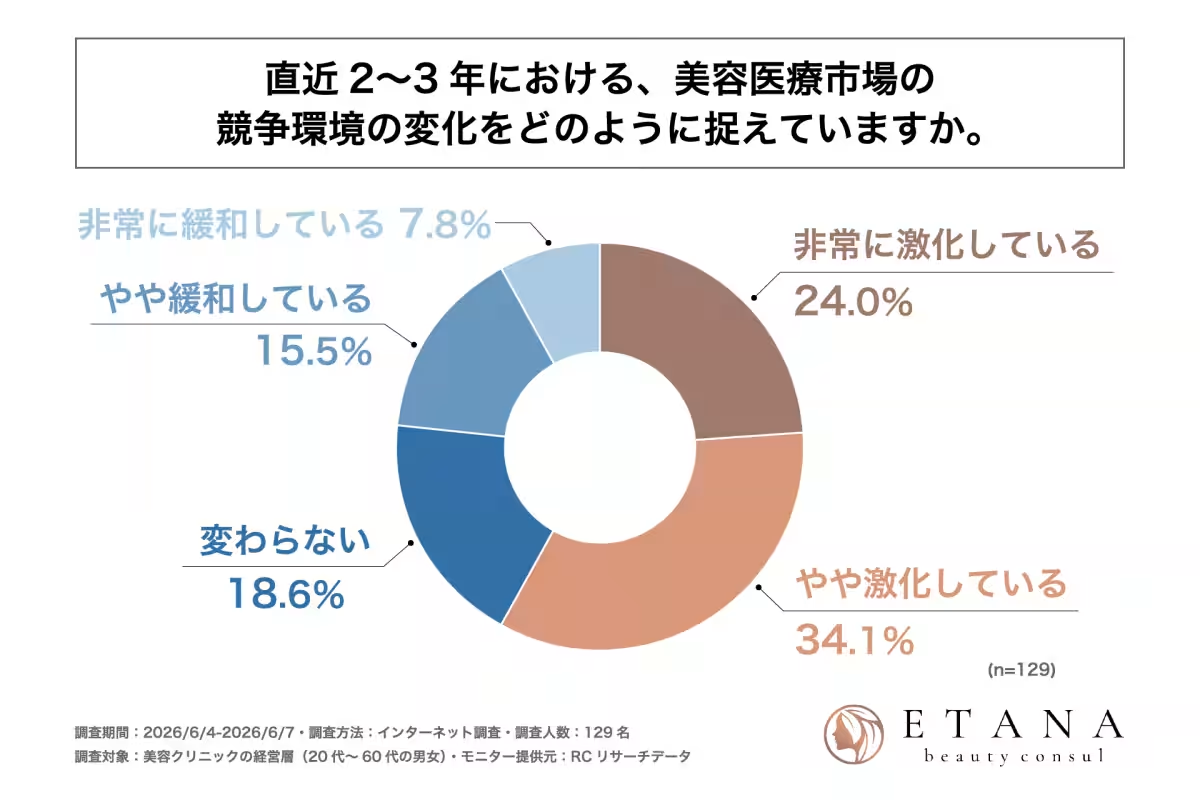
- - Approximately 60% of respondents perceive the competitive landscape of the aesthetic medicine market as having intensified over the past two to three years.
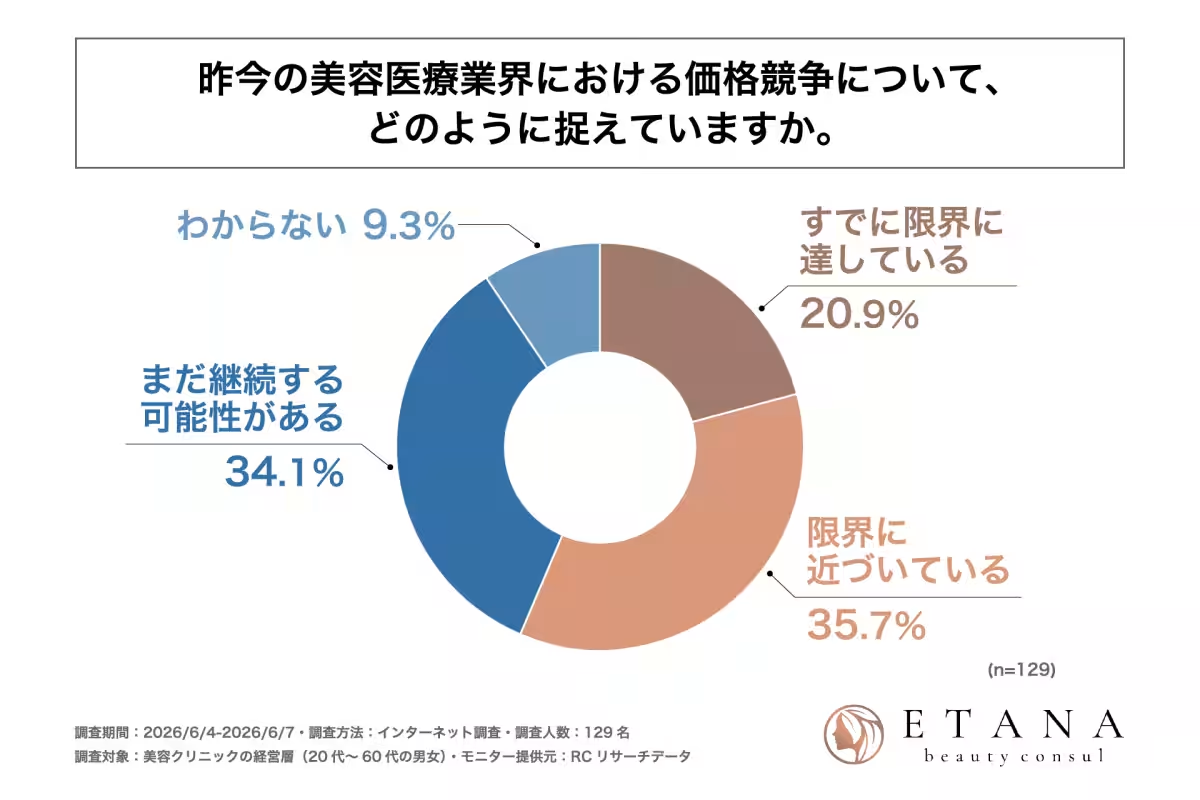
- - Nearly 60% believe the price competition in their industry has reached or is close to reaching its limit.
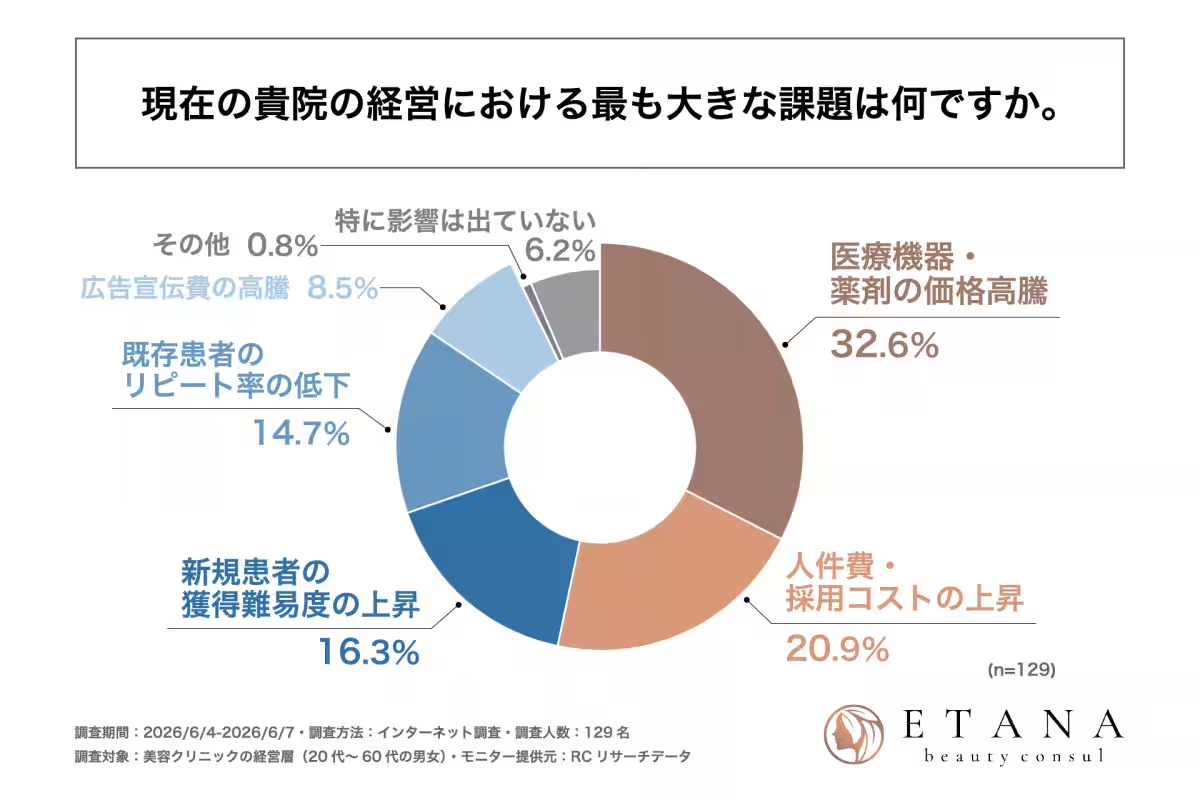
- - The most pressing issue they noted is the soaring costs of medical equipment and drugs, followed closely by increasing personnel and recruitment expenses.
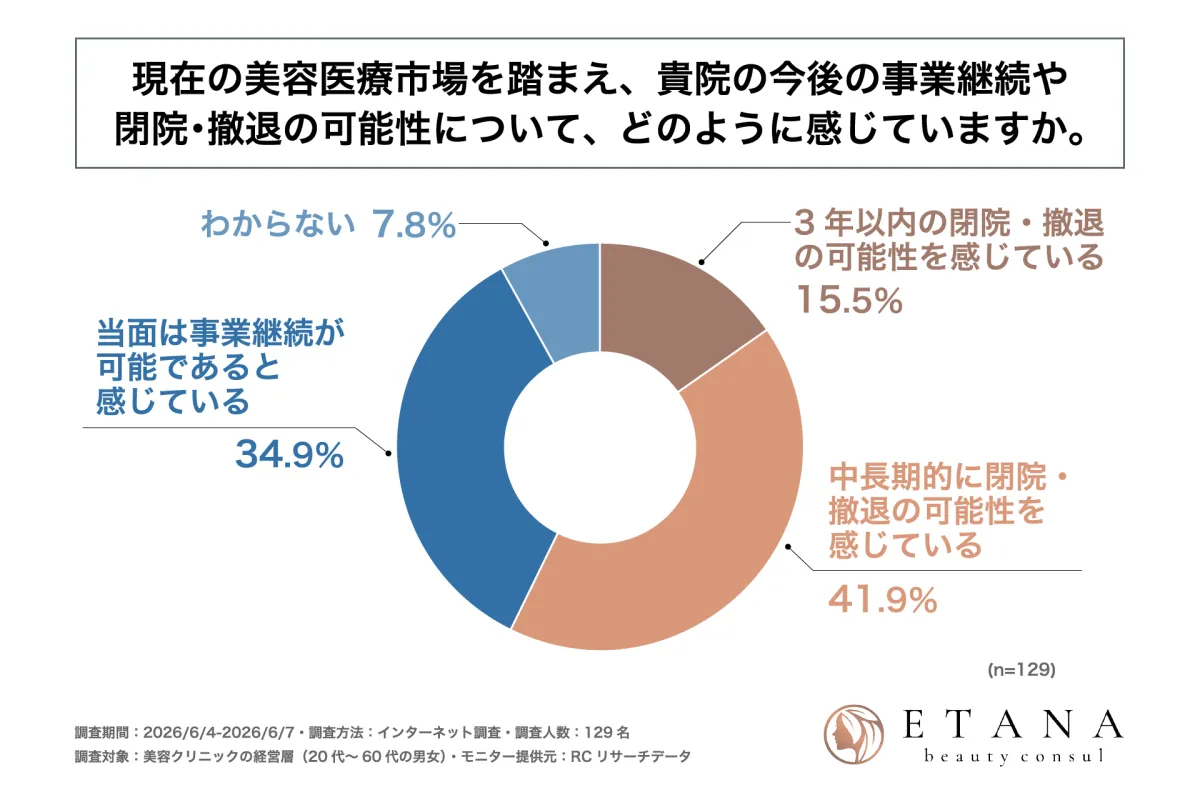
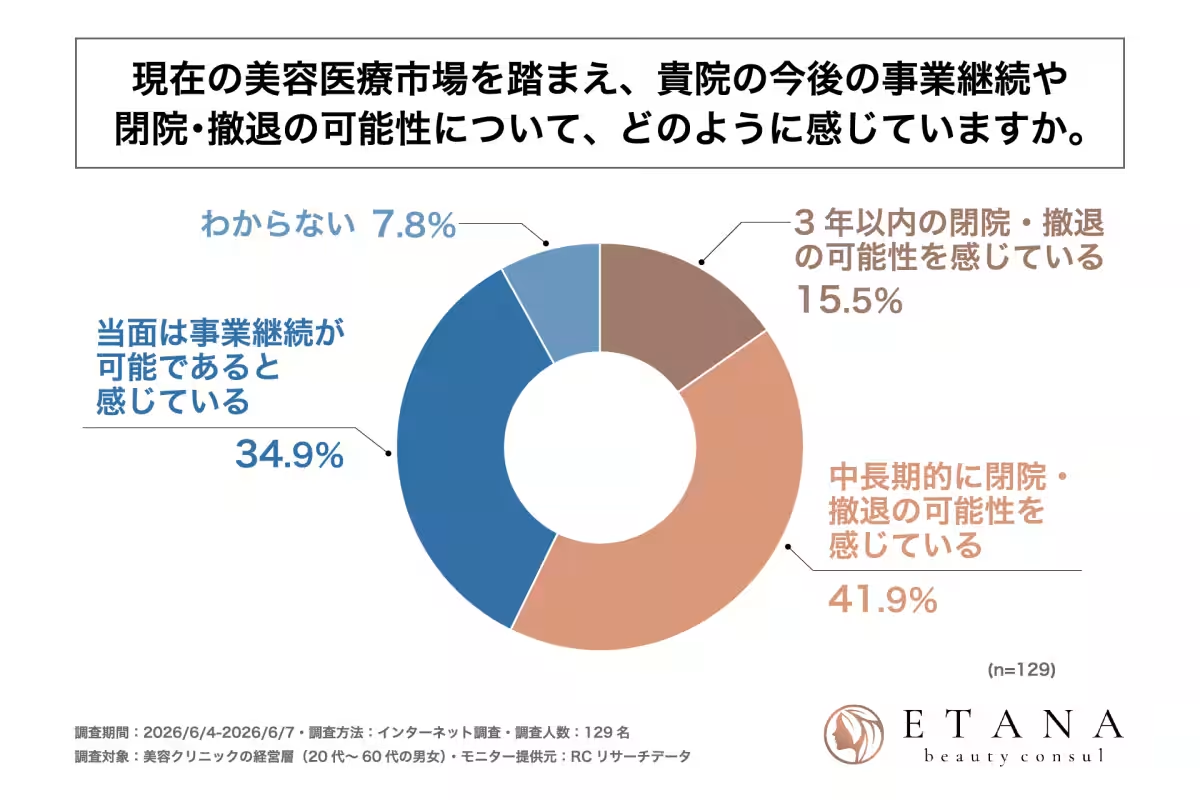
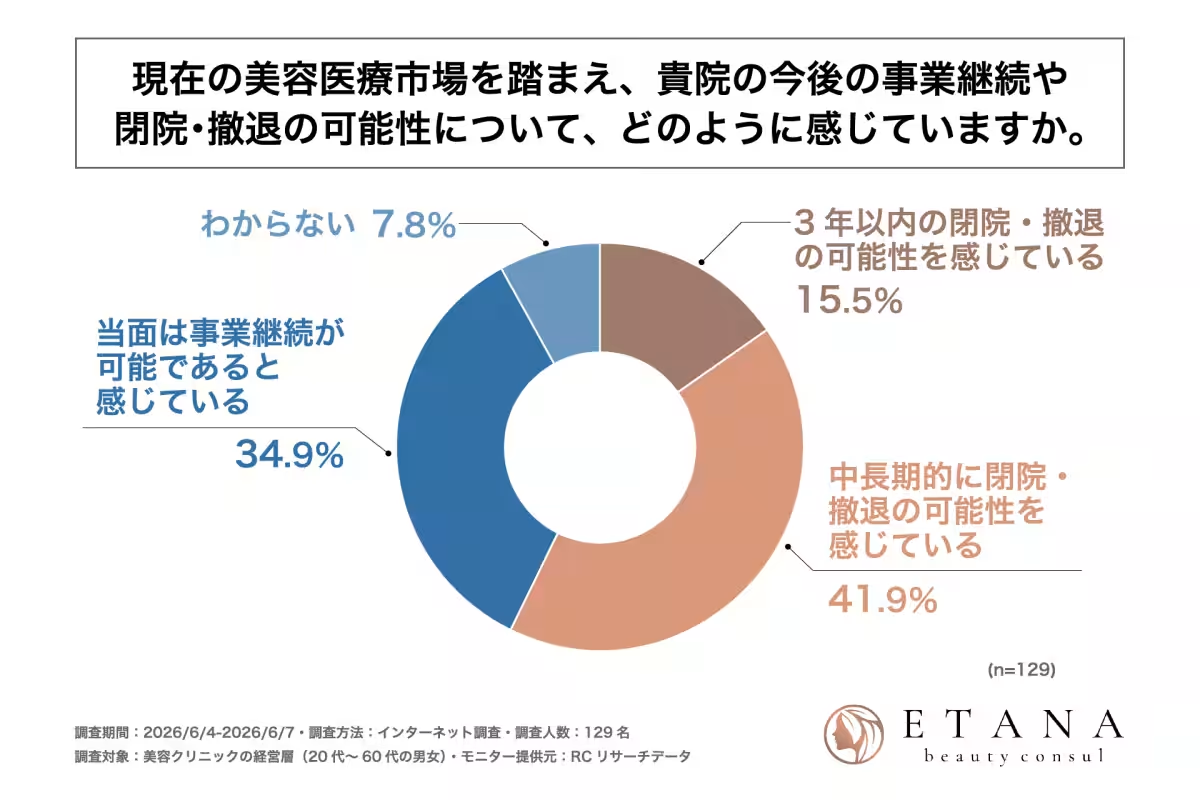
- - A significant 60% of executives express concern over the potential need to close their clinics or withdraw from the market.
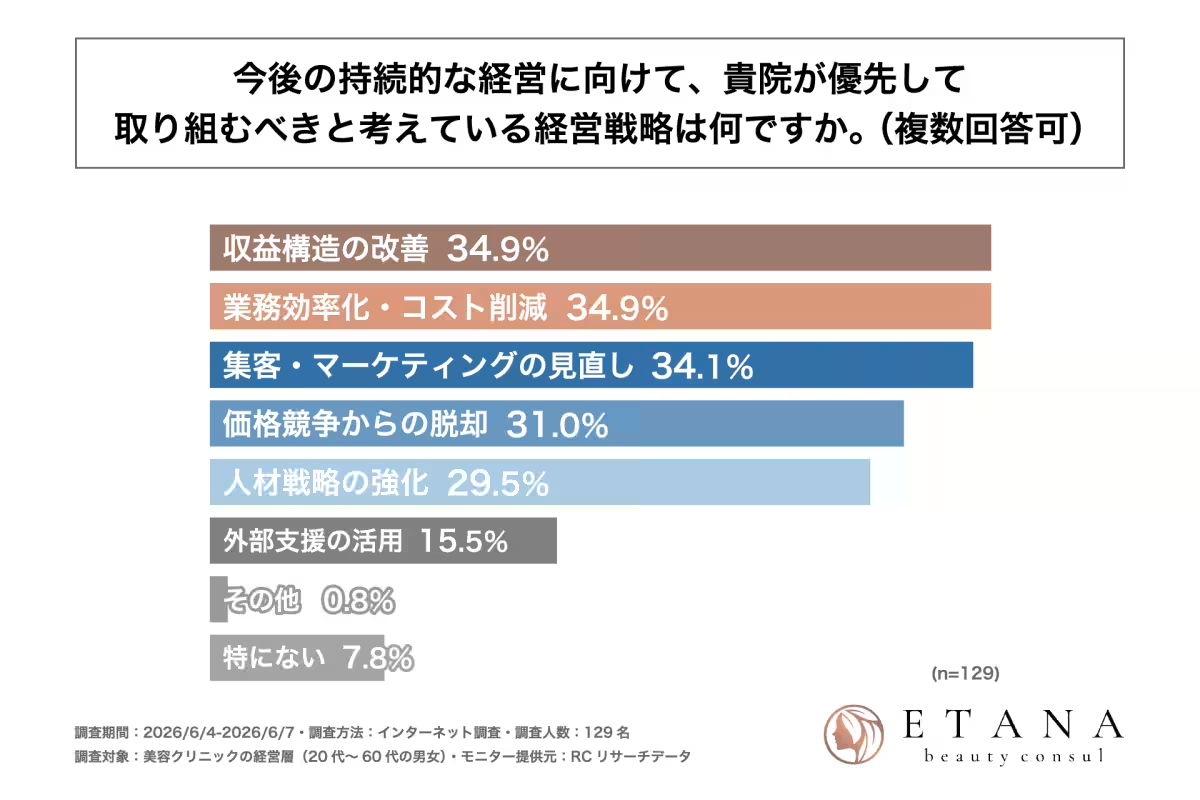
- - When asked about future strategies to ensure sustainable operations, many highlighted the improvement of revenue structures and cost-cutting measures as top priorities.
Background: The Aesthetic Medicine Bubble
The aesthetic medicine sector has long been thought of as a glamorous and lucrative field. However, this perception has begun to clash with reality. Analysts note that the rapid influx of clinics has resulted in heightened competition that threatens the stability of existing practices. The environment has shifted from one of abundance to one more reflective of survival; clinics are grappling with diminishing margins as patient acquisition costs rise.
Competitive Pressures
When surveyed about the changes in market competition over the last few years, 34.1% of executives indicated that the market has somewhat intensified, while 24% labeled the situation as very intense. Combined, these responses reveal that an overwhelming majority of executives are indeed feeling the competitive crunch.
Moreover, when delving into the price competition landscape, responses indicated that a majority view the current pricing wars as unsustainable. Specifically, 35.7% indicated we are nearing the limit of price competition, with an additional 20.9% stating we have already reached this limit.
Key Challenges in Operations
Furthermore, the survey highlighted significant operational challenges. The top concern remains the rising costs of medical equipment and drugs, affecting 32.6% of respondents. This was followed by 20.9% citing the rising costs of labor and recruitment as their main hurdle. These financial strains contribute directly to the anxiety over potential clinic closures, with 41.9% believing there is a medium to long-term risk of shutdown.
Strategic Priorities for Sustainability
Moving forward, the executives expressed clarity on the strategic initiatives that require urgent attention. The foremost priority lies in enhancing revenue structures and improving operational efficiencies, with both areas garnering equal importance at 34.9%. Others emphasized the need for revisiting marketing strategies as a third priority (34.1%).
Conclusion
This survey paints a dire picture of the state of aesthetic clinics amidst a turbulent market. With escalating competition and costs, nearly 60% of executives fear for the viability of their operations. These statistics underscore the urgency for clinics to adapt their strategies. ETANA acknowledges these challenges and offers specialized consulting services to aid clinics in navigating this landscape. Through their comprehensive support, including marketing refinements and financial management, ETANA believes clinics can overcome these pressing issues and thrive in the evolving aesthetic medicine market.
The implications of this survey are profound, reflecting the need for clinic executives to rethink their strategies and operational models in a rapidly shifting sector. The landscape of aesthetic medicine may be transforming, but so too can the approaches to navigate its challenges.



Topics Health)
【About Using Articles】
You can freely use the title and article content by linking to the page where the article is posted.
※ Images cannot be used.
【About Links】
Links are free to use.