



Applications Now Open for Ota City's Startup Initiative to Tackle Administrative Challenges
Applications Now Open for Ota City's Startup Initiative
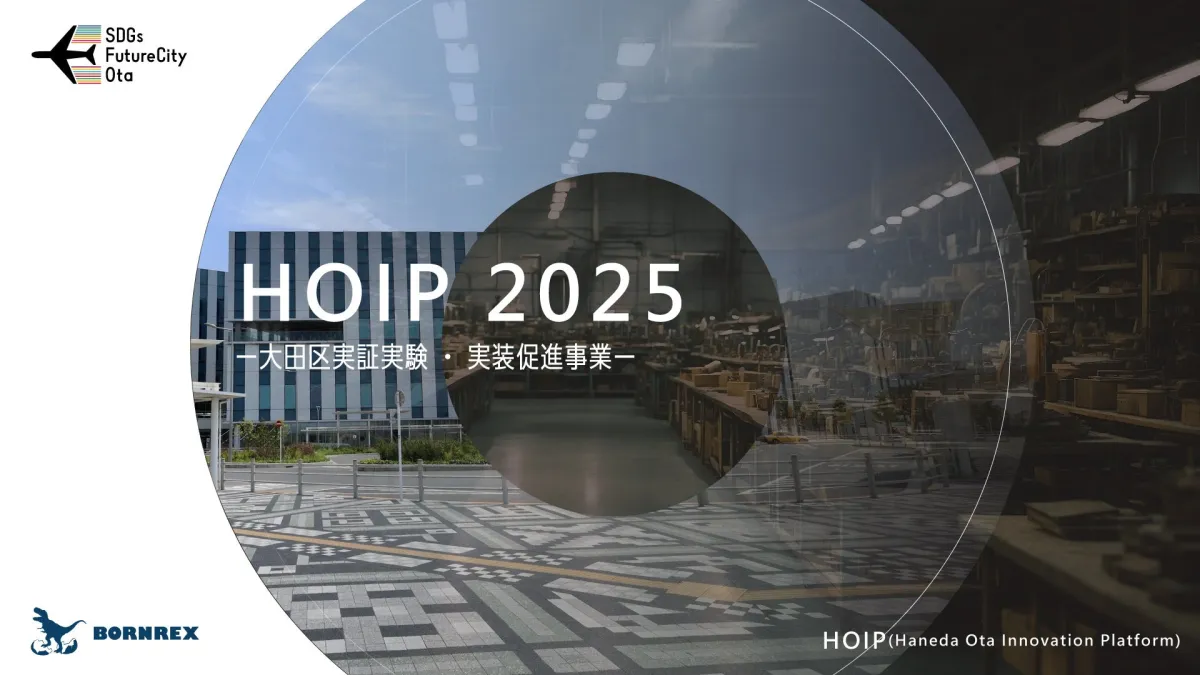
Ota City, located in Tokyo, has officially opened applications for the second phase of its Innovation Implementation Support Project (HOIP), with proposals due by June 2. This initiative is designed to engage startups in tackling the city's pressing administrative challenges, thereby enhancing the quality of life for its residents.
The HOIP aims to foster collaboration between startups and local government, driving innovative solutions for social issues faced by the community. In its first phase, numerous successful pilot projects were launched, yielding valuable insights and practical applications.
In this new phase, Ota City introduces a designated proposal category alongside the traditional free proposal category. This addition allows startups to offer concrete solutions to specific challenges identified by the government, thus ensuring greater applicability and effectiveness of the innovations proposed. Ota City envisions a strengthened partnership where startups can test and implement their solutions directly within the city's operational frameworks.
Vision and Goals of HOIP
Ota City has been recognized as an SDGs Future City by the Cabinet Office, reflecting its commitment to advancing sustainable development goals. The initiative aims to position Haneda Innovation City as a hub for open innovation, helping to birth new industries while addressing critical social issues. With its grand opening in November 2023, Haneda Innovation City serves as a testing ground for various smart city projects, including autonomous bus services and live demonstrations of cutting-edge technologies.
The HOIP focuses on illuminating the pathway towards improved quality of life for residents and aligning with the United Nations' sustainable development goals. It extends support to startups equipped with advanced technologies or solutions relevant to local needs, ensuring comprehensive support for social implementations. The project encompasses more than mere trials; it seeks long-term partnerships and holistic growth strategies aimed at meaningful progress.
By enhancing local solutions to existing challenges, Ota City aims to realize its vision as an innovation model city. This endeavor not only addresses local issues but also sets the stage for future regional collaborations, connecting various stakeholders in a vibrant ecosystem.
Context: The Challenges Facing Ota City
Ota City is often referred to as a microcosm of Tokyo, rich in manufacturing prowess with a robust base of small to medium-sized enterprises. This locale, a leader in industrial production and output, is crucial to Japan's economic landscape. However, it faces significant challenges such as an aging workforce, a shortage of successors in family businesses, and a pressing need for improvements in the childcare and education sectors. Additionally, with a high CO2 emission rate, Ota is under pressure to enhance its strategies for a carbon-neutral future.
The city has relentlessly pursued initiatives to address the SDGs. It has been selected not just for its innovative measures as an SDGs Future City, but also recognized for its Model Local Government SDGs Projects as it promotes new industry creation centered around Haneda Innovation City. Efforts such as leveraging digital tools to support startups and promoting carbon-neutral practices are pivotal to Ota City's sustainable growth.
Proposed Innovation Categories
This year’s application process includes two types of proposal categories to maximize engagement:
1. Free Proposal Type: Startups can propose innovative solutions based on their unique offerings that can address Ota City's specific community challenges. Proposals that demonstrate feasibility for trial within the city are highly encouraged.
2. Designated Proposal Type: New this year, this category addresses specific challenges faced by Ota City. Proposals must provide actionable solutions through collaborative efforts between the startups and local governmental entities, aimed at fast-tracking practical implementations.
Some of the highlighted challenges include:
- - DX Optimization: Improving the efficiency of inquiry responses related to city services by integrating digital transformation methods.
- - Skill Inheritance Strategies: Addressing the impending loss of specialized skills due to workforce aging.
- - Supporting Carbon Neutrality: Promoting awareness and initiatives among local businesses about achieving carbon neutrality.
- - Business Continuity Plans (BCP): Implementing strategies to mitigate risks associated with aging production equipment.
- - New Visitor Attraction Methods: Fostering tourism through enhanced outreach to airport users, encouraging them to explore local amenities.
- - Automation Management: Proposals that innovate maintenance and inspection practices through automation.
- - Deterioration Prediction and Diagnosis: Utilizing AI for predictive maintenance and inspection data collection.
Looking Ahead: Support for Selected Projects
Ota City intends to provide comprehensive support for successful proposals, including up to 1 million yen in funding for pilot projects, coordination with local testing locations, and media promotion throughout the project duration. The application process commenced on May 1 and will close on June 2, with results from preliminary screenings expected by mid-August.
This initiative underscores Ota City's commitment to fostering innovation and solving community issues in collaboration with startups. Through this program, Ota City aims to solidify its position as a leader in innovation and sustainability in Japan. For more information, visit the HOIP special website.

Topics Other)
【About Using Articles】
You can freely use the title and article content by linking to the page where the article is posted.
※ Images cannot be used.
【About Links】
Links are free to use.