



New Discovery Unveils Role of Sulfur in Archaeal RNA Linked to High-Temperature Resistance
Discovery of Sulfur Modifications in Archaeal RNA
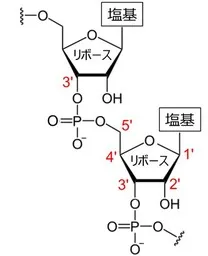
A groundbreaking study has unveiled the presence of sulfur-containing modifications specifically in the RNA of archaea, microorganisms thriving in extreme temperatures. This discovery sheds light on how these unique structural features contribute to the survival and functionality of archaeal ribosomal RNA (rRNA) and transfer RNA (tRNA).
Key Findings
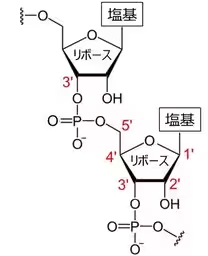
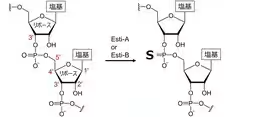
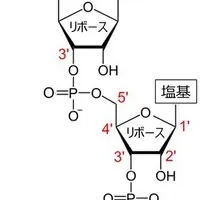
The research highlights the existence of phosphorothioate modifications, which are characterized by sulfur atoms added to the phosphate linkers of rRNA and tRNA. The research team, led by Dr. Yuko Nobe and Associate Professor Mago Taoka from Tokyo Metropolitan University, also delved into the enzymatic processes that facilitate these modifications, providing insight into their molecular mechanisms.
Their findings suggest that these phosphorothioate modifications play a crucial role in enhancing the resilience of archaea in high-temperature environments. Previous studies had hinted at similar modifications in RNA, but none had successfully identified them in natural sources until now.
Additionally, the study demonstrated that the extent of these modifications varies according to the sulfur availability in the archaea's environment, pointing towards a direct relationship between external factors and RNA stability.
Research Collaboration
This ambitious project was a collaborative effort, involving various renowned institutions globally, including Weizmann Institute (Israel), Colorado State University (USA), and several others. The interdisciplinary approach not only enhances scientific understanding but also raises expectations for future research in RNA functionalities.
Enzymatic Mechanisms Explored
Through evolutionary similarity, researchers have identified two novel enzymes, Esti-A and Esti-B, that carry out the phosphorothioate modification process. These enzymes are essential; without them, the archaea either fail to survive or exhibit significantly impaired growth in high-temperature conditions. This critical link underscores the importance of these modifications in maintaining cellular stability and function in extremophiles.
Implications for RNA Medicine
The implications of this research extend beyond basic science. Phosphorothioate modifications have been widely utilized in synthetic RNA medicines to enhance their stability and efficacy within the human body. The insight gained from this study could lead to advancements in the design of RNA therapeutics—aiming for more effective delivery systems through the informed synthesis of desired structural configurations.
The Foundation for Future Research
This work forms a foundation for further investigations into how these natural sulfur modifications function within living organisms. It could also catalyze developments in therapeutic strategies, thus paving the way for innovative solutions in treating various diseases. Additionally, the research emphasizes the need for exploring other potential modifications in RNA and their biological significance.
Conclusion
The discovery of sulfur-modified RNA linkers in archaea not only challenges previous assertions about RNA's structural capabilities but also highlights the evolutionary advantages these modifications confer. As the field of RNA biology continues to evolve, studies like these will prove crucial in harnessing RNA's therapeutic potential.
References
The findings will be published in Cell on September 18, 2026, marking a significant advancement in our understanding of RNA modifications in extremophiles. The research is also supported by grants from the Japan Society for the Promotion of Science (JSPS), reinforcing the importance of institutional backing in scientific discovery.
Topics Health)

【About Using Articles】
You can freely use the title and article content by linking to the page where the article is posted.
※ Images cannot be used.
【About Links】
Links are free to use.