




Understanding the Challenges of Finding Housing for Transferees in Japan
The Challenge of Finding Housing for Transferees
As companies frequently undergo personnel relocations, many employees face the daunting task of finding a new place to live. A recent survey conducted by the real estate information service, LIFULL HOME'S, surveyed 1,009 individuals who had relocated within the last five years due to job changes. The results highlight the unique challenges faced by transferees, particularly in the busy months of September and October, known as the "second peak" for housing searches in Japan.
The Second Peak of Housing Searches in September and October
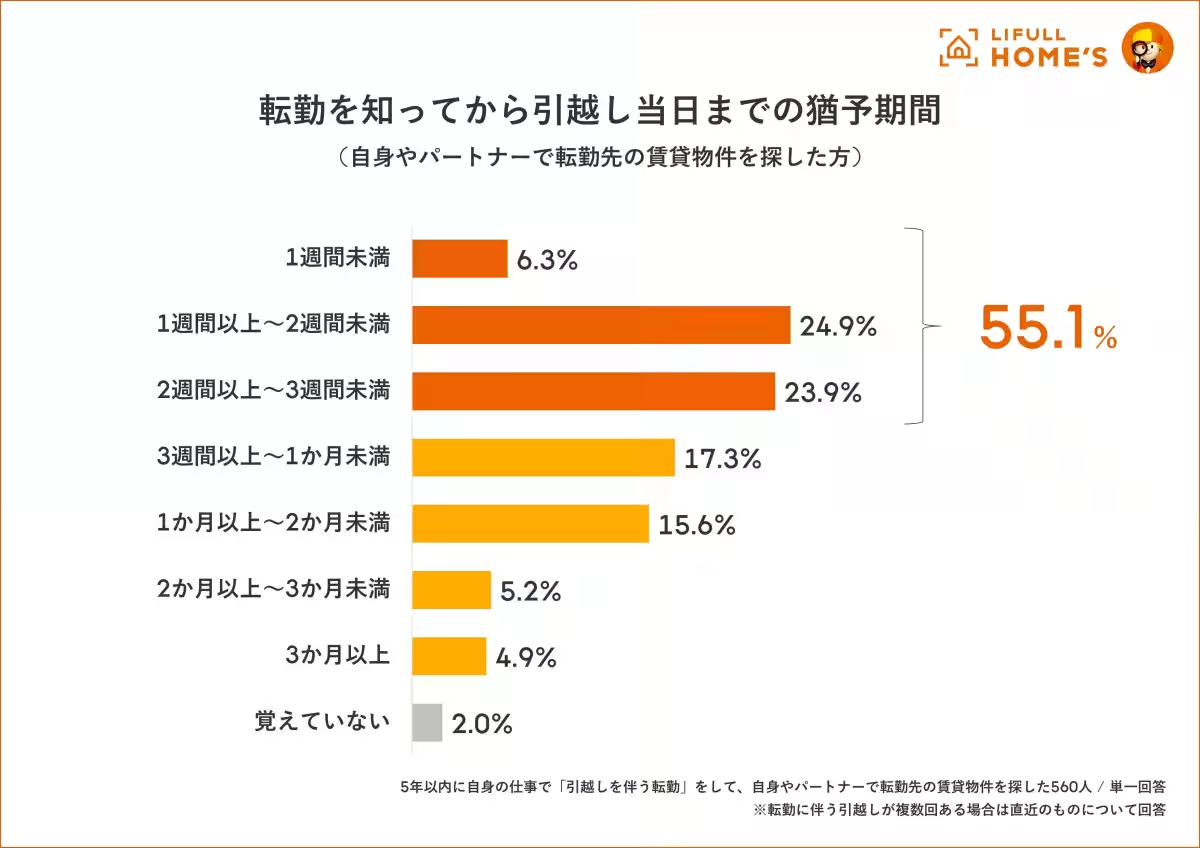
September and October present a hustle in the real estate market as many companies transfer their employees during this period. According to the survey, over half of those looking for rental properties reported having less than three weeks before their move. This tight timeline adds an extra layer of stress as transferees try to secure suitable housing.
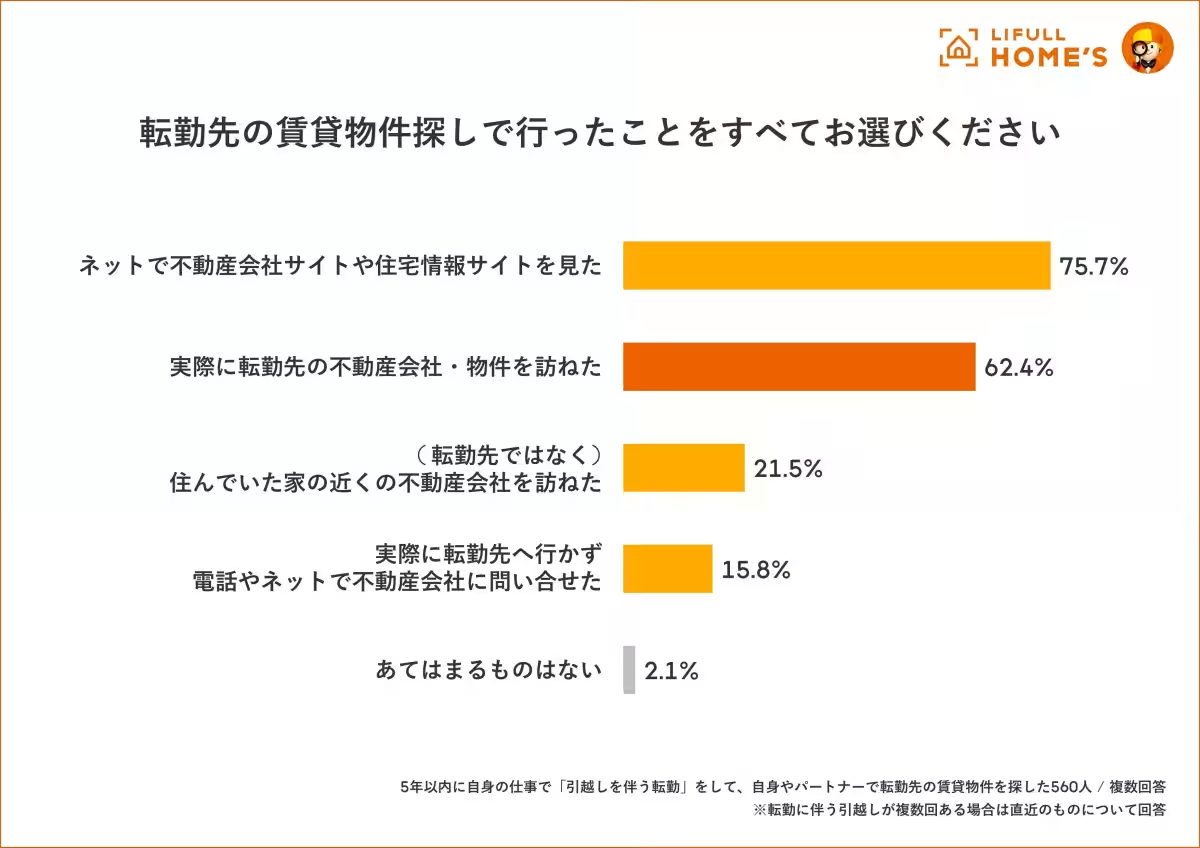
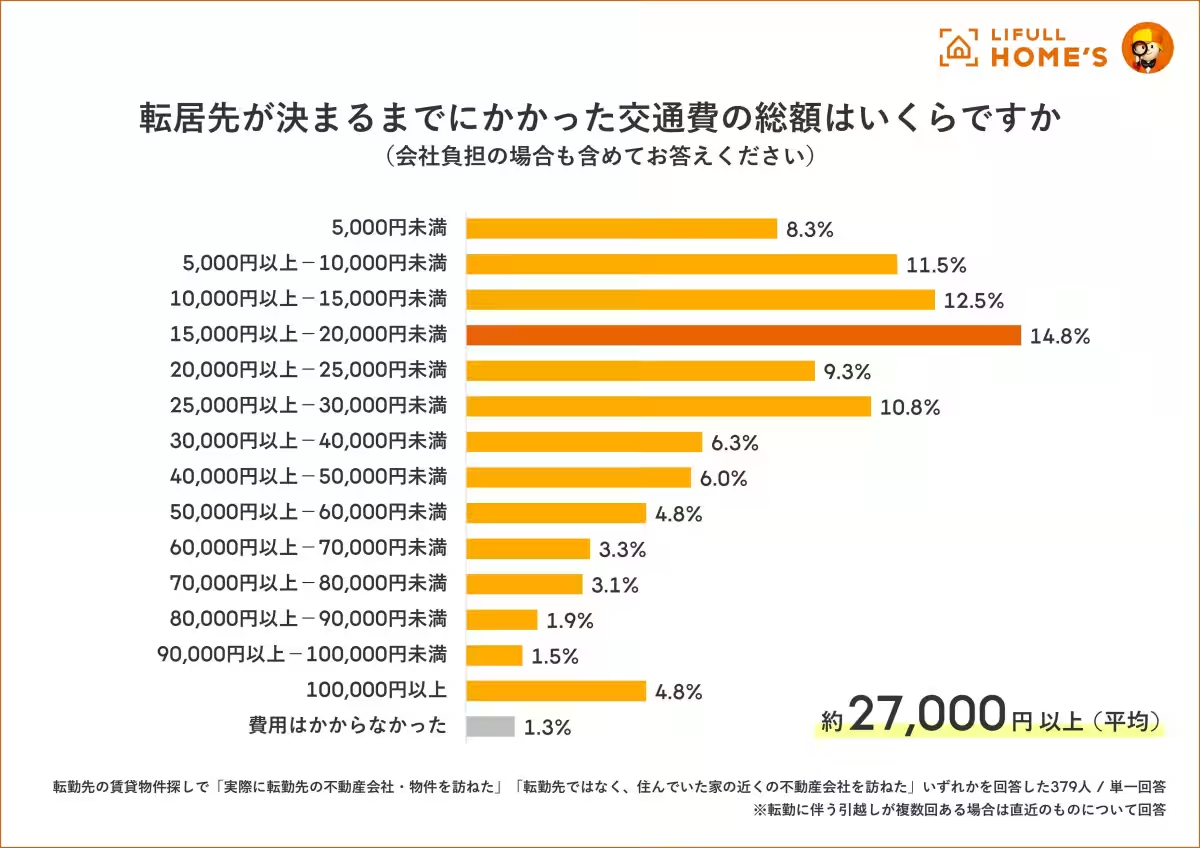
In this rush, 62.4% of respondents visited the actual properties they were considering, showcasing a strong desire to assess both the housing options and the surrounding neighborhoods. However, this comes at a cost; the average transportation expense incurred by these individuals was approximately ¥27,000, revealing the potential financial burden associated with housing searches amid a time crunch.
Facing the Dangers of "Bait Properties"
One significant challenge faced by these individuals is the risk of encountering "bait properties"—listings that falsely advertise available units that are no longer on the market. With many transferees operating on tight schedules, falling victim to these listings can waste both time and money. Therefore, LIFULL HOME'S emphasizes the need for caution when searching for homes, as the repercussions of engaging with these misleading ads can be severe.
The survey also found that the typical person had between one and two weeks of leeway after being informed of their transfer until their moving day, with a notable 24.9% falling into the category of having 1-2 weeks to find a new home.
Current Trends in Housing Searches
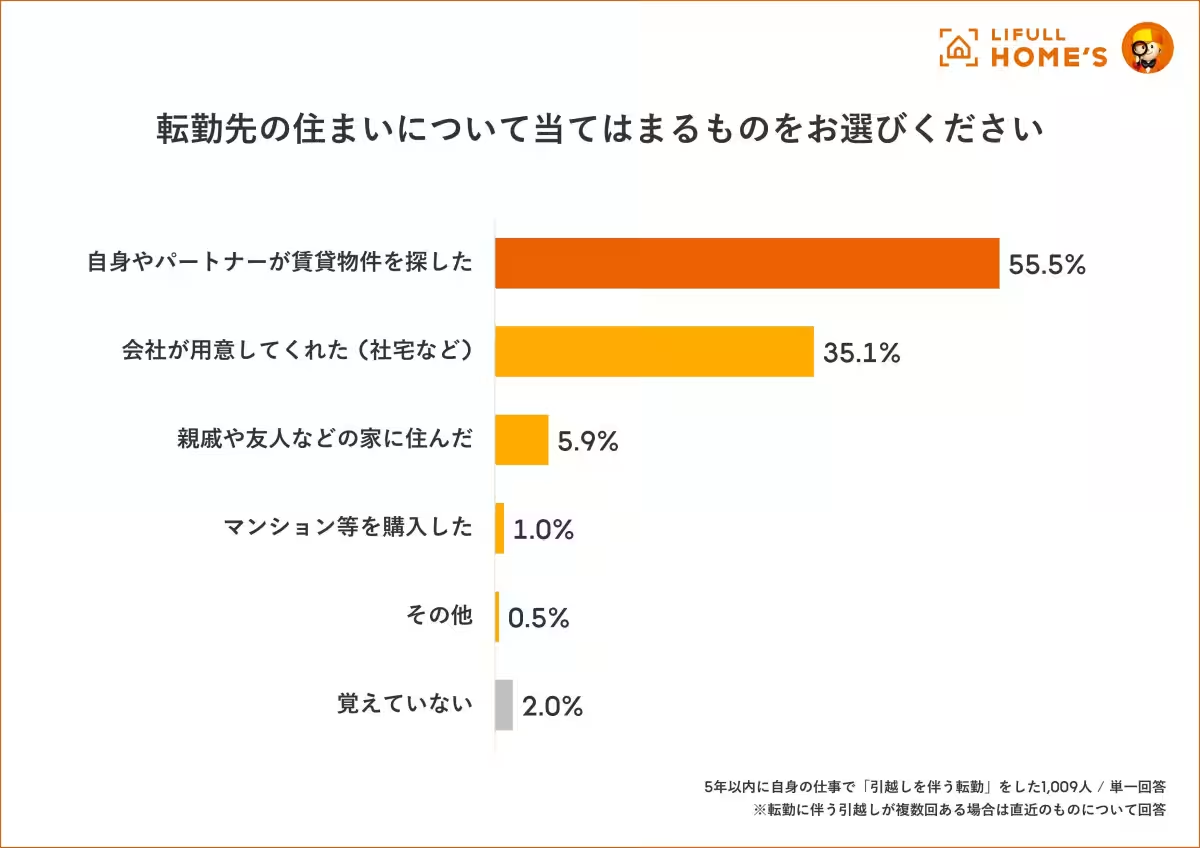
When exploring how transferees approached their house-hunting process, 55.5% indicated that either they or their partners conducted online searches for rental properties. Meanwhile, 35.1% reported that their company had provided housing options, such as company-owned apartments. This suggests that many employees end up balancing their professional responsibilities with the stressful process of finding new accommodations during a significant life transition.
For those visiting local real estate offices, 14.8% found themselves spending between ¥15,000 and ¥20,000 on transportation. The reported average expense of ¥27,000 underscores the financial implications of the housing search process during a short transition period.
Recommendations and Future Strategies
Yuuko Miyasako, head of property information accuracy at LIFULL HOME'S, expressed her understanding of the challenges faced by transferees. She stated, "Finding housing while preparing for a new life in an unfamiliar area creates anxiety and burden for those involved. The necessity to travel often leads to high costs that add to their stress, especially when they encounter bait properties."
To mitigate these issues, LIFULL HOME'S is focused on providing accurate property listings through various initiatives, including partnerships with real estate management companies and the application of AI technology to detect and automatically remove bait listings. Their commitment to being recognized as the real estate portal with the highest property freshness reflects their dedication to improving the housing search experience for consumers.
Understanding "Bait Properties"
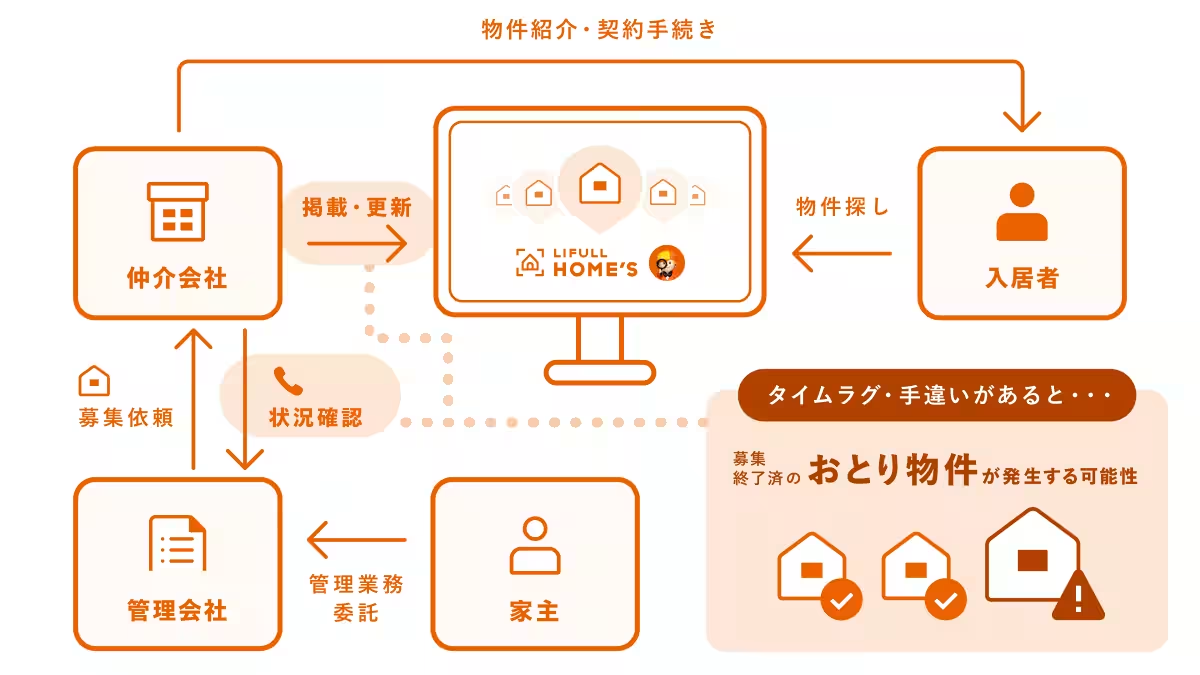
The phenomenon of bait properties is primarily attributed to the inability to promptly remove listings of already-leased properties. Numerous stakeholders in the real estate sector, including management and brokerage companies, often experience lags due to outdated systems or manual processes, leading to miscommunication and inaccuracies in property availability.
Approximately 90% of real estate companies acknowledge bait properties as a significant issue; however, limited human resources and outdated processes pose a persistent obstacle to addressing this challenge. Coordination across the entire industry, including management firms, brokers, and digital platforms, is crucial to tackle this persistent issue effectively.
LIFULL HOME'S aims to enhance the property search experience and provide peace of mind to those seeking housing by focusing on maintaining high property availability rates and transparency in their listings. Their mission reflects a broader commitment to ensuring consumers can navigate the turbulent waters of relocation with confidence and reassurance.
Conclusion
As housing searches become increasingly complex amid the demands of corporate transfers, resources such as LIFULL HOME'S play a vital role in assisting individuals in finding suitable accommodations. By understanding the unique challenges presented during this crucial phase, they aim to alleviate some of the burdens by providing trustworthy information and support.
With their ongoing innovations in the real estate sector, LIFULL HOME'S is committed to ensuring that the concerns surrounding bait properties and housing searches can be mitigated, allowing transferees more time to settle comfortably into their new environments.



Topics Consumer Products & Retail)
【About Using Articles】
You can freely use the title and article content by linking to the page where the article is posted.
※ Images cannot be used.
【About Links】
Links are free to use.