



The Rising Popularity of Decaffeinated Beverages Among Japanese Consumers
Introduction
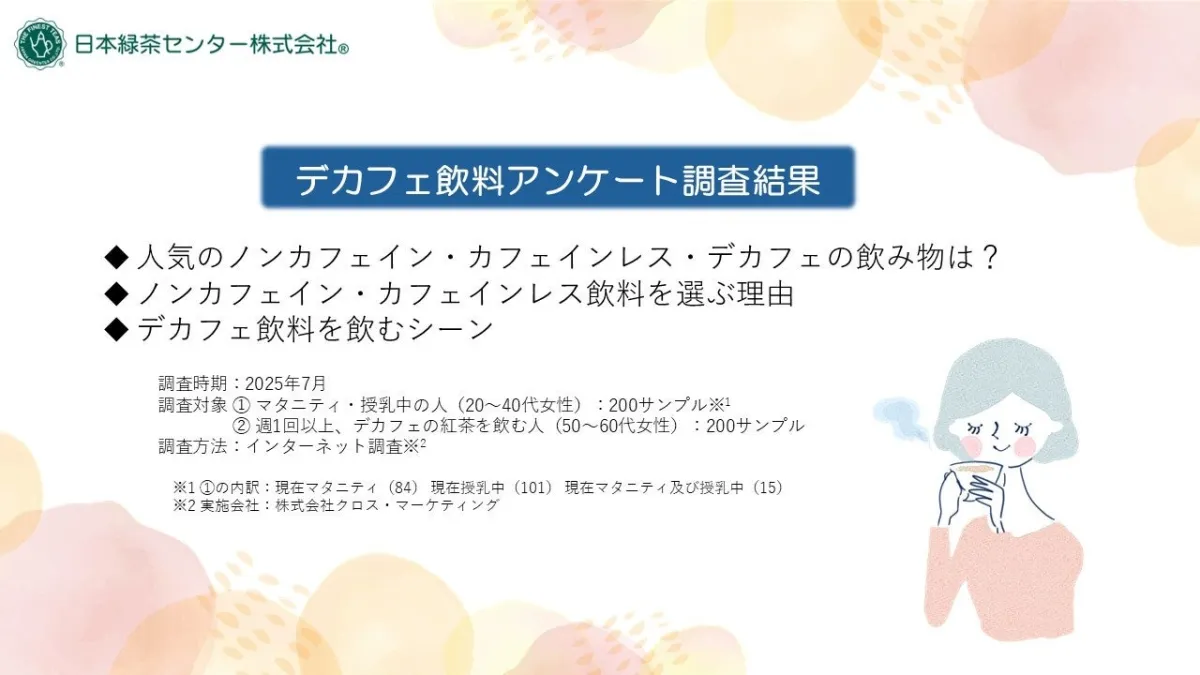
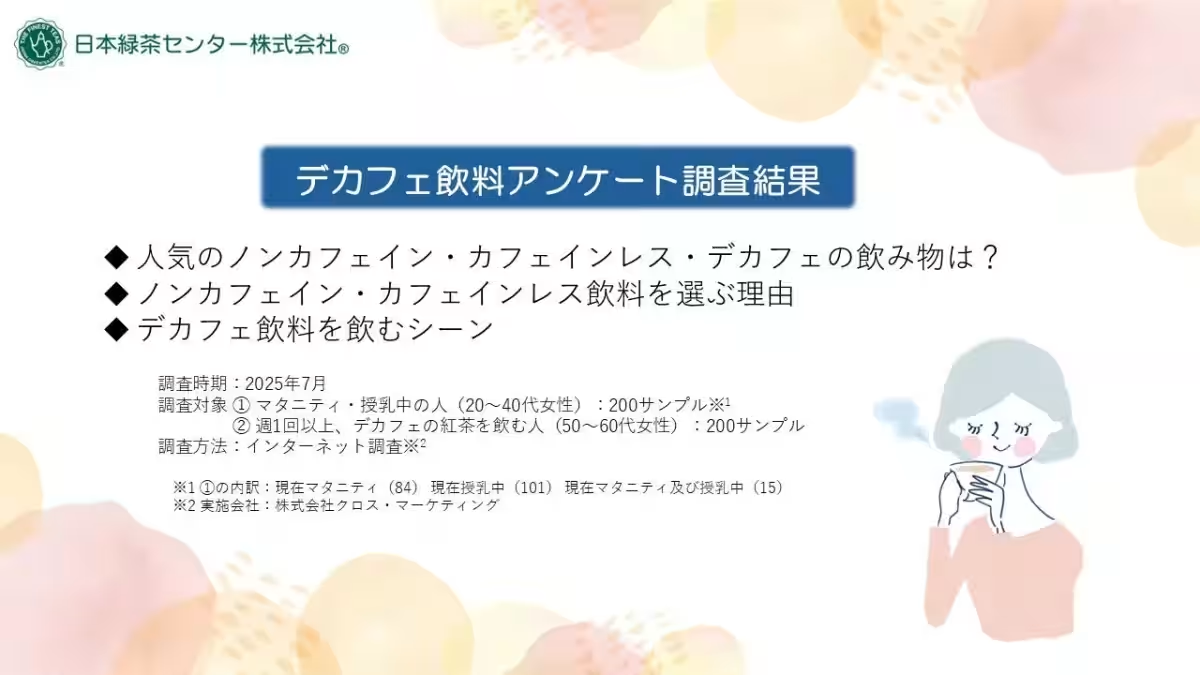
In recent years, the demand for decaffeinated beverages has surged in Japan, particularly among specific demographics such as pregnant women and older adults. The Japan Green Tea Center Inc., renowned for its products like Pompadour herbal tea and Gentle Decaf tea, conducted a survey in July 2025 to delve into the preferences and consumption occasions of decaffeinated drinks.
Survey Details
The survey targeted two distinct groups:
1. Maternity and nursing women aged between 20 and 40 (200 samples)
2. Women aged between 50 to 60 who consume decaffeinated tea at least once a week (200 samples)
The research was carried out through internet surveys facilitated by Cross Marketing Inc.
Defining terms in the survey:
- - Caffeine-free: Beverages that naturally do not contain caffeine.
- - Caffeine-less: Beverages with minimal caffeine content.
- - Decaf: Beverages from which caffeine has been removed.
Popular Choices
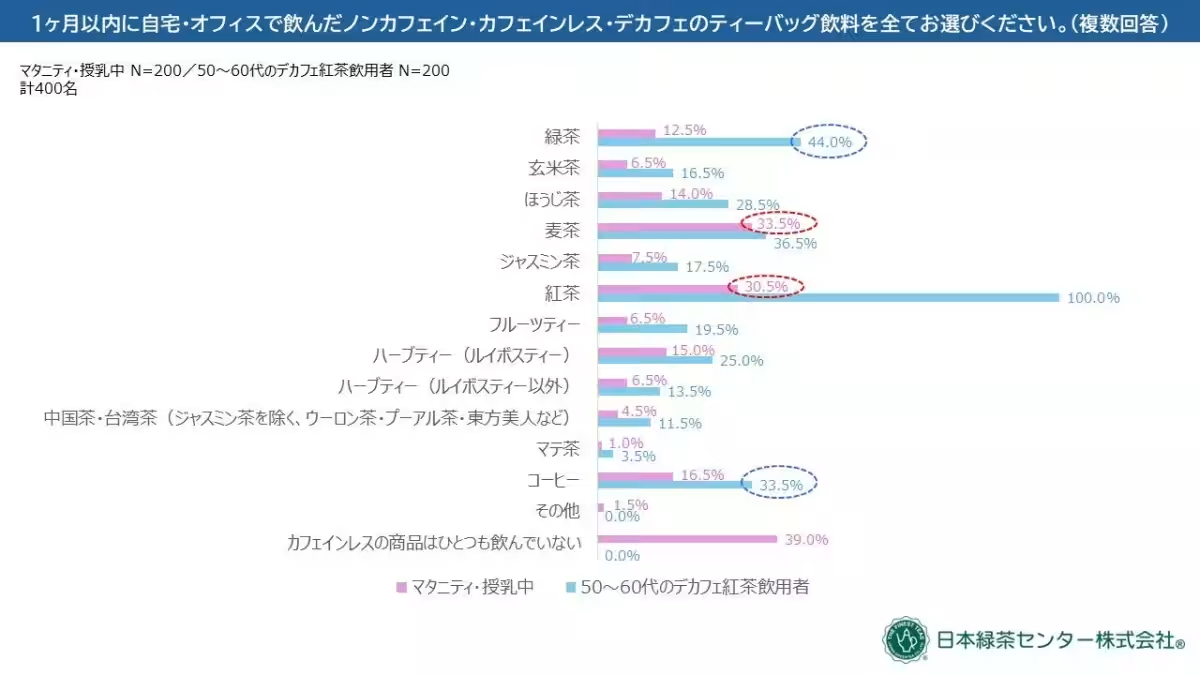
When participants were asked about the non-caffeinated, caffeine-less, and decaf teabag beverages they consumed within the past month, the results highlighted differing preferences:
- - For pregnant and nursing women (Group 1), Mugicha (barley tea) topped the list at 33.5%, followed closely by black tea at 30.5%.
- - For women aged 50-60 (Group 2), Green tea was most popular at 44.0%, with Mugicha following at 36.5%.
When Are They Drinking Decaf Tea?
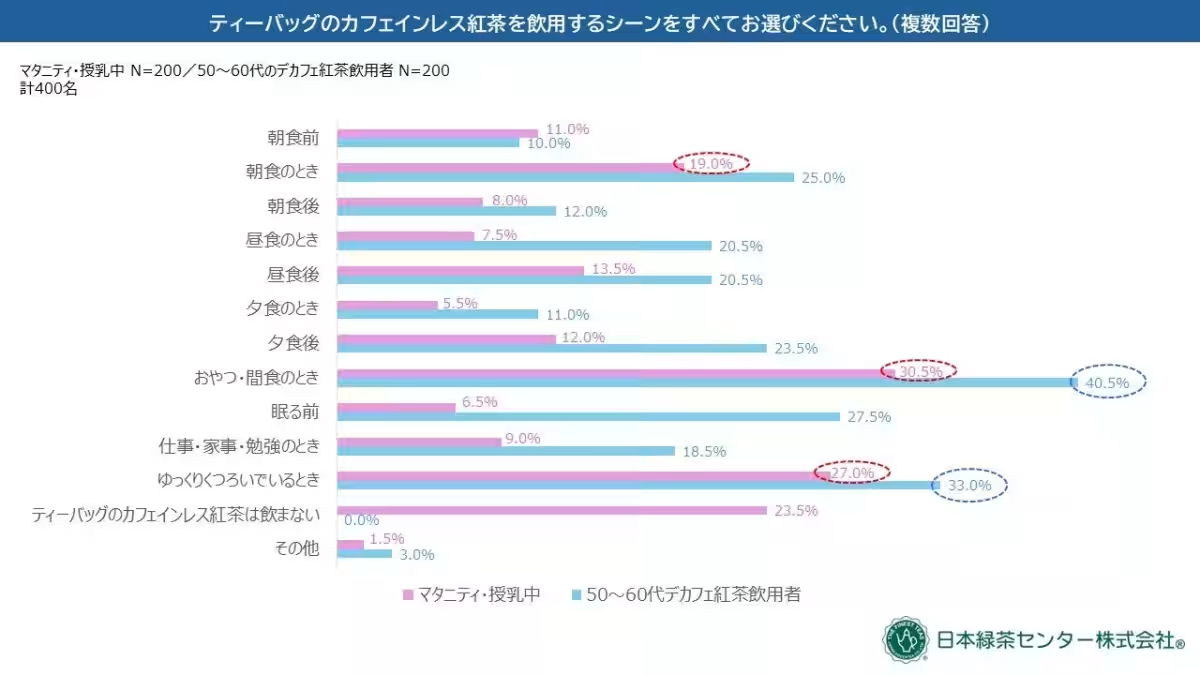
The survey further explored the occasions on which decaffeinated tea is most commonly consumed. Both groups shared similar responses, citing:
- - Snack and dessert time: Group 1 at 30.5% and Group 2 at 40.5%.
- - Relaxing moments: Group 1 at 27.0% and Group 2 at 33.0%.
- - Group 1 preferred morning meals (19.0%), while Group 2 favored drinking tea before sleep (27.5%).
Health Conscious Choices
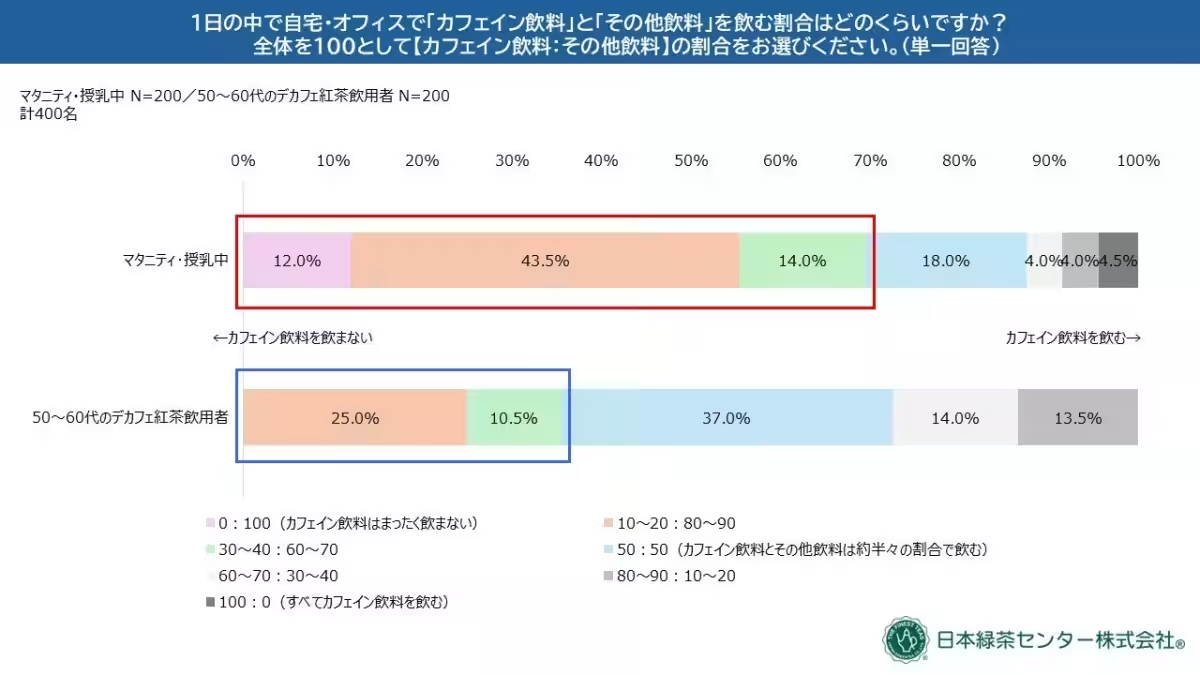
An analysis of the overall data indicated that 69.5% of pregnant and nursing women seldom choose caffeinated drinks, whereas 35.5% of 50-60-year-old decaf tea drinkers abstain from caffeine.
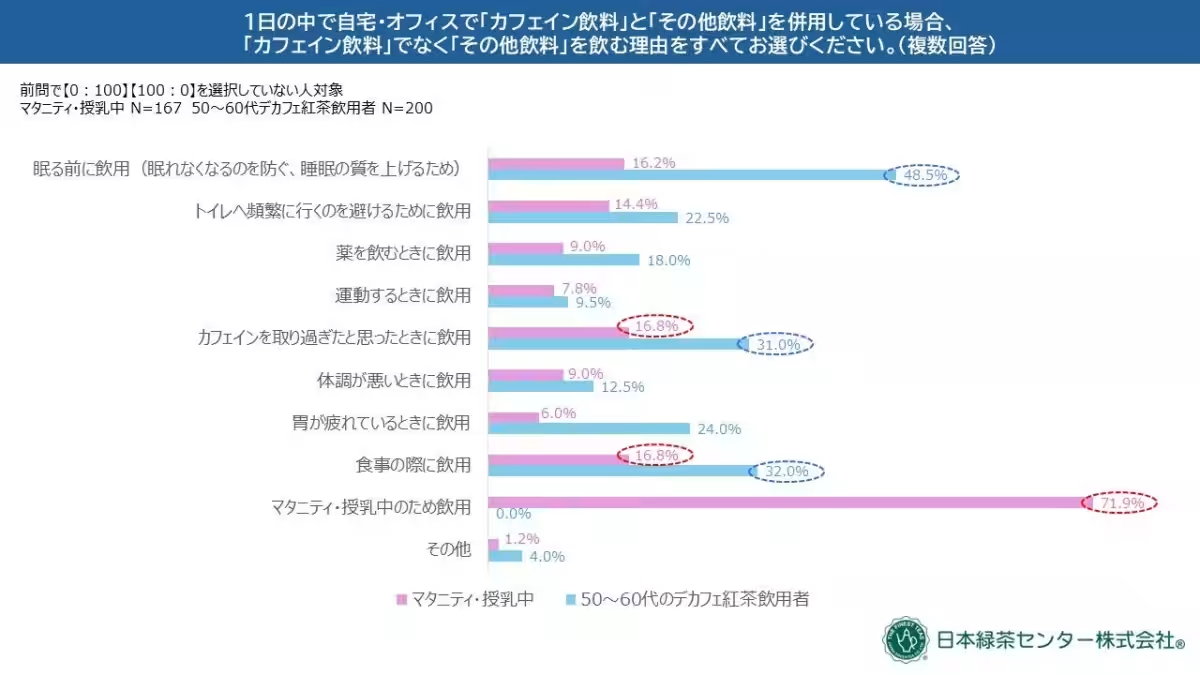
When assessing the reasons for choosing non-caffeinated options among those who consume both caffeinated and other beverages, the feedback revealed insights into health consciousness:
- - Most pregnant and nursing women (71.9%) prefer decaf due to their “pregnancy and nursing needs.” In contrast, for women aged 50-60, 48.5% stated they choose decaffeinated tea before sleep, demonstrating a focus on restful nights and avoiding caffeine disruption.
The Gentle Decaf Tea
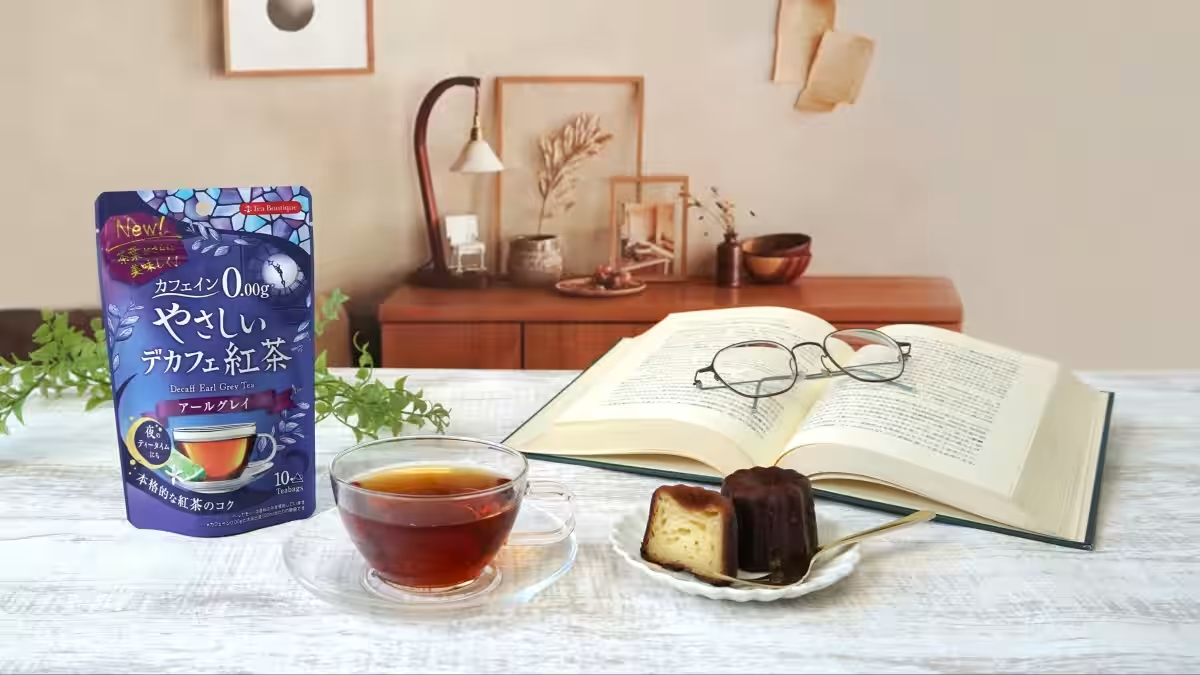
One standout product is the Gentle Decaf Tea, known for its authentic blend and rich flavors without the caffeine worry. Launched in 2012 by the Japan Green Tea Center, the series was inspired by feedback from maternity staff craving flavorful tea without the caffeine. Its diverse 12-flavor lineup aims to cater to varying tastes, ensuring delicious options are available for everyone, including health-conscious consumers.
In 2025, updates allowed for significant flavor enhancement, making it an impeccable choice for those wanting to manage caffeine intake actively.
Conclusion
The growing trend toward decaffeinated beverages underscores a shift in consumer behavior, driven by health awareness and lifestyle choices. Decaf options are not just a necessity for pregnant or nursing women but are increasingly recognized by older adults striving to balance their health with enjoyment. As this trend continues to grow, products like Japan Green Tea Center's Gentle Decaf will likely remain at the forefront of this market, offering an exceptional tea experience without the worry of caffeine.
Topics Consumer Products & Retail)
【About Using Articles】
You can freely use the title and article content by linking to the page where the article is posted.
※ Images cannot be used.
【About Links】
Links are free to use.