




Rising Repair Reserve and Management Fees: Analyzing Trends in the Tokyo Area
Rising Repair Reserve and Management Fees: Analyzing Trends in the Tokyo Area
In recent years, the focus on rising property prices has unintentionally overshadowed the significant increases in repair reserve funds and management fees for condominiums. LIFULL HOME'S, a leading real estate information service in Japan, conducted an in-depth analysis of trends pertaining to these costs across the Tokyo metropolitan area and neighboring prefectures. As the cost of materials and labor continues to rise, understanding how these factors impact the condominium market is crucial for potential buyers.
Understanding Repair Reserve Fund and Management Fees
Before diving into the specifics, it’s essential to clarify the terminology. The repair reserve fund is the money that condominium associations set aside for necessary repairs as buildings age. In contrast, management fees are monthly charges collected to maintain and manage the property. Both expenses significantly influence the overall cost of owning a condominium.
The Trends of Repair Reserve Funds by Age
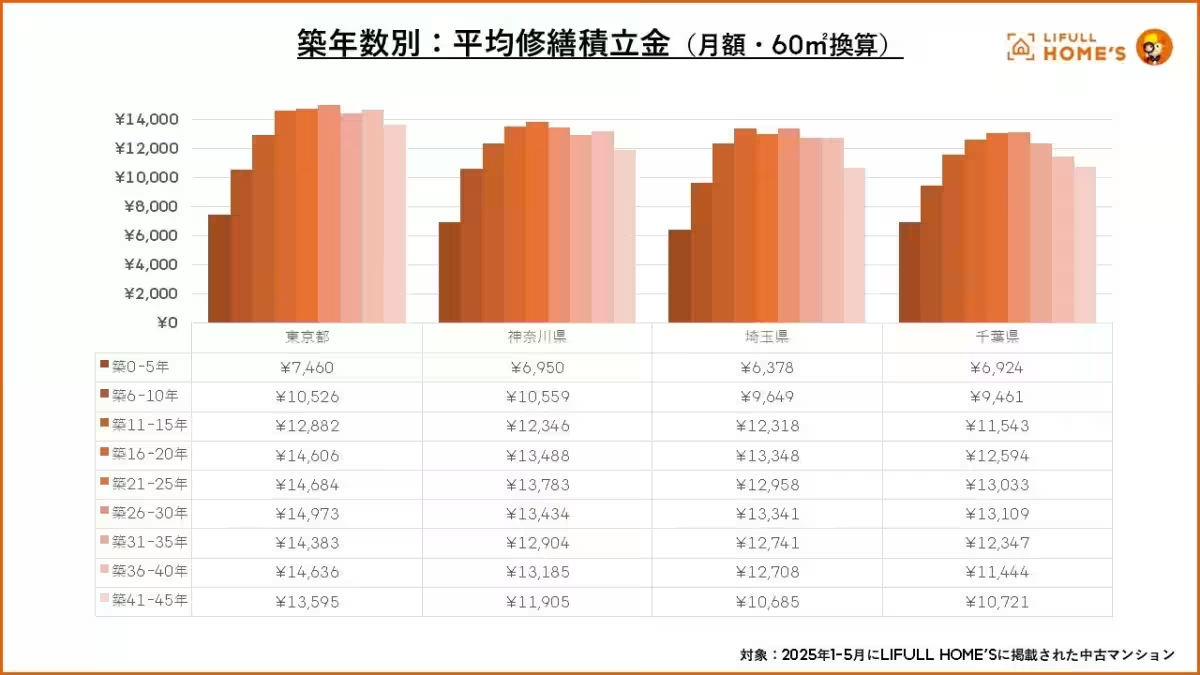
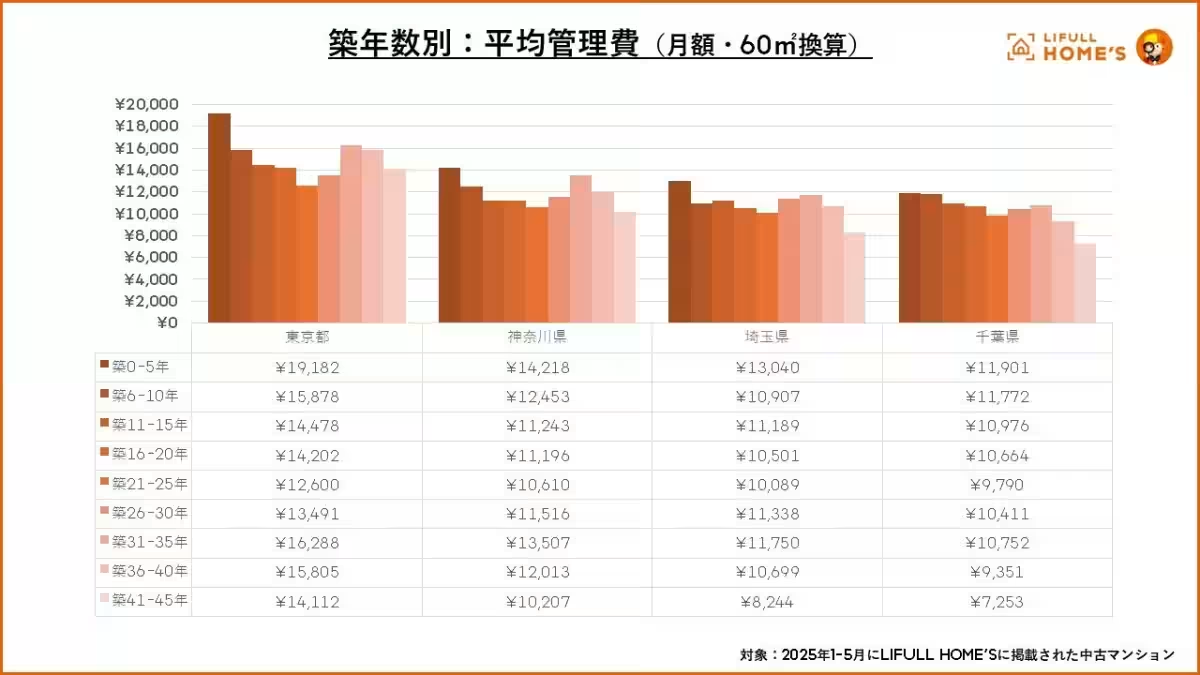
According to the data gathered from January to May 2025, buildings aged between 16 to 20 years have the highest average repair reserve fees across Tokyo, Kanagawa, Saitama, and Chiba. Interestingly, while properties aged 0 to 5 years have higher management fees, those within the 21 to 25 years and 41 to 45 years brackets present lower management costs. Overall, the highest combined costs of repair reserve funds and management fees occur for properties approximately 30 years old, particularly in Tokyo and Kanagawa.
Regional Variations in Costs
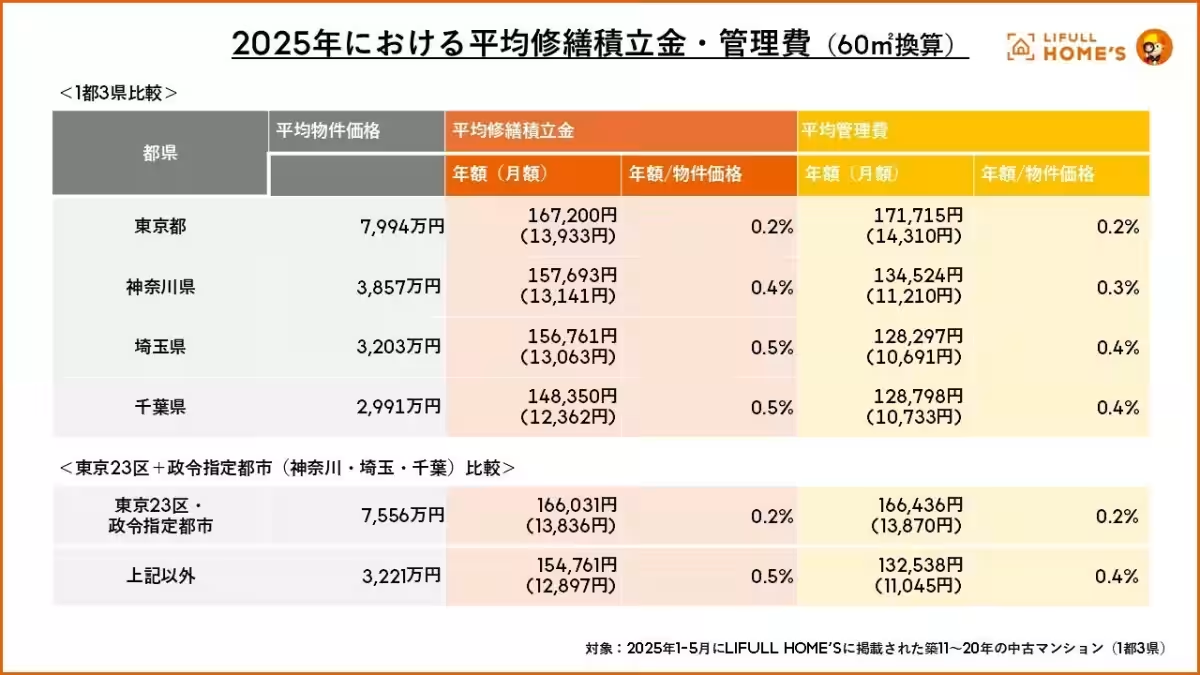
The analysis further highlighted significant regional differences. For instance, in the Tokyo area, the average annual repair reserve fee is noticeably higher compared to the neighboring prefectures. Specifically, Tokyo's average is ¥167,200, followed by Kanagawa at ¥157,693, Saitama at ¥156,761, and Chiba at ¥148,350. While high property values lead to increased repair reserve funds, the percentage of these costs relative to the property price is higher in suburban areas.
For management fees, Tokyo again tops the list. The average fee in the 23 special wards of Tokyo stands at ¥171,715 per year, showcasing how urban areas experience higher managerial costs due to the complexity of maintaining more substantial infrastructures. This trend shows that potential buyers need to consider these annual costs in addition to the property price itself.
Time Trends in Average Costs
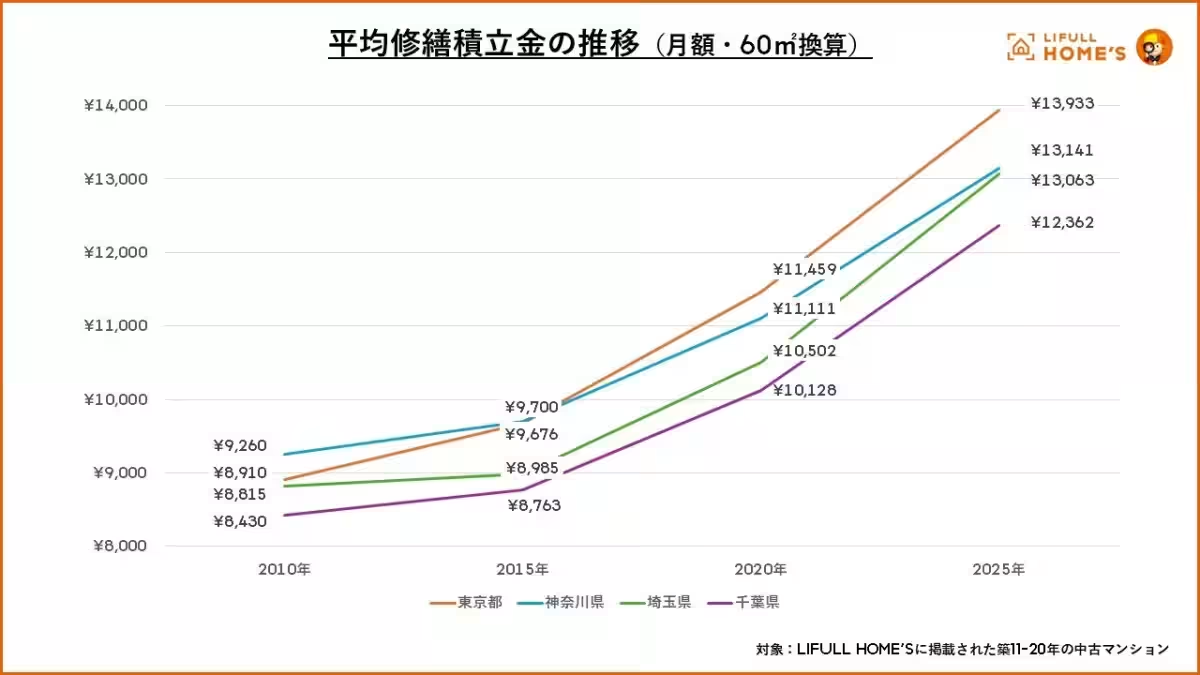
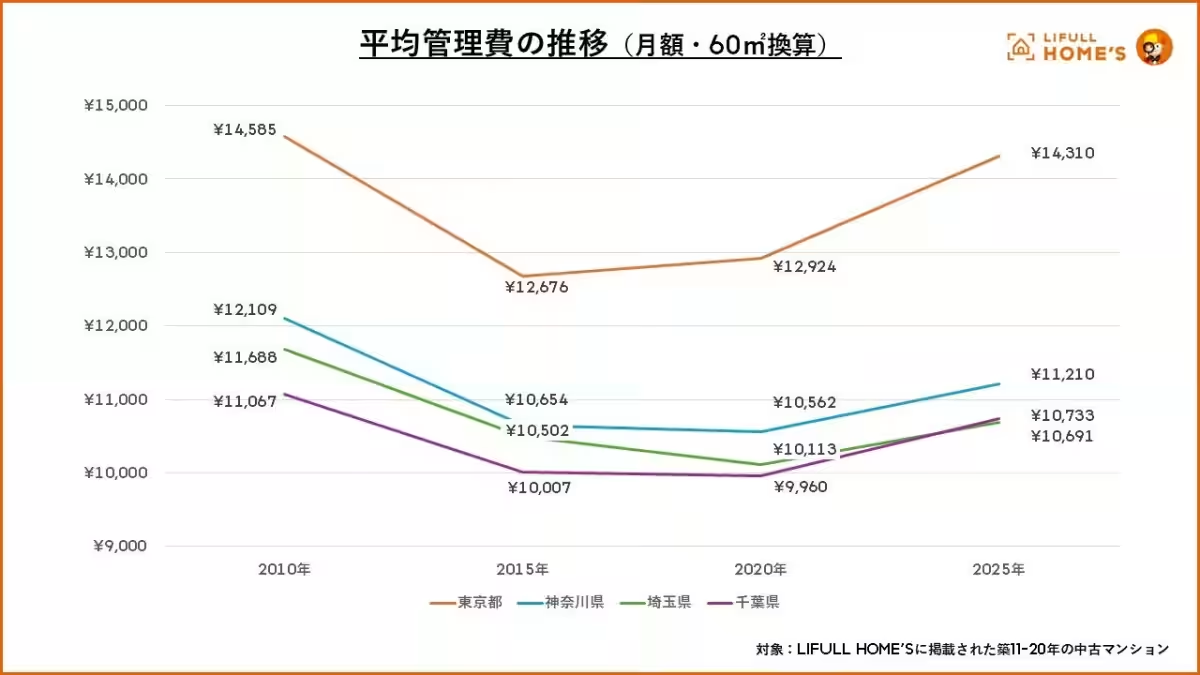
When looking over time, data from 2010 to 2025 demonstrates a worrying trend: both the average repair reserve fund and management fees have been systematically increasing. For example, properties aged 11 to 20 years from 2010 to 2025 have seen repair reserve fees increase by ¥3,881 to ¥5,023 monthly. Similarly, management fees experienced a sharp decline in 2015 but have started to rise again, indicating a potential trend that buyers must factor into their financial planning.
Expert Insights
Toshiyuki Nakayama, Chief Analyst at LIFULL HOME'S Research Institute, sheds light on these trends. He attributes the changes to rising labor costs and material prices. He explains that younger buildings typically have lower repair reserve fees set initially to promote sales. However, as properties age, the funds required for future repairs must also rise to prevent financial shortfalls during significant maintenance events.
This nuance reveals that while management fees decrease after 30 years, the need for ongoing repairs does not disappear, rather it shifts from large repairs to routine maintenance, which will eventually increase management fees.
Conclusion: Staying Informed is Key
In conclusion, potential buyers must look beyond the listing price when considering a condominium purchase. Repair reserve funds and management fees can substantially affect the overall financial implications of homeownership. As the data shows, the market is evolving, and costs are rising. To avoid unexpected financial burdens, it’s vital to factor in these ongoing costs along with initial property investments. Monitoring these trends and leveraging the resources of platforms like LIFULL HOME'S can greatly enhance informed decision-making in the real estate market.
For ongoing updates and detailed insights regarding property information, visit LIFULL HOME'S.



Topics Consumer Products & Retail)
【About Using Articles】
You can freely use the title and article content by linking to the page where the article is posted.
※ Images cannot be used.
【About Links】
Links are free to use.