



Manufacturing Newcomers Show Strong Commitment to Their Companies: A Survey Report
Recent Trends Among Manufacturing Newcomers
In the evolving landscape of the manufacturing sector, a recent survey sheds light on the crucial factors influencing employee retention among newcomers. Conducted by ALL DIFFERENT Co., Ltd. alongside the Learning Innovation Institute, this survey highlights compelling data regarding the intentions and aspirations of freshmen joining the manufacturing industry in 2026.
Background and Context
The manufacturing sector is currently facing a multitude of challenges, including workforce shortages, skill inheritance, changing consumer needs, and rapid digital transformation. These issues compel companies to prioritize the retention and development of employees who can drive change and innovation. This survey aimed to elucidate the characteristics and aspirations of new employees entering the field and to explore future directions for nurturing and retaining talent.
Key Findings
1. Intent to Stay and Workplace Culture
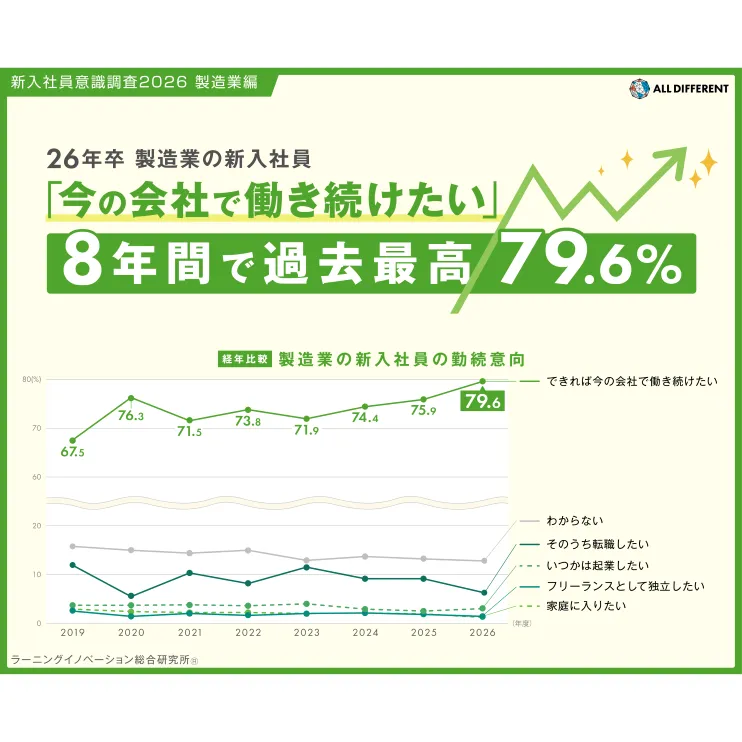
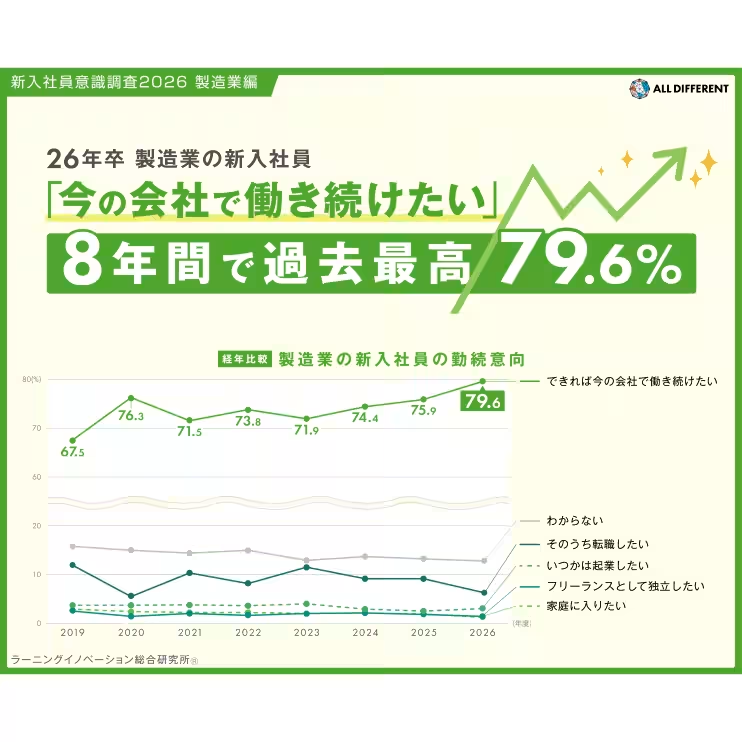
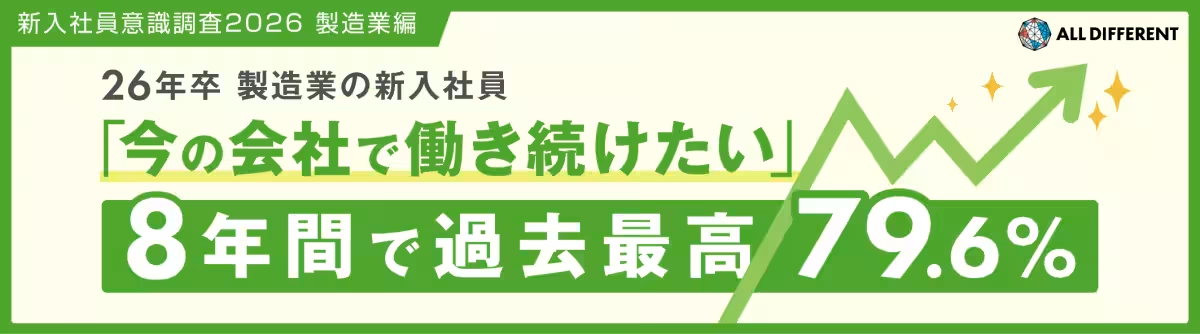
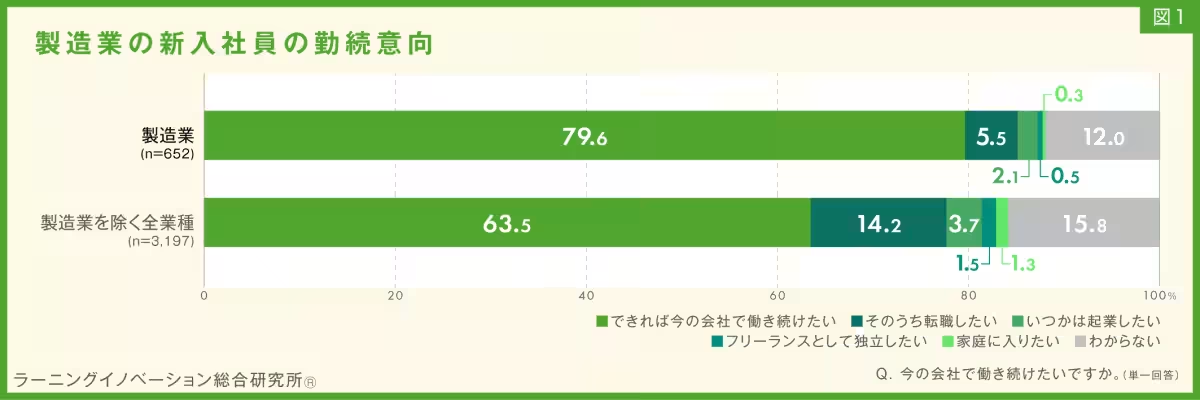
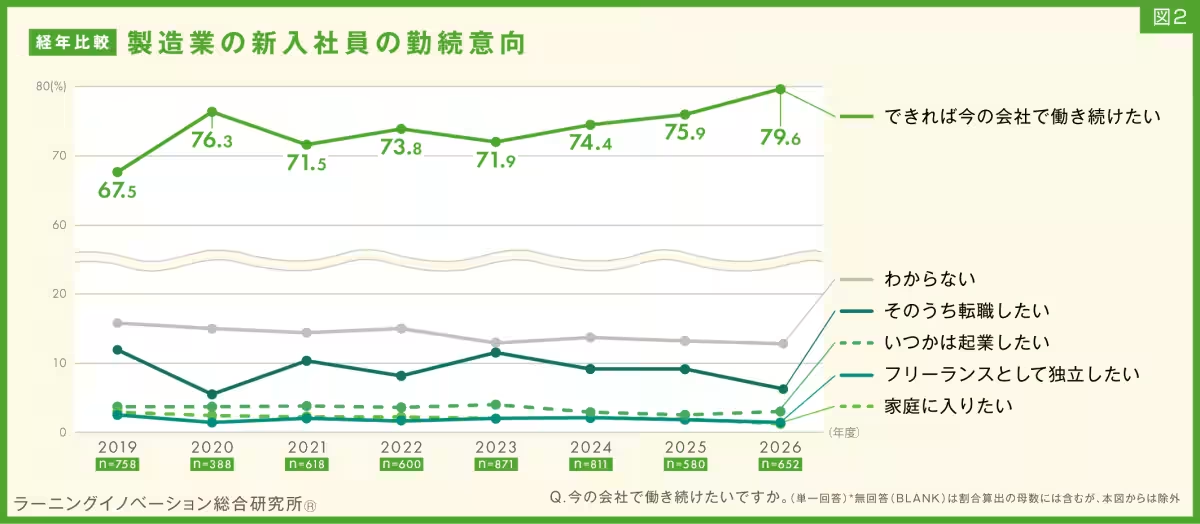
The survey revealed that an impressive 79.6% of newcomers expressed a desire to remain with their current employers, a figure significantly higher—by 16.1 percentage points—than that of other industries. This marks the highest rate recorded in eight years, suggesting a positive shift in workplace culture within manufacturing.
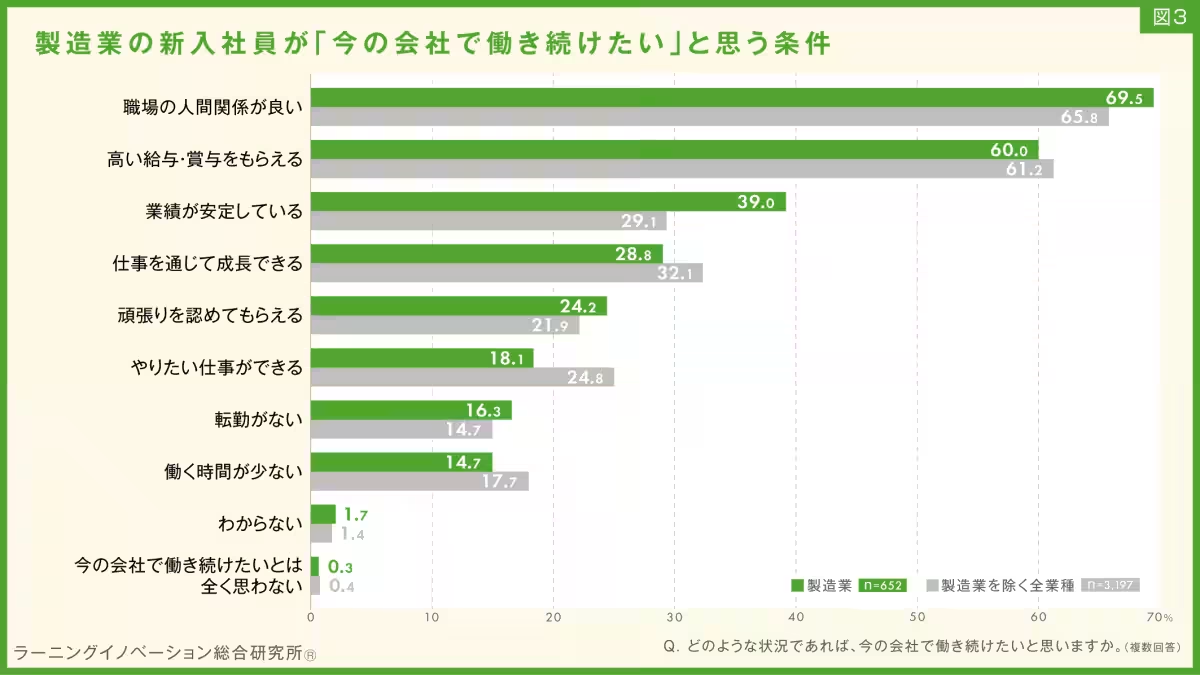
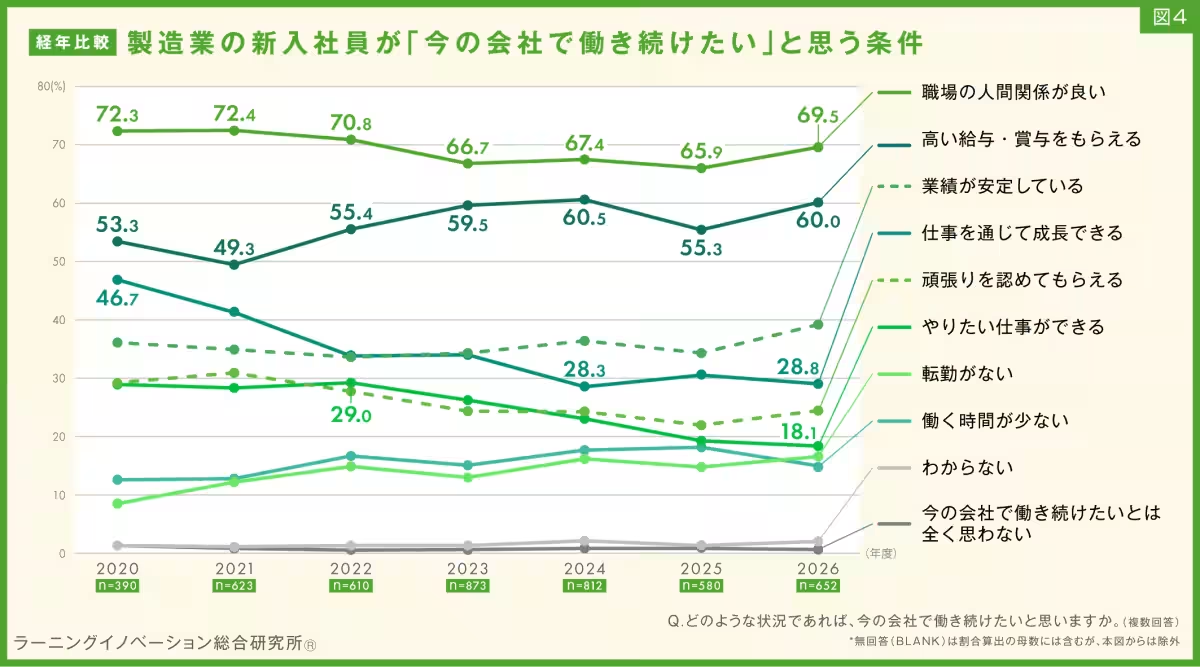
Notably, when asked what would encourage them to stay in their current roles, 69.5% pointed to good workplace relationships, with 60.0% emphasizing the importance of competitive salaries. Interestingly, the desire for personal growth and to engage in desired tasks appears to be on a declining trend, a cause for concern as it indicates a potential disconnect between employee expectations and job fulfillment.
2. Career Aspirations
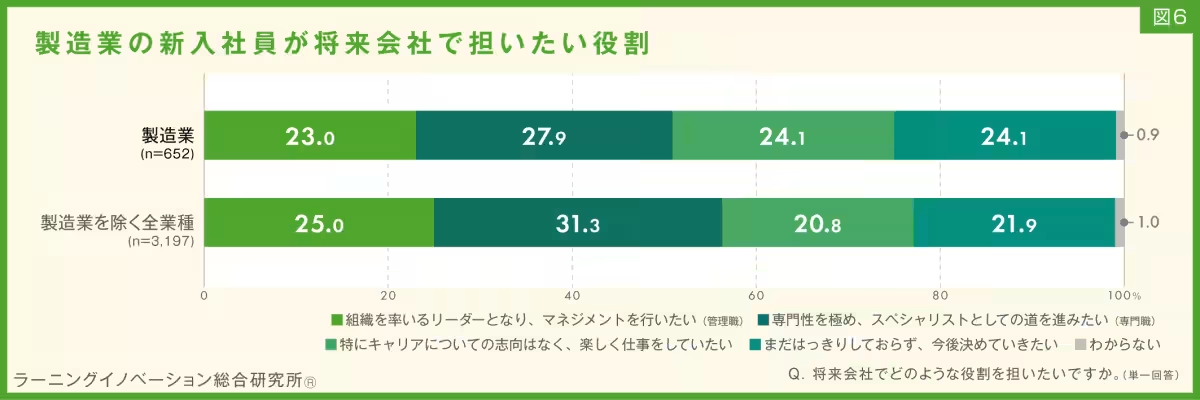
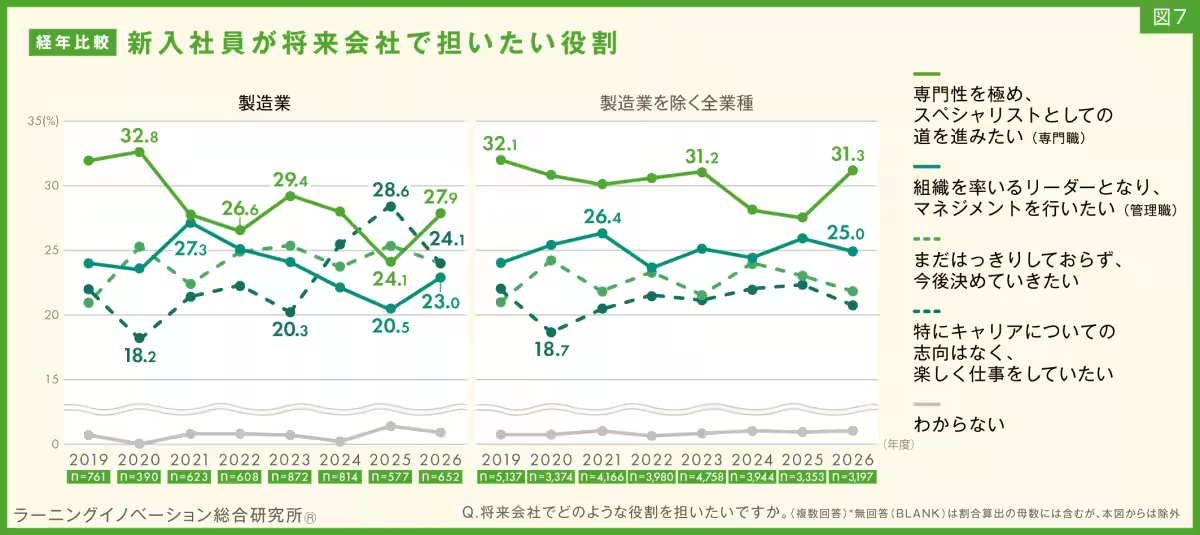
An intriguing insight is that nearly half of the manufacturing newcomers lack a clear career direction. Only 23.0% aspire to take on leadership roles, while 27.9% wish to become specialists in their fields. This is markedly less than similar percentages in other sectors. A concerning 24.1% indicated they had no particular career aspirations and simply wanted to enjoy their work.
3. Focus on Growth and Development
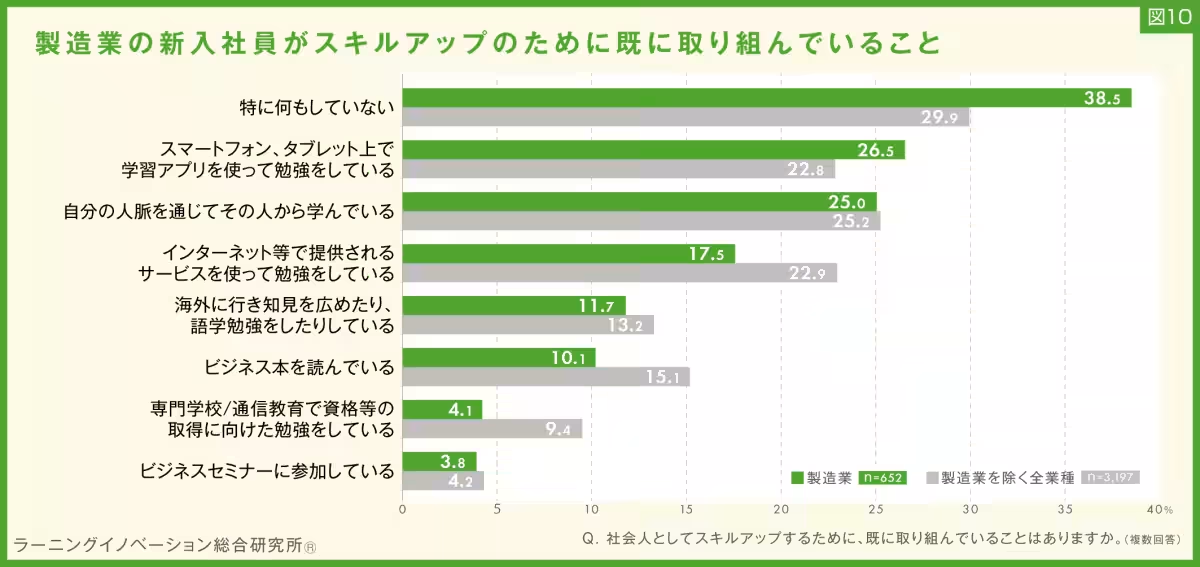
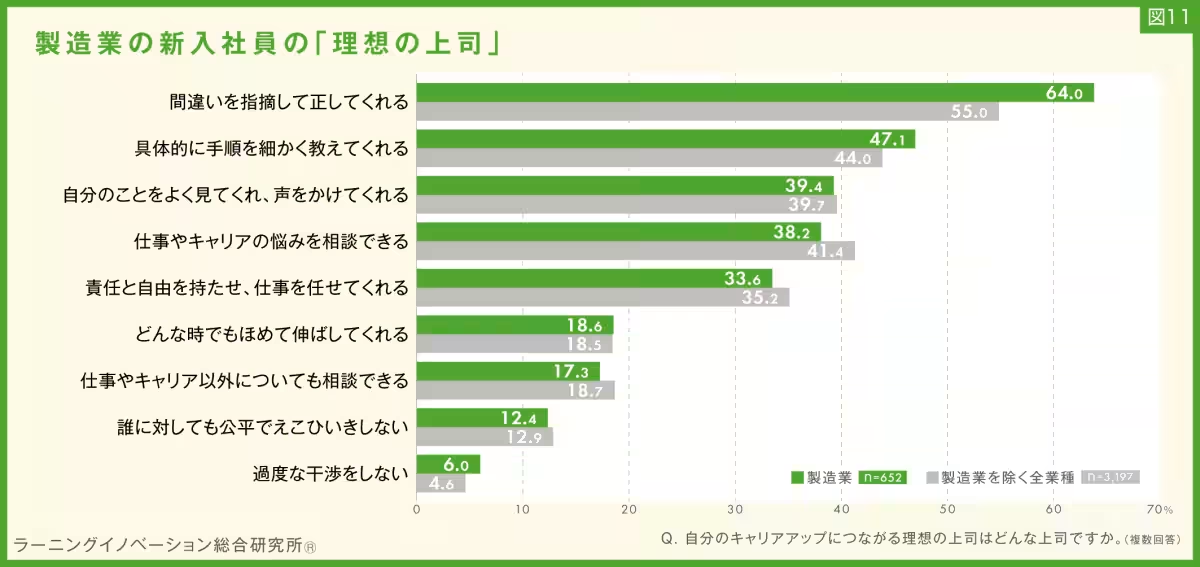
Despite the ambitious desire to remain with their current employers, it appears many new employees are not actively pursuing skill development, with 38.5% admitting they are doing nothing to improve their skills. Additionally, when asked what traits they desire in a supervisor for career advancement, 64.0% stated they prefer managers who can provide constructive feedback. This underscores the need for a supportive environment in which employees feel encouraged to grow.
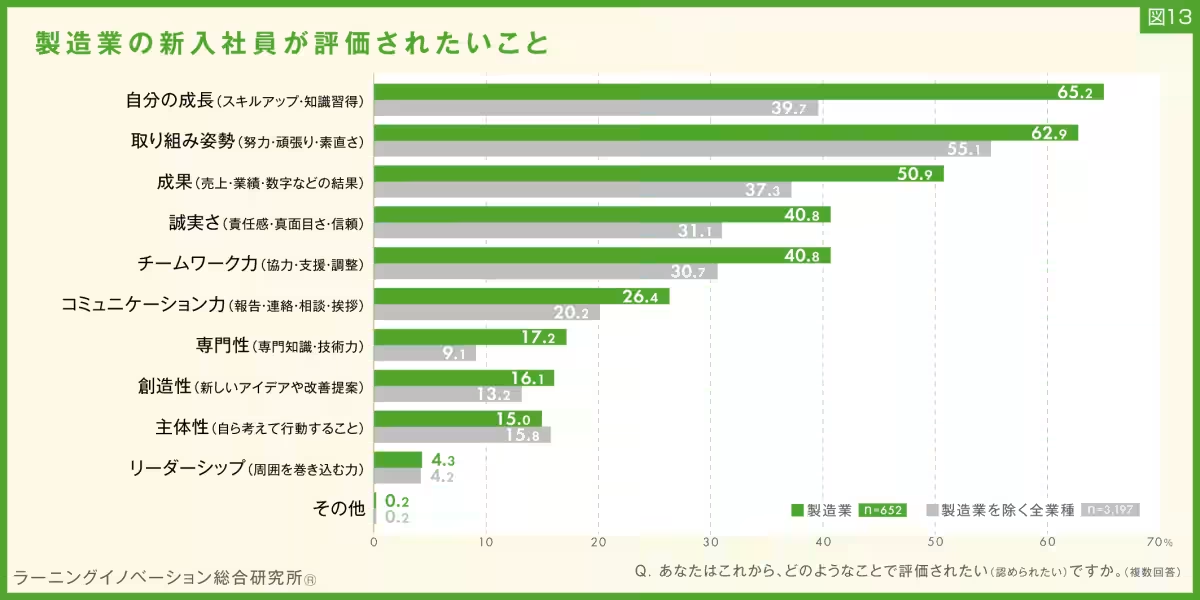
In terms of evaluating success, 65.2% articulated a desire to be recognized for their personal development, significantly higher than in other sectors, further showcasing their intrinsic motivation to expand their skillsets.
Conclusion
What emerges from this survey is a dual narrative: while manufacturing newcomers exhibit a pronounced desire for stability and camaraderie in the workplace, there exists a notable lack of clarity regarding their career trajectories and avenues for personal growth. The tension between a strong inclination to remain with their organizations and the lack of active personal development initiatives highlights areas of opportunity for companies in the manufacturing sector.
Recommendations for Improvement
To leverage this high retention intent into greater employee engagement and growth, organizations should consider:
- - Cultivating a Culture of Feedback: Establishing an open environment where employees feel comfortable receiving and giving feedback can enhance personal and collective growth.
- - Creating Opportunities for Personal Growth: Aligning individual contributions with organizational objectives can instill a sense of purpose, thereby motivating employees.
- - Encouraging Career Ownership: Providing frameworks that help newcomers envision their career paths can foster greater engagement and initiative.
In conclusion, while the survey indicates a promising commitment to the manufacturing industry from newcomers, ensuring that this enthusiasm translates into meaningful growth experiences is essential for fostering a resilient and innovative workforce in the face of ongoing industry challenges.


Topics Consumer Products & Retail)
【About Using Articles】
You can freely use the title and article content by linking to the page where the article is posted.
※ Images cannot be used.
【About Links】
Links are free to use.