



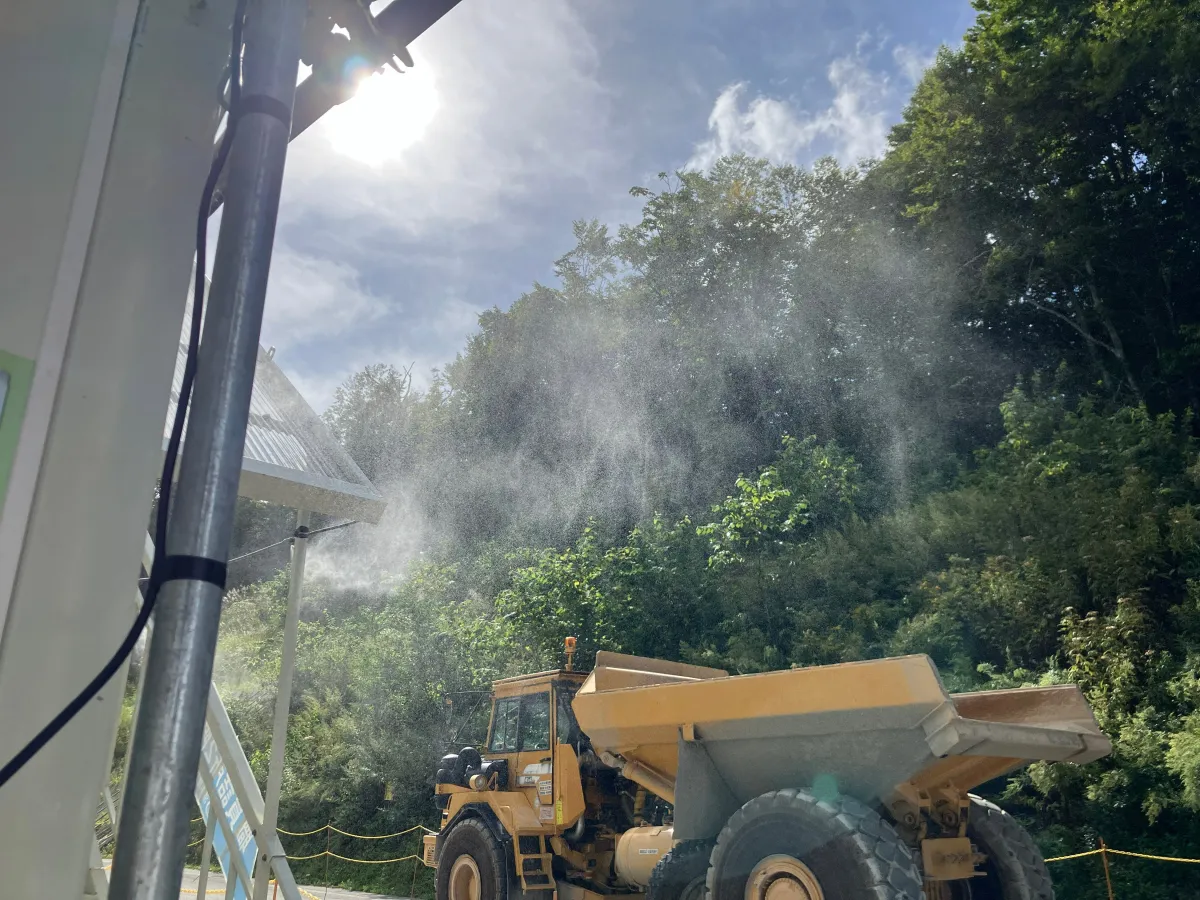
Konoike's Comprehensive Heat Stress Countermeasure Roadmap: A First in the Construction Industry
Addressing Heat Stress in the Construction Industry
Konoike Corporation, based in Chuo-ku, Osaka, has recently released a groundbreaking roadmap to combat heat stress, marking the first of its kind in the construction sector. As the industry faces a growing crisis related to heatstroke among workers, Konoike is on a mission to ensure that construction sites become the safest and happiest workplaces by proactively addressing these challenges.
The Urgency of the Situation
The Growing Risk of Heatstroke
Statistics show that between 2020 and 2024, there were 961 reported cases of heat-related injuries in the construction sector, with 54 fatalities, translating to staggering percentages of 20.4% and 40.3% relative to all industries. This worrying trend can partly be attributed to climate change, which has led to a rise in temperatures and an increase in the number of heatwave days, particularly evident since 2020 in metropolitan Tokyo.
From a productivity standpoint, temperatures exceeding 24°C significantly decrease work efficiency, with a catastrophic drop of up to 50% when temperatures reach beyond 33°C. This alarming data means that with approximately 260,000 outdoor construction workers in Japan, a mere 20 days of extreme heat can equate to a loss of 2.6 million man-days of labor.
Proactive Initiatives by Konoike
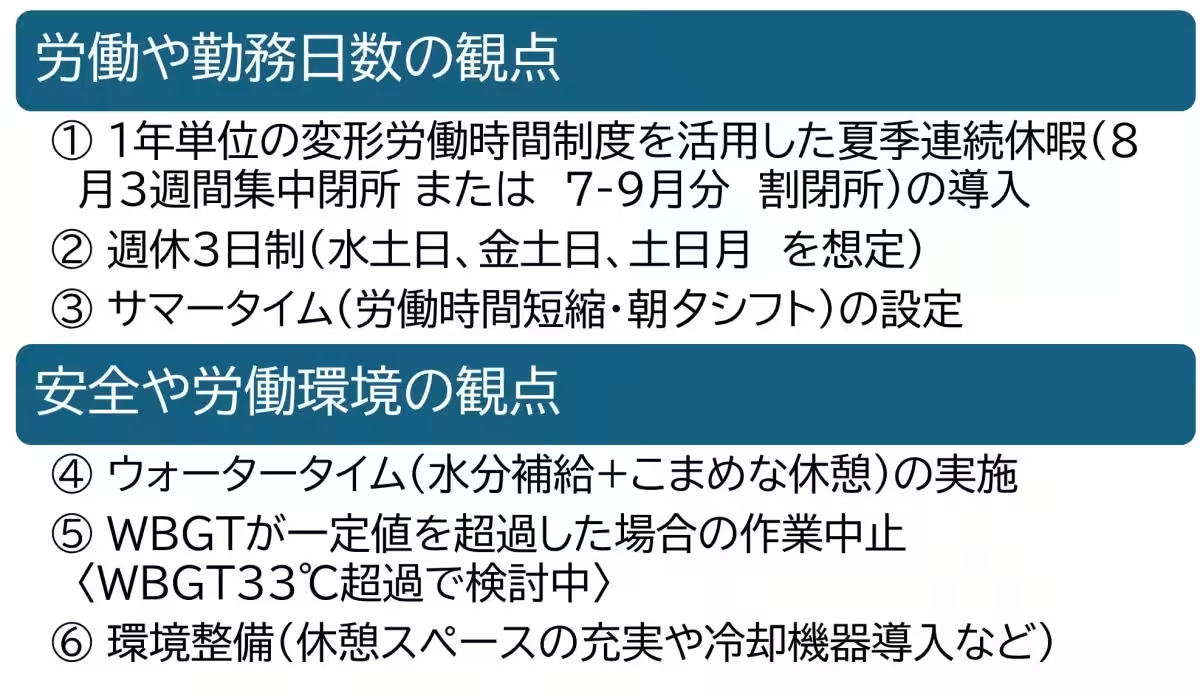
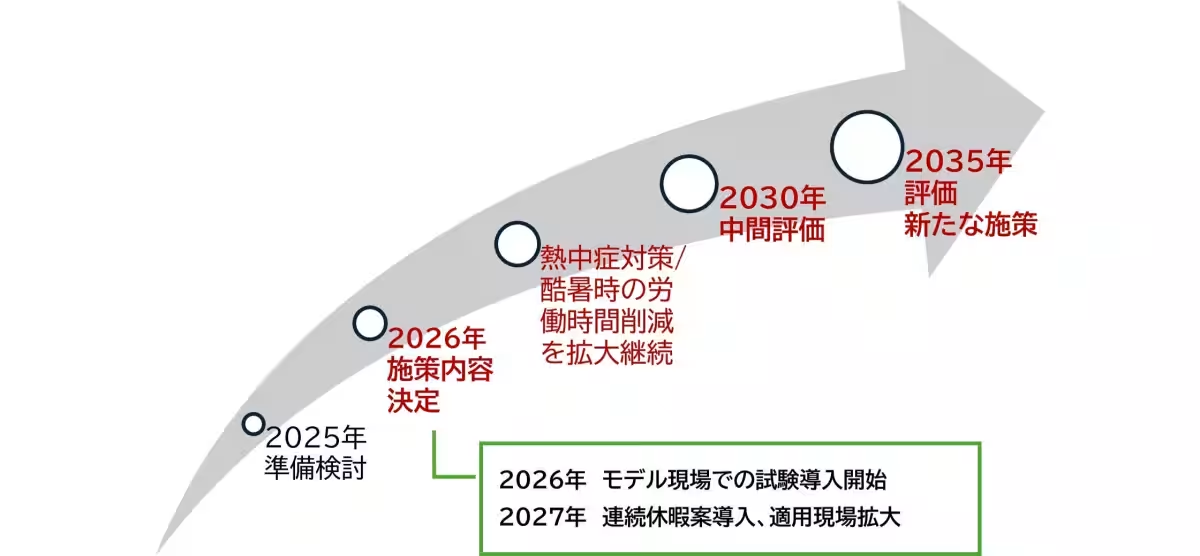
In response to this escalating crisis, Konoike has developed a comprehensive heat countermeasure roadmap designed to address both the immediate and long-term needs of the industry. The primary framework includes:
1. Work and Employment Adjustments
- Implementation of a summer continuous vacation schedule (three weeks in August or a split closure from July to September).
- Introduction of a three-day workweek (options like Friday-Sunday, Saturday-Monday).
- Establishment of a summer time schedule with shortened labor hours to ensure better health outcomes.
2. Improving Safety and Working Conditions
- Introduction of water breaks alongside regular rest periods to encourage hydration.
- Stipulating a work halt when the Wet Bulb Globe Temperature (WBGT) exceeds a certain threshold (currently under consideration at 33°C).
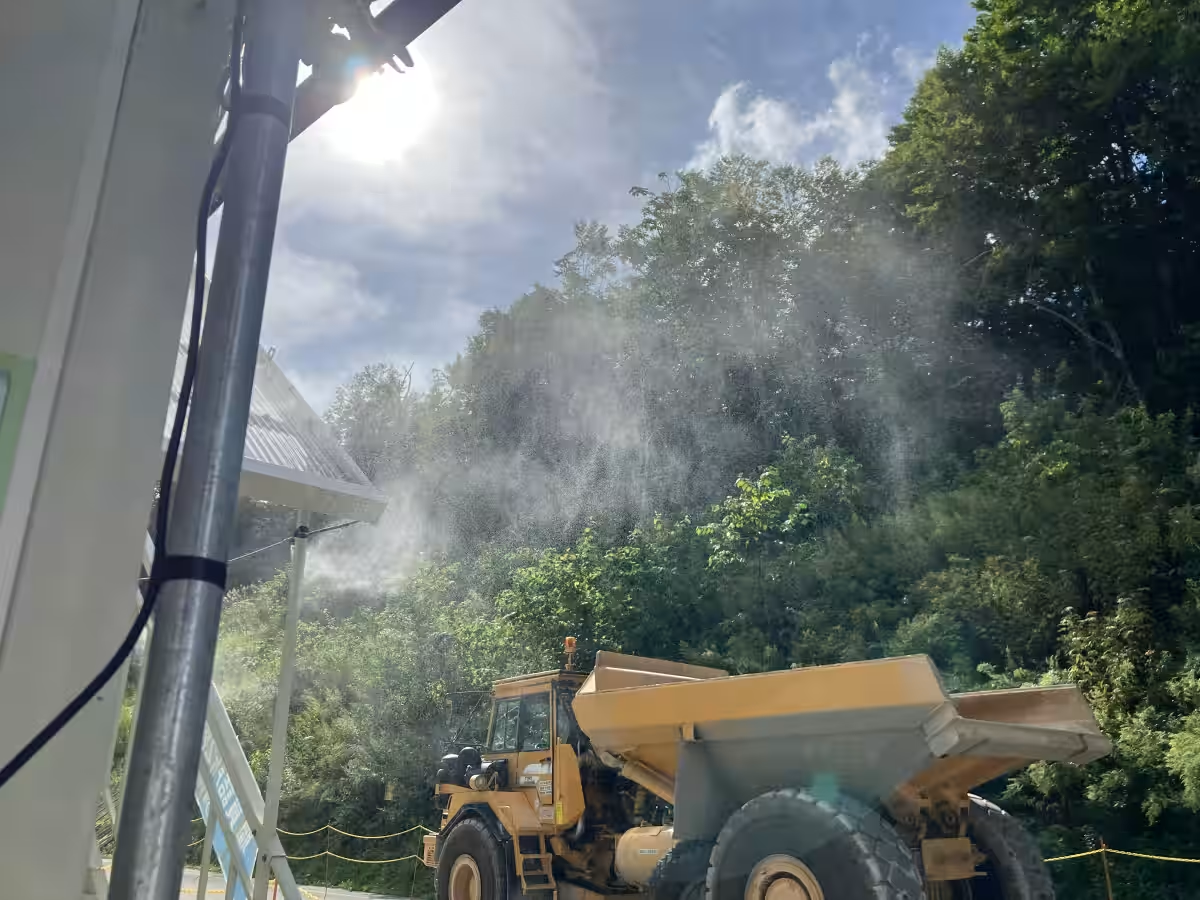
- Upgrading work conditions by enhancing break areas and installing cooling devices.
Expected Outcomes and Societal Impact
The implementation of this roadmap is expected to drastically improve safety on construction sites, particularly during the hottest periods. By imposing strict measures to halt work when temperatures are unsafe, Konoike aims to significantly enhance the wellbeing of its workers. Moreover, the campaign stands to revitalize the perception of the construction industry, draw in new talent, and improve working conditions across the sector. The introduction of summer breaks and a three-day workweek will facilitate better compensation for skilled laborers, thereby increasing retention and recruitment rates within the industry.
Furthermore, as Konoike’s initiatives achieve success, they are set to establish a model for similar companies, enhancing the sustainability of the construction industry—a sector vital for community infrastructure and disaster prevention.
Future Directions
Looking ahead, Konoike aims to strengthen collaboration with affiliated organizations and stakeholders to solidify these comprehensive heat measures. There will be continued discussions with clients regarding project timelines, adaptations to contract conditions, and progressive enhancements based on scientific assessments and data backed investigations. The integration of advanced technologies, like DX and ICT, will be crucial for fostering effective solutions and equipping worksites appropriately.
Konoike Corporation has long prioritized safety in its construction and civil engineering projects. With this new comprehensive heat countermeasure roadmap, the firm is committed to creating environments where all personnel can work securely and joyfully, ensuring a lasting legacy of safety and satisfaction in the workplace.

Topics Consumer Products & Retail)
【About Using Articles】
You can freely use the title and article content by linking to the page where the article is posted.
※ Images cannot be used.
【About Links】
Links are free to use.