



Feasibility Study to Establish Stable Supply of Recycled Plastics for Automotive Industry
Establishing a Stable Supply of Recycled Plastics for Automotive
In a significant move towards sustainability, a consortium of 12 companies, spearheaded by Taibo, has been approved for a feasibility study (FS) by Japan’s Ministry of Environment. This initiative is part of the fiscal plan for 2026 aimed at creating a stable supply system for recycled plastics specifically tailored for the automotive industry.
Background of the Initiative
The automotive sector is increasingly pressured by the European End-of-Life Vehicles (ELV) regulation and growing demands for sustainability. As a result, the requirement for recycled plastics has surged. However, challenges such as insufficient supply, variability in quality, cost competitiveness, and traceability have been highlighted within Japan. Projections suggest that by 2041, the estimated supply of recycled plastics for automobiles will fall short, expected to range between 69,000 to 95,000 tons against a target of 200,000 tons.
In light of these hurdles, there is an urgent need for collaboration across the entire supply chain, from resource recovery to manufacturing recycled materials and lastly to logistics and customer needs.
Overview of the Feasibility Study
The FS seeks to evaluate the practicality of aggregating diverse sources of waste plastics - including those from automobiles, packaging, home appliances, and industrial waste. This holistic approach will determine whether the desired quality and supply levels can be met for the automotive sector.
- - Duration: The study will run from May 15, 2026, to February 26, 2027.
- - Focus Area: Central Japan (Aichi and Mie Prefectures).
Key Points of Evaluation
1. Assessing the potential for sourcing recycled resources and materials.
2. Evaluating the facilities and processing flows of recycling centers.
3. Ensuring the quality of recycled materials and exploring material design methods.
4. Developing a traceability and information management system using digital technologies.
5. Improving logistics efficiency.
6. Analyzing business schemes and feasibility.
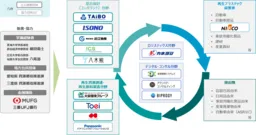
Roles of Participating Companies
Each company within the consortium has distinct responsibilities:
- - Material Design: Companies like Ishizuka Chemical Industry, Isono, and others will focus on designing and adjusting the composition of recycled plastics to meet automotive quality standards.
- - Resource Recovery and Manufacturing: Firms such as J-Circulars and Daiei Environmental will ensure effective collection, sorting, and recycling of plastics to establish a stable supply chain for recycled materials.
- - Logistics: Kaneyoshi will improve transportation logistics for raw materials and recycled products.
- - Digital Solutions: Consulting firms like Axilia will handle traceability management and optimize the supply chain using digital frameworks.
Goals of the Feasibility Study
The initiative aims to:
1. Develop a wide-area resource aggregation model that integrates various sources of waste plastics to provide a consistent supply for the automotive industry.
2. Employ a market-oriented framework driven by partnerships with automotive OEMs and parts manufacturers to tailor quality standards based on their requirements.
3. Utilize a consortium approach that encompasses all supply chain stakeholders, including recyclers, manufacturers, and service providers, to comprehensively visualize and optimize operations.
4. Implement advanced resource recycling models leveraging digital technologies for better material properties and stable supply.
5. Foster a circular resource model that links citizen-driven waste management to the manufacturing industry by promoting awareness and understanding of resource recycling.
Through these efforts, the consortium seeks not only to address the pressing demands of the automotive sector but also to advance Japan's commitment to sustainable practices and a circular economy.
Conclusion
As this feasibility study unfolds, it represents a critical step in advancing the use of recycled materials in automotive manufacturing. The collective effort of the involved companies offers a promising approach to overcoming current challenges and paving the way for a more sustainable automotive industry.
Topics Environment)
【About Using Articles】
You can freely use the title and article content by linking to the page where the article is posted.
※ Images cannot be used.
【About Links】
Links are free to use.