



SB C&S Holds Next-Generation Indirect Material Reform Forum 2025 in Tokyo
SB C&S Hosts Indirect Material Reform Forum 2025
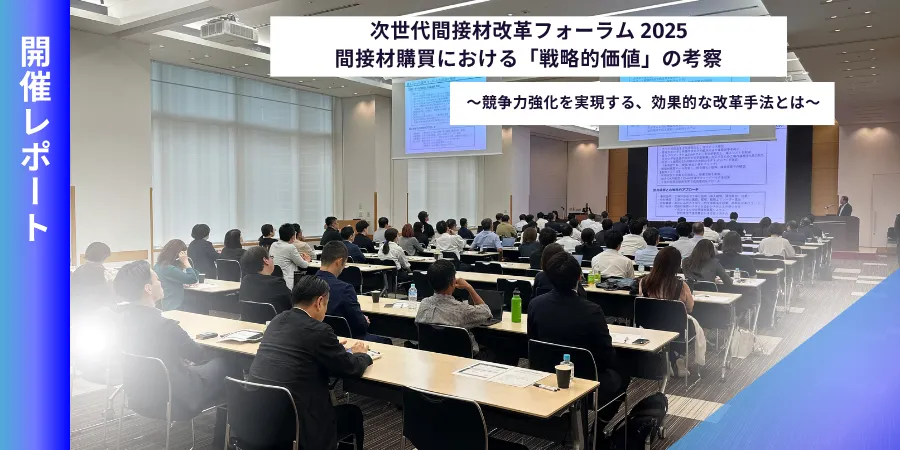
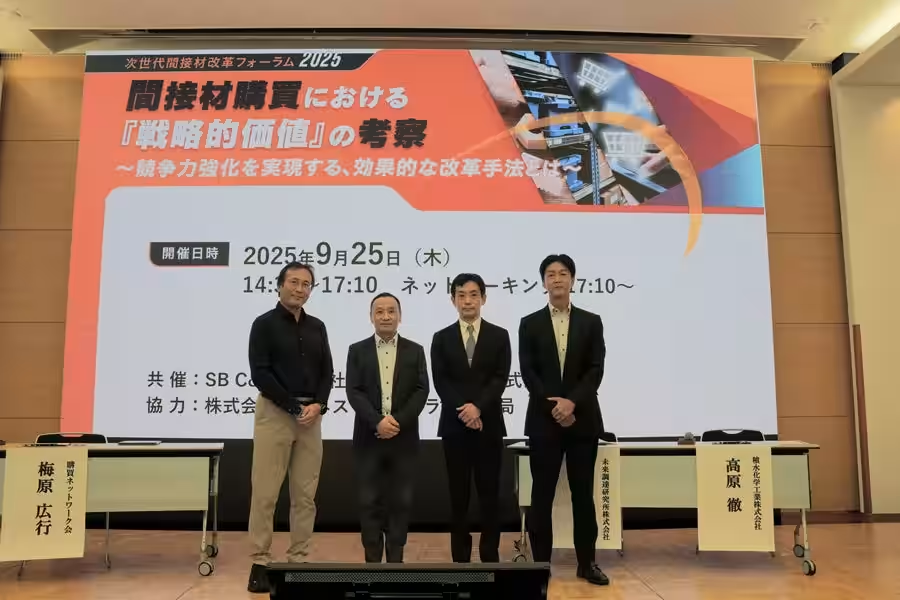
On September 25, 2025, SB C&S Corporation organized the Next-Generation Indirect Material Reform Forum 2025 in Tokyo. The event showcased the latest trends and strategic values in indirect material procurement. This forum was a collaborative effort between SB C&S's Purchase One Business Unit and its subsidiary, Deecorp Inc., both of which have a track record of supporting over 3,600 companies. They combined their expertise in procurement support services with evolving procurement systems to tackle various challenges in indirect material purchasing.
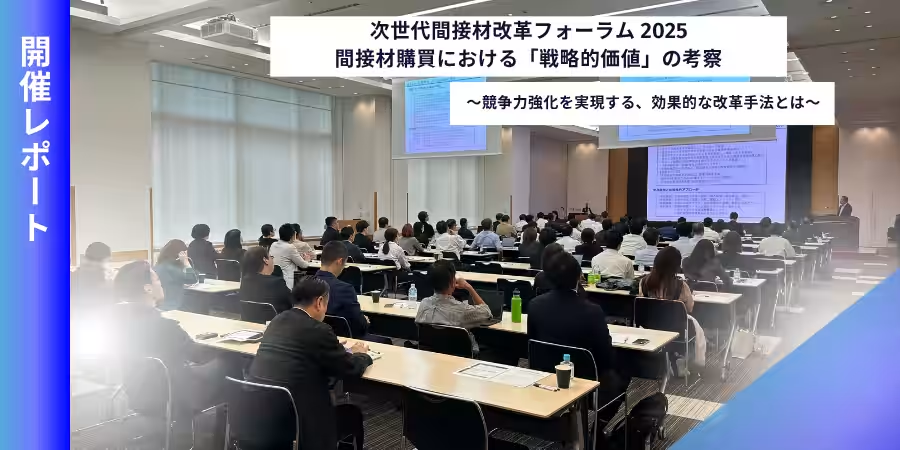
The forum featured seminars and roundtable discussions, providing a platform for continuous information sharing and knowledge exchange. Approximately 60 participants attended the event, where experts from various fields shared insights on procurement.
Keynote Speakers and Discussions
Takanori Sakaguchi from the Future Procurement Institute kicked off the event with a presentation titled, “Why is Indirect Material Procurement Reform Needed Now?” He highlighted the critical nature of reform, pointing to shortcomings in tools, rules, and organizational structures as barriers to progress. Sakaguchi proposed the necessity of spend analysis for visibility, robust governance through a triple defense line, and the preparation of procurement systems and organizational structures. He emphasized that indirect material reform is crucial for enhancing employee experience and retention, ultimately key to improving profitability for Japanese companies.
Hiroyuki Umehara, representative of the Purchasing Network Association, focused on “Next-Generation Indirect Material Procurement Reform via Technology and BPO (Business Process Outsourcing).” Drawing from his extensive experience in procurement, Umehara discussed the rapid adoption of AI in procurement processes. He noted that while spend visibility and cost reduction have become standardized practices, it is essential to advance sophistication even with smaller teams. He outlined ongoing applications of AI in bid comparisons and negotiation assistance, stressing the irreplaceable role of human discretion in areas like paper document processing and internal coordination. Umehara argued that procurement departments should transcend simple price negotiations and instead drive organizational transformation, asserting that BPO remains an indispensable element in the AI age. He urged participants to consider how they choose to define their roles moving forward.
Transforming Global Indirect Materials: Sekisui Chemical’s Journey
Toru Takahara from Sekisui Chemical introduced their initiatives under the theme, “Global Indirect Material Reform: Procurement DX as a Central Force.” The company is advancing indirect material procurement reform as part of its digital transformation (DX) efforts. They aim to implement an indirect material procurement management system across 20 domestic companies and 70 locations by the end of 2024. This initiative, which emerged from trials conducted since 2020, will standardize operations through catalogue purchasing and transaction digitization, potentially systematizing 250 billion yen worth of purchases across 250,000 transactions. Sekisui Chemical targets a 5% reduction in costs and a 25% improvement in business efficiency through “touchless procurement” that automates the full order-to-payment process. Throughout implementation, they emphasize careful communication with employees and suppliers, promoting transparency and reducing dependence on individual knowledge. Their goal is to enhance governance and create added value through centralized procurement in future overseas expansions.
Special Panel Discussion on the Future of Procurement
In a special session moderated by Umehara, Sakaguchi and Takahara discussed “The Role of AI and Human Contributions in Procurement Reform.” They acknowledged the growing use of AI in detecting fraud and supporting business processes but recognized the challenges of penetrating smaller companies. They reiterated that even as automation advances, the roles of individuals and outsourced services will persist, highlighting that reliable human relationships remain paramount. Discussions on involving procurement in research, development, and marketing underscored the importance of focusing on high-value projects and ensuring transparency through category management and centralized governance.
The overarching conclusion from the forum emphasized the need to balance AI and DX advancements with human roles while strengthening governance, which are pivotal in driving procurement reform.
SB C&S aims to continue providing regular information sharing and forums that promote the optimization and digital transformation of purchasing across industries.
Conclusion and Participant Reactions
Takanori Sakaguchi, a management consultant at the Future Procurement Institute, noted the strong interest expressed by participants in improving indirect material procurement, reflecting an industry in eager pursuit of value-added operations. He viewed the forum as a significant milestone facilitated by SB C&S, fostering knowledge exchange across companies and supporting the evolution of indirect material procurement.
Hiroyuki Umehara praised the forum's role as a valuable networking opportunity, allowing participants from various sectors to collectively explore new tools and services. He instilled the importance of collaboration beyond corporate boundaries to propel innovation forward.
Toru Takahara remarked on observing larger companies with dedicated indirect material procurement departments engaging in reform efforts, reaffirming the pressing need for active participation in the ongoing industry-wide transformation.
In closing, the Next-Generation Indirect Material Reform Forum 2025 served not just as an informative event but rather as a dynamic networking platform pivotal in shaping the future of procurement practices.
Topics Business Technology)

【About Using Articles】
You can freely use the title and article content by linking to the page where the article is posted.
※ Images cannot be used.
【About Links】
Links are free to use.