



Understanding Student Travel Trends for Spring Break 2026: An Analysis by HIS
Trends in Student Travel Bookings for Spring Break 2026
As February 20 marks 'Passport Day,' the travel industry is gearing up for the upcoming spring break season. HIS, headquartered in Minato, Tokyo, has released insights into student overseas travel bookings for February and March 2026, based on a recent survey conducted on February 12, 2026.
Survey Methodology
The survey targeted students who booked international trips through HIS for departure dates in February and March 2026, including tours, dynamic packages, and airfare (excluding accommodations only). The number of bookings was calculated from the total participants minus cancellations reported at the time of the survey.
Key Findings
1. The number of student travelers remains steady, showing no significant change from the previous year.
2. The average spending per person has increased by 7.1% year-over-year, reaching approximately 140,700 yen, reflecting a rising trend despite economic challenges.
3. Approximately 80% of student trips are made by individuals or pairs, indicating a preference for convenience over larger group travel.
In the spring break season of 2026, the number of students booking overseas trips has been notably consistent with the previous year. The average cost per traveler, including fuel surcharges and various taxes, is currently at 140,700 yen, presenting a 7.1% increase attributed to inflation and the depreciating yen.
Popular Destinations
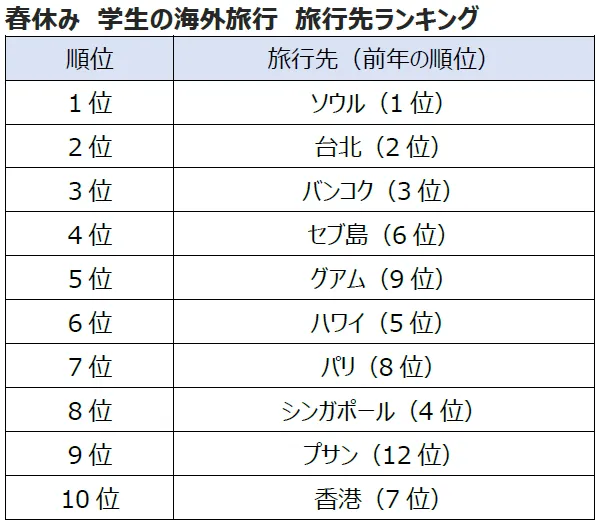
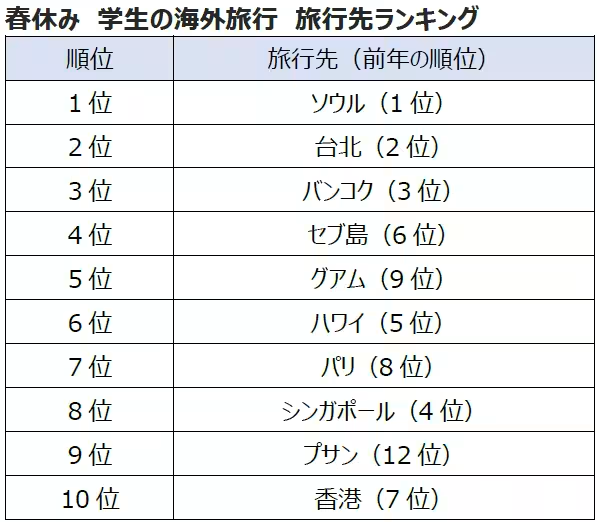
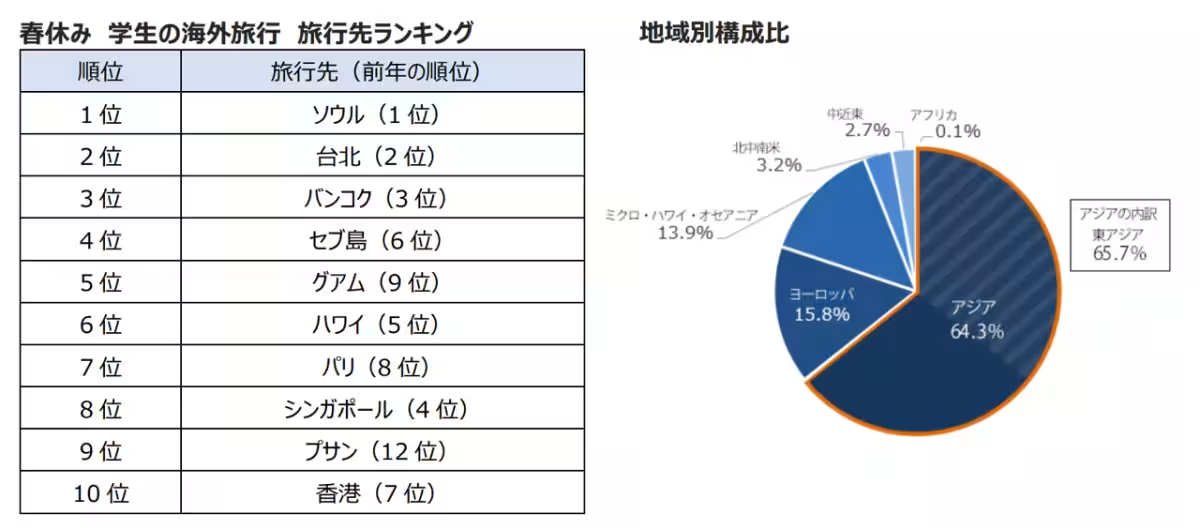
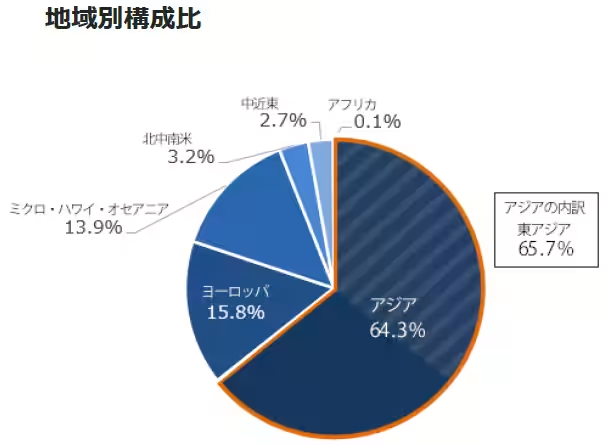
The survey revealed that Seoul is the favored destination among students, followed closely by Taipei and Bangkok, emphasizing a strong preference for nearby Asian cities. The data shows that about 64.3% of all bookings are directed to the Asian region, with East Asia being particularly popular, accounting for 65.7% of the total.
This preference for nearby destinations is likely influenced by the pandemic years, encouraging first-time travelers who favor comfort, accessibility, and value for money. Most travelers are students traveling together, but there is also a noticeable number of families joining these trips. For families, the chance to enjoy a stress-free vacation and expose children to global experiences stands out. This may lead to increased spending on accommodations and tours, with family trips averaging 157,400 yen—about 10% higher than other student travels.
Group Travel Trends
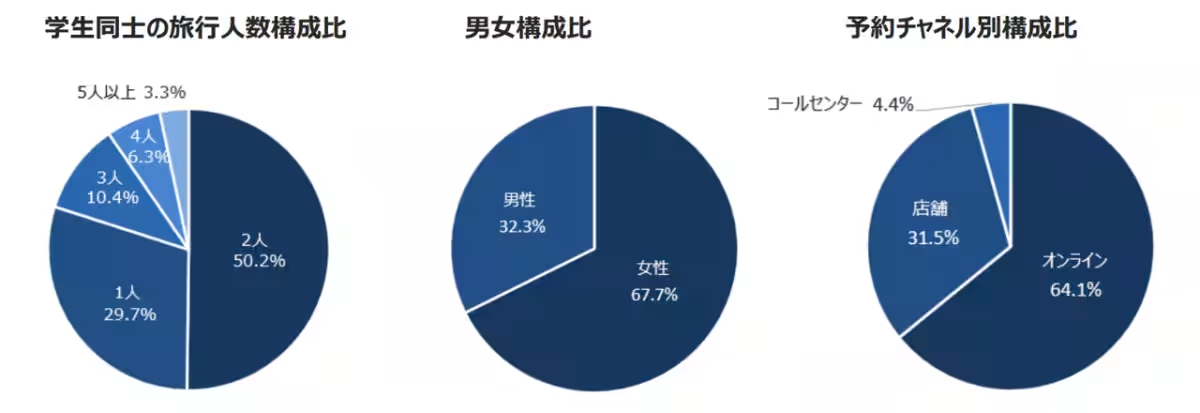
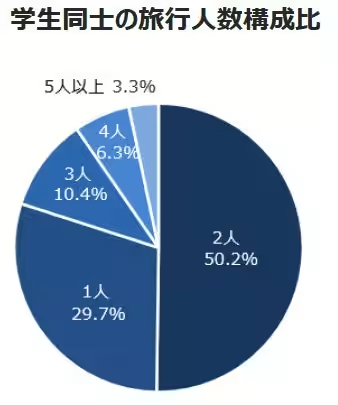
When analyzing travel group sizes among students, it was noted that two-person groups made up 50.2% of bookings, followed by solo travelers at 29.7% and three-person groups at 10.4%. Smaller travel groups are becoming more common as students prioritize personal freedom over coordinating large group itineraries, reflecting a generation that values segmented interests and time efficiency.
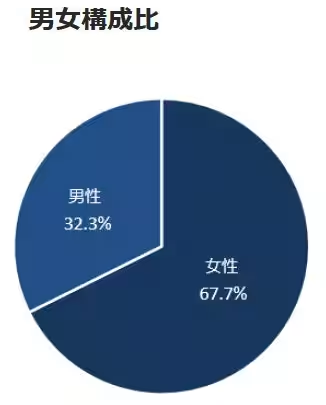
The gender ratio among travelers shows a striking difference, with males at 32.3% and females at 67.7%. This indicates a notable trend where female students are more inclined toward international travel.
Booking Channels
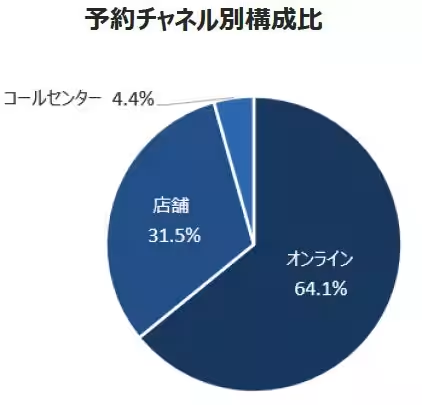
In terms of how these trips are booked, online channels dominate, accounting for 64.1% of reservations, while physical stores made up 31.5%, and call centers only 4.4%. Being digital natives, students prefer the convenience of booking and managing payments online anytime. However, when looking at travel booked through stores, there is a noteworthy decrease in Asia-bound trips (50.3% down by 14.0 points) while European destinations saw a rise (22.9%, up by 7.1 points). This suggests that more complex trips require direct interaction, contrasting online bookings with the need for guidance on intricate itineraries.
HIS Initiatives Supporting Students
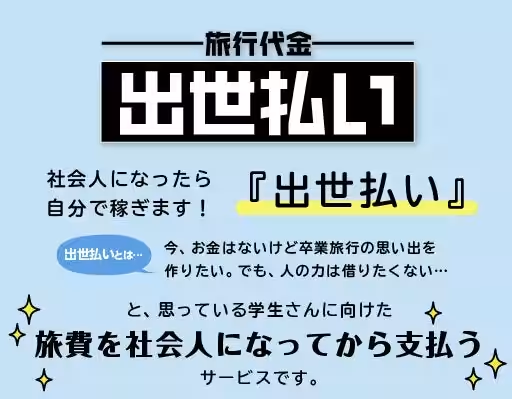
HIS has introduced a
Topics Other)
【About Using Articles】
You can freely use the title and article content by linking to the page where the article is posted.
※ Images cannot be used.
【About Links】
Links are free to use.